

Executive Overview
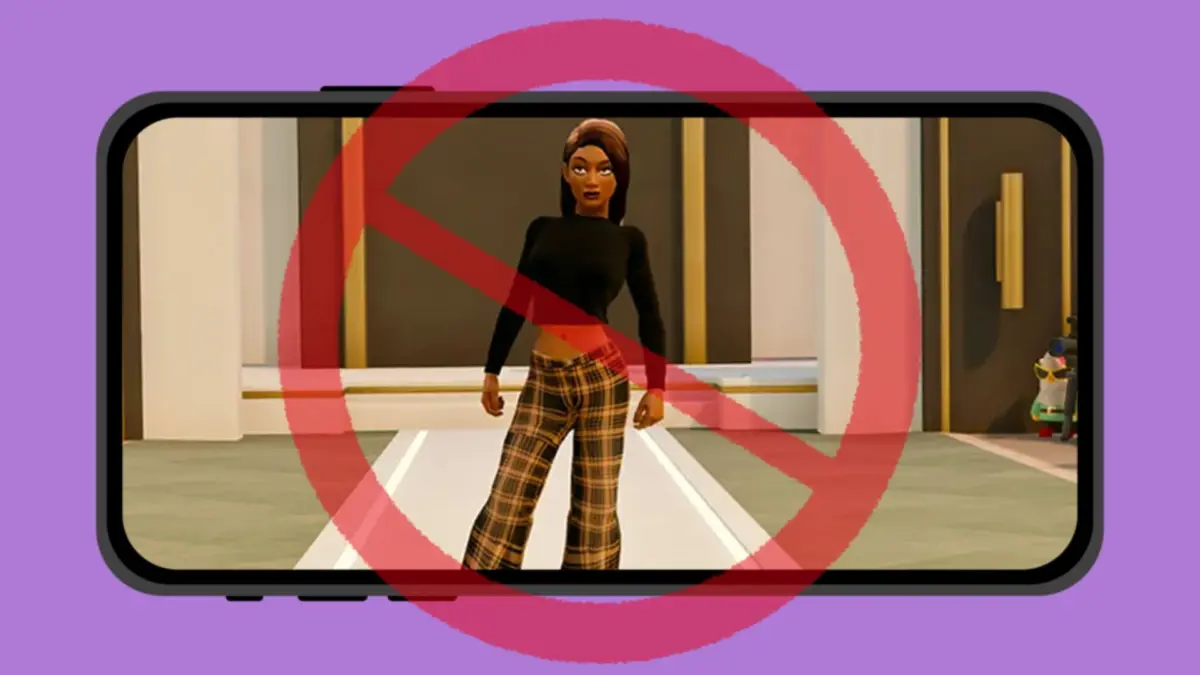
Electronic Arts (EA) has initiated a significant strategic realignment across its life-simulation portfolio, marking a pivotal moment for one of the most lucrative franchises in gaming history. After twelve years of supporting The Sims 4, the publisher has officially halted development on "Project Lotus"—an experimental, mobile-first, multiplayer-oriented title—in order to redirect resources toward "Project Evergreen," the internal codename designated for the next major single-player, PC-first installment in The Sims franchise.
This strategic shift follows years of speculation regarding the future architecture of The Sims. While initial public playtests and leaked development builds of EA’s mobile initiatives met with widespread player dissatisfaction and controversy, internal corporate pressures at EA appear to have accelerated the decision to streamline operations. Coming on the heels of major corporate restructuring—including the shutdown of legacy studio BioWare and the termination of over 400 positions—EA’s decision to pause Project Lotus reflects a broader push toward fiscal consolidation and risk reduction. By pivoting back to a dedicated single-player, PC-centric model, EA aims to satisfy its core player demographic while working toward an alleged internal development target of September 1, 2027, for Project Evergreen.
Detailed Chronology
The Twelve-Year Era of The Sims 4
To understand the significance of EA’s current operational shift, one must examine the unprecedented lifespan of The Sims 4. Released over a decade ago, The Sims 4 has served as the sole mainline entry in the franchise for twelve consecutive years. Throughout this extended lifecycle, EA maintained the title through continuous expansion packs, game packs, and live-service updates. However, as technical constraints and engine fatigue mounted, questions regarding the franchise’s long-term future became a central concern for both analysts and the player community.
The Rise and Evolution of Project Rene
In an effort to modernize the IP and tap into global mobile gaming revenue, EA initiated early development on a multi-platform, multiplayer-heavy concept known internally as Project Rene. Designed primarily as a mobile-first experience, Project Rene was envisioned as a social ecosystem where players could build, customize, and interact in real time.
However, early pre-alpha footage and selected playtests revealed a stark disconnect between EA’s corporate strategy and community expectations:
- Mixed Community Feedback: Core life-simulation fans expressed skepticism over the mobile-first interface and the shift toward enforced multiplayer mechanics.
- Leaked Development Builds: Leaked footage of experimental builds revealed minigames and design frameworks that drew severe criticism. Notably, elements tested within related initiatives—such as fashion minigames featured in The Sims Labs—were widely criticized by players for derivative mechanics that closely mirrored user-created titles on Roblox.
Nomenclature Confusion: From Rene to Lotus
As development progressed, the organizational structure surrounding EA’s experimental projects grew increasingly convoluted. Project Rene appeared to morph or sub-divide into several distinct internal tests and branch projects, leading to widespread confusion within the community.
                    ┌─────────────────────────┐
                    │      Project Rene       │
                    │  (Mobile / Multiplayer) │
                    └────────────┬────────────┘
                                 │
                                 ▼
                    ┌─────────────────────────┐
                    │      Project Lotus      │
                    │ (Morph / Revised Title) │
                    └────────────┬────────────┘
                                 │
        ┌────────────────────────┼────────────────────────┐
        ▼                        ▼                        ▼
┌───────────────┐       ┌─────────────────┐      ┌─────────────────┐
│ The Sims:     │       │ The Sims Labs:  │      │ The Sims: City  │
│ Town Stories  │       │ Life Together   │      │ Life Game w/    │
└───────────────┘       └─────────────────┘      │ Friends         │
                                                 └─────────────────┘
A flurry of trademark filings, regional test builds, and working titles emerged under the EA umbrella, including:
- Project Lotus: The consolidated mobile/multiplayer title referenced in EA’s latest corporate updates.
- The Sims: Town Stories: A localized test iteration focusing on community building.
- The Sims Labs: Life Together: An experimental platform utilized for testing isolated gameplay mechanics, such as fashion and social minigames.
- The Sims: City Life Game with Friends: A multiplayer-centric draft aimed at social mobile engagement.
While industry observers debated whether these titles represented separate standalone titles or fragmented components of Project Rene, recent developments confirm that Project Lotus became the official umbrella moniker for EA’s mobile-first multiplayer push.
The Strategic Freeze
Faced with persistent mechanical criticisms, negative playtest reception, and shifting market conditions, EA management ultimately determined that continuing Project Lotus presented an unfavorable risk profile. Consequently, the publisher formally suspended development on Project Lotus, placing its assets on hold—potentially indefinitely—to reallocate engineering and design talent toward the single-player experience.
Supporting Context & Metrics
Deciphering Project Evergreen
With Project Lotus placed on indefinite hiatus, executive attention has turned entirely to "Project Evergreen." Industry analysts identify Project Evergreen as the updated internal codename for what was previously referred to as "Project X"—the true single-player successor to The Sims 4, effectively serving as The Sims 5 or its direct strategic equivalent.

Project Evergreen represents a return to the foundational pillars of the franchise:
- PC-First Architecture: Tailored primarily for traditional desktop hardware performance rather than handheld mobile limitations.
- Single-Player Focus: Reverting from forced multiplayer environments back to the deep, user-driven sandbox playstyle favored by the traditional player base.
- Core Sandbox Customization: Prioritizing simulation depth, architectural freedom, and character progression over microtransaction-driven mobile minigames.
Key Milestones and Timeline Metrics
| Metric / Project Dimension | Project Lotus (Paused) | Project Evergreen (Active) |
|---|---|---|
| Primary Target Platform | Mobile / Cross-Platform | PC-First / Desktop |
| Gameplay Paradigm | Multiplayer / Social Minigames | Single-Player Life Simulation |
| Development Status | Suspended / On Pause | Active Core Development |
| Internal Target Deadline | Cancelled / Deferred | September 1, 2027 (Alleged) |
| Community Alignment | Low (Mixed / Negative Playtests) | High (Aligned with Core Fan Demand) |
Internal sources indicate that Project Evergreen carries a key operational milestone targeting September 1, 2027. While release dates in full-scale game production remain subject to adjustments, this timeline suggests that concrete promotional materials, technical previews, and formal announcements from Maxis and EA could surface in the relative near term as production ramps up.
Macro-Economic Pressures: The Broader Corporate Picture
The decision to halt Project Lotus cannot be analyzed in isolation from EA’s broader corporate behavior. The gaming giant has increasingly prioritized cost reduction, operational efficiency, and capital concentration on proven, high-yield intellectual properties.
       ┌─────────────────────────────────────────────────┐
       │     EA Corporate Financial Realignment          │
       └────────────────────────┬────────────────────────┘
                                │
         ┌──────────────────────┴──────────────────────┐
         ▼                                             ▼
┌───────────────────────────────┐             ┌───────────────────────────────┐
│     Structural Reductions     │             │     Resource Reallocation     │
├───────────────────────────────┤             ├───────────────────────────────┤
│ • Closure of BioWare          │             │ • Pausing Experimental Mobile │
│ • 400+ Positions Eliminated   │             │   Projects (Project Lotus)    │
│ • Reduction in High-Risk IP   │             │ • Capital Directing to PC Core│
│   Expenditures                │             │   (Project Evergreen)         │
└───────────────────────────────┘             └───────────────────────────────┘
A prominent indicator of this macro-level restructuring was EA’s decision to shut down BioWare—the studio behind legendary franchises such as Mass Effect and early entries in the Baldur’s Gate series—resulting in the termination of more than 400 industry jobs. This aggressive push to reduce overhead costs underscores the corporate rationale behind shuttering unproven mobile experiments like Project Lotus. Facing high development costs and uncertain monetization potential, EA leadership elected to consolidate its engineering capacity around Project Evergreen.
Official Statements
In an official public update detailing corporate operational adjustments, Electronic Arts publicly confirmed the restructuring of its life-simulation development pipelines.
According to the official EA statement:
"EA is prioritizing our efforts on ‘Project Evergreen’ for The Sims. […] We’re pausing development of ‘Project Lotus’."
This concise disclosure reveals several key insights regarding internal corporate strategy:
- Explicit Reprioritization: By explicitly pairing the prioritization of Project Evergreen with the pausing of Project Lotus, EA management signaled to investors that capital is being reallocated rather than expanded.
- Cancellation Without Total Disavowal: The use of the term "pausing" rather than "canceling" allows EA to keep Project Lotus assets in reserve, though industry analysts note that projects paused during major corporate restructures rarely resume development in their original forms.
- Validation of PC Community Demands: The public declaration implicitly acknowledges that previous attempts to divert core franchise resources into mobile-first multiplayer environments were yielding diminishing returns compared to investing in a traditional, high-fidelity single-player sequel.
Future Outlook
The strategic redirection toward Project Evergreen marks a decisive victory for the core The Sims community, which has long advocated for a dedicated, PC-first single-player entry over mobile spin-offs and forced online ecosystems. However, the hiatus of Project Lotus creates a noticeable gap in EA’s near-term release schedule, leaving The Sims 4 as the primary active product for the immediate future.
Immediate and Long-Term Implications
- Sustaining The Sims 4: With Project Evergreen allegedly targeting a September 1, 2027 operational milestone, EA will need to continue supporting The Sims 4 through its twelfth year and beyond to maintain active community engagement and revenue streams.
- Rebuilding Fan Trust: Following negative reactions to leaked mobile assets—particularly the derivative minigame formats observed in test builds like The Sims Labs—EA faces the task of proving that Project Evergreen can deliver meaningful architectural and mechanical innovation.
- The Role of Legacy Titles: As players await concrete updates on Project Evergreen, a significant segment of the community continues to revisit legacy entries across classic platforms, including nostalgia-driven titles on Nintendo handheld systems, which remain celebrated for their distinct single-player design philosophies.
Ultimately, EA’s decision to pause Project Lotus illustrates the limits of attempting to pivot established, single-player PC franchises into mobile multiplayer live-services. By consolidating its resources behind Project Evergreen, EA has recommitted to the core design principles that established The Sims as a cultural phenomenon, setting the stage for a critical new chapter in life-simulation gaming leading up to 2027.






Belum ada komentar. Jadilah yang pertama berkomentar!