When developer Digital Sun released Moonlighter in 2018, it captured the indie gaming zeitgeist by seamlessly blending dual genres: the cozy, capitalist routine of a shopkeeping simulator and the high-stakes loop of a top-down action roguelike. Following a successful period in Early Access and a highly anticipated full release on the Nintendo Switch 2 in September 2026, the studio returned to its flagship franchise with Moonlighter 2: The Endless Vault.
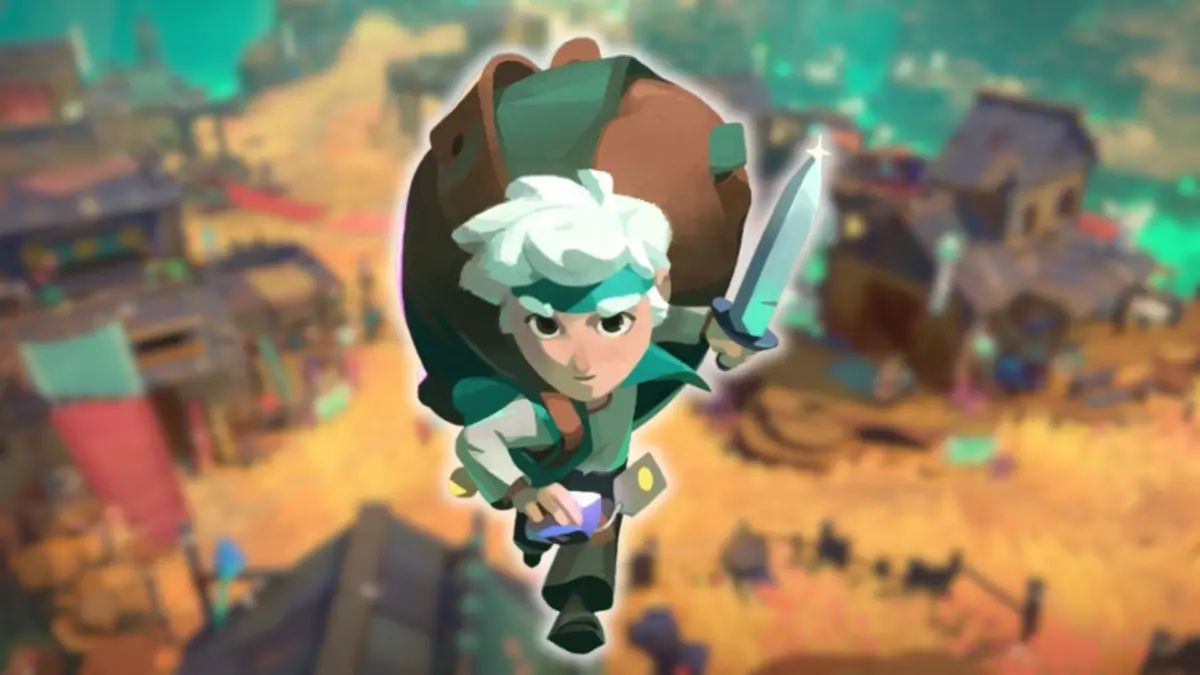
The sequel marks a significant evolution for the franchise. Moving away from the nostalgic 2D pixel art of the original, Moonlighter 2 pivots into a fully 3D isometric environment, complete with modern action-roguelite systems, deeper player-expression mechanics, and a revamped soundscape.
In a detailed technical and design retrospective, Victor Ribera, Design Co-Director of Moonlighter 2, detailed the creative choices, platform-specific optimization efforts, and game design philosophies that shaped the title’s leap to next-generation handheld hardware. Despite facing initial optimization friction at its Nintendo Switch 2 launch, ongoing post-release patching and structural refinements have solidified Moonlighter 2 as a premier showcase of how indie developers can modernize established IP without losing their core design identity.
Detailed Chronology
[Phase 1: Studio Origins & Concept Genesis]
 └── Digital Sun operates as an outsourcing studio.
 └── Concept for 'Moonlighter' born from parallel studio dreams & genre inspirations.
 └── 2018: Original 'Moonlighter' releases to critical acclaim.

[Phase 2: Early Access & The 3D Shift]
 └── Early Access launch establishes baseline 3D isometric gameplay.
 └── Combat overhaul begins; transition from 2D pixel art to cozy 3D aesthetic.
 └── Modern action-roguelite systems introduced (inspired by 'Hades').

[Phase 3: Nintendo Switch 2 Platform Launch]
 └── September 2026: Official full release on Nintendo Switch 2.
 └── Launch experiences minor optimization friction on handheld hardware.
 └── Post-launch patching phase stabilizes frame rates and enhances visual clarity.
Studio Origins and Concept Genesis
Before establishing itself as a standalone developer, Digital Sun operated primarily as an outsourcing company, providing game development services for third-party entities. During this period, the team harbored ambitions of creating a proprietary intellectual property. This meta-narrative directly mirrored the journey of Moonlighter’s protagonist, Will—a modest shopkeeper in the town of Rynoka who dreamed of entering dungeons to become a legendary hero.
Drawing structural inspiration from seminal titles such as The Legend of Zelda: The Minish Cap, Recettear: An Item Shop’s Tale, and Torneko’s Mystery Dungeon, the development team constructed a distinct gameplay loop: dungeon-crawling by night to gather rare artifacts, followed by managing a retail storefront by day to price and liquidate those goods.
The Early Access Era and Architectural Redesign
Recognizing that a true sequel required more than incremental adjustments, Digital Sun initiated the development of Moonlighter 2: The Endless Vault with an ambitious mandate: rebuild the underlying architecture in 3D. The title entered Early Access to refine its systems based on direct community feedback. This testing phase proved vital for rebalancing combat, fine-tuning randomized dungeon parameters, and testing the viability of a deeper roguelite progression framework.
In September 2026, Moonlighter 2 achieved its full release, launching concurrently on next-generation platforms including the Nintendo Switch 2. Given that the original Moonlighter achieved substantial commercial success on handheld hardware, optimizing the sequel for portable play was a core priority for the development team.
Although the initial launch on Nintendo Switch 2 suffered minor performance hiccups, rapid post-release updates stabilized frame delivery and enhanced handheld scaling, bringing the title to a polished state.
Supporting Context & Metrics
+-------------------------------------------------------------------------------+
|                       KEY ARCHITECTURAL EVOLUTION                             |
+----------------------------+--------------------------------------------------+
| Feature                    | Moonlighter (2018)    | Moonlighter 2 (2026)     |
+----------------------------+-----------------------+--------------------------+
| Visual Engine              | 2D Pixel Art          | 3D Isometric             |
| Camera Perspective         | Top-Down 2D           | Angled Isometric 3D      |
| Ranged Combat Mechanics    | Classic Bow (Static)  | Blob Gun (Melee Recharge)|
| Store Personalization      | Basic Functional Decor| Full Flooring/Wallpaper  |
| Inventory Management       | Fixed Slot Capacity   | Upgradeable Backpack     |
| Musical Composition        | David Fenn            | Christopher Larkin       |
+----------------------------+-----------------------+--------------------------+
Visual and Camera Shift: The 2D to 3D Transition
The decision to abandon the original game’s signature pixel art in favor of a 3D isometric presentation sparked significant internal debate at Digital Sun. Pixel art had served as a primary visual hook for the first title. However, transitioning to 3D unlocked technical and design advantages that were unachievable within a 2D plane:
Spatial Depth and Telegraphing: The isometric perspective offers expanded environmental visibility, allowing designers to build intricate multi-tier arenas and telegraphed enemy attack vectors.
Animation Fluidity: 3D skeletal rigs enabled faster, smoother combat moves, seamless dodge-rolling, and directional attacking that elevated the pace of gameplay to match modern action-roguelites.
Environmental Storytelling: Moving the setting from the village of Rynoka to the new hub of Tresna allowed the art team to use volumetric lighting and atmospheric effects to reinforce a "cozy yet mysterious" aesthetic.
Combat Dynamics and Weapon Rebalancing
In the original Moonlighter, the bow and arrow frequently disrupted the risk-reward dynamic of combat. Players could safely eliminate hostile threats from a distance, triviating complex encounters.
To address this balance issue in Moonlighter 2, the design team replaced the traditional bow with a new ranged weapon: the Blob Gun.
Mechanical Synergy: The Blob Gun possesses a strictly limited ammo capacity. To recharge the weapon, players must actively engage in close-quarters combat, landing hits on enemies with melee weapons to siphon energy back into the gun.
Risk-Reward Integration: This mechanic forces players into high-risk zones, maintaining the tension inherent to action-roguelites while eliminating passive long-range exploit tactics.
Thematic Alignment: The shift from a high-fantasy bow to a energy-based sidearm aligns with the sequel’s expanded sci-fi aesthetic.
[ Blob Gun Combat Loop ]
       │
       ├──► Player fires ranged shots (Limited Ammunition)
       │         │
       │         ▼
       ├──► Ammo Depleted ──► Must enter melee range
       │         │
       │         ▼
       └──► Land Melee Strikes ──► Recharges Blob Gun ──► Return to Ranged Engagement
Economic Sim and Quality of Life Enhancements
The retail management phase of Moonlighter relies on player engagement with store mechanics. In Moonlighter 2, Digital Sun expanded these systems based on player feedback:
Expandable Inventory: In the first game, inventory space was fixed to create artificial tension during dungeon runs. In Moonlighter 2, players can interact with specific NPCs to purchase additional backpack slots, providing a clear sense of merchant progression over time.
Store Personalization: Customization in the original game was largely limited to functional items that provided stat buffs. Moonlighter 2 introduces cosmetic store customization, allowing players to alter flooring, wallpaper, and layout arrangements to tailor their store’s aesthetic.
Audio Identity: A Compositional Transition
Audio plays a key role in setting the tone for the franchise’s day/night split. While composer David Fenn crafted the soundtrack for the original game, Digital Sun enlisted Christopher Larkin (known for his work on Hollow Knight) to score Moonlighter 2. Larkin’s score blends warm acoustic arrangements for the hub city of Tresna with dynamic music that scales in intensity during dungeon delves.
Official Statements
During an interview detailing the game’s development and release on the Nintendo Switch 2, Victor Ribera, Design Co-Director of Moonlighter 2, shared insights into the studio’s technical choices, design philosophy, and future plans.
On Studio Origins and Design Inspiration
Victor Ribera: "It mostly comes from our own experience making games. Before Moonlighter, we worked as an outsourcing company, making games for other studios while dreaming of making our own, a lot like Will dreaming of being a hero while still taking care of his shop. From there, we mixed in influences from games we love, like Zelda: The Minish Cap, Recettear, and Torneko’s Mystery Dungeon, where little heroes and humble merchants take on big adventures."
On Onboarding New Players vs. Returning Veterans
Victor Ribera: "You can absolutely jump straight in. Moonlighter 2 carries on Will’s story, but it’s built so new players never feel lost. There’s even a handy introduction that covers everything you need to know before starting a new save… On the other hand, returning players will catch plenty of little nods to Rynoka."
On Optimizing for Nintendo Switch 2 and Launch Performance
Victor Ribera: "The first Moonlighter found a home on the original Switch, and we really wanted the sequel to feel great in handheld, especially with its bigger focus on roguelite elements and that ‘one more run’ feeling at the core of its identity. Even if launch wasn’t as smooth as we’d have liked, the game is in a much better place now, and we’re still planning patches to improve it further."
On Preserving Core Identity Across Art Style Shifts
Victor Ribera: "The core loop, for sure: diving into dungeons at night and selling your loot by day, and that moment when you’re deep in a dungeon already thinking, ‘how much can I sell this for?’ Beyond that, we wanted Moonlighter‘s identity to stay familiar and instantly recognisable, even in 3D. From returning characters to the colour palette and the iconic, chunky backpack, we tried to make Tresna feel a little bit like Rynoka."
On Visual Direction and the Move to 3D Isometric Design
Victor Ribera: "We know the pixel art was a huge part of Moonlighter‘s identity, and it sparked a big debate inside the team. Eventually, we all agreed that 3D offered new and exciting opportunities to grow the world, especially to give combat more depth and make environments richer. The isometric camera came with that, showing more of the space around Will and better suiting the faster, more fluid combat we were after."
On Weapon Balancing: Replacing the Bow
Victor Ribera: "Truth be told, the bow was a bit unbalanced. It gave you a little too much range in certain fights, which threw off the risk-reward balance. The new blob gun only lets you fire a limited number of shots before you have to recharge it by hitting enemies up close, so it encourages direct combat while still triggering some nice synergies."
Future Outlook
With Moonlighter 2: The Endless Vault established on next-generation hardware like the Nintendo Switch 2, Digital Sun is prioritizing post-launch optimization before turning to new content expansions.
[Post-Release Roadmap]
 ├── Phase 1: Stability Patches & Cross-Platform Performance Tuning (Current Focus)
 ├── Phase 2: Quality-of-Life & Balance Refinements based on Player Metrics
 └── Phase 3: Evaluation of Potential Content Expansions / DLC
Platform Maintenance and Optimization
The primary focus for the development team remains optimization across all supported platforms, particularly the Nintendo Switch 2. Digital Sun has committed to a steady cadence of performance patches designed to address lingering frame-rate hiccups, refine UI scaling in handheld mode, and rebalance late-game economy scaling.
Potential Expansions and Franchise Trajectory
When asked about potential downloadable content (DLC), the studio confirmed that while initial resources are dedicated exclusively to core game stabilization, the architecture of The Endless Vault was designed with future expansion in mind. Given that the original Moonlighter received significant post-launch support—including the Between Dimensions expansion—industry analysts expect Digital Sun to follow a similar post-launch model once stability goals are met.
Moonlighter 2: The Endless Vault demonstrates how an indie studio can navigate the transition from a breakout 2D debut to an ambitious 3D sequel. By balancing mechanical innovations like the Blob Gun and store customization with the core shopkeeping loop that defined the original, Digital Sun has established a strong foundation for the franchise’s future.









Belum ada komentar. Jadilah yang pertama berkomentar!