

Executive Overview
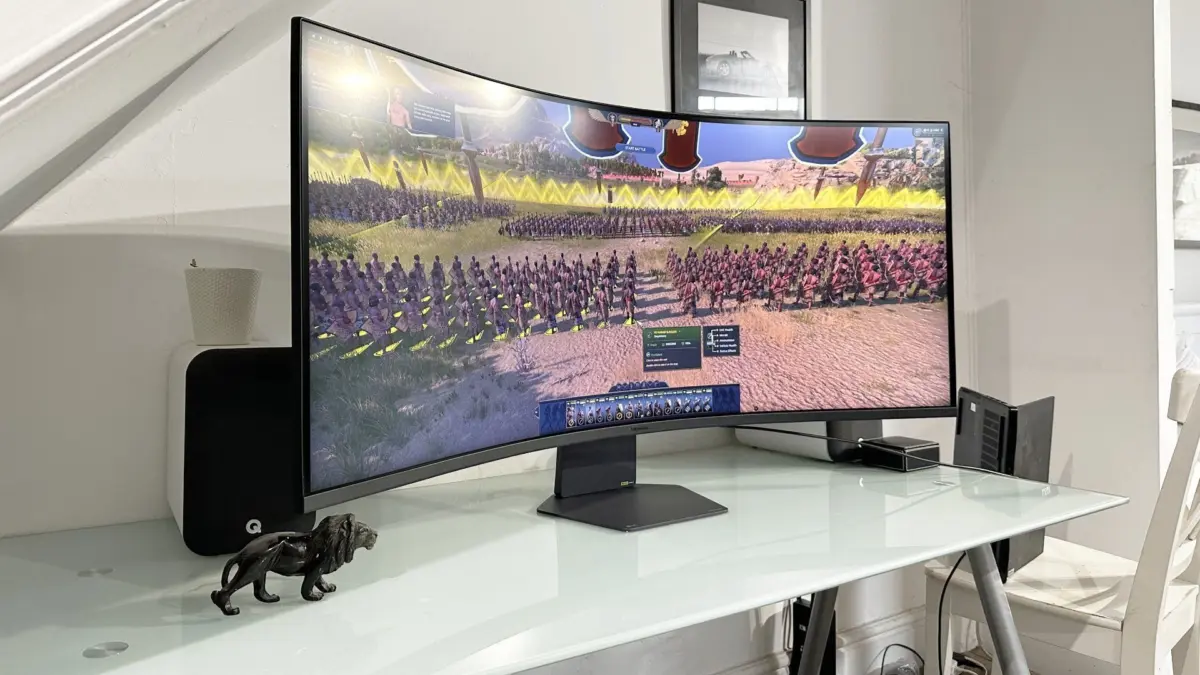
The high-end PC gaming display market has long danced on the razor’s edge between technological novelty and practical utility. When manufacturers stretch the physical boundaries of desktop hardware, compromises inevitably follow. Enter the LG UltraGear Evo 52G930B—a monstrous 52-inch ultrawide gaming display commanding a steep $1,699 (£1,499) price tag. Boasting a razor-sharp 5K2K resolution, a brisk 240Hz refresh rate, and an aggressive 1000R curve, it promises an immersive visual playground for enthusiasts willing to anchor a centerpiece display to their desks.
Yet, a closer look beneath its glossy, expansive surface reveals a curious contradiction. Rather than embracing cutting-edge OLED or high-zone mini-LED architectures—the industry standards expected at this price point—LG has anchored this hardware flagship to a conventional, old-school Vertical Alignment (VA) panel. Lacking true local dimming or modern HDR performance tiers, the 52G930B forces a difficult conversation about value, technical obsolescence, and ergonomic feasibility.
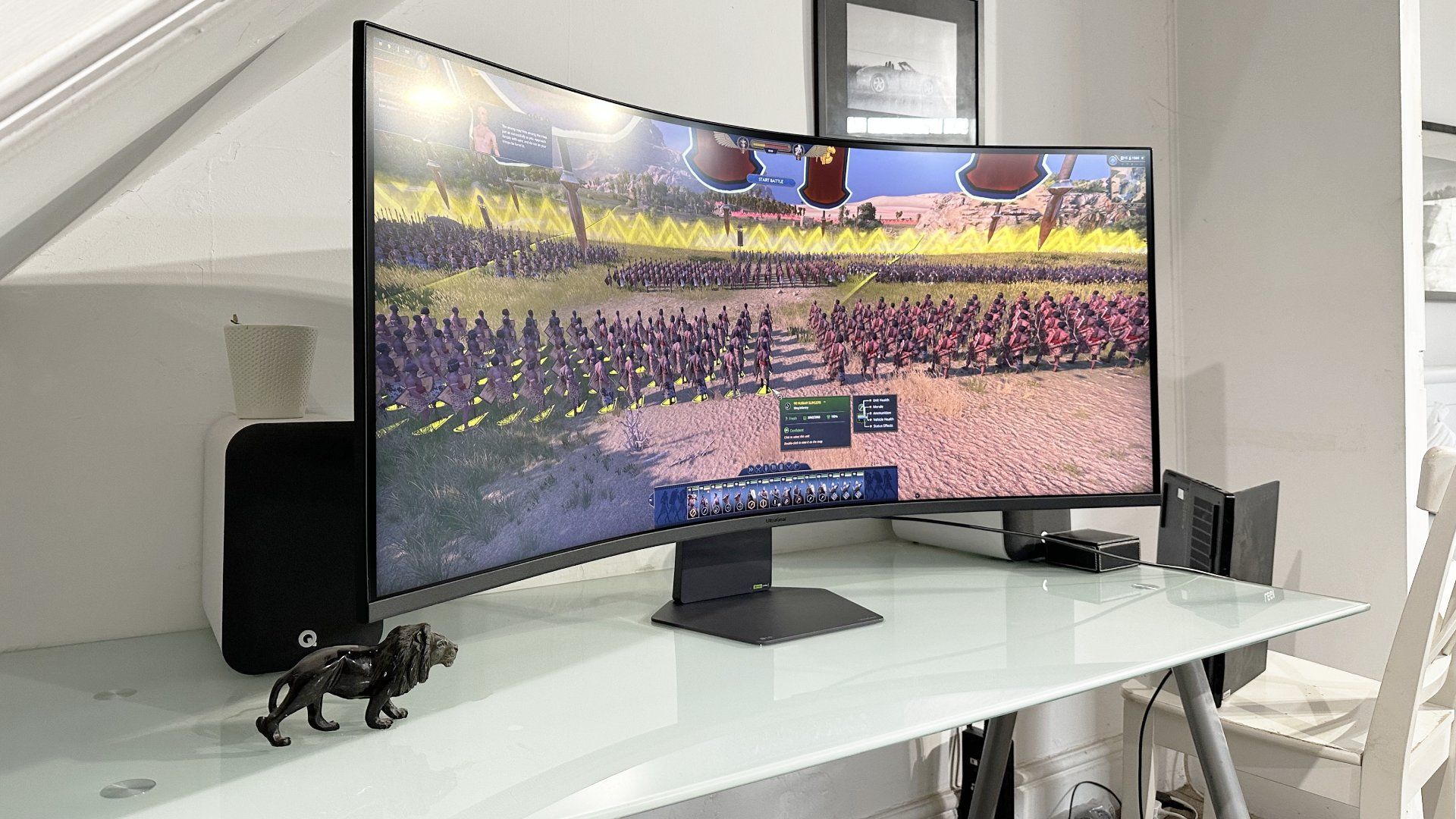
While it delivers an unmatched field-of-view for grand strategy titles and driving simulators, its high cost, sluggish dark-tone response times, and stiff competition from larger, better-specced alternatives make it a remarkably niche proposition. For the vast majority of PC gamers, it is an over-engineered marvel that misses the mark; for a specialized subset of sim-racers and strategy aficionados, however, it remains an alluring, if exhausting, glimpse into extreme display engineering.
Detailed Chronology and Technical Breakdown
To understand how the LG UltraGear Evo 52G930B fits into the hardware landscape, one must first trace its design philosophy and technical specifications. Announced as a major push into ultra-large-format desktop gaming, LG engineered this display to bridge the gap between television-sized immersion and standard desktop monitor ergonomics.
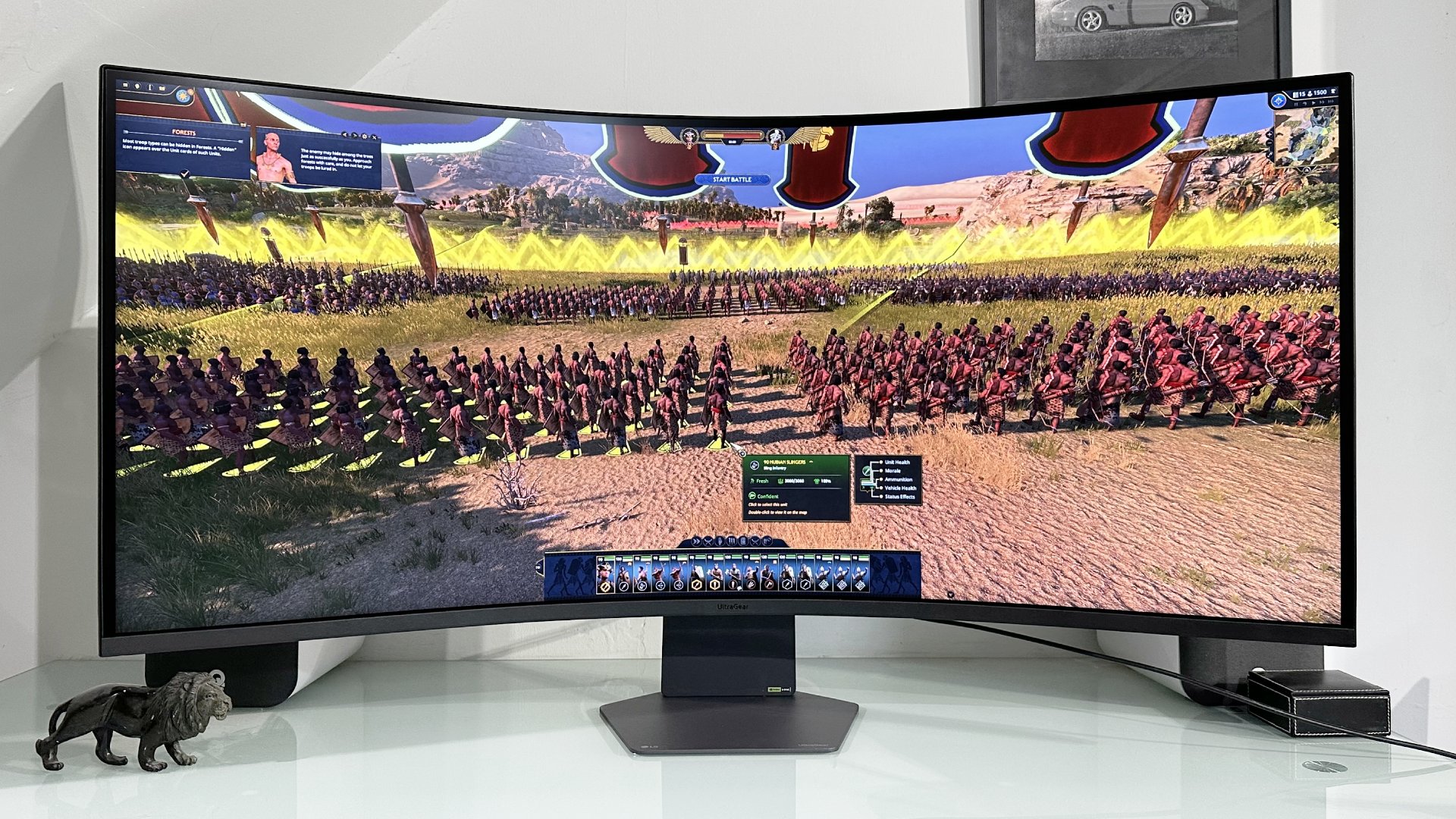
Measuring 52 inches diagonally with an ultrawide 21:9 aspect ratio and a 5,120 x 2,160 resolution, the panel occupies a middle ground that avoids the excessive vertical height of a standard 16:9 TV, while offering significantly more horizontal real estate than traditional 34-inch or 49-inch monitors. To wrap this massive canvas around the user, LG opted for a pronounced 1000R curve. This curvature is crucial for desktop viewing, where users sit significantly closer to the glass than they would on a living room sofa.
Core Specifications at a Glance:
- Screen Size: 52 inches (Ultrawide 21:9)
- Resolution: 5,120 x 2,160 (5K2K)
- Panel Type: VA (Vertical Alignment)
- Refresh Rate: 240Hz
- Response Time: 1ms GtG (Grey-to-Grey) claimed
- Brightness: 400 nits (SDR), 600 nits (HDR)
- Static Contrast Ratio: 4,000:1
- HDR Certification: DisplayHDR 600 (No local dimming)
- Connectivity: 2x HDMI 2.1, DisplayPort 2.1, USB-C with 90W Power Delivery, built-in USB hub, 3.5mm audio jack
- Price: $1,699 / £1,499
Despite these robust connectivity options—including modern DisplayPort 2.1 and high-wattage USB-C power delivery—the technical foundation of the panel sparks immediate debate. VA panels are celebrated for their static contrast advantages over IPS displays (delivering a solid 4,000:1 ratio on this unit), but they historically struggle with pixel response times, particularly in dark transitions.
Without local dimming zones to back up its DisplayHDR 600 certification, the monitor lacks the localized lighting control required for true high dynamic range imagery. Consequently, buyers are paying a premium price for scale and resolution while stepping backward in lighting technology compared to contemporary OLED alternatives.
Supporting Context and Metrics: The Real-World Experience
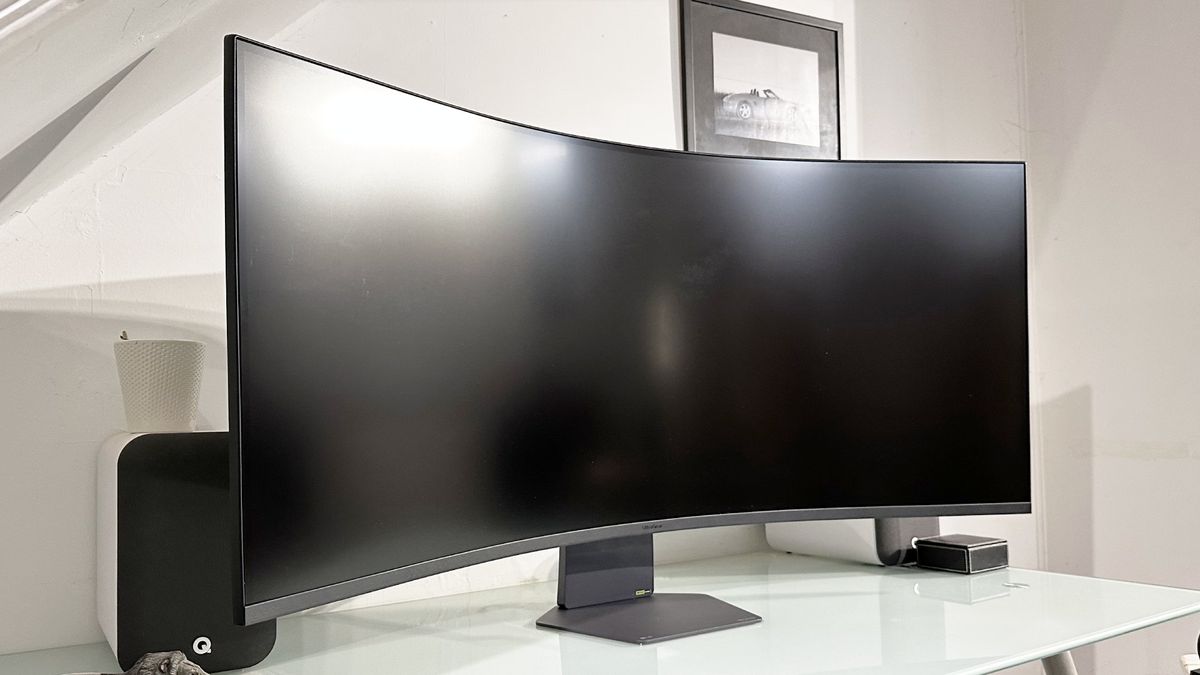
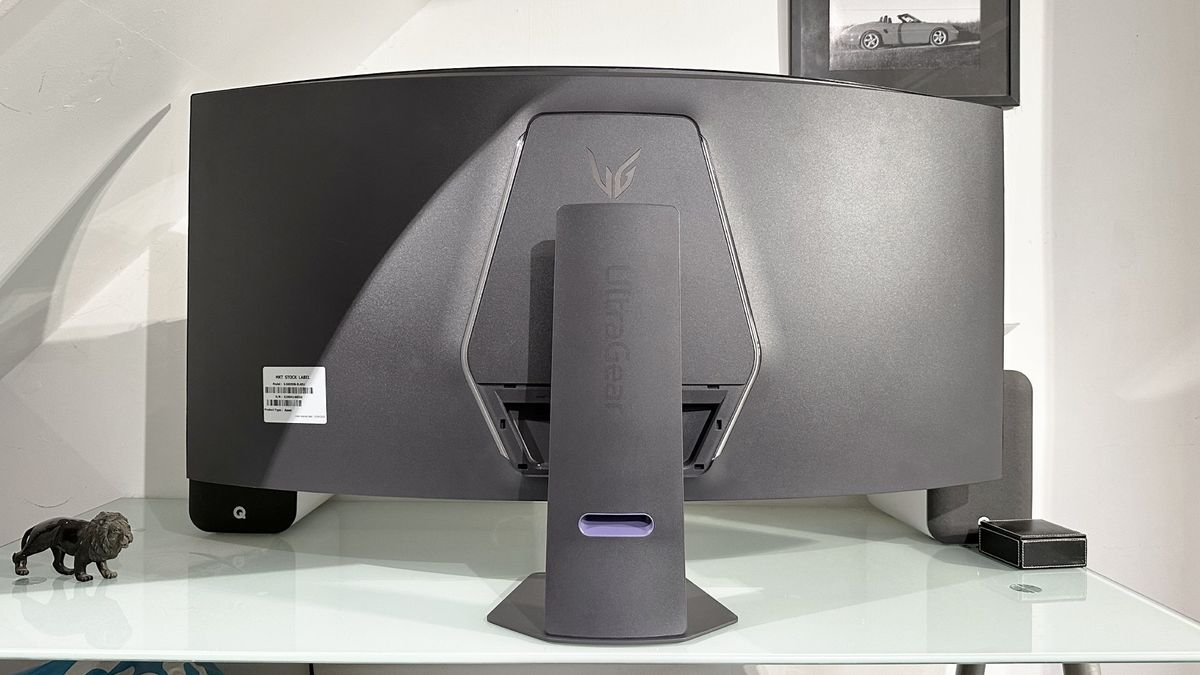
Unboxing and setting up the LG UltraGear Evo 52G930B is an exercise in spatial management. Even for enthusiasts accustomed to large-format displays—such as standard 49-inch 32:9 ultrawides—the 52G930B feels exceptionally unwieldy. Its depth and height impose severe demands on desk space, testing the limits of standard office furniture.
Immersion vs. Ergonomic Reality
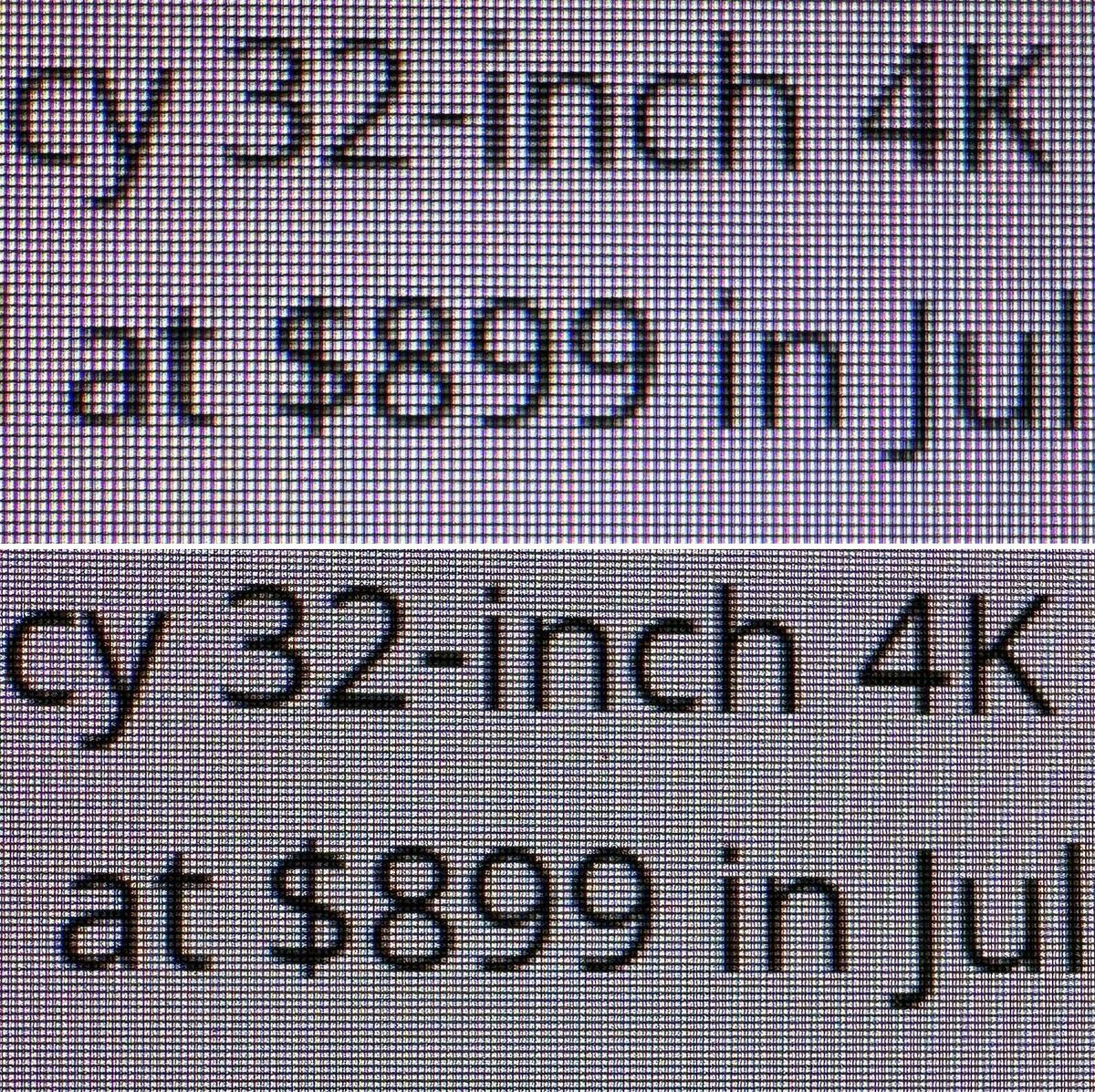
Once mounted and powered on, the display’s primary asset immediately takes center stage: immersion. The combination of the 1000R curve and the expansive 5K2K canvas completely dominates the user’s field of view. Pixel density sits at roughly 107 pixels per inch (PPI). While this is a marked improvement over a massive 55-inch 4K TV (which drags along at a coarse 80 PPI), it still trails behind modern 32-inch 4K panels (138 PPI). Text clarity and fine image details are entirely tolerable for day-to-day use, but they do not set any new high-water marks for sharpness.
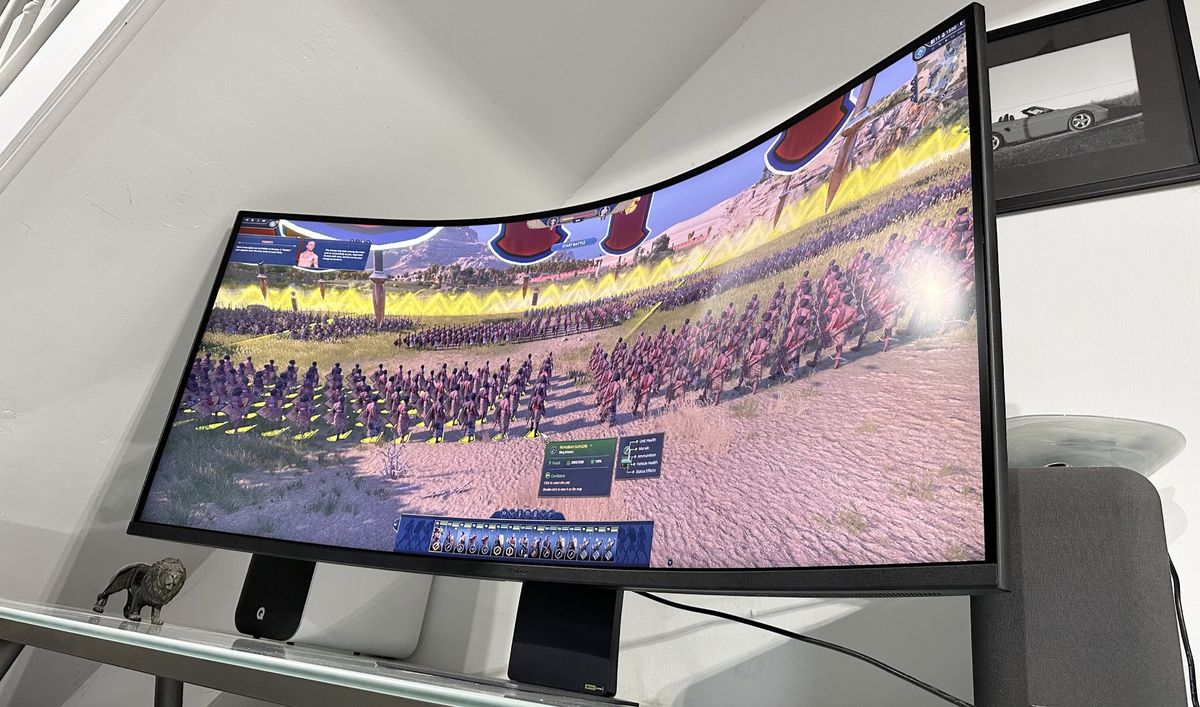
When applied to fast-paced gaming genres, however, the monitor’s physical scale becomes a liability. In competitive esports or fast-twitch first-person shooters, having critical UI elements or enemies spawn at the far peripheral edges—far outside the player’s central gaze—proves detrimental to performance. Swiveling one’s head aggressively to track fast motion across a 52-inch curved glass panel quickly induces physical fatigue.
Genre-Specific Performance
The display finds its true calling away from twitch shooters, shining instead in titles built around exploration, scale, and strategic depth:
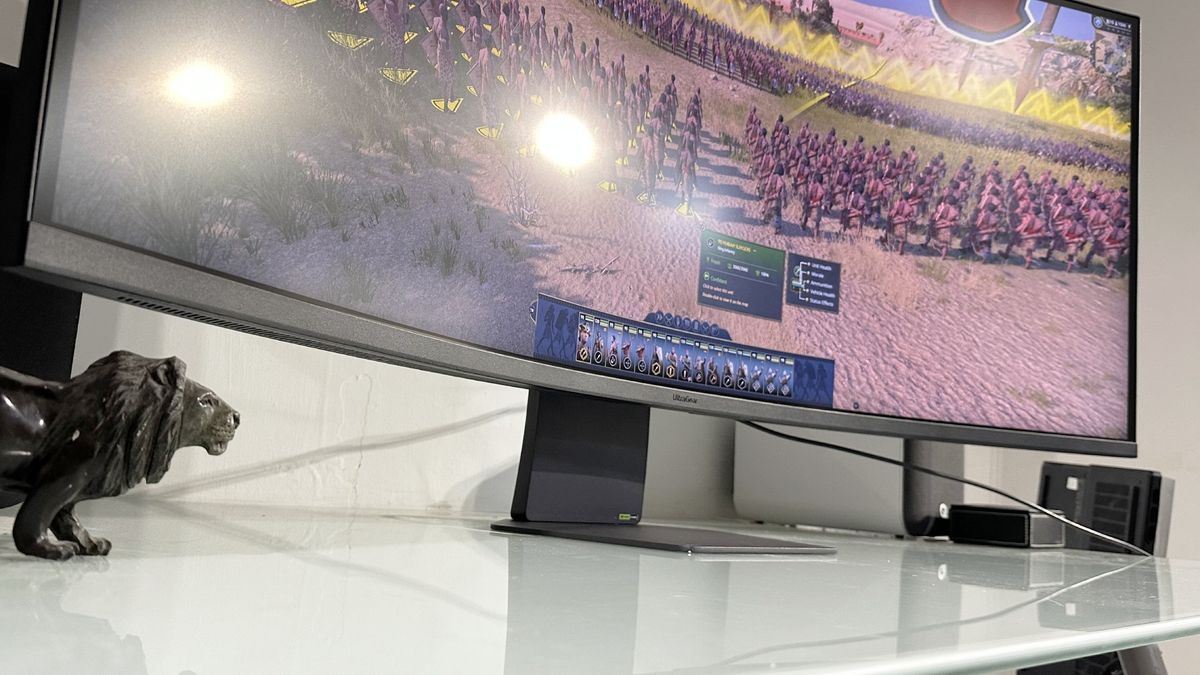
- Grand Strategy: Playing titles within the Total War franchise across this sprawling canvas is a transformative experience. Watching vast formations of infantry, cavalry battalions, and siege equipment spread out across a continuous, unbroken field of view is nothing short of seminal for PC gaming.
- Sim-Racing: Driving simulators benefit immensely from the 21:9 ultrawide aspect ratio and the wrap-around 1000R curve, creating an authentic cockpit feel.
- RPG and Adventure Titles: Exploring open worlds in games like The Witcher III or modern Assassin’s Creed entries yields breathtaking cinematic vistas, provided users are willing to embrace the physical head-turning required.
The Panel Performance Hurdle
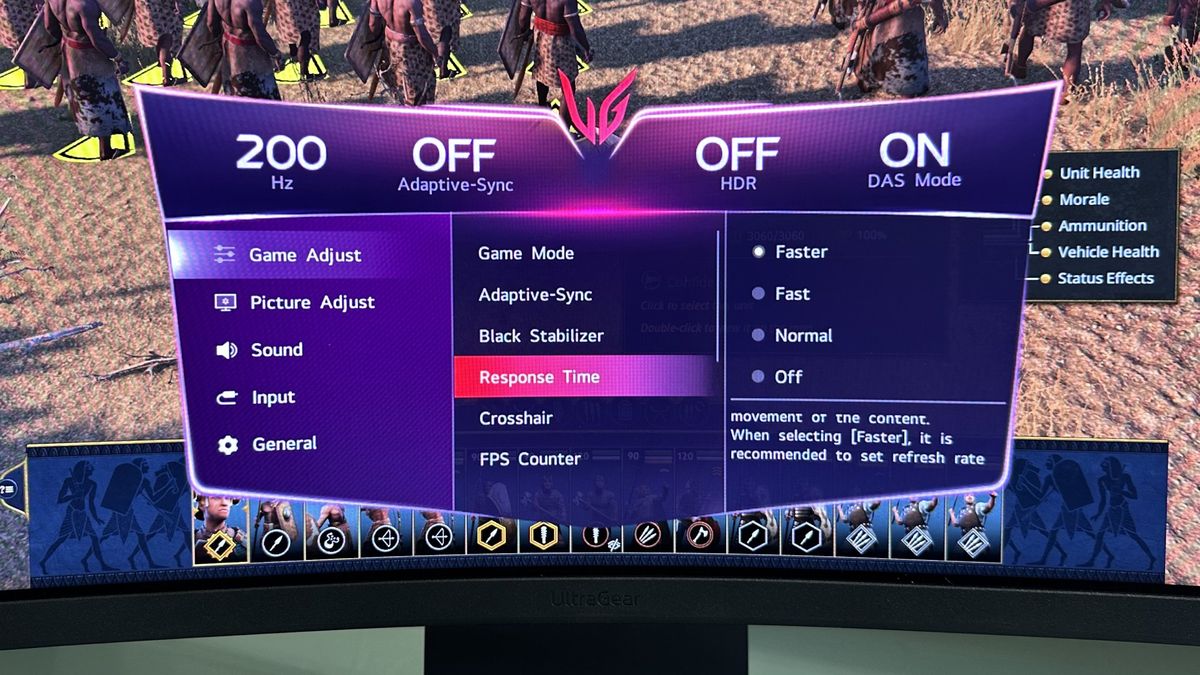
Technical testing reveals the inherent limitations of the VA architecture. While LG provides granular On-Screen Display (OSD) controls for color spaces and pixel overdrive, the results are uneven.
- Dark-Tone Smearing: True to VA form, dark-tone response times lag behind. Even with pixel overdrive pushed to its maximum threshold, visible smearing mars dark transitions.
- Overshoot and Ghosting: Pushing the overdrive settings too hard introduces visible inverse ghosting and overshoot artifacts during fast in-game motion.
- Color Space Restrictions: Enabling industry-standard color spaces like sRGB or DCI-P3 locks out pixel overdrive settings, forcing users to choose between strict color accuracy and motion handling adjustments.
Official Statements and Market Positioning
Market positioning is where the LG UltraGear Evo 52G930B faces its steepest uphill battle. Launching a premium display centered on an old-school VA panel without local dimming at a $1,699 price point in the mid-2020s invites aggressive scrutiny.
Industry analysts and consumer advocates have pointed out that at this budget tier, buyers rightly expect self-emissive OLED technology or advanced mini-LED backlights boasting thousands of dimming zones. By comparison, competitors have aggressively priced rival hardware that far outclasses LG’s feature set.
The most glaring comparison comes from ultra-wide alternatives such as the Samsung Odyssey Neo G9 (G95NC) and the Acer Predator Z57. Both monitors feature even larger 57-inch VA panels pushing a massive dual-UHD resolution of 7,680 x 2,160. Furthermore, both units incorporate full-array local dimming with over 2,000 zones, delivering functional HDR capabilities that the LG simply cannot match. With retail prices for the Samsung dropping down to $1,449 on major storefronts, and the Acer positioned similarly near $1,599, the LG UltraGear Evo 52G930B finds itself out-sized, out-resolved, and undercut on value.
Future Outlook: Who Is This Monitor For?
The LG UltraGear Evo 52G930B occupies a paradoxical space in the hardware ecosystem. As a general-purpose desktop monitor, it makes little financial or technical sense. It lacks the deep blacks and lightning-fast pixel response of OLED competitors, it sits at a price disadvantage against superior mini-LED ultra-wides, and its physical dimensions demand extreme desktop accommodations.
Yet, hardware evaluation is rarely a monolithic exercise. For a very narrow, affluent niche of enthusiasts—specifically dedicated flight-sim pilots, hardcore sim-racers, and strategy game purists who prioritize uncompromised horizontal immersion above all else—the 52G930B offers an intoxicating, albeit exhausting, visual spectacle.
As the display market continues its inevitable pivot toward pervasive OLED adoption and advanced multi-zone backlighting, monitors like the LG UltraGear Evo 52G930B may well be remembered as transitional experiments. They push the boundaries of physical scale on the desktop, serving as a reminder that while bigger is often more cinematic, technological refinement remains the ultimate arbiter of lasting value.









Belum ada komentar. Jadilah yang pertama berkomentar!