As the crisp air of October settles in and the mainstream culture prepares for the predictable, commercialized march toward tinsel, baubles, and overpriced chocolate selection tins, a dedicated sect of cinephiles looks elsewhere. For the macabre connoisseur, the autumn months are reserved for "Shocktober"—a sacred window of time dedicated to the cinematic dark arts. While traditional horror enthusiasts often default to standard supernatural jump scares or cyclical slasher franchises, a far more adventurous subset of horror demands something entirely different.
This is the realm of the batshit crazy: horror cinema that actively rejects narrative convention, throws all logic out the window, and delivers head-scratching, nail-biting, and visually transcendent thrills. Whether it’s the flagrant misuse of domestic lawnmowers, telekinetic links to stinging insects, vengeful monkey butlers, or simply unleashing Nicolas Cage at maximum amplitude, unhinged horror occupies a singular space in film history.
This comprehensive curation explores ten of the most gloriously bonkers, visually inventive, and utterly fearless horror films ever committed to celluloid. Far from mere camp, these features represent bold auteur visions, technical marvels of practical effects, and unapologetic plunges into cinematic delirium.
Detailed Chronology: Ten Masterpieces of Madness
To truly understand the evolution of unhinged horror, one must trace its lineage across decades, international borders, and shifting production scales—from micro-budget midnight movies to hallucinatory art-house epics.
1. Basket Case (1982)
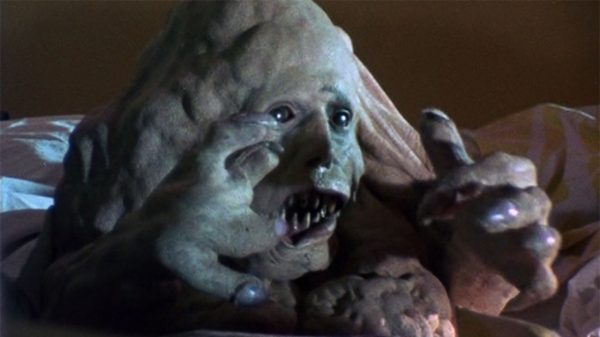
As far as low-rent, micro-budget trashy 1980s horror goes, few films command the enduring cult legacy of Frank Henenlotter’s Basket Case. The ridiculous concept follows Duane Bradley, a seemingly unassuming young man navigating New York City while carrying a locked wicker basket. Inside resides Belial, his horribly deformed, surgically separated conjoined twin. Naturally, the pair embark on a bloody revenge spree against the doctors who separated them.
While the premise sounds like pure B-movie schlock, Basket Case possesses its tongue firmly planted in its cheek. The slipshod, stop-motion, and endearingly crude practical effects add an undeniable layer of charm. Henenlotter’s feature proved that audacity and genuine creativity could compensate for a near-nonexistent budget, eventually spawning a pair of equally demented sequels.
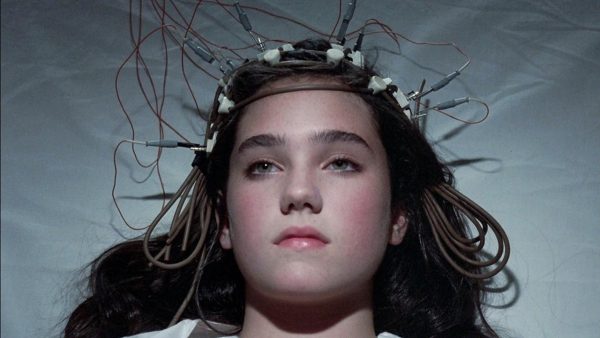
During the 1980s, Italian horror was saturated with outrageous, boundary-pushing genre exercises as filmmakers grew tired of standard Giallo tropes. Dario Argento, already a master of chromatic terror following Suspiria, decided to take even greater creative risks. The result was Phenomena, a monumental achievement in cinematic surrealism even by Argento’s eccentric standards.
The film stars a young Jennifer Connelly as Jennifer Corvino, a troubled girl sent to a Swiss boarding school who discovers she possesses a telekinetic link with insects—allowing her to witness brutal murders through their compound eyes. As if psychic bug-whispering were not enough, the narrative features Donald Pleasence as a wheelchair-bound entomologist accompanied by a highly trained, deeply vengeful monkey butler. Layered with a rock-heavy soundtrack featuring Iron Maiden alongside eerie compositions from Goblin and Simon Boswell, Phenomena makes virtually no logical sense, yet it remains a masterclass in stylish, hallucinatory filmmaking.
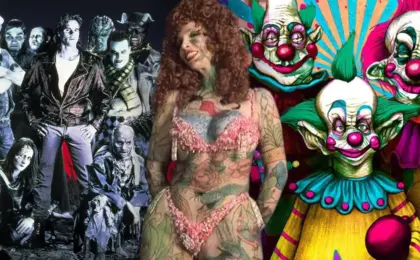
3. Killer Klowns from Outer Space (1988)
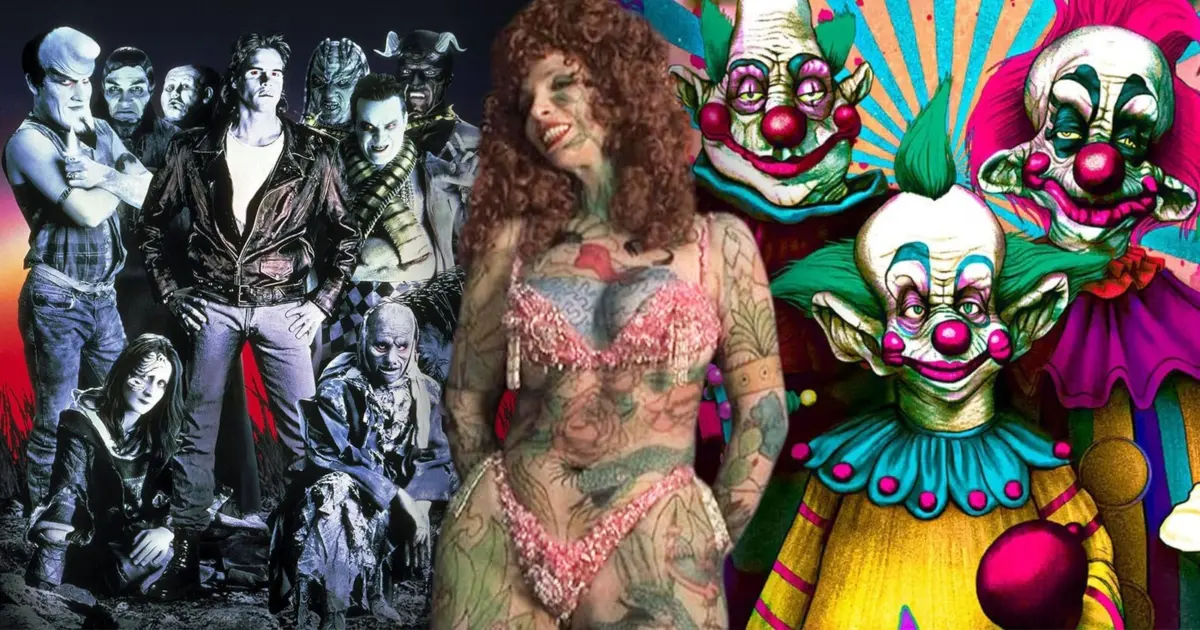
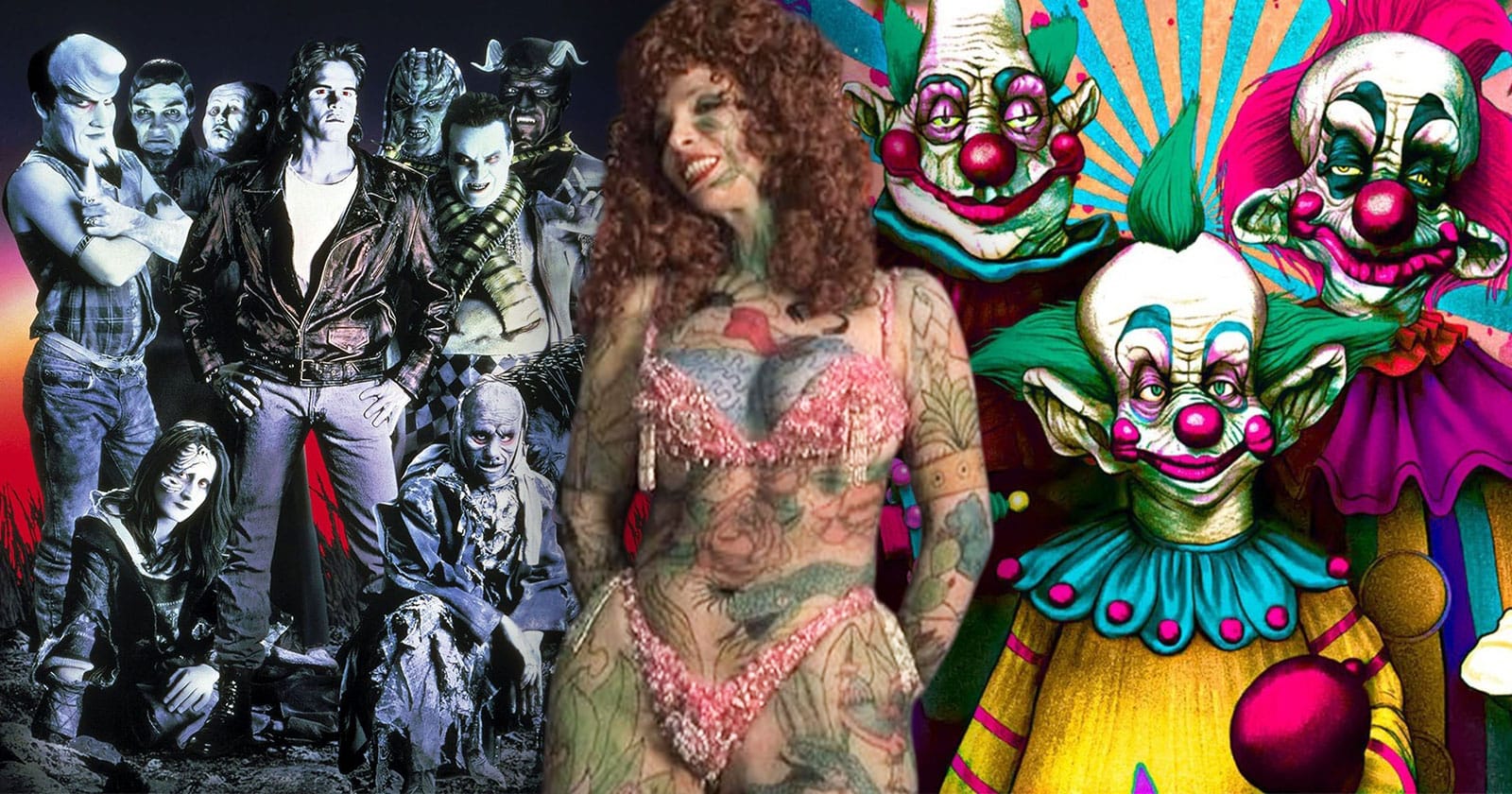
When a circus tent-shaped spaceship lands in a sleepy American town, the blissfully unaware locals discover that the extraterrestrial visitors resemble traditional circus clowns—and they have arrived to harvest, pickle, and consume the human population. Co-creators Stephen and Charles Chiodo spared no imagination in bringing Killer Klowns from Outer Space to life.
As expected from its title, the film refuses to take itself seriously, instead leaning heavily into carnivalesque dark comedy. Featuring a ragtag group of grotesque, distinct "klowns" utilizing popcorn guns, shadow-puppet executions, and acid pies, the film stands as a triumph of practical monster design. Despite long-standing rumors of reboots and sequels, the original standalone feature remains a brilliantly demented slice of 1980s sci-fi horror.
4. Santa Sangre (1989)
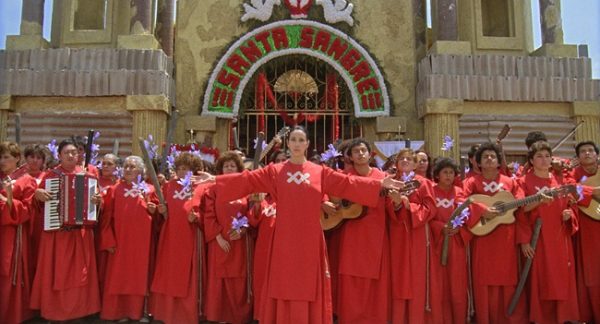
Scored by frequent genre composer Simon Boswell, Alejandro Jodorowsky’s Santa Sangre is a colorful, delirious fantasy-horror that defies easy categorization. The narrative follows Fenix, a former circus artist who escapes a mental asylum to rejoin his armless mother, an intense cult leader. Because she has lost her limbs, Fenix becomes her literal arms, enacting a brutal series of ritualistic murders across Mexico City.
Jodorowsky’s career as an arthouse auteur is famously marked by the legendary projects he never completed (such as his ill-fated adaptation of Dune), but Santa Sangre stands alongside The Holy Mountain as a pinnacle of his visual style. Originally slapped with an NC-17 rating for its transgressive, blood-soaked imagery, Jodorowsky’s masterpiece is an engrossing, deeply disturbing exploration of trauma, motherhood, and psychological fracturing.
5. Nightbreed (1990)
While many midnight movies slip quietly into obscurity, Clive Barker’s Nightbreed arrived with enormous industry anticipation as the author’s big-budget follow-up to his phenomenal directorial debut, Hellraiser. Adapted from his own novella Cabal, the film follows a troubled man named Boone who is led to Midian, an underground sanctuary populated by a diverse society of misunderstood monsters and mutants.
Upon release, Nightbreed faced mediocre reviews and an underwhelming box office performance, largely due to studio interference that compromised Barker’s original cut. In the decades since, however, the film has undergone a massive critical reappraisal. It stands as an absolute triumph of creature makeup, prosthetic design, and imaginative world-building, anchored by horror legend David Cronenberg stepping in front of the camera to play a chillingly calculated human serial killer.
6. Braindead / Dead Alive (1992)
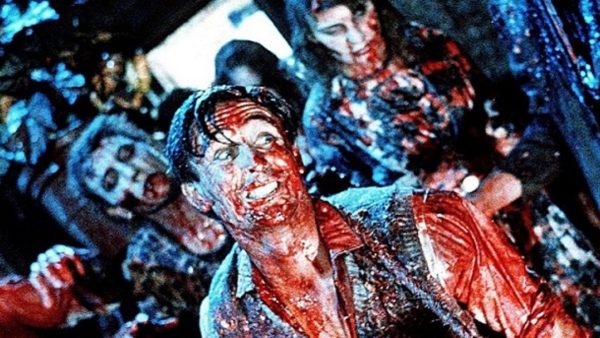
If an aspiring filmmaker is going to construct a gruesome zombie epic on a shoestring budget, they might as well unleash total anarchy. That is precisely what Peter Jackson did with Braindead (released as Dead Alive in North America). Every cent of the production budget is stretched, squeezed, and splattered across the screen in this fiendishly inventive, screwball horror-comedy.
The hapless protagonist, Lionel, finds himself trapped in a escalating zombie outbreak triggered by a cursed Sumatran rat-monkey bite, all while attempting to appease his overbearing mother and maintain a tentative romance with Paquita. Melding gross-out humor, brilliant physical comedy, and hyper-violent set pieces, Jackson directs with boundless, kinetic energy. The film’s legendary lawnmower-wielding finale remains an unmatched pinnacle of comedic carnage.
7. Highway to Hell (1992)
Directed by Ate De Jong, Highway to Hell remains an under-the-radar gem distinguished by exceptional production design and practical makeup effects. The plot follows a sinister "Hellcop" who patrols a mystical desert highway, abducting young travelers and dragging them down to the underworld on behalf of the Devil. When his fiancée is snatched, ordinary guy Chad must venture into Hell itself to save her.
Featuring memorable cameos by Ben and Jerry Stiller alongside performances by Kristy Swanson and Patrick Bergin, the film benefits immensely from C.J. Graham’s menacing portrayal of the unrelenting Hellcop. Hokey, quirky, and packed with wildly inventive visual gags, Highway to Hell is a cult curio that deserves far wider recognition among horror enthusiasts.
8. Tag (2015)
Exploring the wild landscape of modern unhinged horror requires a journey to Japan, where filmmakers have long excelled at weaponizing surrealism. While Nobuhiko Obayashi’s House (1977) remains a towering monument of whimsical terror, Sion Sono’s Tag dials the insanity up to an entirely different frequency.
The film opens with a horrific, hyper-violent sequence that wipes out an entire busload of schoolgirls, leaving protagonist Mitsuko to navigate a reality that constantly shifts and fractures around her. Tag operates as a sub-90-minute frenzy of gorgeous, nightmarish visuals where Sono freestyles with the reckless abandon of an avant-garde jazz musician. It serves as a fascinating stylistic precursor to Sono’s later collaboration with Nicolas Cage, Prisoners of the Ghostland.
9. Mandy (2018)
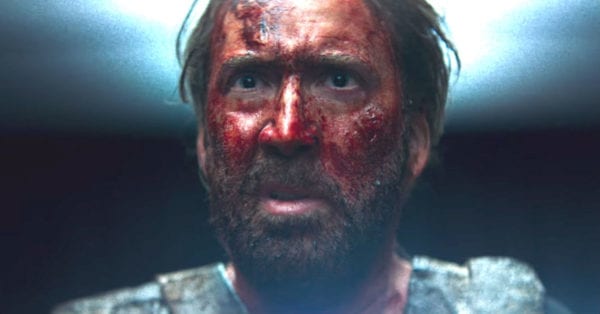
No modern exploration of cinematic madness is complete without the patron saint of unhinged performance: Nicolas Cage. Over the past decade, the actor has enjoyed a triumphant critical renaissance—a cultural phenomenon kicked off in earnest by Panos Cosmatos’s psychedelic revenge nightmare, Mandy.
Set in the shadowy Pacific Northwest wilderness in 1983, the film follows Red Miller (Cage), a logger whose idyllic life with his beloved girlfriend Mandy (Andrea Riseborough) is shattered by a sadistic, acid-dropping religious cult led by the skin-crawling Jeremiah Sand (Linus Roache). Mandy functions as a dreamy, slow-burn journey that transitions from cerebral, synth-laden atmospheric bliss into a garish, neon-drenched realm of pure, unmitigated carnage. Complete with an iconic mid-film bathroom breakdown where Cage screams his grief directly into a bottle of vodka, Mandy is an intoxicating masterwork of modern cult cinema.
10. The Substance (2024)
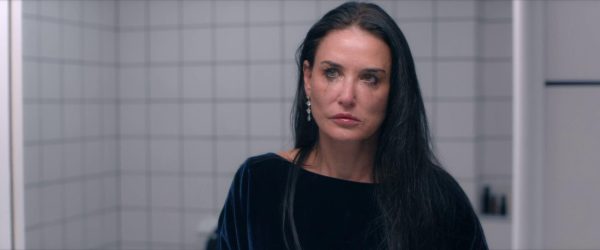
Bridging the gap between body horror and scathing social satire, Coralie Fargeat’s The Substance stands as one of the most uncompromising, high-concept genre films of recent years. Starting with Kubrickian precision and Cronenbergian unease, the narrative follows an aging television fitness star (played in a career-best performance by Demi Moore) who turns to a mysterious black-market medical treatment that spawns a younger, more vibrant version of herself (Margaret Qualley), overseen by a grotesquely exaggerated studio executive played by Dennis Quaid.
Like Mandy, The Substance commits entirely to its director’s singular vision, escalating from psychological tension into an apocalyptic, blood-soaked grand guignol finale. Every frame is meticulously composed, ensuring that its heavy subtext regarding societal aging and female bodily autonomy is delivered with maximum cinematic impact.
Supporting Context & Metrics: The Anatomy of Cult Longevity
What distinguishes these ten films from standard cinematic failures or routine genre entries is their extraordinary staying power within global pop culture. Analyzing their reception reveals distinct patterns in how audiences and critics interact with transgressive art:
The Box Office Paradox: Many of the titles listed—including Basket Case, Nightbreed, and Highway to Hell—underperformed during their initial theatrical windows. Their survival relied entirely on home video distribution (VHS and DVD), midnight screenings, and word-of-mouth recommendations within underground horror communities.
Critical Polarization: Films such as Mandy, Santa Sangre, and The Substance routinely generate polarized reviews upon release. Critics who value traditional narrative cohesion often dismiss them, whereas avant-garde enthusiasts champion their uncompromising stylistic bravery, leading to enduring cult status and high ratings on aggregation platforms like Letterboxd and Rotten Tomatoes.
The Practical Effects Renaissance: In an era dominated by digital CGI, unhinged horror films rely heavily on tactile, practical creature effects, prosthetic blood, and stop-motion animation. This physical craftsmanship anchors their surrealism in a tangible reality that ages remarkably well, cementing their status as timeless collector’s items on physical media (such as 4K Ultra HD re-releases).
Official Statements and Critical Perspectives
The cultural significance of boundary-pushing horror has frequently been addressed by the filmmakers and performers brave enough to bring these nightmares to life.
Reflecting on his approach to cultivating unbridled cinematic energy, director Peter Jackson once noted in an interview regarding the chaotic production of Braindead:
"When you have virtually no money, you can’t afford to be boring. Every single frame has to pack a punch, whether it’s through comedy, gross-out horror, or sheer kinetic speed. You have to throw everything at the screen and trust that the audience’s appetite for chaos is as big as your own."
Similarly, actor Nicolas Cage has frequently spoken about his gravitation toward directors who operate outside conventional Hollywood parameters, particularly when discussing his collaboration with Panos Cosmatos on Mandy:
"Panos has an eye that is entirely his own. He isn’t interested in playing by the rules of conventional storytelling; he wants to paint with emotion, color, and heavy metal fury. When you step into a world like that as an actor, you don’t hold back. You strip away the safety net and let the character’s rage and heartbreak take over completely."
Director Coralie Fargeat has similarly emphasized the necessity of using extreme genre mechanics to address real-world anxieties, stating during festival press runs for The Substance:
"Body horror allows us to externalize the deepest psychological terrors we face in society. By taking physical transformation and societal pressure to their most absurd, grotesque extremes, we force the audience to confront truths that polite cinema usually sweeps under the rug."
Future Outlook: The Evolution of Unhinged Horror
As the horror genre continues to expand into the digital age, the appetite for batshit crazy cinema shows no signs of diminishing. Modern distribution platforms, boutique physical media labels (such as Vinegar Syndrome, Arrow Video, and Second Sight), and streaming services dedicated entirely to horror have created a thriving global marketplace for eccentric filmmakers.
Audiences are increasingly fatigued by predictable franchise fatigue and algorithmic studio filmmaking. In response, independent creators are finding unprecedented freedom to push boundaries, combine disparate genres—such as mixing surrealist body horror with high-art satire or grindhouse camp—and deliver the kind of unfiltered cinematic delirium that defines Shocktober.
Whether you are unboxing a wicker basket containing a vengeful twin, dodging alien clowns armed with popcorn cannons, or watching Nicolas Cage forge a battle-axe under a blood-red sky, these ten masterpieces prove that when horror abandons logic, it achieves true immortality.
What is your favorite crazy horror movie to break out during the spooky season? Let us know your thoughts and recommendations on our social channels @FlickeringMyth…






Belum ada komentar. Jadilah yang pertama berkomentar!