

By Ollie Ring
Senior Editor, Esports News UK
Last Updated: August 18, 2026
Executive Overview
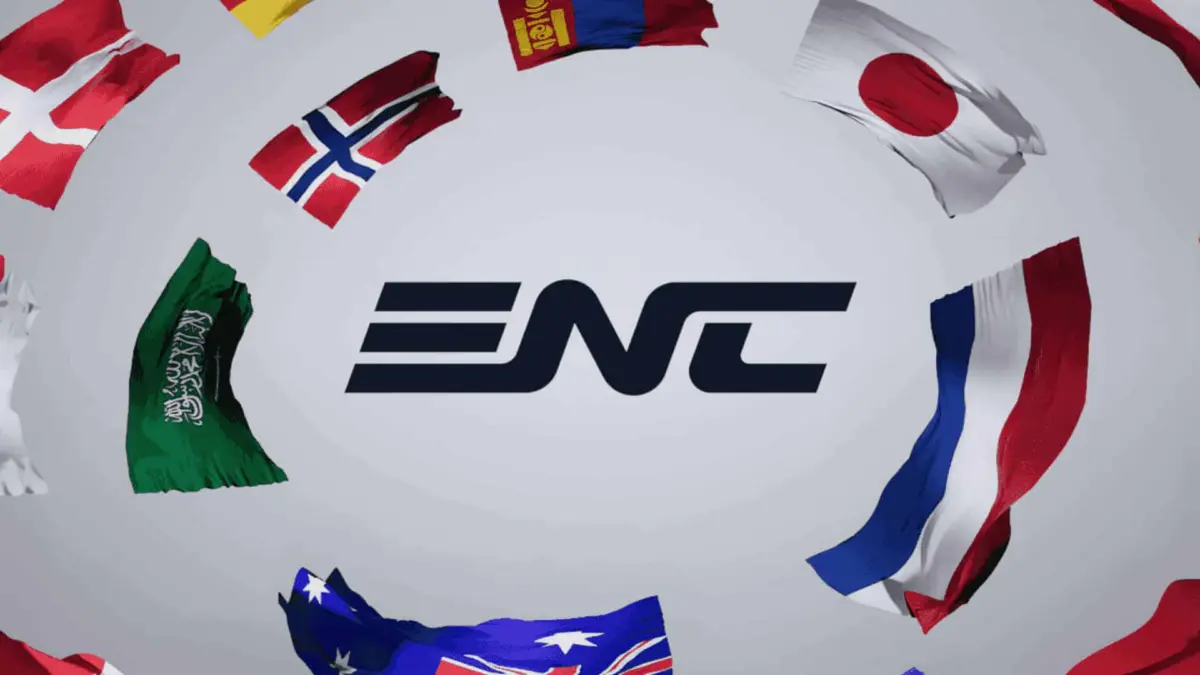
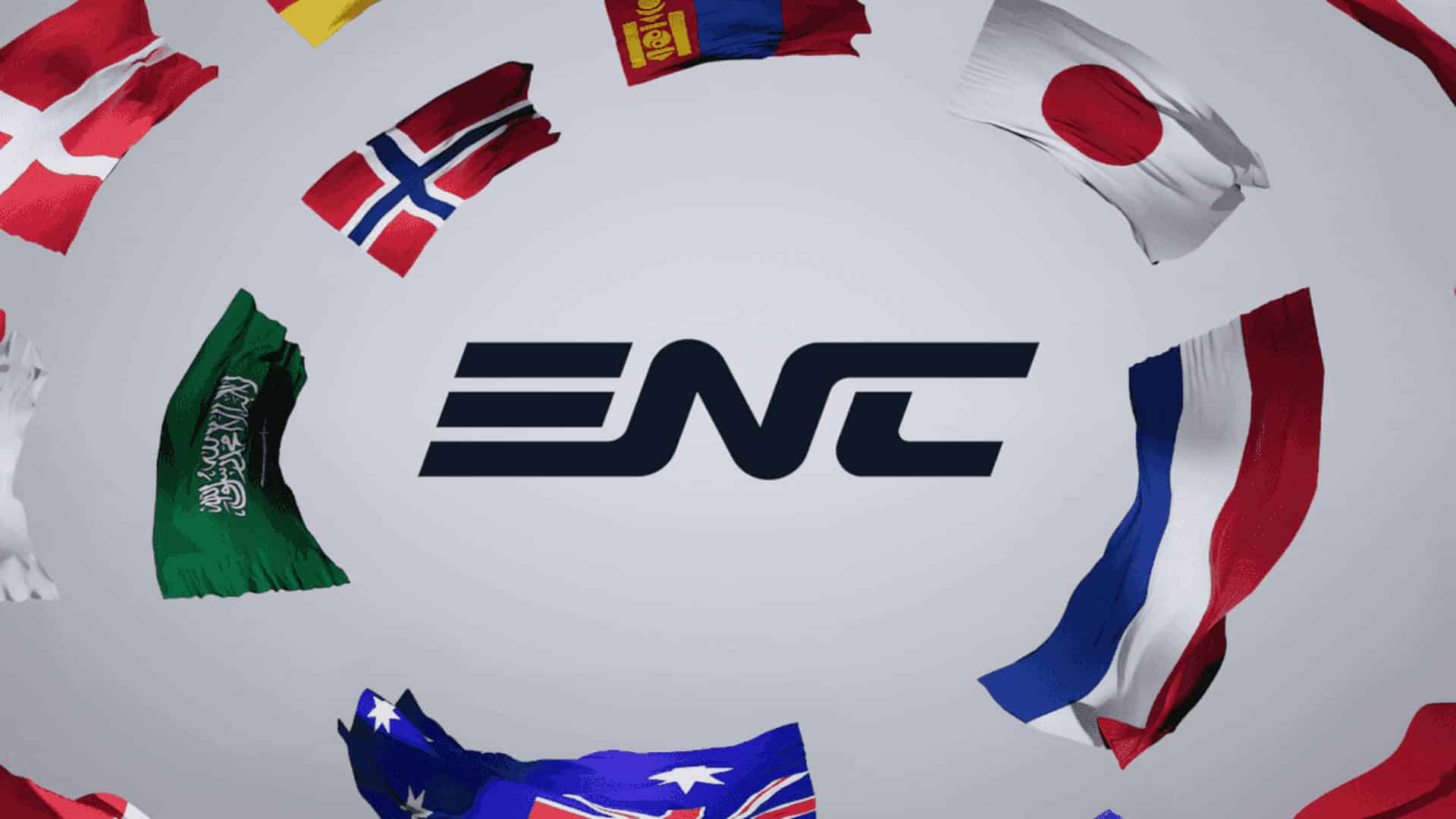
In a sweeping update that reverberates across the international competitive gaming ecosystem, the Esports Foundation has officially announced the postponement of the inaugural Esports Nations Cup (ENC). Originally slated to bring the world’s elite national rosters together in Riyadh, Saudi Arabia, the landmark tournament has been pushed back by a full year. Fans, players, and national organizations—including Team GB—will now have to wait until November 2027 to witness the dawn of this ambitious international competition.
The decision, made public on August 18, 2026, follows a continuous, high-level evaluation of the "wider regional situation" and exhaustive consultations with key industry stakeholders, game publishers, and national federations. While the Esports Foundation’s formal statements remained diplomatic regarding the precise catalysts for the delay, industry analysts widely attribute the rescheduling to the same complex geopolitical and logistical headwinds that previously forced high-profile alterations to other major calendar events, such as the relocation of the Esports World Cup from Saudi Arabia to Paris.
For Great Britain—which has spent the better part of the past year organizing squad selections, executing grueling qualification brackets, and forging commercial partnerships—the delay represents a bittersweet pill to swallow. On one hand, elite UK rosters across Rainbow Six Siege, Rocket League, League of Legends, and Dota 2 must now hold their competitive momentum in stasis for an additional twelve months. On the other hand, the Esports Foundation has confirmed that all existing qualifications—including Team GB’s hard-fought triumph in the EU West Dota 2 qualifiers—will carry over directly to the 2027 main event, ensuring that months of sweat and strategy have not gone to waste.
This comprehensive report examines the background of the ENC postponement, its immediate and long-term implications for Team GB, the financial and structural commitments preserved by the Esports Foundation, and what the extra year means for the burgeoning global landscape of national-team esports.
Detailed Chronology: The Road to the Delay
To understand the weight of the August 18 postponement, one must first look back at the immense institutional effort required to mobilize the inaugural Esports Nations Cup. Conceived as the ultimate international battleground where players compete not under commercial banner organizations, but under their respective flags, the ENC aimed to unify a fragmented competitive landscape in a format reminiscent of traditional sports tournaments like the FIFA World Cup or the Olympic Games.
Months of Preparation and Roster Builds
Over the first half of 2026, National Team Partners across more than 100 countries and territories mobilized. Great Britain was among the most active participants, rolling out exhaustive selection processes designed to curate the absolute best talent the UK scene had to offer.
- May 2026: Team GB officially confirmed its initial competitive rosters for tactical shooter Rainbow Six Siege and high-octane vehicular soccer title Rocket League, signaling the official commencement of the nation’s ENC campaign.
- June 2026: The spotlight turned to the Summoner’s Rift as the UK’s League of Legends squad was revealed. The roster generated immediate excitement and immense credibility within the European community, featuring seasoned veterans and domestic powerhouses such as Jordan "Shikari" Pointon, Matthew "Deadly" Smith, and Raymond "KaSing" Tsang.
- July 2026: The crowning achievement of Team GB’s pre-tournament run materialized on the Dota 2 front. Navigating a brutal bracket through the EU West qualifiers, the British squad—captained and spearheaded by renowned UK broadcast personality Robson "TeaGuvnor" Merritt—battled its way through the lower bracket to secure a coveted, outright slot in the ENC main event alongside Finland.
The Turning Point
As July rolled into August, whispering campaigns within the upper echelons of esports governance began to gain traction. The logistics of assembling more than 100 national delegations, coordinating multi-publisher broadcast rights, and managing international travel amid an evolving regional climate presented mounting hurdles.
Following a series of closed-door assessments with publishers, commercial sponsors, and regional stakeholders, the Esports Foundation reached an inevitable crossroads. Recognizing that forcing a rushed, sub-optimal execution in November 2026 would jeopardize the long-term prestige of the ENC brand, leadership pulled the emergency brake. The official announcement on August 18 permanently shifted the Riyadh showcase to November 2027, granting all participating nations an unexpected, extended runway.
Supporting Context & Metrics: The Team GB Standing
Despite the frustration of a twelve-month hiatus, Team GB enters the newly minted 2027 timeline in a remarkably strong posture. The structural groundwork laid by the UK’s national ecosystem ensures that the nation remains a formidable contender across multiple titles.
Preserved Qualifications and Roster Dynamics
The most critical relief for the British contingent came via the Esports Foundation’s policy regarding earned slots. Unlike traditional tournaments where postponed cycles trigger a complete reset of qualification phases, the Foundation confirmed that competitive milestones already achieved will be grandfathered into the 2027 schedule.
- Dota 2 Triumph Maintained: Team GB’s gritty lower-bracket run in July—orchestrated under the leadership of TeaGuvnor—remains valid. The UK is officially locked into the Dota 2 main event, sparing the roster from the grueling gauntlet of re-qualifying next year.
- Locked-In Talent Pools: High-profile rosters in League of Legends, Rainbow Six Siege, and Rocket League retain their status as the designated national representatives. Names like Shikari, Deadly, and KaSing remain the foundational pillars of the UK’s LoL ambitions, though management will undoubtedly monitor meta shifts and player retirements over the coming year.
Commercial Momentum and the Adidas Partnership
The ENC is not merely a collection of server matches; it is a massive commercial and cultural experiment. Prior to the postponement, the Esports Foundation inked a milestone multi-year partnership with sportswear giant adidas to design and manufacture bespoke national team jerseys for all participating countries.
For Team GB fans, the delay means a temporary hold on adorning the iconic colours and engaging in the customary, lighthearted football-style terrace chants that accompany British esports gatherings. However, the partnership with adidas remains entirely intact, and the extra year provides an extended window for merchandise development, community engagement campaigns, and localized marketing blitzes that could dramatically expand the audience reach of UK esports by late 2027.
Official Statements and Industry Reaction
The decision to move a marquee global event is never taken lightly, particularly when commercial partners and national bodies have already sunk capital and human resources into preparations. Leadership from the Esports Foundation was quick to address community concerns, emphasizing stability and ongoing financial support.
Ralf Reichert on Institutional Commitment
Ralf Reichert, CEO of the Esports Foundation, addressed the postponement with an eye toward long-term sustainability:
"The decision to postpone the Esports Nations Cup was not taken lately. Hosting the tournament in Riyadh next year does not change our commitment. We will continue investing in our National Team Partners, working with publishers and building the national ecosystems already taking shape around the competition."
Reichert’s emphasis on the Esports Development Fund is particularly vital. The Foundation confirmed that existing financial commitments to National Team Partners will remain fully funded and operational throughout the delay. This ensures that smaller, developing national federations—as well as more established ones like Team GB—do not suffer cash-flow interruptions or organizational collapse due to the schedule change.
Navigating the Publisher Landscape
Over the coming weeks, the Esports Foundation is slated to hold direct consultations with game publishers (including Riot Games, Valve, Ubisoft, and Psyonix) to recalibrate the master calendar. Questions remain regarding whether ongoing regional qualification pathways for titles that had not yet finalized their national slots will be frozen, rolled back, or re-run entirely.
Industry analysts note that while game publishers are generally accommodating of international mega-events, aligning a massive multi-game international tournament with existing professional circuits (such as the Dota Pro Circuit, League of Legends EMEA Championship, and Rocket League Championship Series) requires surgical precision. The extra twelve months afford these publishers the necessary breathing room to avoid scheduling conflicts that could dilute player performance or fan viewership.
Future Outlook: What to Expect Between Now and November 2027
As the dust settles on the August 18 announcement, the esports community must pivot from an immediate tournament mindset to a long-term development strategy. The postponement period, while agonizingly long for eager fans, offers several silver linings for the maturation of national esports.
1. Ecosystem Strengthening
With funding secured via the Esports Development Fund, National Team Partners can utilize the extra year to professionalize their domestic operations. For Team GB, this means deeper grassroots scouting, improved training bootcamps, and tighter integration with traditional sports science and mental coaching paradigms.
2. Narrative and Community Building
International esports thrives on rivalries—Britain versus France, North America versus Europe, traditional regional powerhouses clashing under state banners. Media outlets, content creators, and community leaders now have an entire year to build narrative arcs around Team GB’s rosters. Documentaries following the Dota 2 squad’s journey or deep-dives into the League of Legends veteran lineup can transform casual viewers into passionate national supporters.
3. Resolution of Geopolitical and Logistical Roadmaps
The twelve-month buffer gives international governing bodies time to stabilize logistics. Whether the tournament remains anchored to Riyadh, Saudi Arabia, or adapts to a distributed or alternative host structure, the absolute clarity of a November 2027 date removes the ambiguity that plagued the latter half of 2026.
Conclusion
The postponement of the inaugural Esports Nations Cup to November 2027 is undeniably a disruption to the immediate competitive calendar, but it is far from a defeat. By prioritizing stability, preserving earned qualifications (such as Team GB’s stellar Dota 2 qualification run), and honoring financial commitments through the Esports Development Fund, the Esports Foundation has chosen long-term institutional health over rushed execution.
For Team GB, the mission remains clear: protect the rosters, maintain the competitive edge, and use the extra year to forge a deeper connection with the British fanbase. When November 2027 finally arrives, the athletes donning the national colors will step onto the global stage better prepared, commercially backed by giants like adidas, and hungrier than ever to bring international glory home.



Belum ada komentar. Jadilah yang pertama berkomentar!