

Executive Overview
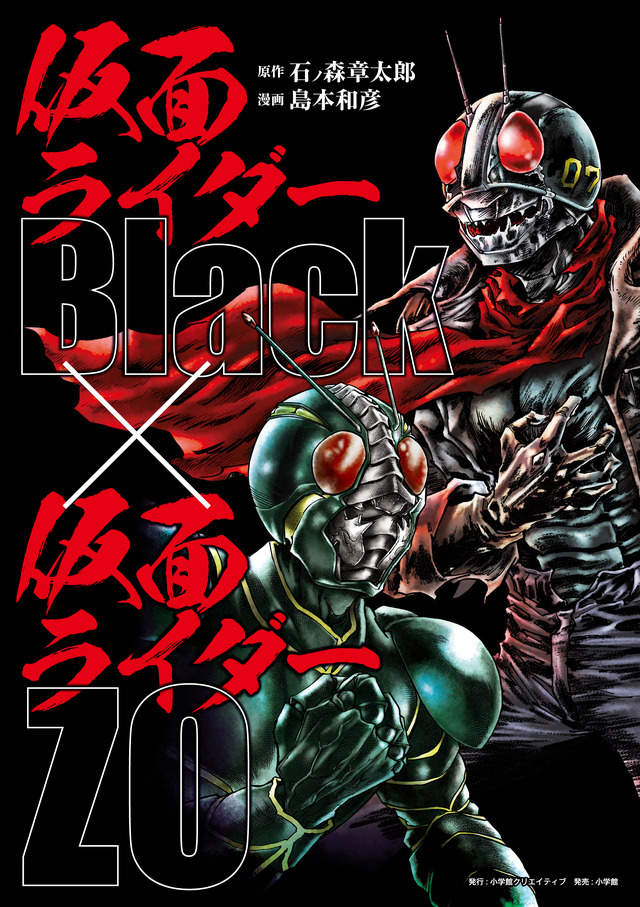
On August 20, 2026, the Japanese publishing landscape witnessed a monumental event in the preservation of pop culture history with the release of Kamen Rider Black × Kamen Rider ZO. Published by Shogakukan Creative and distributed by Shogakukan, this landmark manga compilation unites two of the most emotionally charged and visually arresting manga adaptations in the Kamen Rider pantheon. Crafted by the legendary manga artist Kazuhiko Shimamoto and based on the original concepts of the "King of Manga," Shotaro Ishinomori, this release arrives as a cornerstone celebration of the Kamen Rider franchise’s 55th anniversary.
Since its television debut in 1971, the Kamen Rider franchise has stood as a towering pillar of Japanese tokusatsu (special effects) television. However, its print counterparts—often serialized concurrently in monthly magazines to cross-promote the television broadcasts—possess a distinct, darker artistic identity. Kazuhiko Shimamoto’s interpretations of Kamen Rider Black (originally serialized in the late 1980s) and Kamen Rider ZO (released in 1993) are widely regarded as masterpieces of the medium. They successfully translated the kinetic energy of live-action stunt work into raw, ink-splattered pages of psychological torment and burning heroism.
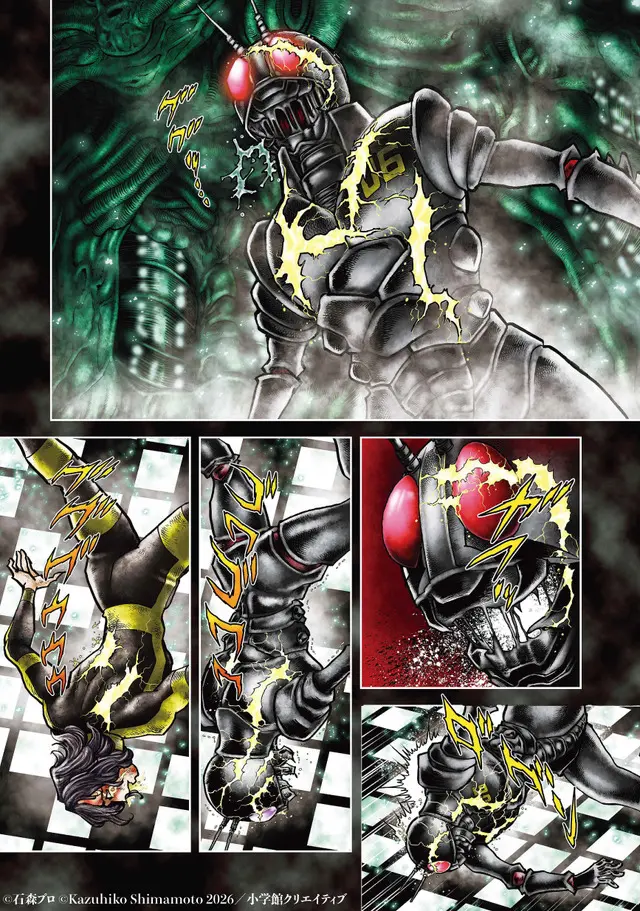
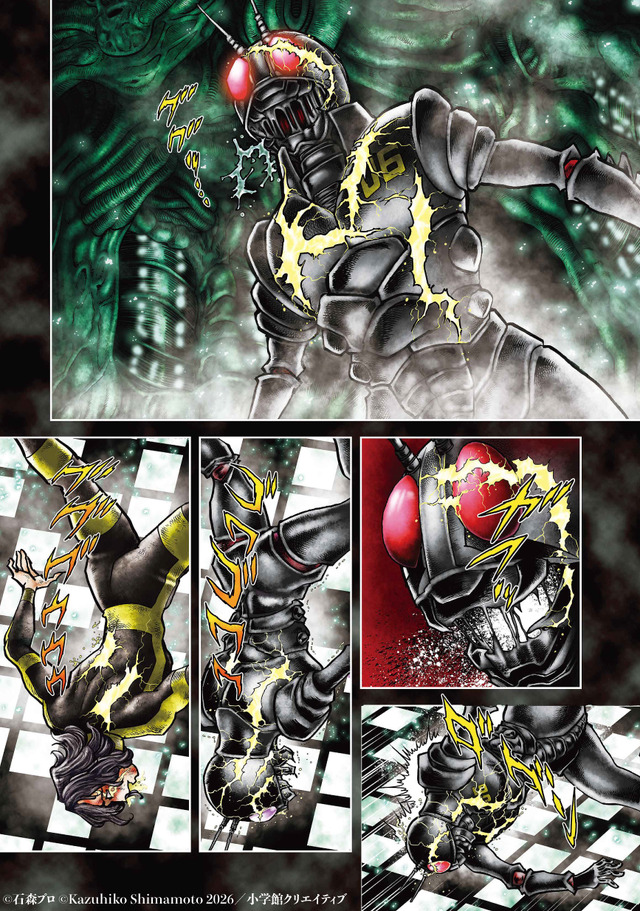
This newly compiled A5-format, 240-page omnibus does not merely repackage vintage material; it serves as a definitive archival restoration. Featuring restored color pages from the original magazine runs, an exclusive four-page full-color prologue drawn specifically for this volume, and an exhaustive 15,000-character dialogue between Shimamoto and Ishimori Pro’s Masato Hayase, the book represents a crucial historical document. Retailing at 2,200 JPY (tax included), the volume bridges the gap between nostalgic preservation and contemporary artistic appreciation, offering both veteran collectors and new readers an unprecedented look into the dark, existential core of the "Modified Human" (Kaizo Ningen) mythos.
Detailed Chronology
To fully comprehend the historical weight of the August 2026 release, one must trace the parallel timelines of the original television broadcasts, their manga counterparts, and the career of Kazuhiko Shimamoto.
[1971] Kamen Rider Franchise Debuts (Shotaro Ishinomori & Toei)
  │
  ├─► [1987] "Kamen Rider Black" TV Broadcast & Shimamoto's Serializations Begin
  │     │
  │     └─► [Late 1980s] Serialization of the spin-off "Imitation 7"
  │
  ├─► [1993] "Kamen Rider ZO" Movie Released; Shimamoto Pens the Acclaimed Manga Adaptation
  │
  └─► [August 20, 2026] Release of the "Kamen Rider Black × Kamen Rider ZO" Archival Omnibus
The Late Showa Era and the Rebirth of Kamen Rider Black (1987)
By the mid-1980s, the Kamen Rider franchise had been dormant on television for several years. In 1987, Toei and Shotaro Ishinomori sought to revitalize the brand for a new generation, culminating in Kamen Rider Black. This series stripped away the lighter, more campy elements of the late-Showa era, replacing them with a tragic, bio-organic narrative centered on stepbrothers Kotaro Minami and Nobuhiko Akizuki, who are abducted by the sinister cult Golgom to become rival candidates for the Creation King.
Recognizing the need for a manga artist who could capture the raw, tragic fury of Ishinomori’s original concepts, publishers turned to Kazuhiko Shimamoto. Known for his explosive, hyper-passionate artistic style (often referred to as Gekiga or "passionate manga"), Shimamoto brought an unmatched emotional intensity to the page. Among his contributions was the highly acclaimed spin-off, Kamen Rider Black Part Imitation 7*, a narrative that explored the existential sorrow of artificial life and the cruel illusion of humanity.
The Neo-Showa Transition and the Cinematic Mastery of Kamen Rider ZO (1993)
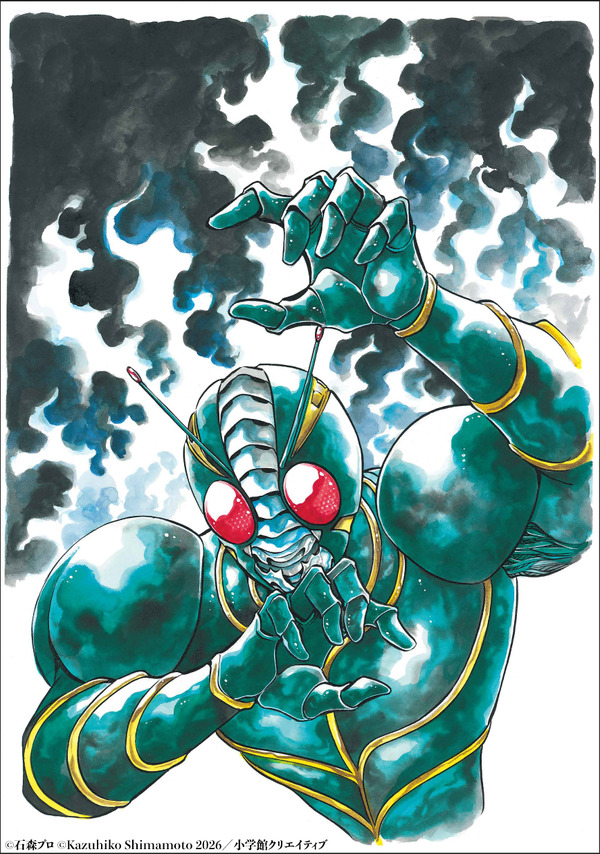
In 1993, to celebrate the 40th anniversary of Toei’s superhero legacy, the film Kamen Rider ZO was released theatrically. Directed by the visionary Keita Amemiya, the film was a marvel of practical effects, stop-motion, and biological horror. It followed Masaru Aso, a young man genetically modified with grasshopper DNA by a mad scientist, who must protect a young boy from the grotesque Neo-Organism.
Shimamoto was tasked with adapting this fast-paced, visually dense film into a single-volume manga. Rather than producing a simple scene-by-scene adaptation, Shimamoto expanded the psychological dimensions of Masaru Aso’s character. He highlighted the physical agony of transformation and the profound alienation felt by a man who is no longer human, yet must fight to protect humanity.
The Decades of Rarity and the 2026 Resurrection
For decades, original magazine printings and early tankobon (standalone volume) editions of Shimamoto’s Black spin-offs and ZO were highly sought-after collector’s items, often commanding exorbitant prices on the secondary market. As the franchise approached its 55th anniversary in 2026, Shogakukan Creative initiated a comprehensive restoration project. The objective was clear: compile these seminal works into a high-grade, single-volume format that preserved the original magazine colors and integrated new, exclusive material to contextualize the works for the modern era.
Supporting Context & Technical Specifications
The August 2026 release is meticulously designed to satisfy both the aesthetic standards of manga purists and the intellectual curiosity of pop-culture historians.
Physical and Editorial Specifications
- Kamen Rider Black × Kamen Rider ZO (【仮面ライダーBlack × 仮面ライダーZO】)
- Original Concept/Creator: Shotaro Ishinomori (石ノ森章太郎)
- Manga/Illustration: Kazuhiko Shimamoto (島本和彦)
- Format: A5 size (148 mm × 210 mm), softcover (並製)
- Page Count: 240 pages
- Price: 2,200 Yen (including 10% Japanese consumption tax)
- Release Date: August 20, 2026
- ISBN Code: 978-4-7780-3386-6
- Publisher: Shogakukan Creative (小学館クリエイティブ)
- Distributor: Shogakukan (小学館)
| Feature | Details | Historical Significance |
|---|---|---|
| Opening Pages | 4-Page Full-Color Prologue | Newly drawn by Shimamoto specifically for this 2026 release to bridge the two narratives. |
| Color Restoration | Magazine-Authentic Color Pages | Replicates the original, vibrant duo-tone and full-color palettes from the late 1980s and 1993 serializations. |
| Supplemental Text | 15,000-Character Joint Interview | Deep-dive conversation between Kazuhiko Shimamoto and Ishimori Pro’s Masato Hayase. |
| Archival Rarity | First-time Tankobon Collections | Includes rare promotional illustrations and short-run chapters never before compiled in standard book format. |
The Significance of the 15,000-Character Dialogue
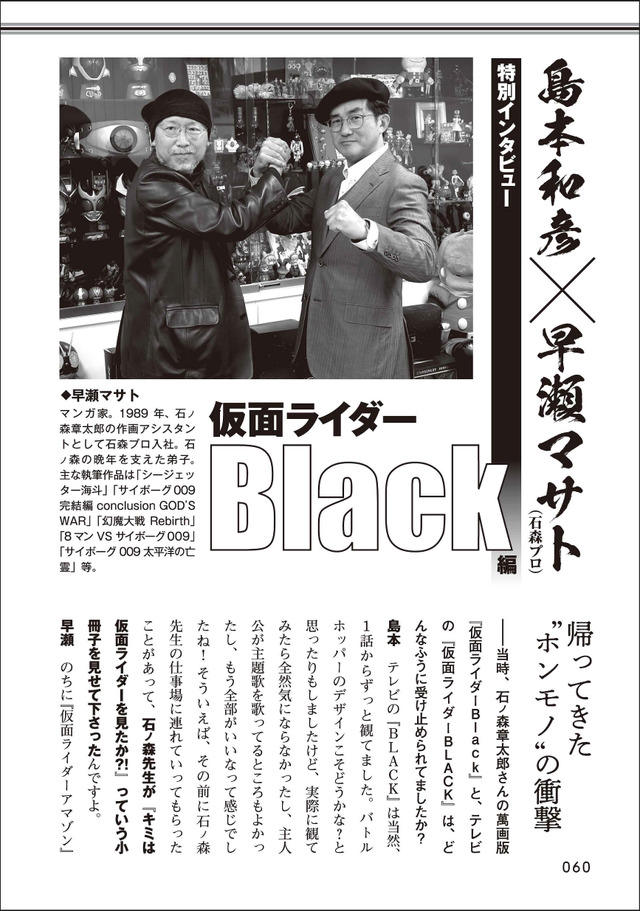
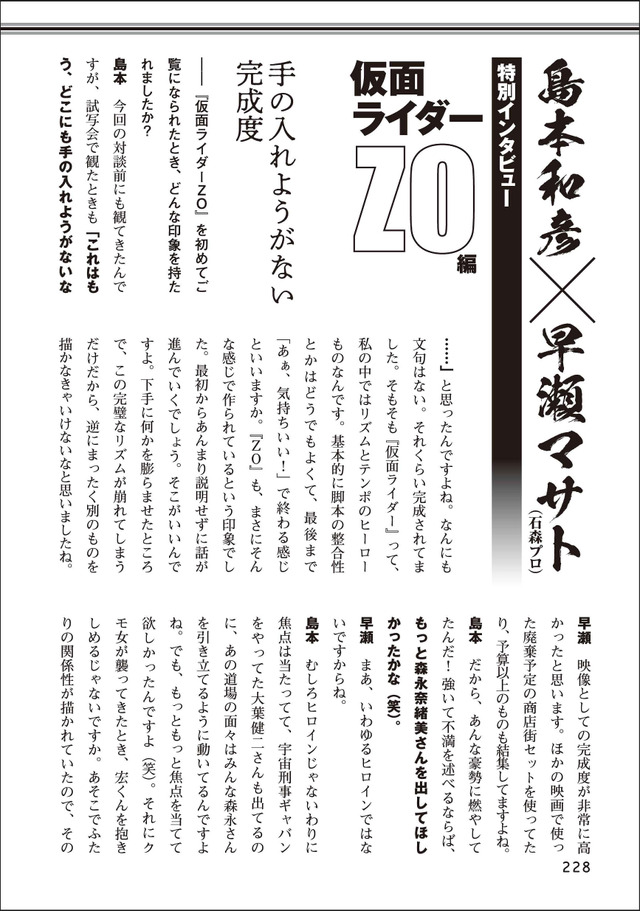
A major highlight of this release is the massive, two-part interview (split into "Black Chapter" and "ZO Chapter") featuring Kazuhiko Shimamoto and Masato Hayase of Ishimori Productions. Hayase, who worked closely with Shotaro Ishinomori during his final years and continues to safeguard the creative integrity of the franchise, provides crucial historical context.
This discussion dives deep into:
- The Creative Friction: The artistic challenges of translating Keita Amemiya’s dark, bio-organic cinematic designs into high-contrast black-and-white manga pages.
- The Ishinomori Philosophy: How Ishinomori’s personal anxieties regarding technological advancement and environmental degradation influenced the subtext of both Black and ZO.
- The Art of the "Gekiga" Transformation: Shimamoto’s reflections on his intense, feverish drawing process during the late 80s and early 90s, characterized by his signature bold brushstrokes and expressive facial close-ups.
Official Statements and Critical Analysis
The Artistic Philosophy of Kazuhiko Shimamoto
Kazuhiko Shimamoto’s style has always been characterized by an unyielding, almost theatrical passion. In commentaries surrounding the release, the editorial team at Shogakukan Creative emphasized the unique positioning of Shimamoto within the Kamen Rider legacy:
"Shimamoto-sensei does not merely draw action; he draws the soul’s scream. In ‘Kamen Rider Black’ and ‘Kamen Rider ZO,’ the transformation is not a heroic power-up; it is a painful, scarring process. The weight of being a savior while carrying the body of a monster is etched into every line of his work. This book captures that tragedy in its purest form."
Critical Analysis of the Narrative Themes
The compilation highlights two specific narrative threads that define the darker side of the franchise:
1. Kamen Rider Black Part Imitation 7*
This storyline is a masterclass in psychological sci-fi. It explores the concept of the "Imitation"—false heroes created to deceive the public and break the spirit of the true Rider. Shimamoto uses this premise to examine identity and existential dread. What defines a "human"? Is it the biological body, or is it the choices one makes? Kotaro Minami’s struggle against these manufactured doppelgangers serves as a grim metaphor for his own stolen humanity.
2. Kamen Rider ZO
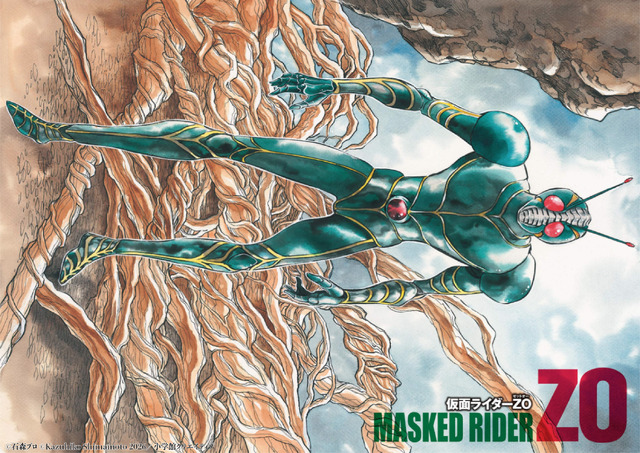
In the ZO adaptation, the focus shifts to the relationship between the modified human and nature. Unlike many Showa-era Riders who were modified by evil organizations seeking world domination, Masaru Aso was modified by his own mentor, a man driven mad by the pursuit of the "perfect organism." Shimamoto’s illustration of the Neo-Organism is terrifyingly fluid, emphasizing the horror of science completely detached from human empathy.
Future Outlook
The release of Kamen Rider Black × Kamen Rider ZO on August 20, 2026, sets a significant precedent for the manga publishing industry, particularly in how classic tokusatsu-adjacent literature is archived and presented to modern audiences.
The Preservation of Tokusatsu Manga Heritage
Historically, manga adaptations of live-action tokusatsu properties were viewed as ephemeral marketing materials, often discarded or forgotten once the corresponding television show finished its run. However, as the global manga market continues to mature, there is a growing academic and collector demand for high-end, archival-quality releases. Shogakukan Creative’s meticulous restoration of original magazine color plates and the inclusion of extensive historical commentary demonstrate a shift toward treating these adaptations as vital works of art in their own right.
Anticipated Impact on the 55th Anniversary and Beyond
As the Kamen Rider franchise celebrates its 55th anniversary throughout 2026, this volume is expected to catalyze further archival projects. Rumors within the publishing industry suggest that other out-of-print tokusatsu manga adaptations from the Showa and Heisei eras may receive similar deluxe treatments.
Furthermore, the release serves as a powerful reminder of the enduring genius of Shotaro Ishinomori. By filtering Ishinomori’s foundational concepts through the passionate, uncompromising lens of Kazuhiko Shimamoto, Kamen Rider Black × Kamen Rider ZO stands not just as a nostalgic relic of the past, but as a living, breathing testament to the timeless tragedy and triumphant spirit of Japan’s greatest masked heroes.



Belum ada komentar. Jadilah yang pertama berkomentar!