Across rural Japan, the quiet echoes of a shifting demographic landscape are reverberating through empty corridors. Driven by a persistent and accelerating decline in the national birthrate, local municipalities are grappling with the painful closure of hundreds of public schools annually. These institutions—once the vibrant hubs of community life, childhood socialization, and local pride—frequently sit abandoned, posing significant financial and logistical burdens on local governments.
Yet, within the picturesque coastal municipality of Kyonan, nestled in Chiba Prefecture just south of Tokyo, a compelling counter-narrative has emerged. Rather than resigning itself to abandonment and decay, the former Hotada Elementary School has undergone a remarkable civic transformation. Today, the campus functions as a multifaceted tourist attraction, commercial marketplace, dining destination, and overnight accommodation facility known as Michi no Eki (Roadside Station) Hota Elementary School.
By repurposing historic classrooms into boutique retail spaces, transforming the gymnasium into an expansive farmers’ market, and converting student dormitories or private rooms into nostalgic overnight lodgings, community leaders have successfully preserved the architectural and cultural heritage of the school. This ambitious adaptive reuse project not only addresses the economic fallout of rural depopulation but also offers a living museum experience, allowing domestic and international travelers to step directly into the world of a classic Japanese television drama. This report provides an in-depth examination of Hotada Elementary School’s structural evolution, its economic impact on Kyonan, the nuances of its visitor offerings, and its role as a pioneering model for rural revitalization in aging societies.
Detailed Chronology
The journey of Hotada Elementary School from a traditional house of learning to a celebrated commercial and cultural landmark reflects a carefully calculated, multi-phase adaptive strategy executed by local stakeholders, municipal authorities, and regional entrepreneurs.
Phase 1: The Twilight of Traditional Education
For decades, Hotada Elementary School served as the educational cornerstone for families in Kyonan-cho, Awa-gun. Generations of local children walked its sunlit hallways, attended assemblies in its gymnasium, and participated in community events centered around the campus grounds. However, the cumulative pressures of Japan’s demographic crisis—marked by shrinking youth cohorts and rural-to-urban migration—ultimately rendered the school unsustainable. Facing dwindling enrollment numbers that made both academic and social instruction impractical, municipal authorities made the difficult decision to shutter the institution.
Rather than allowing the property to fall into disrepair, local officials recognized that the sprawling campus possessed untapped potential. The solid reinforced concrete structures, central location, and profound nostalgic value presented a unique canvas for economic reinvention.
Phase 2: Architectural Adaptation and Spatial Reimagining
The transformation of the campus required a delicate balance between modern commercial compliance and historical preservation. Planners sought to retain the tangible markers of mid-to-late 20th-century Japanese school architecture while outfitting the interior spaces for contemporary public use.
Administrative Transition: The former staff office on the first floor was repurposed into the central information hub. Here, municipal staff and tourism ambassadors—styled playfully as approachable educators—welcome visitors with regional transit guides and Chiba sightseeing itineraries.
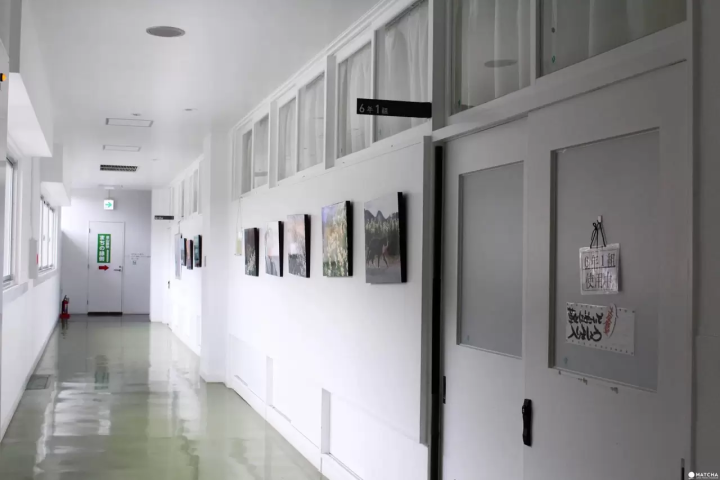
Classroom Commercialization: Standard classrooms along the main corridors were systematically cleared of traditional desks and converted into specialty boutiques, dining venues, and artisanal workshops. Windows lining the hallways were deliberately kept transparent, allowing visitors to peer into the rooms and observe a seamless blend of heritage architecture and vibrant commercial activity.
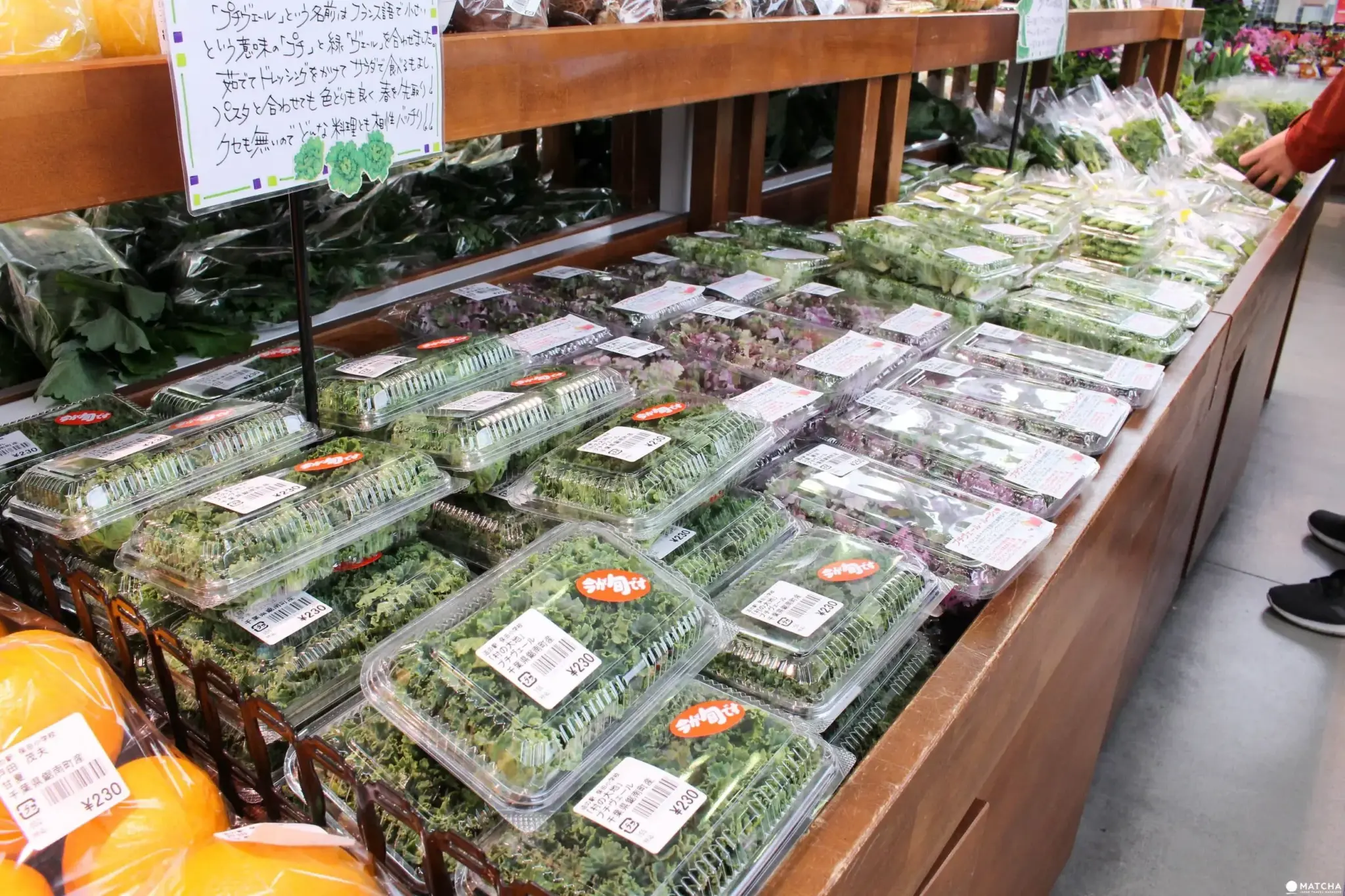
The Gymnasium Marketplace: Recognizing the need for a high-volume public gathering space, the school gymnasium was completely overhauled. It was renamed Kyonan Rakuichi and designed to function as an indoor agricultural bazaar, bringing together local farmers, fishers, and artisans under one roof.
Phase 3: Launching the Overnight Stay Experience
To maximize economic yield and offer a truly immersive cultural product, the project expansion included residential conversion. Select classrooms were retrofitted into private overnight guest rooms. This allowed travelers to sleep within the historical footprint of a Japanese school, complete with chalkboards for guest messages, traditional corridor layouts, and communal public bathhouse facilities. This hospitality integration shifted Hotada Elementary from a simple daytime roadside rest stop into a fully fledged destination resort.
Supporting Context & Metrics
The success of Hotada Elementary School must be contextualized within the broader socio-economic challenges confronting rural Japan, as well as the specific economic metrics governing its operation.
The Demographic Imperative
Japan’s demographic trajectory is well-documented. With fertility rates remaining well below the replacement level of 2.1 and a rapidly aging populace, the Ministry of Education, Culture, Sports, Science and Technology (MEXT) reports that hundreds of public schools close permanently every year. These closures trigger a domino effect in rural towns: property values decline, young families hesitate to relocate to depopulated areas, and local economies lose their primary social anchors.
Projects like Hotada Elementary represent a vital economic countermeasure. By transforming a liability into an asset, Kyonan has created employment opportunities, stimulated micro-entrepreneurship, and drawn tourist revenue directly into a rural pocket of Chiba Prefecture.
Operational Metrics and Pricing Structure
The economic accessibility of Hotada Elementary is a key driver of its widespread popularity among families and budget travelers. The facility operates on a transparent, tiered pricing model designed to encourage multi-night stays and group travel:
Standard Rooms (Accommodating 2 to 4 guests):
Adults: ¥4,000 per night
Elementary Students: ¥3,200 per night
Children (Ages 3 to Preschool): ¥2,000 per night
Infants (Under 3): Free
Group Rooms (Accommodating 5 to 15 guests):
Adults: ¥3,500 per night
Elementary Students: ¥2,700 per night
Children (Ages 3 to Preschool): ¥1,500 per night
Infants (Under 3): Free
Dining Tariffs (Advance Reservation Required):
Breakfast: Adults/Elementary Students: ¥850; Preschoolers: ¥350 (rice, soup, and side dishes); Infants: Free.
Operational Caveat: To maintain room viability, overnight bookings require a minimum occupancy of two guests; single-occupancy reservations are currently unavailable.
Retail and Culinary Offerings
The economic engine of the campus is driven by high turnover in the retail and food sectors. Kyonan Rakuichi generates substantial revenue for local agriculturalists by marketing farm-fresh produce at prices significantly lower than those found in metropolitan supermarkets. Specialty products, such as Chiba’s famous peanut-based goods (including artisanal peanut butter and savory-sweet P-miso), themed merchandise featuring the regional mascot CHI-BA+KUN, and novelty items like randoseru (school backpack) packaged baumkuchen cakes, serve as high-margin souvenirs that appeal to nostalgic domestic travelers.
Official Statements
While municipal authorities and tourism boards have hailed the project as an unmitigated success, urban planners and community development experts continue to analyze the underlying mechanics that make such adaptive reuse viable.
Municipal representatives emphasize that the primary goal of the Hotada Elementary initiative was not merely commercial profitability, but the preservation of community identity. In official civic planning briefs, local stakeholders have noted:
"When a school closes in a rural Japanese town, it feels as though the future of the community is being dismantled piece by piece. Our mandate with Hotada Elementary was to honor the emotional capital invested by generations of residents while establishing a self-sustaining economic model. By repurposing classrooms into storefronts and guest quarters, we haven’t erased the past—we have given it a sustainable future."
Hospitality analysts monitoring rural revitalization projects point out that the school leverages a powerful psychological phenomenon: collective nostalgia. An industry spokesperson observed:
"Modern travelers are increasingly seeking experiential tourism that evokes emotional resonance. Hotada Elementary taps into a shared cultural memory of Japanese school life that millions of citizens recognize from television and personal experience. By allowing adults to sit at miniature wooden desks, write on chalkboards, and sleep beneath high ceilings in former classrooms, the facility transforms architecture into an emotional touchstone."
Future Outlook
As Japan’s demographic pressures continue to mount, the imperative to find creative solutions for abandoned public infrastructure will only intensify. Hotada Elementary School has established a robust blueprint that is now being studied and replicated by regional governments across the Chiba Prefecture and beyond.
Scalability and Replication
The success of the "School as a Roadside Station" (Michi no Eki) concept demonstrates that rural depopulation does not have to spell economic doom for municipal assets. Future iterations of this model are expected to incorporate advanced sustainability features, including solar energy integration to offset operating costs and expanded digital co-working spaces to attract remote workers seeking rural retreats close to Tokyo.
Tourism Integration and Seasonal Synergy
Looking ahead, regional tourism planners aim to couple the architectural appeal of Hotada Elementary with surrounding natural attractions. The campus serves as an ideal base camp for visitors exploring the early-blooming Yoritomo cherry trees that line the nearby Hotada River, which reach peak bloom every March. By synchronizing commercial promotions with seasonal agricultural harvests and botanical festivals, the facility is poised to maintain year-round foot traffic.
Ultimately, Hotada Elementary School stands as a testament to human resilience and creative adaptation. By bridging the gap between historical preservation and modern commercial enterprise, the campus has successfully redefined what it means for a school to graduate its community into a prosperous new era.









Belum ada komentar. Jadilah yang pertama berkomentar!