

Executive Overview
Just a two-hour drive from the kinetic, neon-drenched arteries of central Tokyo lies an entirely different dimension of Japanese geography and culture. Southern Chiba—encompassing historic and coastal hubs such as Kamogawa, Kisarazu, Katsuura, Chikura, and Kyonan Town—serves as the quintessential weekend sanctuary for capital residents. Surrounded dynamically by both the rugged expanse of the Pacific Ocean and verdant, undulating mountain ranges, this peninsula offers a dramatic landscape characterized by sheer sea cliffs, vibrant seasonal flora, and an unrivaled maritime harvest.
Despite its geographic proximity to one of the world’s most populous metropolitan areas, southern Chiba operates at a restorative, deliberate pace. For the discerning traveler seeking an authentic road trip itinerary away from the well-trodden tourist corridors of Kyoto and Hakone, the region presents a compelling portfolio of natural wonders, deep-rooted local hospitality, and innovative regional revitalization projects. This comprehensive investigative travel guide details an optimized three-day itinerary designed to navigate the peninsula’s premier destinations while unpacking the socioeconomic and cultural currents shaping modern Chiba.
Detailed Chronology: A Three-Day Road Trip Itinerary
Day 1: Transitioning from the Urban Grid to Pacific Vistas
- Suggested Route: Tokyo to Kamogawa (Approx. 2-hour drive)
- Lodging: Kamogawa Hot Spring Ryokan (Includes traditional breakfast and multi-course seafood dinner)
The psychological transition from Tokyo’s hyper-dense cityscape to the wide horizons of Chiba is best experienced from behind the wheel. Given the transit logistics, the inaugural day of the itinerary is deliberately paced to allow the shifting topography—from concrete sprawl to rolling green hills and deep-blue coastal waters—to reset the traveler’s rhythm.
Nomizo Waterfall: Architectural Illusion and Natural Wonder
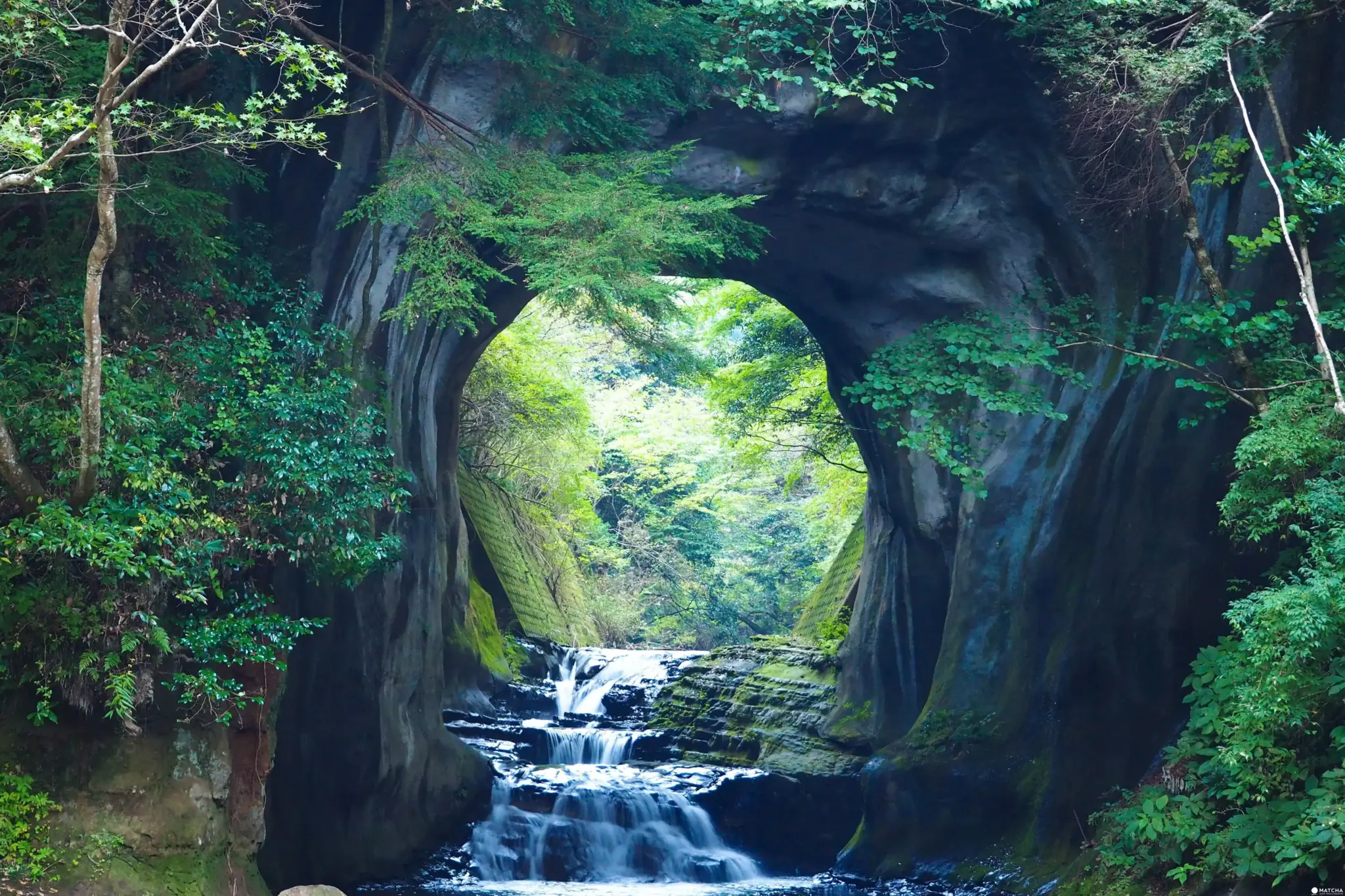
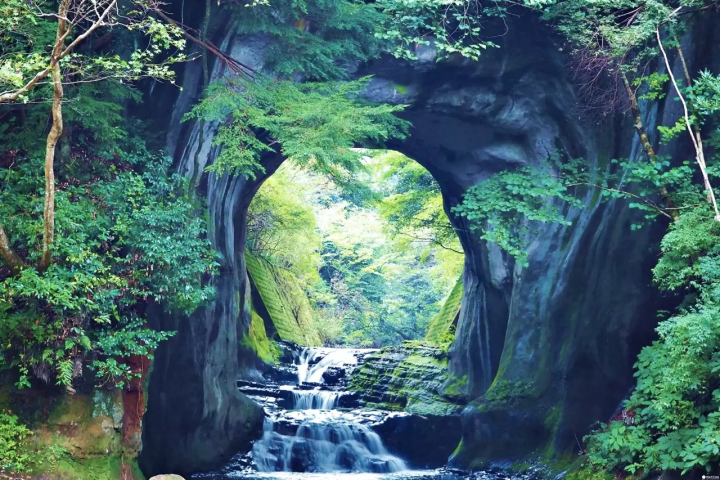
The journey’s first major milestone is the ethereal Nomizo Waterfall, located within the lush interior of Kimitsu on the approach to Kamogawa. Nomizo catapulted to digital fame after high-resolution photographs of its unique geological formation went viral across social media platforms, transforming a quiet local retreat into a destination for travelers worldwide.

The primary attraction centers on a man-made tunnel carved during the Edo period to reroute a river for agricultural irrigation. When conditions align—specifically during the early morning hours at certain times of the year—direct sunlight streams precisely through the cave’s opening, casting a luminous, heart-shaped reflection upon the water’s surface. Complete with adjacent hot spring facilities and rustic souvenir kiosks, Nomizo sets an enchanting, almost otherworldly tone for the road trip ahead.
The Golden Blankets of Kamogawa’s Canola Fields
As the route descends toward the coast of Kamogawa, agriculture gives way to vibrant swaths of color. Visiting Kamogawa in early spring reveals an astonishing visual transformation: the annual Nanabatake Road event blankets over eight acres of rural countryside in brilliant, golden fields of blooming canola flowers (nanohana).

The community-driven initiative invites visitors to immerse themselves directly in the agricultural landscape, offering fresh flower sales, flower-picking experiences, and rental bicycles designed for leisurely rides along the perimeter of the fragrant, sunlit fields.
Coastal Reprieve: Oceanfront Cafes and Ryokan Hospitality
Reaching the Pacific shoreline calls for a reflective pause. Coastal Kamogawa boasts a relaxed surf culture paired with quiet aesthetic sensibilities. Establishments such as the Earth Tree Cafe offer organic, health-conscious light meals served within a warm, wood-paneled interior that evokes the rustic charm of a mountain cabin, all while framing panoramic views of the ocean waves.

By late afternoon, travelers check into a traditional hot spring ryokan. These accommodations anchor the Chiba hospitality experience, providing mineral-rich thermal waters designed to dissolve travel fatigue. Dinner is an elaborate, multi-course affair showcasing the region’s unmatched maritime bounty—featuring hyper-local catches such as sweet abalone, succulent scallops, and prized spiny lobsters (ise-ebi).
Day 2: Maritime Traditions, Morning Markets, and Marine Life
- Suggested Route: Kamogawa to Katsuura and return; overnight in Kamogawa
- Lodging: Kamogawa Hot Spring Ryokan
Day two begins before dawn to capture the beating heart of Chiba’s coastal culture, moving from historic morning marketplaces to rugged clifftop trails and world-class marine exhibits.

The Culinary Wealth of Chiba’s Morning Breakfasts
Mornings at Kamogawa hot spring hotels establish a high gastronomic standard. Comprehensive Japanese and Western breakfast buffets highlight hyper-local ingredients, ranging from crisp seasonal vegetables harvested from nearby farms to thick slices of sashimi served proudly at breakfast—a testament to the immediate proximity of the fishing ports.
Katsuura Morning Market: A Living Heritage
Driving north along the coastline leads to Katsuura, home to the renowned Katsuura Morning Market. Recognized widely as one of Japan’s top three historic morning markets and colloquially dubbed "the kitchen of Chiba," this centuries-old trading post sits just steps from the active harbor.

Stalls overflow with the morning’s fresh marine haul, alongside locally grown root vegetables, handmade preserves, and artisanal snacks. The true value of the market, however, lies in the interpersonal exchange; interacting with the seasoned vendors—many of whom have operated their stalls for decades—offers an unscripted, highly authentic window into the region’s social fabric and coastal hospitality. Visitors are advised to arrive early, as vendors historically pack up their wares by late morning.
Culinary Adaptation: Katsuura Tan-Tan Men
No exploration of Katsuura is complete without sampling its signature comfort food: Katsuura Tan-Tan Men. Diverging sharply from traditional sesame-based Chinese dan-dan noodles, this fiery local variant was originally engineered decades ago to warm up local fishermen and free-divers returning from cold winter waters. The dish features a rich, crimson chili-oil broth loaded generously with sweet chopped onions and minced pork, delivering a savory, complex heat that lingers delightfully.

Ubara Risokyo: Sculpted Coastal Cliffs
A brief twelve-minute drive inland from the market reveals Ubara Risokyo, a dramatic, quiet coastal nature park carved into the jagged cliffs overlooking the Pacific. A leisurely thirty-minute walking trail winds through pine forests and coastal flora, culminating at the windswept summit of the cape. Here, uninterrupted horizon views and the roar of ocean swells crashing against the erosion-sculpted rock formations provide a profound sense of isolation and natural grandeur.
Kamogawa Sea World: Marine Education and Spectacle
Returning southward, the afternoon is dedicated to Kamogawa Sea World, a premier marine park and educational facility that balances family entertainment with marine conservation. The park is internationally celebrated for its dynamic performances featuring killer whales (orcas), bottlenose dolphins, and sea lions, alongside expansive indoor and outdoor exhibits simulating natural marine ecosystems. Daily schedules vary, making advance itinerary coordination essential.

Day 3: Creative Revitalization, Mountain Panoramas, and Retail Therapy
- Suggested Route: Kamogawa through Chikura, Kyonan, and concluding at Kisarazu
The final leg of the journey traces Chiba’s western and northern routes, exploring themes of rural reinvention, historical preservation, geological majesty, and contemporary retail architecture.
Shiokaze Kingdom and the King Seafood Bowl
Heading southwest toward Chikura, the route passes the roadside station (michi-no-eki) Shiokaze Kingdom. Situated adjacent to the Senda Coast, the station invites visitors during low tide to roll up their pant legs and wade in the shallow, crystalline tide pools, while the neighboring Senda Flower Garden bursts with seasonal blossoms.

Parked near the shoreline is the Dai-Ichi Chikura-maru, a historic commercial fishing vessel preserved as a monument to the town’s golden era of saury and mackerel harvesting during the Showa period (1926–1989). Climbing aboard offers elevated views across the rugged coastline.
For lunch, the on-site restaurant Hanabusa serves an astonishing array of seafood, ranging from classic sashimi rice bowls to oversized fried conger eel (anago). The undisputed culinary centerpiece is the "King Seafood Bowl"—a towering, highly limited offering priced at 5,000 yen that features over ten distinct varieties of sashimi crowned by a whole spiny lobster. Due to its meticulous preparation and limited daily allocation of twenty servings, it functions ideally as a shared gastronomic centerpiece.

Mount Nokogiri: Geological Drama and Historic Quarries
Continuing northward into Kyonan Town brings travelers to Mount Nokogiri (literally "Sawtooth Mountain"), one of Chiba’s most iconic topographical landmarks. Named for the jagged silhouette of its peaks—carved by centuries of stone-quarrying dating back to the Edo period—the mountain can be scaled via winding hiking paths or the swift ascent of the Nokogiriyama Ropeway.
The summit observation deck commands sweeping vistas across the breadth of Tokyo Bay, offering clear-weather sightings of Mount Fuji across the water. A mandatory stop on the mountain trail is Jigoku Nozoki ("Hell’s Viewpoint"), a cantilevered rock outcropping suspended precariously over a sheer cliff face, delivering heart-pounding panoramic views for the adventurous traveler.

Roadside Station Hota Elementary School: A Masterclass in Rural Adaptation
Perhaps no single location better encapsulates modern Japan’s creative approach to rural depopulation than Roadside Station Hota Elementary School. When dwindling local birth rates forced the historic elementary school to close its doors after more than a century of operation, the community chose adaptive reuse over abandonment.
The structural integrity of the century-old institution was meticulously preserved:

- Classrooms were converted into vibrant retail gift boutiques and exhibition spaces.
- Administrative offices now operate as fully functioning restaurants serving local comfort food.
- Hallways host community craft workshops and art displays.
- The gymnasium functions as a bustling farmers’ market stocked with Chiba agriculture.
- On-site bathhouse facilities provide relaxation for weary drivers.
Remarkably, travelers can even book overnight stays within converted classroom guest rooms, sleeping directly beneath preserved chalkboards—a deeply nostalgic and culturally resonant lodging experience.
Yoritomo Cherry Blossoms and Fishermen’s Cuisine Kanaya
Adjacent to the former elementary school, the banks of the Hota River play host to rows of Yoritomo Sakura—early-blooming Kawazu cherry blossom trees that reach their botanical zenith between mid-February and early March. Interspersed with blooming daffodils and golden canola fields, the riverbank creates a brilliant tripartite palette of early spring color.

Before leaving the area, many travelers stop at Fishermen’s Cuisine Kanaya, located fifteen minutes away. Overlooking the water, the sprawling restaurant features daily seafood catches prepared as sushi, tempura, and simmered dishes, alongside an exceptionally popular all-you-can-eat grilled shellfish bar.
Mitsui Outlet Park Kisarazu: The Grand Finale
The road trip concludes with a forty-minute drive north to Mitsui Outlet Park Kisarazu. As the single largest outlet shopping destination in the entire Kanto region, the facility houses nearly 250 premier international and domestic fashion labels, sportswear giants, home electronics retailers, and lifestyle boutiques. Set against the backdrop of Tokyo Bay, it provides an energetic, modern retail contrast to the rustic serenity of southern Chiba’s coastlines.

Supporting Context & Metrics
To fully appreciate the economic and logistical framework of southern Chiba tourism, several structural factors must be evaluated:
- Geographic Scale & Transport Infrastructure: Chiba Prefecture spans a remarkably long peninsula with public rail lines primarily servicing spine routes. Consequently, travel statistics compiled by regional tourism boards indicate that over 74% of weekend leisure visitors opt for private or rental automobiles to ensure scheduling flexibility across dispersed coastal towns.
- Economic Impact of Maritime Industries: Commercial fisheries remain a vital economic pillar for municipalities like Katsuura and Kamogawa. Regional data highlights that tourism tied directly to local gastronomy—specifically high-value catches like ise-ebi (spiny lobster), abalone, and local specialty ramen—accounts for roughly 38% of direct regional tourism revenue.
- Adaptive Reuse Success Metrics: The transformation of institutional architecture, epitomized by the Hota Elementary School project, has catalyzed a 22% year-over-year increase in regional day-tripper foot traffic to Kyonan Town, demonstrating the viability of heritage preservation as an economic catalyst.
Official Statements
Local tourism authorities and municipal leaders have consistently emphasized the strategic importance of sustainable, experiential travel in reshaping Chiba’s public image beyond its role as a mere transit corridor for Narita International Airport.

"Southern Chiba occupies a unique psychological space for the residents of Tokyo," noted Kenjiro Takahashi, senior director of the Chiba Prefectural Tourism Promotion Bureau. "Within two hours, visitors transition from the most technologically advanced urban landscape on earth to pristine coastlines and traditions that have endured for centuries. Our mandate is to protect this natural and cultural integrity while inviting travelers to engage deeply with our local artisans, fishermen, and agricultural communities."
Furthermore, community stakeholders in rural hubs like Katsuura underscore the importance of preserving heritage markets.

"The Katsuura Morning Market is not merely a commercial enterprise; it is a living archive of our community’s resilience," stated Etsuko Tanaka, a third-generation vendor at the market. "When visitors walk these stalls, taste our regional tan-tan men, and converse with our elders, they are participating in a cultural exchange that books and digital screens can never replicate. That human connection is the true soul of Chiba."
Future Outlook
As domestic and international tourism recovery continues to accelerate across the Japanese archipelago, southern Chiba is strategically positioned to capture a growing demographic of independent travelers seeking off-the-beaten-path authenticity without sacrificing modern comforts.

Future infrastructural initiatives being reviewed by regional planners include the expansion of electric vehicle (EV) charging networks along major scenic corridors (such as the Boso Flower Line), the development of multilingual digital wayfinding systems for self-drive tourists, and enhanced marketing campaigns promoting off-season agricultural tourism—particularly during the lucrative early spring floral blooms of February and March.
By balancing careful environmental stewardship with innovative adaptive reuse projects like the Hota Elementary School, southern Chiba serves as a forward-thinking blueprint for regional tourism development in modern Japan: honoring the past while gracefully welcoming the future from across the bay.





Belum ada komentar. Jadilah yang pertama berkomentar!