

Executive Overview
The contemporary landscape of global television is undergoing a quiet, highly dynamic revolution, spearheaded largely by the exponential growth of South Korean Boys’ Love (BL) dramas. At the forefront of this wave is the ongoing youth romance series Summertime, a production capturing the intricate emotional transitions of longtime childhood friends navigating the delicate threshold between platonic camaraderie and romantic awakening. Recently, production teams released an exhaustive behind-the-scenes (making-of) video for episodes 5 and 6, offering viewers a rare, unvarnished look at the off-screen dynamics between lead actors Kim Do Min, who portrays Yeo Eun Ho, and Seong In Ho, who plays Cha Do Hyun.
Far from a mere promotional clip, this newly unveiled footage has reignited industry-wide discussions regarding the mechanics of on-screen chemistry, the rigorous demands placed upon actors in intimate genre fiction, and the shifting paradigms of K-drama production values. By examining the playful banter between Kim Do Min and Seong In Ho—ranging from lighthearted teasing before an emotional bed scene to spontaneous camera-swapping at a local amusement park—industry analysts gain valuable insight into how modern romance narratives are constructed. This report provides a comprehensive examination of the Summertime phenomenon, detailing the chronology of its latest promotional rollout, contextualizing its place within the broader K-BL boom, analyzing the socio-cultural reception of the genre, and forecasting the trajectory of niche streaming content in an increasingly hyper-connected global market.
Detailed Chronology: Unpacking the Making-Of Footage for Episodes 5 and 6
The release of the latest behind-the-scenes content marks a strategic milestone in the serialization schedule of Summertime. As the narrative reaches its halfway point, the emotional stakes for characters Yeo Eun Ho and Cha Do Hyun peak, necessitating a deliberate shift in promotional strategy from high-energy teaser trailers to intimate, character-driven featurettes that reassure fans of the actors’ genuine rapport.
The Playful Preparation for Intimate Filming
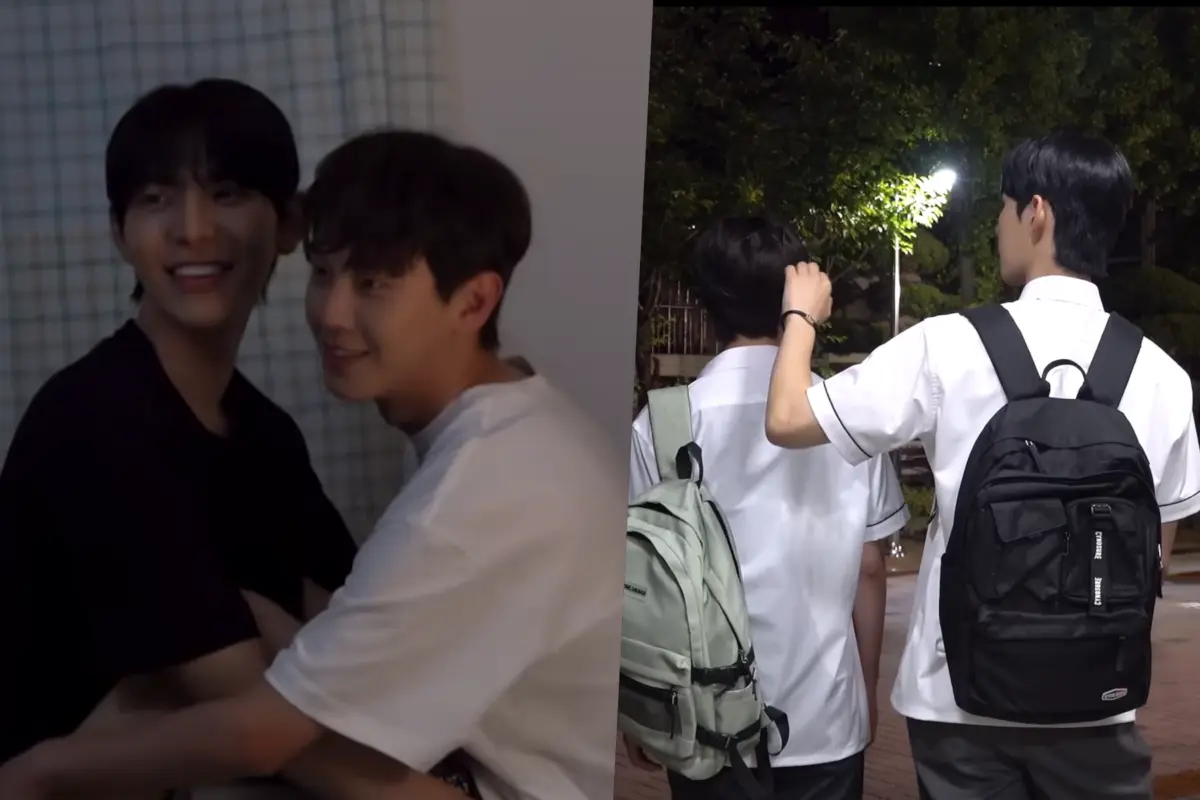
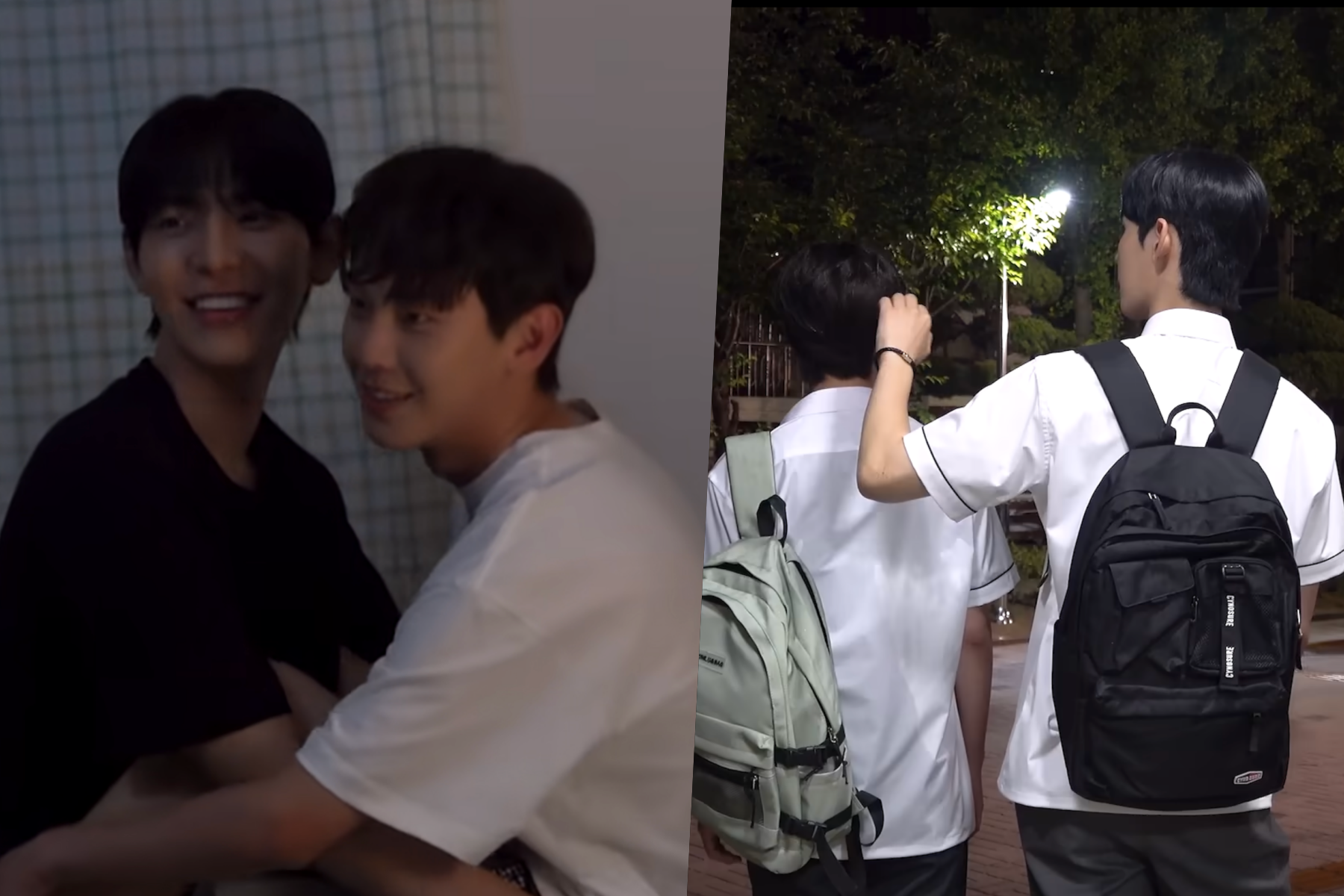
The making-of sequence opens in a controlled indoor studio environment, simulating a domestic bedroom setting crucial to the narrative arc of episodes 5 and 6. Here, Eun Ho and Do Hyun are slated to confront the physical and emotional manifestations of their repressed feelings. However, the atmosphere captured by the documentary crew sharply contrasts with the heavy dramatic tension of the script.
Actors Kim Do Min and Seong In Ho are seen shedding their character personas, engaging in jovial banter that highlights their mutual trust. In one standout moment that has quickly circulated across social media platforms, Kim Do Min playfully interrogates Seong In Ho regarding choreography and positioning ahead of an intricate bed-kiss scene. Posing the lighthearted question, "Where are you putting your hands?" Kim establishes a comedic boundary that simultaneously diffuses the inherent tension associated with filming high-stakes romantic sequences. This candid exchange underscores the vital importance of intimacy coordination and open communication on modern television sets, allowing performers to navigate vulnerability with professional ease.
Spontaneous Directing and Amusement Park Interludes
Moving from the controlled studio environment to an outdoor amusement park location shoot, the making-of video captures a stylistic pivot toward naturalism. In these scenes, Kim Do Min temporarily steps outside his scripted role to take physical charge of the production’s handheld camera, turning the lens directly onto his co-star.
An unscripted dialogue unfolds as Kim challenges Seong: "You were laughing while I was riding the amusement park ride. Why were you laughing?" Seong’s unhesitating, sweet reply—"It was cute"—not only captures the genuine affection cultivated during grueling production schedules but also serves as prime material for the dedicated fandom tracking off-screen dynamics.
The mutual appreciation continues as the actors actively critique and praise each other’s camera presence. The dynamic shifts seamlessly as Seong In Ho reciprocates by capturing still photographs of Kim Do Min between takes. The segment culminates in an unscripted, highly playful ad-lib where Kim Do Min introduces his co-star to the camera with the direct declaration, "This is my boyfriend." While delivered in jest, this spontaneous phrasing serves as a meta-textual nod to the central premise of the series, blurring the lines between fiction and reality in a manner that deeply resonates with contemporary BL audiences.
Supporting Context & Metrics: The Maturation of the Korean BL Market
To fully appreciate the significance of Summertime and its promotional strategy, one must examine the macro-economic and cultural evolution of the Korean BL genre over the past half-decade. For decades, South Korea’s mainstream broadcasting networks operated under strict self-regulatory frameworks and societal conservatism, largely sidelining explicit or central LGBTQ+ narratives. However, the democratization of media consumption, catalyzed by global streaming platforms and dedicated niche distributors like Viki and Heavenly, has radically transformed the entertainment ecosystem.
From Niche Experimentation to Mainstream Viability
The modern K-BL boom effectively traces its roots to 2020, a watershed year defined by pandemic lockdowns and a massive surge in demand for comforting, character-driven escapism. Prior to 2020, queer media in South Korea was predominantly independent, low-budget, and relegated to the cinematic fringes (often associated with auteur film director Leesong Hee-il or indie shorts).
The release of web-novel adaptations and short-form web-dramas marked a turning point. Productions quickly proved that stories focusing on male-male romance could be commercially viable, attracting both domestic web-toon enthusiasts and an intensely loyal international diaspora. As documented in industry analyses and comprehensive masterlists tracking Korean BL releases since 2020, the sector has expanded from producing a sparse handful of low-budget web shorts per year to a robust industry featuring dozens of multi-episode series annually.
Production Values and Transmedia Synergy
Summertime exemplifies the current generation of K-BLs, which benefit from significantly elevated production values, professional cinematography, and experienced young casts drawn from both idol training pipelines and established web-drama portfolios—such as Kim Do Min’s prior work in the popular series Twenty-Twenty.
Furthermore, contemporary K-BL marketing relies heavily on a transmedia strategy. The boundary between the primary text (the drama episodes) and secondary texts (making-of reels, Instagram takeovers, photo-book releases, and fan-meeting tours) is intentionally porous. Production companies recognize that contemporary viewers consume narratives as sprawling ecosystems. By releasing behind-the-scenes content that showcases the genuine friendship and mutual respect between lead actors like Kim Do Min and Seong In Ho, studios cultivate parasocial loyalty, driving continuous engagement across social media algorithms and cementing subscriber retention on platforms like Viki.
Official Statements & Industry Perspectives
While traditional press releases from major networks often lean toward formal synopses, statements from producers, directors, and cast members in the expanding K-BL sector reveal a concerted effort to treat romance narratives with psychological depth and emotional authenticity.
Navigating the Childhood-to-Romance Trope
Directors and writers working within the Summertime production framework have frequently emphasized the delicate nature of the "friends-to-lovers" trope. Unlike love-at-first-sight narratives, stories featuring lifelong companions carrying unspoken histories require meticulous pacing. Industry insiders note that the primary challenge for actors portraying characters like Yeo Eun Ho and Cha Do Hyun is communicating subtext—the unspoken glances, the lingering touches, and the palpable fear of disrupting a stable platonic foundation.
During script readings and promotional interviews, creators have underscored that the emotional realism of the series relies entirely on the off-screen chemistry between the leads. The playful banter documented in the episodes 5 and 6 making-of video is not merely accidental comedic relief; it is the fundamental building block that allows actors to simulate years of shared history and intimate vulnerability convincingly. By maintaining open communication and a relaxed atmosphere on set, Kim Do Min and Seong In Ho construct a safe creative space necessary for executing complex emotional beats without artificiality.
The Global Appeal of Emotional Vulnerability
International distribution partners have likewise commented on the universal resonance of Korean romantic dramas. Executives note that K-BLs often succeed internationally not solely due to the novelty of their representation within a traditionally conservative broadcasting market, but because of their adherence to the hallmark emotional restraint, aesthetic polish, and narrative focus on internal conflict that characterize the broader Hallyu (Korean Wave) phenomenon. The meticulous documentation of the production process—subtitled instantly in multiple languages—ensures that global audiences feel an immediate, participatory connection to the artistic creation of the series.
Future Outlook: The Horizon of K-BL and Youth Romance Dramas
As Summertime progresses past its dramatic midpoint toward its eventual conclusion, the trajectory of the series offers a clear preview of where the Korean romance genre is heading. Several key trends are set to define the immediate future of K-BL production and distribution.
Technological Integration and Interactive Promotion
The traditional model of passive television viewing is rapidly giving way to interactive, community-driven engagement. Future productions are expected to lean even further into behind-the-scenes transparency, utilizing short-form vertical video formats (TikTok, YouTube Shorts, Instagram Reels) to distribute raw, unedited character interactions. This hyper-accessible promotional style satisfies an audience demographic that values authenticity over polished, highly curated PR campaigns. As demonstrated by the reception of Kim Do Min and Seong In Ho’s camera-swapping antics, audiences reward productions that drop the fourth wall and reveal the collaborative joy behind dramatic tension.
Expanding Budgets and Broadening Narrative Horizons
Looking ahead, industry analysts project a steady increase in production budgets and episode run-times for upcoming K-BL projects. As major corporate entities and global streaming giants continue to invest in niche Korean content, stories are evolving beyond standard high school and university settings to explore diverse professional environments, fantasy elements, and mature psychological dramas. However, the core appeal—anchored in emotional intimacy, character growth, and meticulous relationship dynamics—will remain paramount.
For fans currently following the intricate emotional journey of Yeo Eun Ho and Cha Do Hyun in Summertime, the immediate future holds continued narrative suspense as the characters confront the ultimate test of their relationship. With extensive masterlists archiving the explosive growth of the genre since 2020 and streaming platforms continuously expanding their catalogs, the structural foundation for youth romance BL dramas has never been more secure. As the industry matures, the seamless blend of professional dedication, playful camaraderie, and earnest storytelling ensures that productions like Summertime will remain benchmark indicators of a vibrant, borderless television renaissance.




Belum ada komentar. Jadilah yang pertama berkomentar!