

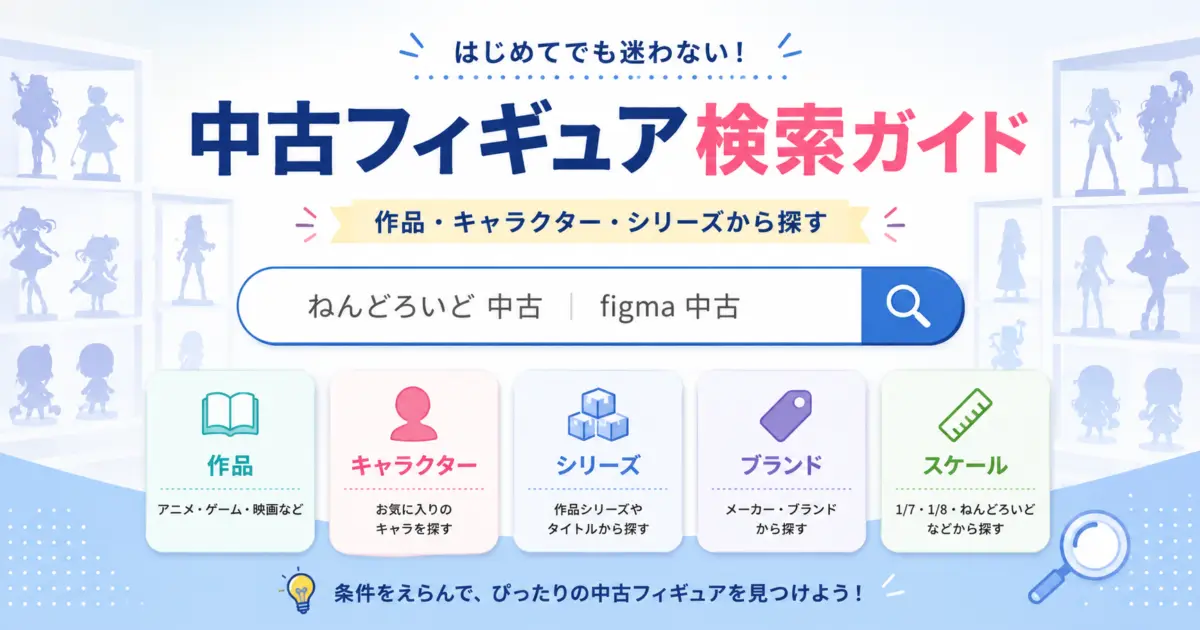
Executive Overview
The global market for secondary figure collecting—spanning anime, manga, gaming merchandise, and character statues—has experienced an unprecedented paradigm shift over the past several years. What was once considered a niche, sub-cultural hobby primarily confined to specialized domestic storefronts and localized fan conventions has rapidly expanded into a multi-billion-dollar international digital marketplace. Driven by sophisticated online auction platforms, global ecommerce integration, and the explosive mainstream popularity of Japanese pop culture, secondary market figure collecting has transformed into a high-stakes ecosystem for both passionate hobbyists and discerning financial investors.
At the core of this modern marketplace is an intricate web of digital infrastructure. Platforms such as Yahoo! Auctions, specialized cross-border proxy services, and dedicated collector marketplaces have bridged geographical divides, allowing enthusiasts anywhere in the world to acquire rare, limited-edition, and vintage character models with unprecedented ease. However, this rapid commercialization brings complex challenges. Issues concerning price volatility, authentication, counterfeit prevention, and consumer trust have become central to ongoing industry dialogues.
This report provides an in-depth examination of the modern secondary figure market, tracing its digital evolution, analyzing the platforms driving its growth, detailing current market metrics, and assessing the future outlook for collectors and merchants alike.
Detailed Chronology: From Back-Alley Hobbies to Global Digital Commerce
To truly understand the current state of secondary figure collecting, one must examine its historical trajectory. The hobby’s roots trace back to garage kits and primitive PVC models sold in limited quantities at localized conventions during the late 20th century.
The Era of Physical Exclusivity (Late 20th Century – Early 2000s)
- Localized Markets: Collecting was predominantly an offline endeavor. Enthusiasts relied on physical specialty shops in districts like Akihabara in Tokyo, local hobby stores, or import catalogs with high markups.
- Information Asymmetry: Product information was scarce. Collectors depended heavily on monthly print magazines (such as Hobby Japan or Figure Oh) to track upcoming releases, variants, and secondary market valuations.
- Barriers to Entry: International fans faced monumental hurdles acquiring exclusive pieces, often relying on pen-and-paper mail-order services or traveling abroad.
The Rise of Digital Catalogs and Early E-Commerce (Mid-2000s – 2010s)
- The Web 2.0 Boom: As global internet penetration deepened, early online marketplaces and enthusiast forums began cataloging figure releases, laying the groundwork for digital price tracking.
- The Emergence of Proxy Services: Specialized intermediary companies revolutionized acquisition by allowing international buyers to bid on domestic Japanese platforms (most notably Yahoo! Auctions Japan). This bridged the gap between Japanese sellers and global fans.
- Standardization of Grading: Early grading systems for box condition, paint chipping, and authenticity began to emerge, though standardization varied wildly across different platforms.
The Modern Digital Marketplace (2020 – Present)
- Ecosystem Integration: Today’s secondary market is fully digitized. Advanced data-scraping tools, real-time currency conversion, and automated shipping calculators have streamlined the purchasing journey.
- Mainstream Crossover: High-end manufacturers like Good Smile Company, Alter, and Max Factory command immense secondary market valuations, often seeing pre-order items sell out instantly and appreciate significantly upon release.
- Regulatory and Consumer Scrutiny: With millions of dollars changing hands daily, platforms have implemented stricter verification protocols, anti-counterfeit measures, and transparent pricing tools to protect buyers.
Supporting Context & Market Metrics: Valuation, Scarcity, and Demand
The modern secondary market is governed by strict economic principles of supply and demand, heavily amplified by manufacturing constraints and emotional attachment.
The Mechanics of Scarcity
Figure manufacturing involves intricate production pipelines—often requiring months of prototyping, licensing approvals, and hand-painting. Because production runs are frequently locked in well ahead of release dates, unforeseen spikes in an anime or video game’s popularity can cause secondary market prices to skyrocket overnight.
Key factors driving valuation include:
- Limited Print Runs & Exclusives: Event-exclusive variants (such as Wonder Festival specials) or limited web-shop exclusives naturally command higher premiums due to finite supply.
- Manufacturer Prestige: Figures crafted by renowned tier-one sculptors and companies (e.g., Alter, Good Smile Company, Aniplex) retain and appreciate value significantly better than mass-market prize figures.
- Condition and Packaging Integrity: The presence of the original box (often referred to in the community as "MIB" – Mint in Box, or "BIB" – Back in Box) heavily influences resale value. Minor box dents or sun-fading can reduce a figure’s secondary market value by 20% to 50%.
Digital Price Tracking and Analytics
Modern collectors no longer rely on guesswork. Sophisticated price-tracking tools crawl historical sales data from major auction sites and storefronts, offering real-time analytics on market trends. This data transparency has empowered buyers to make informed decisions while simultaneously making market manipulation by scalpers more difficult to sustain over long periods.
Official Statements and Industry Insights
As the secondary market matures, industry stakeholders—including platform operators, manufacturers, and consumer advocates—have increasingly emphasized the need for standardization, transparency, and consumer education.
Platform Governance and Buyer Protection
Major digital auction and marketplace operators have responded to the influx of global capital by upgrading their internal compliance and verification systems. In recent statements, representatives from leading cross-border proxy and auction networks highlighted the implementation of advanced screening protocols designed to filter out counterfeit listings and fraudulent sellers.
"The integrity of the secondary market rests entirely on consumer trust," notes a leading industry analyst specializing in pop-culture merchandise economics. "When a collector spends hundreds—or even thousands—of dollars on a secondary-market scaled figure, they need absolute assurance regarding authenticity, structural integrity, and accurate grading of box wear."
Manufacturer Responses to Secondary Speculation
While manufacturers traditionally benefit from primary market sales, the health of the secondary market directly impacts pre-order confidence. Industry leaders have observed that robust secondary market valuations for older releases often drive higher pre-order numbers for new product lines. Consequently, some manufacturers have begun exploring direct-to-consumer digital authentication certificates (such as NFC-tagged bases or blockchain-verified serial numbers) to combat the proliferation of counterfeit figures flooding international markets.
Future Outlook: Trends, Challenges, and Predictions
Looking ahead, the secondary figure collecting community faces a dynamic landscape characterized by technological innovation and evolving consumer expectations.
Technological Integration
- AI-Powered Authentication: Future iterations of marketplace apps are expected to integrate machine learning and computer vision algorithms capable of detecting subtle flaws, bootleg discrepancies, and paint application errors from user-submitted photographs.
- Seamless Cross-Border Logistics: Automated customs clearance, decentralized warehousing, and optimized international shipping routes will continue to reduce delivery times for secondary market acquisitions.
Evolving Collector Demographics
The demographic profile of figure collectors is broadening. No longer restricted to hardcore otaku culture, mainstream gaming enthusiasts, art collectors, and pop-culture investors are entering the space. This broader audience demands higher standards of digital presentation, more transparent grading systems, and professionalized customer support from secondary market vendors.
Potential Challenges
Despite robust growth, the market faces headwinds. Global economic fluctuations, rising international shipping rates, and the persistent threat of high-quality bootlegs remain ongoing concerns. Industry experts stress that platform operators and community leaders must remain vigilant, enforcing strict anti-counterfeit policies and educating novice collectors on safe purchasing practices.
Conclusion
Secondary figure collecting has evolved from a quiet, localized pastime into a vibrant, global digital economy. Driven by technological convenience, passionate communities, and sophisticated market analytics, the hobby offers immense rewards for those who navigate its complexities wisely. As digital infrastructure continues to improve and industry standards rise, the secondary figure market is well-positioned for sustained, healthy growth in the years to come.







Belum ada komentar. Jadilah yang pertama berkomentar!