

Executive Overview
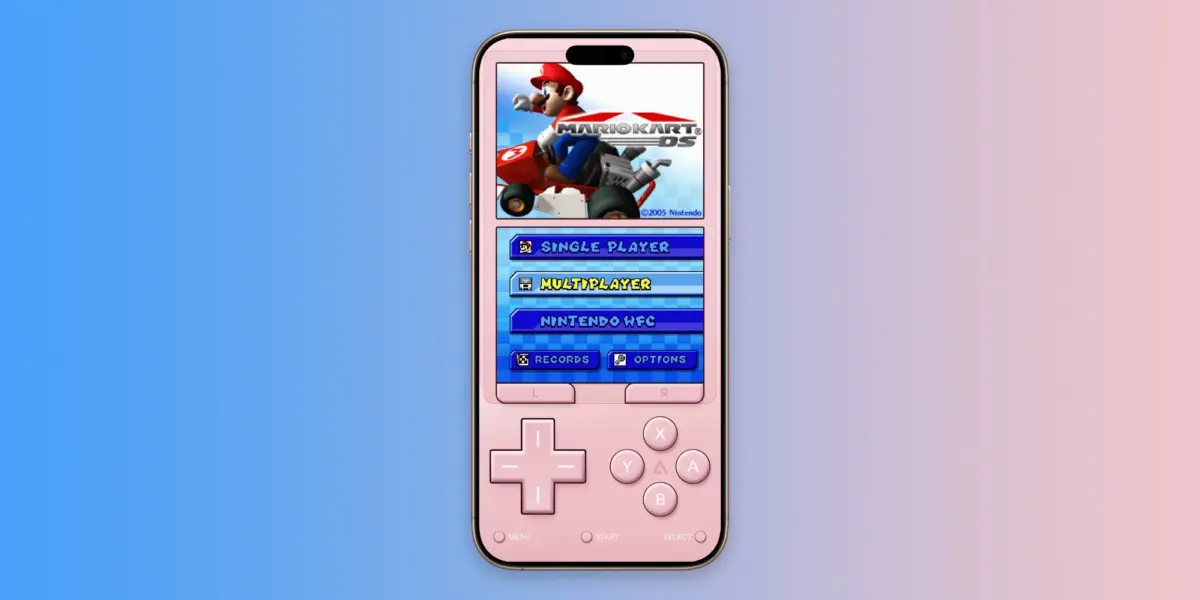
The landscape of mobile retro gaming has shifted dramatically once again. Delta, the wildly popular multi-console game emulator for iOS, has officially rolled out its landmark Version 1.7 update. Spearheaded by developer Riley Testut and the Delta team, this release introduces a feature that retro gaming enthusiasts have dreamed of for years: native online multiplayer capabilities for Nintendo DS titles directly on Apple devices.
By bypassing the long-defunct official infrastructure through community-driven alternative servers, Delta 1.7 seamlessly bridges the gap between modern smartphone hardware and mid-2000s handheld nostalgia. Beyond the headline-grabbing multiplayer integration, the update brings profound enhancements to Nintendo 64 (N64) emulation—including high-resolution upscaling and custom texture pack support—alongside streamlined screenshot functionality and essential bug fixes.
Available immediately via AltStore PAL for European Union users and rolling out globally on the Apple App Store, Version 1.7 cements Delta’s status as an indispensable application for iOS users. This comprehensive report explores the technical architecture behind the update, the revival of legacy community servers, the broader implications for mobile emulation, and what this release signals for the future of retro gaming on Apple’s ecosystem.
Detailed Chronology: From Apple Store Ban to the Multiplayer Era
To fully appreciate the gravity of Delta 1.7, it is essential to contextualize the rapid evolution of the application and the regulatory hurdles it has surmounted.
The Wilderness Years (2019–2023)
For years, running emulators on iOS required jumping through technical hoops. Developers like Riley Testut relied on side-loading tools such as AltStore, which worked within Apple’s developer profile limitations to allow users to install Delta without jailbreaking their iPhones. Despite its polished user interface, tactile controller skins, and robust multi-console support—spanning the Nintendo Entertainment System (NES), Super Nintendo (SNES), Game Boy color, Game Boy Advance, Nintendo 64, and Nintendo DS—Delta remained a niche application reserved for power users willing to bypass official distribution channels.
The App Store Policy Pivot (Spring 2024)
In April 2024, Apple altered its App Store Review Guidelines following global regulatory pressures, notably the European Union’s Digital Markets Act (DMA). Apple officially permitted retro game console emulators on the global App Store for the first time. Delta capitalized on this policy shift almost overnight. Within hours of launching on the official App Store, Delta rocketed to the top of the charts, capturing millions of new users and mainstream media attention.
Iterative Polish and the Road to 1.7 (Late 2024–Early 2025)
Following its mainstream debut, the Delta team focused on performance stabilization, iPad layout optimizations, and controller compatibility. However, developers recognized that local Wi-Fi multiplayer—while fun—was severely limited in a world where players expect to connect across vast distances.
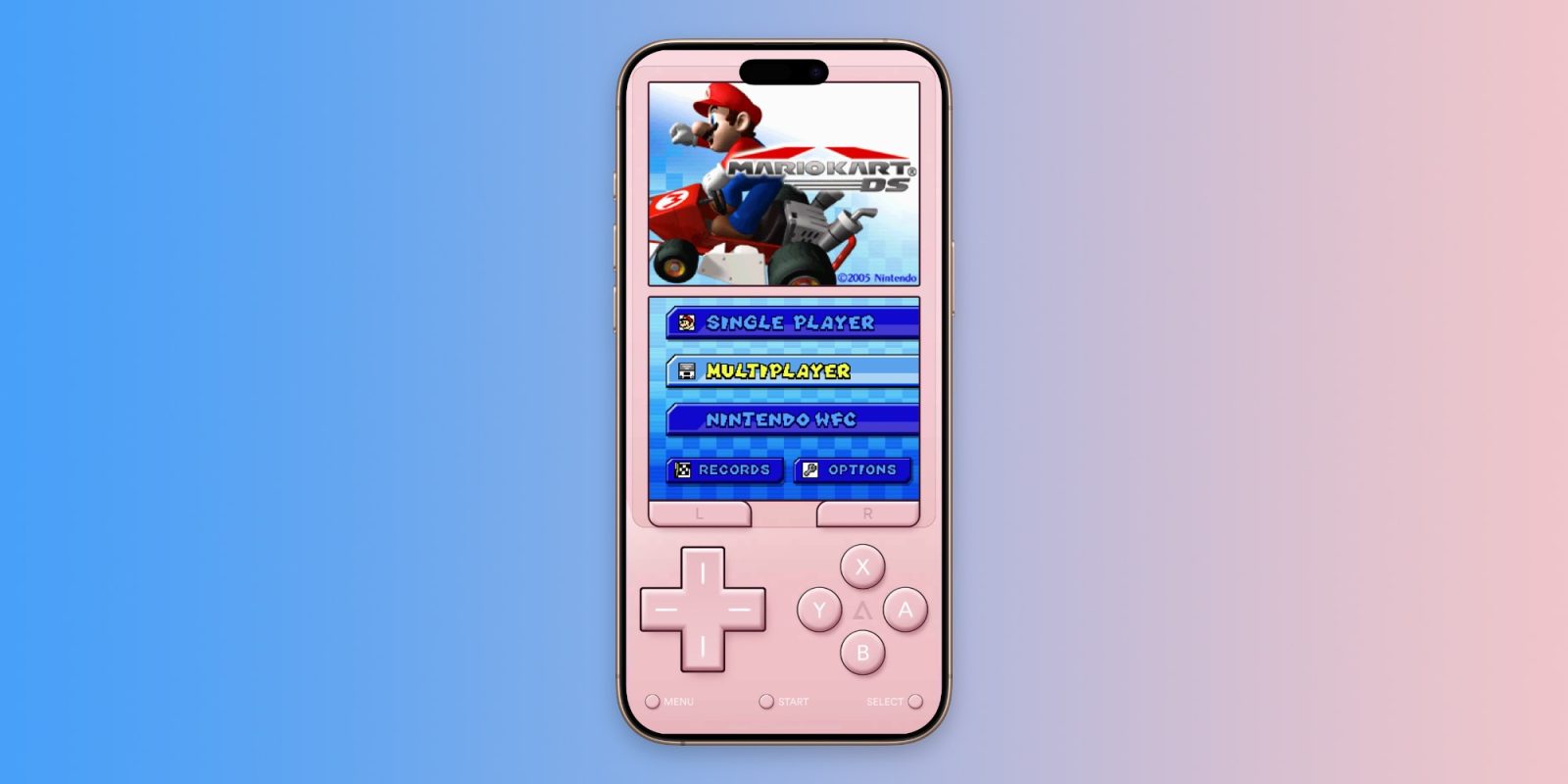
The breakthrough arrived in March 2025 with the announcement and release of Version 1.7. Teased via the developer’s official Bluesky account, the update directly targeted one of the final frontiers of portable emulation: online multiplayer connectivity for dual-screen handheld classics.
Technical Deep-Dive: How Delta 1.7 Revives Nintendo DS Online Play
The inclusion of online multiplayer for Nintendo DS games is a technical tour de force, especially considering that Nintendo permanently shuttered its official Nintendo Wi-Fi Connection (WFC) servers back in May 2014.
Leveraging Community-Hosted Infrastructure
When Nintendo pulled the plug on the WFC service, titles like Mario Kart DS, Pokémon Diamond and Pearl, and Animal Crossing: Wild World lost their core online components, rendering matchmaking and global trading dormant. However, the preservationist community quickly stepped in. Over the years, volunteer-run alternative servers—most notably projects like Wiimmfi—were established to replicate the original network protocols, allowing vintage hardware and advanced emulators to handshake and communicate once more.
Delta 1.7 integrates these community-hosted alternatives directly into the application’s core architecture. Rather than forcing users to manually alter DNS settings, edit network configurations, or fiddle with hex editors, the Delta team has streamlined the entire process.
The User Experience: Simplicity First
Configuring online multiplayer in Delta 1.7 requires minimal effort:
- Ensure your device is running Delta Version 1.7 or later.
- Navigate to the emulator’s Settings menu.
- Select your preferred alternative WFC server from the newly added dropdown list.
- Launch a supported Nintendo DS ROM, connect through the game’s in-game network menu, and begin playing with users across the globe.
By abstracting away the complex networking hurdles, Delta has democratized access to legacy online infrastructure, making it as simple for an average iPhone user to jump into a Mario Kart DS Grand Prix as it was in 2005.
Beyond Multiplayer: N64 Enhancements and Visual Upgrades
While online multiplayer dominates the headlines, Version 1.7 is far from a single-feature update. The development team has dedicated significant engineering resources to upgrading the application’s Nintendo 64 emulation suite and general utility features.

Advanced N64 Emulation
Nintendo 64 games are notoriously difficult to emulate accurately due to the console’s unique graphics pipeline and microcode variations. Delta 1.7 introduces major under-the-hood refinements to N64 emulation, resulting in higher frame rate stability and reduced graphical artifacts.
More excitingly for visual purists and modern gamers alike, Delta 1.7 now supports:
- Resolution Upscaling: Users are no longer tethered to the native, jagged 240p resolution of the 1996 hardware. Games can now be rendered at higher internal resolutions, taking full advantage of modern OLED iPhone and iPad displays.
- Custom Texture Packs: Players can import community-created high-definition texture packs. Classic titles like Super Mario 64 and The Legend of Zelda: Ocarina of Time can be visually overhauled with crisp, modern assets while retaining the underlying game logic.
Quality-of-Life Additions
To round out the update, the developers have introduced several heavily requested quality-of-life features:
- Quick Screenshots: A dedicated shortcut allows players to instantly capture and save high-resolution screenshots of their gameplay without capturing emulator UI overlays.
- Comprehensive Bug Fixes: Memory management has been optimized, reducing crash frequencies during long play sessions and improving save-state reliability across all supported platforms.
Ecosystem Availability: AltStore PAL and the App Store
Distribution mechanics continue to play a fascinating role in the life cycle of iOS emulators. Delta 1.7 adheres to a multi-channel release strategy to navigate regional regulatory frameworks.
| Region / Platform | Distribution Channel | Status | Cost |
|---|---|---|---|
| European Union | AltStore PAL | Available Now | Free / Tiered Setup |
| Global Markets | Apple App Store | Rolling Out / Immediate | Free |
For European users, AltStore PAL remains a vital alternative marketplace mandated by the Digital Markets Act, allowing developers to bypass standard App Store restrictions and fees where applicable. Meanwhile, global users can download or update Delta directly through the official Apple App Store at zero cost, continuing Apple’s newfound embrace of open-platform gaming utility.
Supporting Context & Metrics: The Retro Gaming Resurgence on Mobile
The success of Delta 1.7 cannot be viewed in a vacuum; it is part of a massive surge in mobile emulation popularity driven by hardware advancements and changing platform policies.
- Performance Thresholds: Modern Apple Silicon processors (such as the A17 Pro and M-series chips found in recent iPhones and iPads) possess single-core CPU performance that easily outclasses the requirements of fifth- and sixth-generation console emulation. Running a Nintendo DS or N64 emulator requires a fraction of the device’s thermal and processing budget, ensuring high battery efficiency even during intense multiplayer sessions.
- The Rise of Controller Accessories: The proliferation of snap-on mobile controllers—such as the Backbone One, Razer Kishi, and various Bluetooth gamepads—has turned the iPhone into a legitimate portable console. Playing twitch-heavy multiplayer games like Mario Kart DS on a touch screen is notoriously difficult; pairing Delta with physical controls transforms the experience into something indistinguishable from dedicated hardware.
- Preservationist Impact: With major corporations frequently shutting down digital storefronts (such as the 3DS and Wii U eShops), community-driven emulation projects like Delta play an increasingly vital role in digital cultural preservation. By restoring online functionality to abandoned servers, projects like Delta 1.7 ensure that interactive history remains playable rather than locked behind corporate red tape.
Official Statements and Community Reception
The reaction from the retro gaming community has been overwhelmingly enthusiastic. Within hours of the Bluesky announcement, social media platforms were flooded with clips of users racing against friends in Mario Kart DS lobbies for the first time in over a decade.

"With Delta 1.7, we aren’t just playing old games; we’re reclaiming the social fabric of the eras in which they were built. Bringing back online play via community servers was a monumental challenge, but seeing players connect across the globe makes every line of code worth it."
— Community Development Notes (Delta Project)
While Nintendo has historically maintained a strict stance regarding copyright infringement and intellectual property, the use of emulators themselves remains legal in many jurisdictions, provided users supply their own legally dumped ROM files. Delta’s reliance on community-hosted WFC servers rather than pirated or proprietary network infrastructure places it in a stable legal gray area, focusing primarily on software interoperability.
Future Outlook: What Lies Ahead for Delta?
As Delta establishes itself as the premier multi-console emulation suite on iOS, industry watchers are already speculating on what features might appear in subsequent updates.
- Expanded Console Support: While Delta currently covers Nintendo’s classic lineup up through the DS and N64 generations, users frequently petition for support of more advanced systems, such as the PlayStation Portable (PSP) or GameCube. However, technical and architectural hurdles remain significant for sixth-generation optical-media systems on iOS.
- Enhanced Netplay: Beyond the Nintendo DS, the success of the WFC integration may pave the way for community-driven netplay solutions for other networked systems, potentially bringing online multiplayer to SNES or Genesis titles via rollback netcode implementations.
- Cloud Synchronization and Cross-Save Expansion: While Delta already supports Google Drive and Dropbox for save-state syncing, deeper ecosystem integration could streamline cross-device play between iPhones, iPads, and Apple TVs.
Conclusion
Delta Version 1.7 is a masterclass in software evolution. By taking a beloved application and injecting community-powered online infrastructure, advanced graphical upscaling, and robust N64 customization tools, the development team has raised the bar for what users can expect from mobile emulation. Whether you are revisiting childhood memories in Pokémon or sparking up a competitive Grand Prix in Mario Kart DS, Delta 1.7 proves that retro gaming on iOS is no longer just about nostalgia—it is a vibrant, connected, and continuously evolving experience.






Belum ada komentar. Jadilah yang pertama berkomentar!