

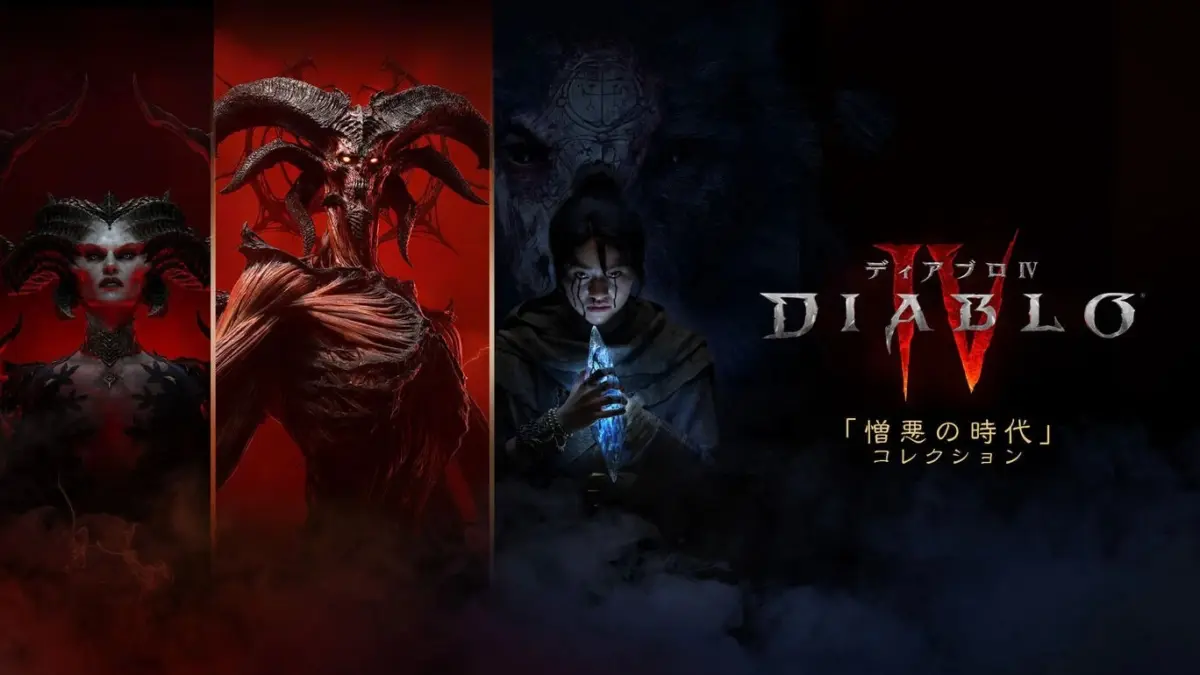
Executive Overview
The video game industry has entered a fascinating period of cross-generation transition, marked by aggressive hardware rollouts and unexpected software announcements. During the high-profile keynote address at BlizzCon 2026, Blizzard Entertainment dropped a bombshell announcement that sent shockwaves through the action role-playing game (ARPG) community: Diablo IV is officially coming to Nintendo’s successor console—widely referred to in industry parlance as the Nintendo Switch 2.
Titled Diablo IV: Vessel of Hatred & Beyond for this specialized release, the game is scheduled to launch on September 15, 2026 (with Japanese time zones falling on September 16). This announcement marks a monumental milestone for the franchise, bringing the dark, gothic, and critically acclaimed AAA experience to Nintendo’s next-generation hardware ecosystem.
For months, industry insiders and hardware sleuths had whispered about the logistical challenges and technical hurdles of bringing Blizzard’s demanding ARPG engine to a portable platform. While Diablo III and Diablo II: Resurrected proved that Blizzard could successfully adapt their isometric masterpieces for Nintendo hardware, Diablo IV represents an entirely different tier of graphical fidelity, open-world seamlessness, and server-side infrastructure requirements.
This comprehensive report examines the technical implications, commercial strategies, community reception, and future outlook surrounding the Diablo IV Nintendo Switch 2 port.
Detailed Chronology of the BlizzCon 2026 Reveal
The announcement took place on the opening day of BlizzCon 2026, during a packed morning keynote that drew tens of thousands of attendees in person and millions more via digital livestreams. As Blizzard executives walked the stage to showcase the studio’s latest milestone updates for their flagship franchises, the atmosphere in the convention center was thick with anticipation.
The reveal sequence was meticulously choreographed. Following a montage reel highlighting the continued success of Diablo IV—which has enjoyed robust expansion releases and seasonal content drops since its original 2023 debut—the presentation shifted gears. A cinematic trailer flashed on screen, immediately capturing the attention of veterans and newcomers alike with its dark, atmospheric tone.
Subtitled Diablo IV: Vessel of Hatred & Beyond, the Nintendo Switch 2 version is not merely a stripped-down port. Blizzard confirmed that the package bundles the core game alongside the massive expansion Vessel of Hatred, as well as subsequent seasonal updates up to the launch window.
According to the release schedule announced by Blizzard:
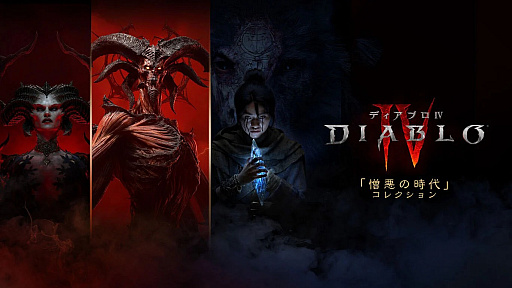
- Global Launch Date: September 15, 2026 (North America / Europe)
- Asian Regional Launch: September 16, 2026 (Japan / Asia-Pacific time zones)
- Pre-Orders: Officially opened immediately following the keynote presentation across digital storefronts and major physical retailers.
The swift transition from announcement to pre-orders caught many analysts off guard, signaling that Blizzard and Nintendo are confident in the hardware’s readiness and manufacturing pipeline for the upcoming autumn holiday season.
Technical Architecture and Performance Metrics
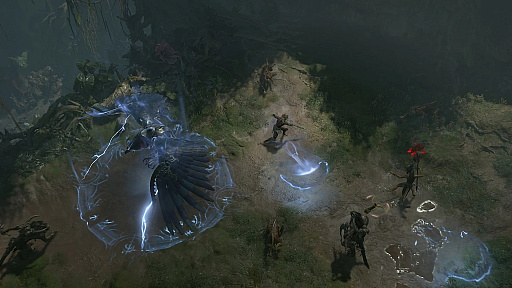
Bringing a modern, always-online, open-world AAA game like Diablo IV to a portable console requires immense technical wizardry. The original PC and current-gen console versions of Diablo IV push hardware limits with dense atmospheric lighting, complex particle effects during chaotic combat encounters, and seamless region streaming.
Overcoming Hardware Limitations
The Nintendo Switch 2 hardware architecture has been a subject of intense speculation among tech enthusiasts. While official hardware specifications remain heavily guarded by Nintendo, third-party developer kits have revealed a system capable of supporting advanced rendering techniques, including hardware-accelerated ray tracing and modern upscaling solutions (such as DLSS-equivalent technologies).
Blizzard’s engineering team has leveraged these advancements to ensure that Diablo IV runs smoothly on the handheld hybrid. According to preliminary developer insights shared at BlizzCon:
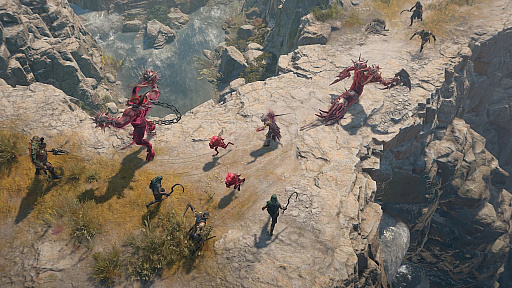
- Target Resolution: The game targets dynamic resolution scaling while docked, aiming for a crisp 1080p presentation, while scaling down to 720p in handheld mode to maintain battery efficiency.
- Framerate: A stable 30 frames per second (FPS) is the primary target for intensive combat scenarios, with optimizations made to particle density and shadow rendering to prevent frame drops during World Boss fights and Legion events.
- Load Times: Thanks to the inclusion of high-speed solid-state storage (SSD) technology within the Nintendo Switch 2 architecture, zone transitions and fast-travel sequences have been drastically reduced compared to older mechanical hard drives, though online matchmaking times remain tied to server latency.
Cross-Play and Account Synchronization
One of the most critical features for modern ARPG players is cross-progression. Blizzard has confirmed full cross-play and cross-progression support for the Nintendo Switch 2 edition.
Players can seamlessly link their existing Battle.net accounts, allowing them to carry their Eternal and Seasonal characters, cosmetic unlocks, and stash progress interchangeably between PC, PlayStation, Xbox, and now, Nintendo Switch 2. This ensures that players who prefer playing on the go do not have to sacrifice their hard-earned progression or start their journey anew.
Supporting Context: The Evolution of Blizzard on Nintendo Platforms
To fully appreciate the significance of this announcement, one must look at the historical relationship between Blizzard Entertainment and Nintendo hardware. For decades, Blizzard was viewed as a PC-centric developer, focusing heavily on mouse-and-keyboard experiences like StarCraft, Warcraft, and Diablo.
However, the industry landscape shifted dramatically with the release of the original Nintendo Switch in 2017. Blizzard dipped its toes into Nintendo waters with the critically acclaimed release of Diablo III: Eternal Collection, proving that complex ARPG mechanics could be successfully translated to Nintendo’s controllers without sacrificing responsiveness or depth. This was followed by the triumph of Diablo II: Resurrected, which found a dedicated fanbase among portable gamers.
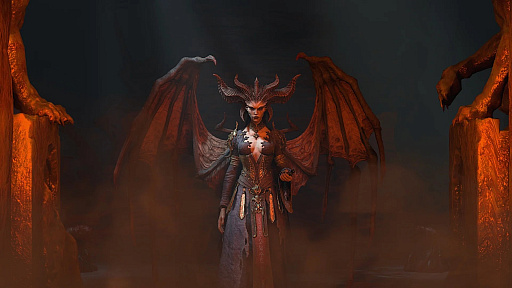
With Diablo IV making the jump to Nintendo Switch 2, the publisher is solidifying a multi-platform strategy that ensures its premier live-service titles are accessible wherever players choose to game.
Industry analysts note that this move also reflects the growing processing capabilities of Nintendo’s hardware ecosystem. As handheld gaming PCs and next-gen hybrid consoles bridge the gap between desktop performance and mobile convenience, developers are finding it increasingly viable to port massive open-world titles to portable devices.
Official Statements and Industry Reactions
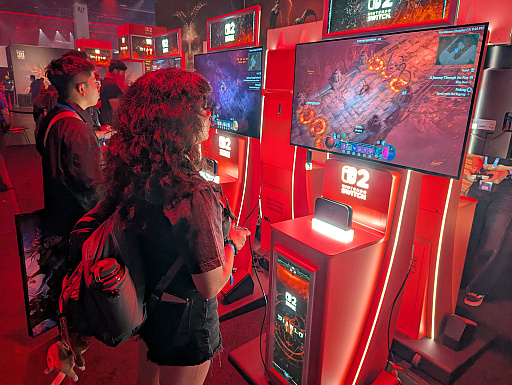
The reception inside the BlizzCon 2026 convention halls was overwhelmingly positive, with cheers erupting from the crowd as the Nintendo Switch 2 logo flashed on screen alongside the game’s title.
In a post-keynote press briefing, members of the Diablo IV development team elaborated on the decision to bring the dark fantasy epic to Nintendo’s new console.
"Our primary goal with Diablo IV has always been to make Sanctuary accessible to as many players as possible, regardless of where or how they prefer to play," stated a senior producer during the developer panel. "The hardware capabilities of the Nintendo Switch 2 opened a door for us. We didn’t just want to port the game; we wanted to ensure that the fluid combat, the grim atmosphere, and the seamless multiplayer experience translated faithfully to a portable format. The engineering hurdles were significant, but the results speak for themselves."
Third-party analysts have also weighed in on the commercial implications. Bringing a heavy-hitter like Diablo IV to the Nintendo Switch 2 launch window or early lifecycle provides the platform with an immediate injection of mature, hardcore gaming content—a crucial element for capturing the demographic of gamers who demand high-end AAA experiences on portable hardware.
Future Outlook: What Vessel of Hatred & Beyond Means for Portable ARPGs
As the gaming community counts down the days to September 15, 2026, anticipation for Diablo IV: Vessel of Hatred & Beyond on Nintendo Switch 2 continues to build.
The success of this port could set a powerful precedent for future AAA third-party support on Nintendo’s next-generation system. If Blizzard can successfully maintain live-service parity—delivering seasonal updates, major expansions, and community events simultaneously across PC, consoles, and Nintendo Switch 2—it will prove that hybrid platforms are no longer secondary considerations for developers of graphically demanding online games.
For Sanctuary’s champions, the message is clear: whether huddled over a television screen or playing under the covers on a handheld device, the forces of Hell can be vanquished anywhere. The countdown to September has officially begun.




Belum ada komentar. Jadilah yang pertama berkomentar!