On September 7, 2026, independent developer m7kenji officially launched their highly anticipated personal computer (PC) title, HANDSUM, on the Steam digital storefront. Described by critics and early adopters as a striking, atmospheric 1-bit narrative adventure game, HANDSUM has quickly captured the attention of the indie gaming community. The title represents a bold stylistic choice in modern game development, stripping away complex visual palettes in favor of stark monochrome aesthetics to deliver a haunting, deeply psychological narrative experience.
The release marks a significant milestone for m7kenji, whose work often explores minimalist yet emotionally resonant digital spaces. In HANDSUM, players are thrust into a surreal, looping reality defined by cryptic truths, haunting isolation, and the weight of unresolved personal choices. As the gaming landscape continues to celebrate narrative-driven experiments that prioritize mood, subtext, and avant-garde design over traditional blockbuster mechanics, HANDSUM emerges as a standout entry in the 1-bit adventure genre. This comprehensive report explores the game’s core mechanics, thematic depth, development context, community response, and its broader implications for the future of independent PC development.
Detailed Chronology and Narrative Structure
The journey toward the launch of HANDSUM has been characterized by careful, deliberate pacing from m7kenji, who utilized the months leading up to September 2026 to cultivate an aura of mystery around the project. Unlike many modern titles that rely on extensive public playtests, constant roadmap updates, and transparent promotional cycles, HANDSUM was cultivated through subtle teasers, cryptic visual artifacts, and atmospheric design notes shared across developer channels.
The Launch Day Arrival (September 7, 2026)
At 18:57 JST on September 7, 2026, the Steam store page for HANDSUM went live, welcoming players into its stark, high-contrast world. The immediate hours following the launch saw a steady influx of curious indie enthusiasts, adventure game purists, and fans of m7kenji’s previous artistic endeavors. The game’s onboarding process is intentionally jarring, immediately immersing the player in a recurring daily cycle where routines offer little comfort and boundaries between reality and psychological projection begin to blur.
The 1-Bit Aesthetic as a Narrative Device
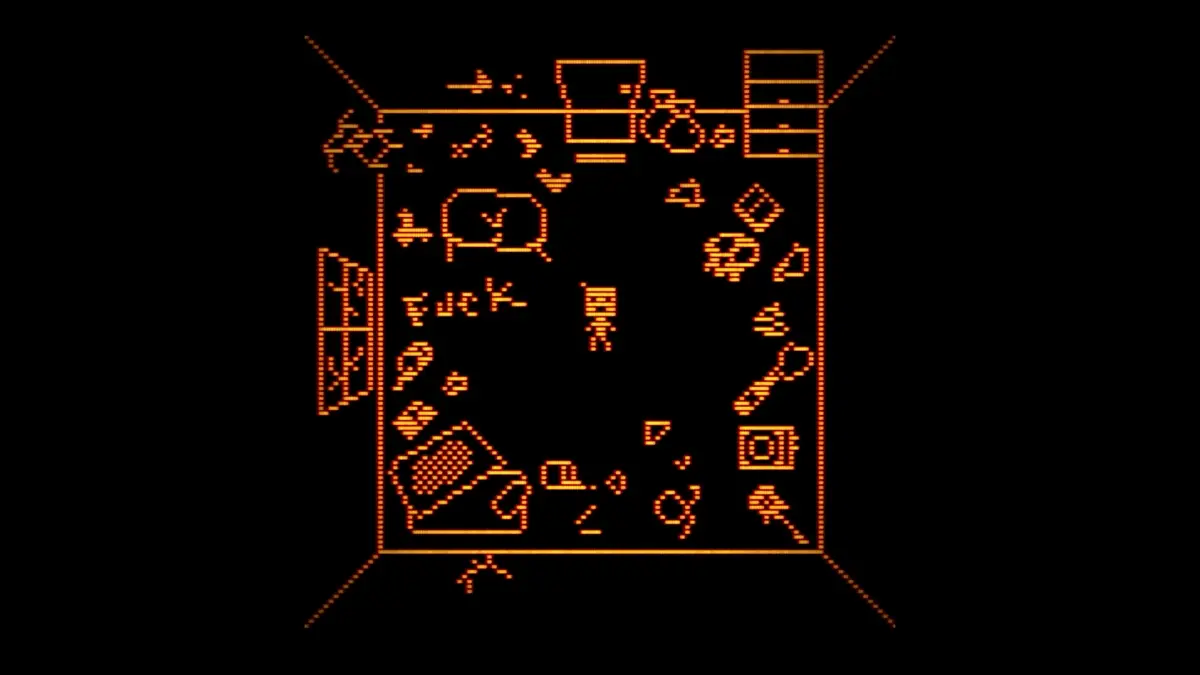
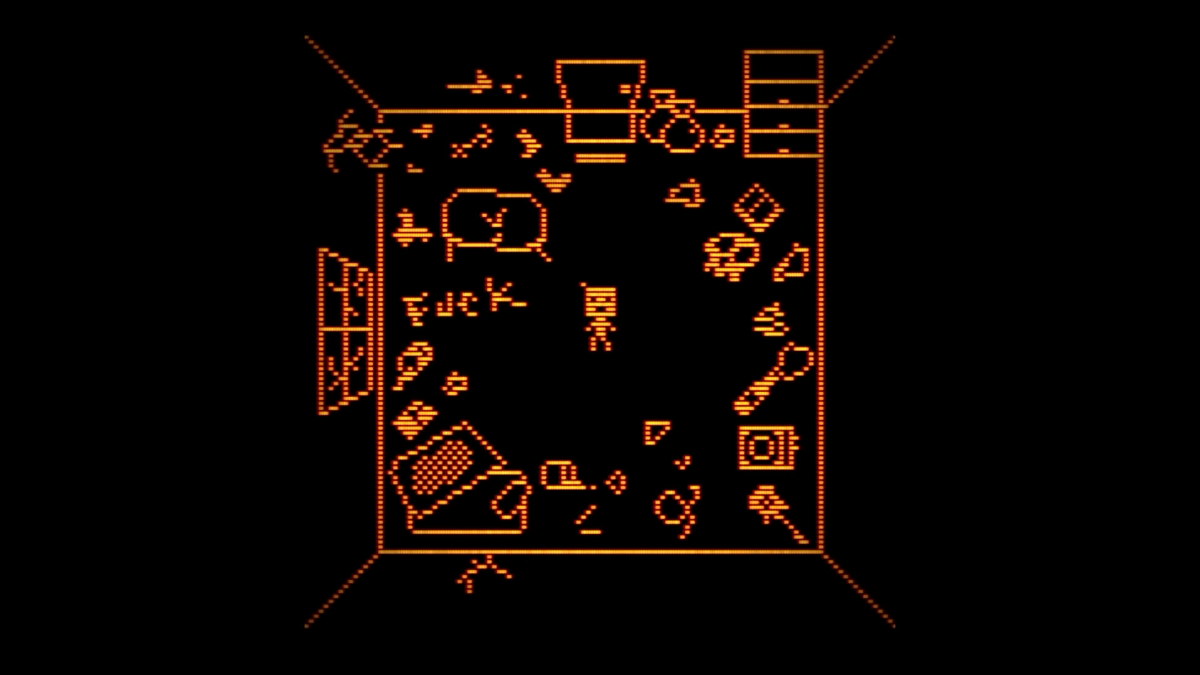
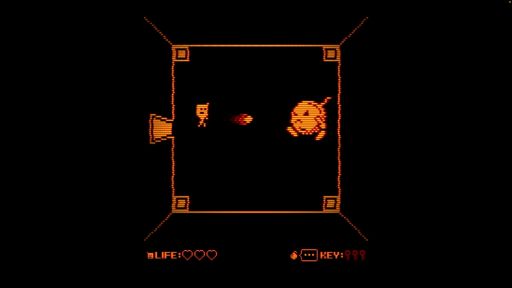
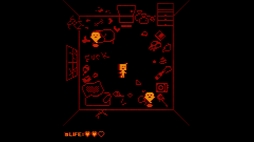
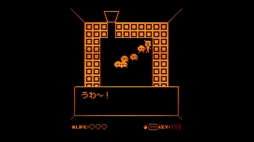
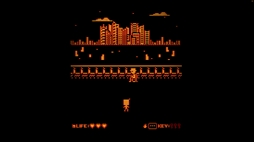
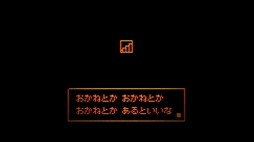
At its core, HANDSUM relies on a strict 1-bit art style—utilizing only pure black and pure white pixels. Far from being a mere stylistic gimmick, this limitation serves as a fundamental pillar of the game’s narrative framework. The absence of gray tones mirrors the psychological state of the protagonist, where moral ambiguities, memories, and choices are stripped down to binary extremes.
Players navigate a succession of seemingly mundane daily actions that quickly warp into surreal burdens. Every interaction carries weight; simple conversational choices or spatial examinations can drastically alter the trajectory of the narrative loop. The game encourages multiple playthroughs not just as a means to unlock different endings, but as an investigative process where the player must piece together fragmented truths hidden within the stark margins of the game’s monochrome environments.
To truly understand the impact of HANDSUM, one must examine the technical and structural choices m7kenji implemented during its production. In an era where hardware capabilities allow for hyper-realistic graphics, path-tracing, and expansive open worlds, choosing a 1-bit palette is an intentional counter-cultural statement.
Binary Visual Constraints: By restricting the color palette to strictly black and white, m7kenji forces the player’s imagination to fill in the atmospheric gaps. Shadows and light take on metaphorical significance, often acting as antagonistic forces rather than environmental details.
The Time-Loop Paradigm: The game incorporates a structural time-loop mechanic. Players relive specific segments of days with slight variations depending on prior actions. This design echoes classic adventure game roots while infusing a modern psychological horror or existential dread element reminiscent of literary surrealism.
Audio-Visual Synergy: Sound design plays an essential role in HANDSUM. Without a polychromatic visual array, audio cues—ranging from oppressive ambient drones to sharp, percussive silence—guide the player’s emotional state through the narrative labyrinth.
Target Audience and Market Positioning
Positioned firmly within the indie adventure (ADV) sector on Steam, HANDSUM targets a niche yet highly dedicated demographic of gamers who prioritize storytelling, artistic integrity, and avant-garde presentation over high-octane action. Its release strategy reflects a growing market appetite for bite-sized, high-concept narrative pieces that can be deeply digested in a few focused sittings, contrasting sharply with the hundred-hour commitments demanded by modern live-service titles.
Official Statements and Developer Vision
While m7kenji has maintained a largely enigmatic public profile regarding the deep lore of HANDSUM, initial developer notes accompanying the Steam release shed light on the creative philosophy driving the project.
In statements released alongside the launch assets, m7kenji emphasized the desire to explore "the quiet corners of human memory and regret" through subtraction rather than addition. The creative process involved distilling complex emotional trauma into stark, unmistakable visual metaphors.
"When you remove color, gradients, and extraneous details from a scene," m7kenji notes in early design reflections, "you are left with the raw skeleton of human experience. HANDSUM is an exploration of what remains when all the noise of modern existence is stripped away, leaving only the choices we regret and the truths we try desperately to forget."
Industry analysts have praised this uncompromising vision, noting that m7kenji’s refusal to pander to mainstream visual trends gives the title an authentic, auteur-driven quality that is increasingly rare in commercial software development.
Future Outlook and Industry Implications
The launch of HANDSUM on Steam on September 7, 2026, serves as a bellwether for the ongoing health and vitality of the solo developer ecosystem. As the platform continues to grapple with visibility challenges for independent creators, distinct stylistic identities—such as the uncompromising 1-bit presentation of HANDSUM—prove to be an effective method for cutting through the noise.
What Lies Ahead for HANDSUM?
Community-Driven Discovery: Given the intricate nature of its narrative loops and hidden paths, the game is expected to foster a dedicated community of players sharing theories, decoding hidden dialogue trees, and mapping out every possible resolution.
Potential Portability: While currently launched as a PC title via Steam, successful 1-bit narrative adventures frequently find second lives on handheld gaming PCs and console platforms, opening the door for broader accessibility in the future.
Influence on the Genre:HANDSUM may inspire a new wave of developers to experiment with extreme visual minimalism as a tool for psychological storytelling, proving that emotional resonance does not require massive budgets or cutting-edge graphics engines.
As players continue to log into Steam and take their first steps into the stark, monochromatic world crafted by m7kenji, HANDSUM cements its place as one of the most compelling indie releases of late 2026. It stands as a testament to the power of singular artistic vision, proving once and for all that sometimes, black and white are all a story needs to leave a lasting impression.












Belum ada komentar. Jadilah yang pertama berkomentar!