

Publication Date: October 23, 2026
Author: Brian Keith Eastlake, Fukui Prefecture Regional Revitalization Cooperation Team
Executive Overview
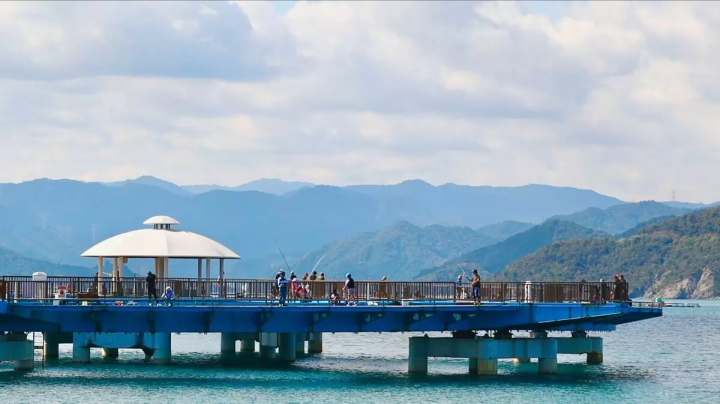
Nestled gracefully at the rugged tip of the Oshima Peninsula in Oi Town, Fukui Prefecture, the Akaguri Sea Fishing Park stands as a beacon for maritime leisure along the dynamic coastline of Wakasa Bay. Merging accessible marine recreation with breathtaking natural topography, this premier facility offers a masterclass in regional tourism development. Featuring a secure, expansive pier system, robust infrastructure, and protected coastal waters, Akaguri bridges the gap between casual outdoor recreation and authentic sea fishing.
As autumn peak season takes hold of the Reinan region, the park has experienced a surge in regional and interstate visitors. Offering everything from equipment rentals and on-site bait shops to family-friendly barbecue amenities, Akaguri Sea Fishing Park exemplifies how local communities can harness natural geography to foster sustainable, engaging coastal tourism. This report provides an authoritative overview of the park’s operational framework, seasonal angling profiles, essential visitor logistics, and its broader economic impact on the Fukui Prefecture coastline.
Detailed Chronology: A Day on the Oshima Peninsula
The journey to Akaguri Sea Fishing Park is as much about the visual cadence of the Reinan landscape as it is about the destination itself. Regional revitalization initiatives emphasize the preservation of traditional fishing hamlets, a character fully preserved along the winding coastal roads of the Oshima Peninsula.
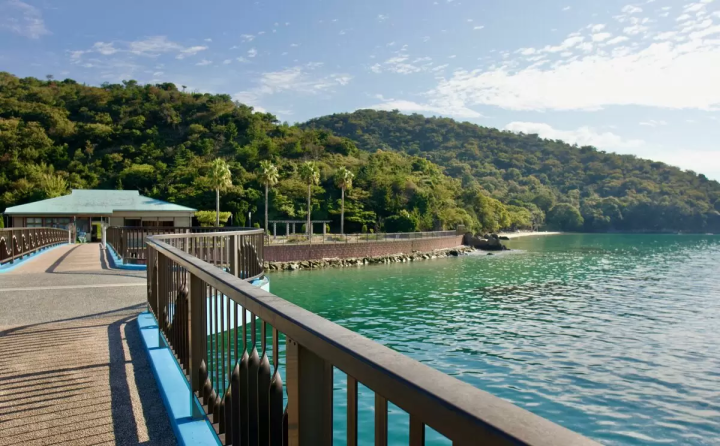
Morning Approach and Arrival
Setting out along the peninsula in the crisp autumn air, travelers are greeted by idyllic vistas: traditional Japanese inns standing shoulder-to-shoulder with quiet ports where small wooden fishing craft gently rock on turquoise swells. The route transitions seamlessly from historical harbor life to the modern infrastructure of the sea fishing park.
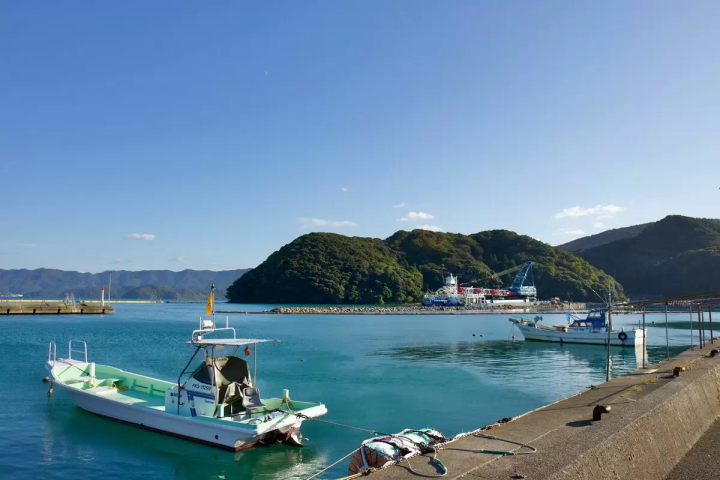
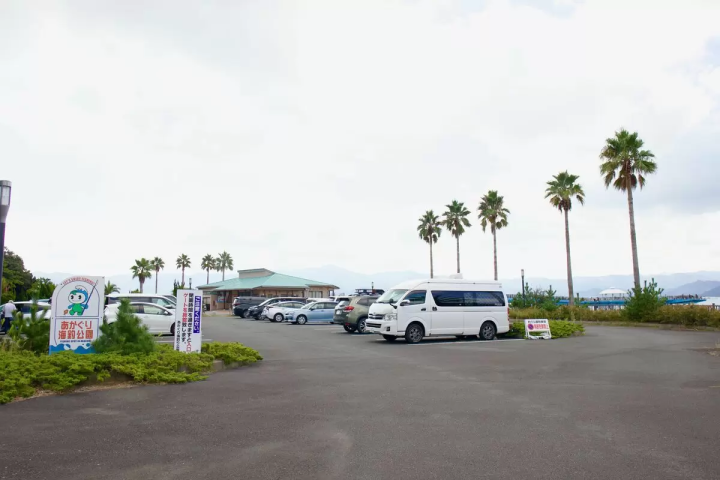
Upon reaching the park gate at the terminus of the access road, visitors complete initial vehicle processing, paying a standardized parking fee of 1,000 yen per regular passenger car to the attendant staff. From this security and logistical checkpoint, a brief two-minute drive leads motorists to the main parking zone.
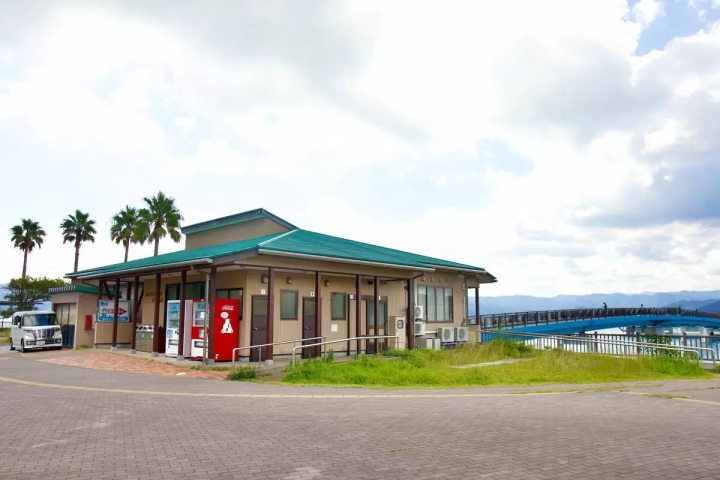
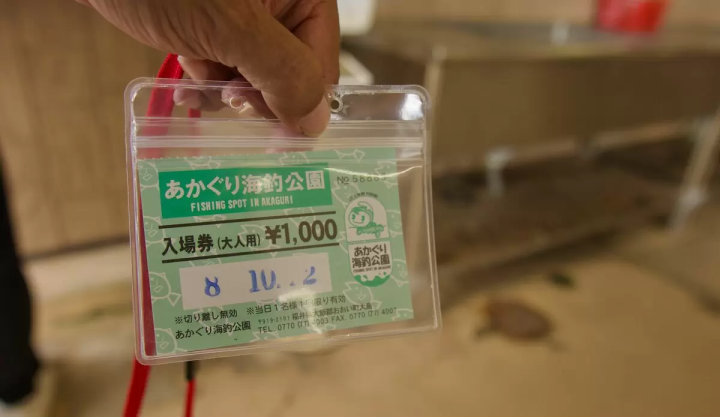
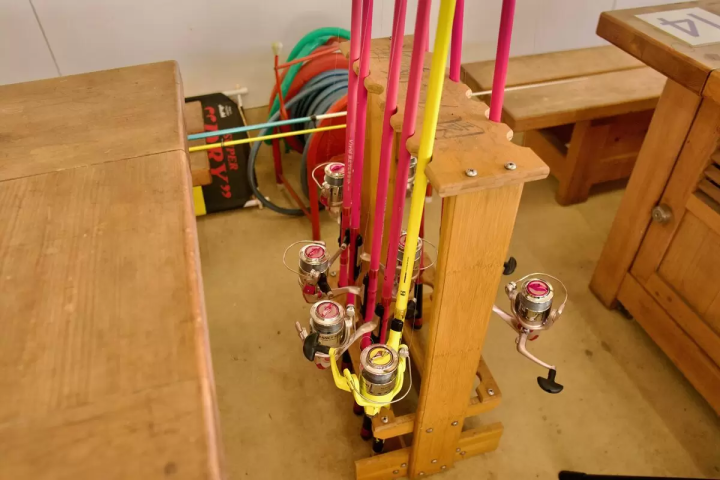
Guests unload their gear and proceed to the central reception building—a multi-functional hub equipped with modern restrooms, vending facilities, rental counters, and a dedicated barbecue space. Admission tickets are acquired efficiently on-site, priced competitively at 1,000 yen for adults and 500 yen for children (with preschool-aged children entering free of charge).
Crossing the Span to the Main Pier
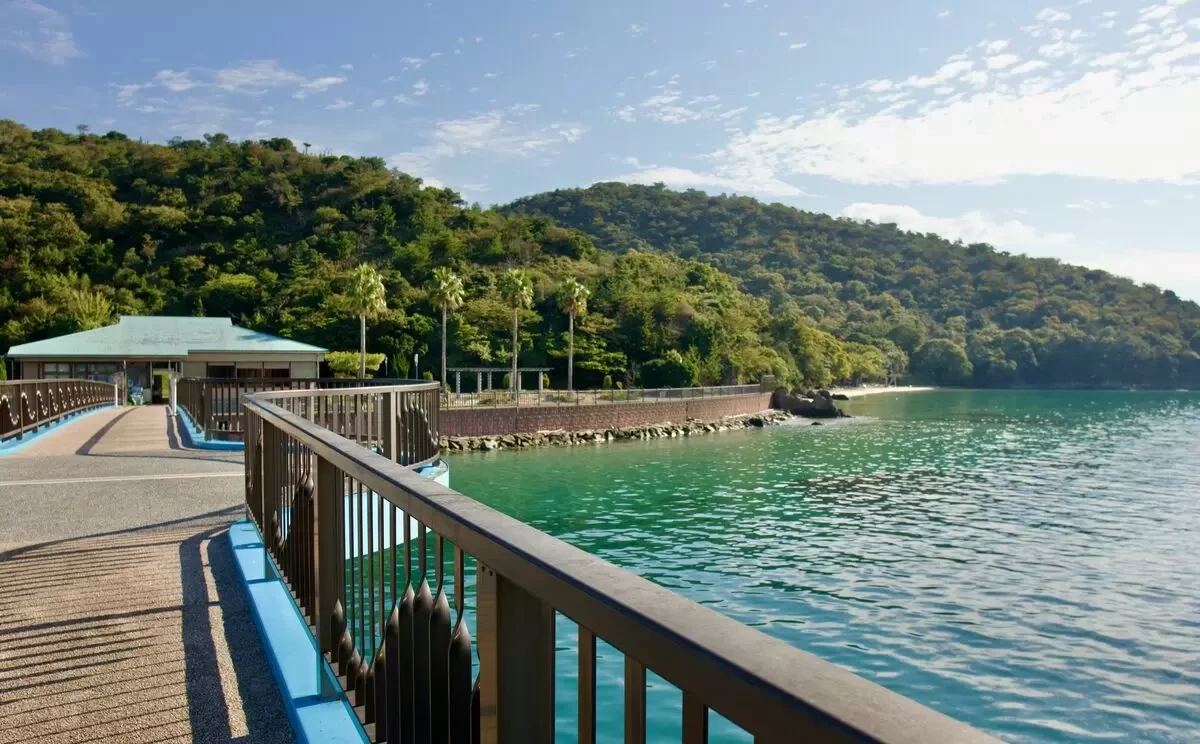
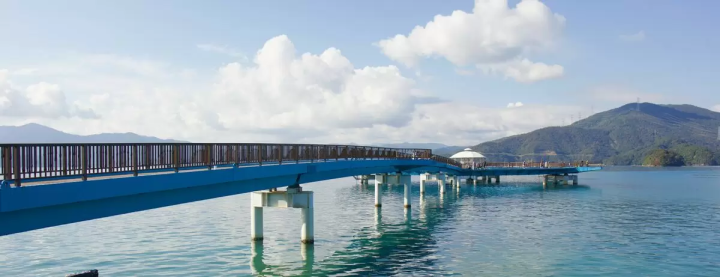
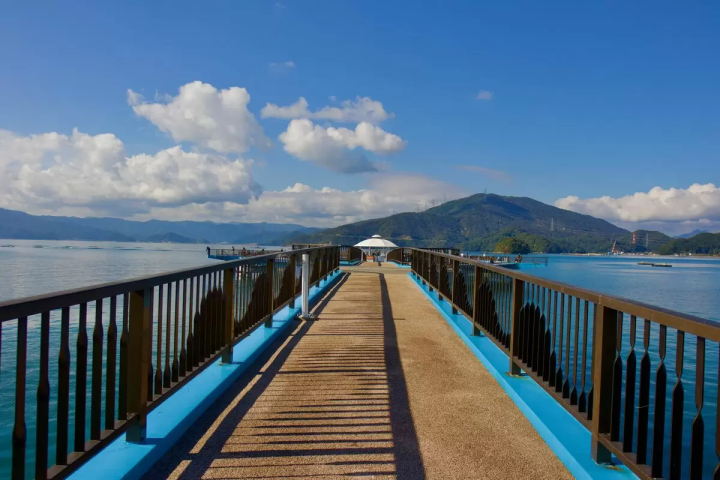
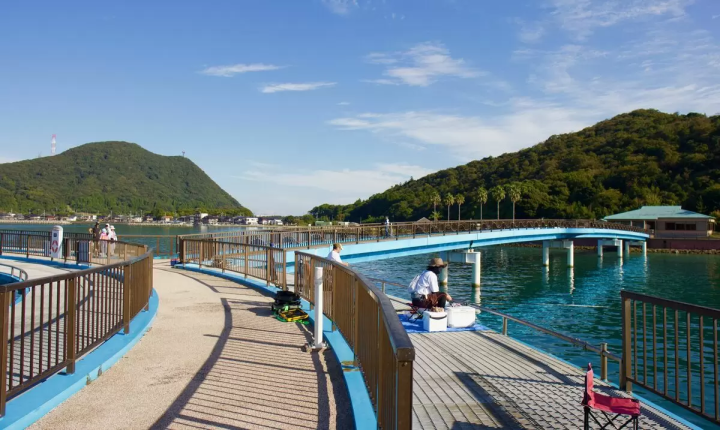
From the reception precinct, anglers traverse an impressive 100-meter-long pedestrian bridge stretching straight out over the crystalline expanse of Wakasa Bay. This structural engineering feat provides a 360-degree panoramic vantage point, capturing the convergence of lush green mountain slopes plunging sharply into vibrant emerald waters.
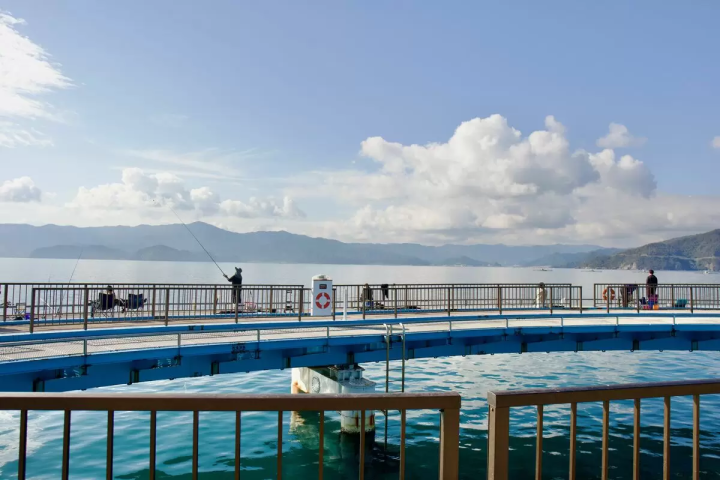
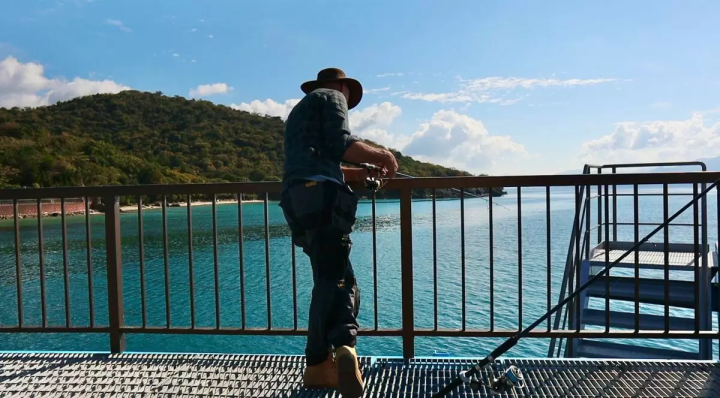
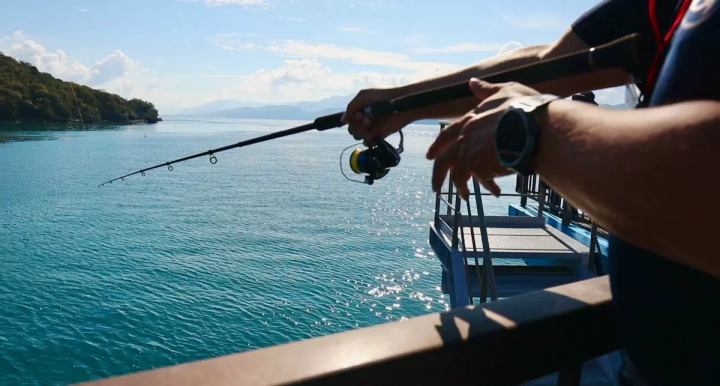
Stepping onto the main fishing platform reveals a meticulously maintained, spacious environment lined with sturdy safety railings. By 08:00 hours on a standard autumn morning, the docks hum with activity. Anglers of all demographics—from seasoned veterans utilizing specialized eging setups to families trying their hand at sabiki fishing—claim strategic positions along the central and peripheral decks.
On-Water Observations and Angling Dynamics
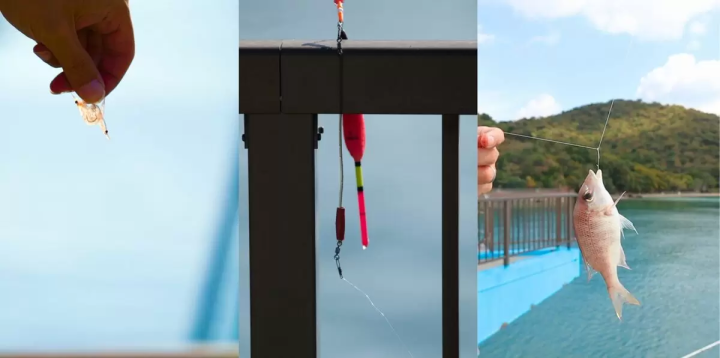
Dropping a shrimp-baited rig into the water yields immediate signs of marine biodiversity. Crystal-clear visibility allows fish to be observed darting beneath the surface, testing the vigilance of the anglers. While initial strikes from agile horse mackerel or palm-sized chariko (juvenile red sea bream) often test reflexes—sometimes resulting in near-misses or slipped lines—the sheer scale of the pier allows for effortless mobility. When activity slows in one sector, anglers can seamlessly relocate to alternative sections of the expansive platform.
Interstate visitors frequently share catches, showcasing prized catches such as black rockfish (mebaru) hauled in from the deep-water drop-offs near the pier structures. Pink hydrodynamic floats bob rhythmically across the surface, holding rigs at the precise tana (depth strata) where migratory pelagic species cruise, visually telegraphing the sudden, sharp tug of a feeding fish.
Supporting Context & Metrics
Operating a marine facility of this caliber requires precise logistical coordination and an understanding of seasonal ecological patterns within Wakasa Bay. Below is an exhaustive breakdown of operational metrics, seasonal targets, and gear recommendations compiled for the 2026/2027 operational cycle.
Seasonal Angling Matrix
| Season | Operational Months | Primary Target Species | Recommended Methods & Bait |
|---|---|---|---|
| Autumn (Peak) | September – November | Bigfin reef squid, horse mackerel, filefish, Spanish mackerel, rockfish, scorpionfish | Eging with squid jigs; sabiki rigs with krill/shrimp; live-bait fishing using small caught mackerel. |
| Winter | December – February | Greenling, rockfish, sea bass | Slow-bottom exploration near structural pilings using lugworms or krill. |
| Spring | March – May | Rockfish, horse mackerel, rock cod, scorpionfish | Float fishing and bottom-rig presentations using live lugworms and krill. |
| Summer | June – August | Horse mackerel, mackerel, Japanese whiting | Sabiki fishing with chum baskets; short-distance casting over sandy bottoms with sand worms. |
Operational Hours and Fee Schedules
- Operating Period: March 1st through the fourth Sunday of December (subject to prevailing weather and meteorological conditions).
- Daily Operating Hours:
- April to November: 06:00 – 18:00
- December & March: 07:00 – 17:00
- Pier Usage Tariffs:
- Adults (Junior High School and above): 1,000 yen / day
- Children (Elementary School): 500 yen / day
- Preschoolers: Free of charge
- Parking / Environmental Maintenance Fee: 1,000 yen per standard passenger vehicle per day.
- BBQ Facility Rental: 3,000 yen per table (maximum capacity of 6 people; advance reservations mandatory).
Essential Visitor Checklist
To ensure a safe and productive excursion to Akaguri Sea Fishing Park, visitors are advised to prepare according to the following guidelines:
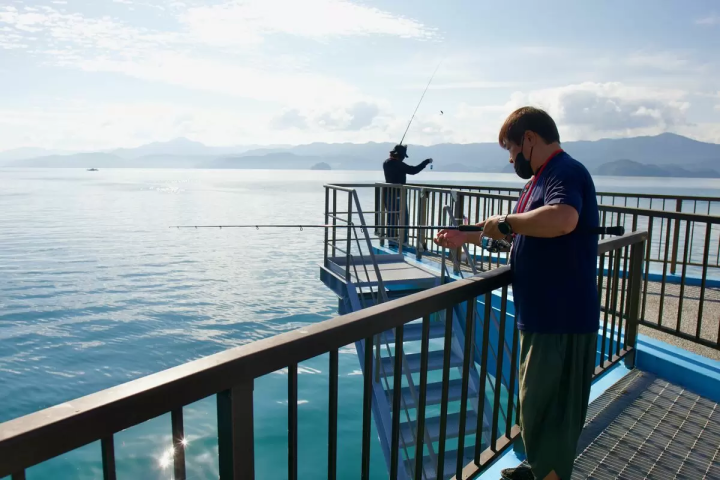
- Weather & Sun Protection: The open-air deck receives direct sunlight throughout the day. Visitors should utilize hats, high-SPF sunscreen, and polarized sunglasses to cut surface glare. A central gazebo offers shaded respite.
- Footwear: Slip-resistant, rubber-soled deck shoes are essential for navigating damp or wet pier surfaces.
- Catch Preservation: Hard-shell coolers packed with adequate block or crushed ice are required to maintain the freshness of harvested seafood.
- Mobility Equipment: Because fixed seating is limited along the immediate perimeter of the pier, lightweight portable folding chairs significantly enhance comfort during extended waits.
- Hygiene Maintenance: Portable hand sanitizer and wet wipes are recommended for cleaning hands before consuming food or beverages on-site.
- Safety Gear: Given that the pier stands several meters above sea level, mandatory life jackets are strongly encouraged for children and non-swimmers.
Official Statements and Institutional Inquiries
The management and administrative oversight of Akaguri Sea Fishing Park are shared between seasonal operational teams and local fisheries cooperatives to ensure regulatory compliance, safety, and visitor satisfaction.
- In-Season Operational Inquiries (April – November):
- Facility Name: Akaguri Sea Fishing Park
- Telephone: 0770-77-4003
- Off-Season & Winter Administrative Inquiries (December – March):
- Organization: Oshima Fisheries Cooperative
- Telephone: 0770-77-0162
- Digital Resources & Catch Reports:
- Official Portal: Oi Town Tourism Association (Akaguri Sea Fishing Park Page) — wakasa-ohi.jp/akaguri-umiduri-koen
- Physical Location: 110-21 Oshima, Oi Town, Fukui Prefecture
Park administrators regularly update official blogs and digital notice boards with daily catch logs. Prospective visitors are encouraged to consult these platforms to cross-reference water temperatures and target species abundance prior to finalizing travel arrangements.
Future Outlook
As regional revitalization initiatives across Fukui Prefecture continue to mature, destinations like Akaguri Sea Fishing Park serve as vital models for sustainable coastal tourism. By balancing ecological preservation with accessible public recreation, Oi Town has successfully cultivated an environment that appeals to multi-generational demographics.
Future developments look toward enhancing ancillary infrastructure, including expanded green-energy integration at the reception hub and enhanced bilingual digital resources to accommodate the growing influx of international tourists discovering the hidden charms of Wakasa Bay. Whether visited for the thrill of landing an autumn pelagic catch or simply to absorb the tranquil, pine-fringed horizons of the Reinan coastline, Akaguri Sea Fishing Park remains an indispensable jewel in Japan’s maritime leisure landscape.









Belum ada komentar. Jadilah yang pertama berkomentar!