

Executive Overview
The complex, often turbulent relationship between Epic Games and Apple has entered yet another fascinating chapter. Following a landmark legal battle that spanned half a decade, Fortnite triumphantly returned to the U.S. App Store, instantly reclaiming its status as a cultural and economic powerhouse on iOS devices. However, the fragile peace was momentarily tested by a sudden technical roadblock: the deployment of a major content update abruptly locked out early adopters running the newly minted iOS 26 and iPadOS 26 developer betas.
The incident highlights the high-wire act that software developers perform when managing cross-platform applications amid bleeding-edge operating system cycles. On June 25, 2025, just eight days after a wave of panic swept through mobile gaming communities, Epic Games deployed version 36.10.1 to the App Store, successfully restoring native compatibility for iOS 26 users.
This report provides a comprehensive analysis of the incident. It examines the timeline of the compatibility crash, the rollout of the mobile-centric Blitz Royale mode, the technical friction inherent in early OS betas, and the broader implications for the future of competitive multiplayer gaming on Apple’s ecosystem.
Detailed Chronology: From Triumph to Sudden Crash
To fully understand the scope of the iOS 26 compatibility scare, one must look at the sequence of events that brought Fortnite back to iPhones and iPads, only for it to momentarily vanish for software pioneers.
The Return to the App Store
After years of courtroom drama and antitrust scrutiny that fundamentally altered how developers view app distribution, Fortnite made its long-awaited comeback to the U.S. App Store. Within hours of its re-listing, the title surged to the top of the "Top Free Games" charts, proving that despite a five-year hiatus from Apple’s official storefront, consumer appetite for Epic Games’ flagship battle royale remained insatiable.
The Catalyst: The Blitz Royale Update
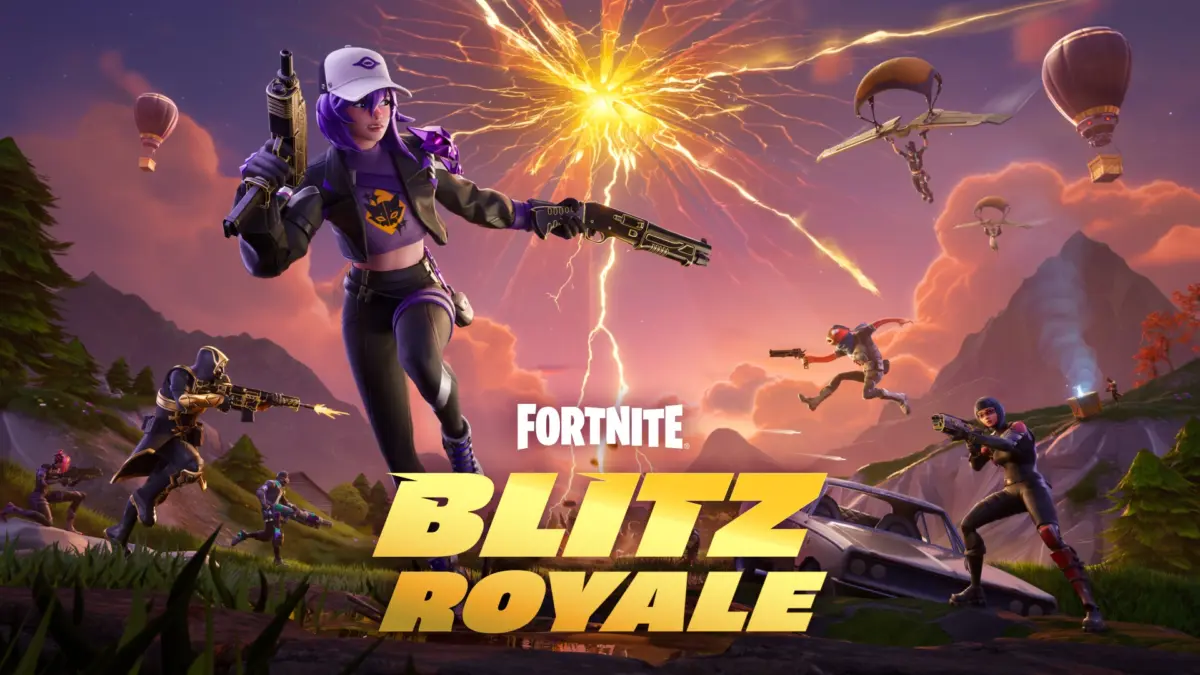
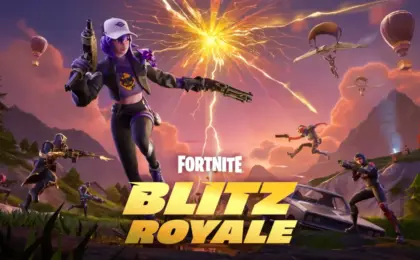
The trouble began when Epic Games pushed a substantial client-side update for iOS and iPadOS. This patch introduced an entirely new, fast-paced game mode tailored explicitly for mobile devices, dubbed Blitz Royale.
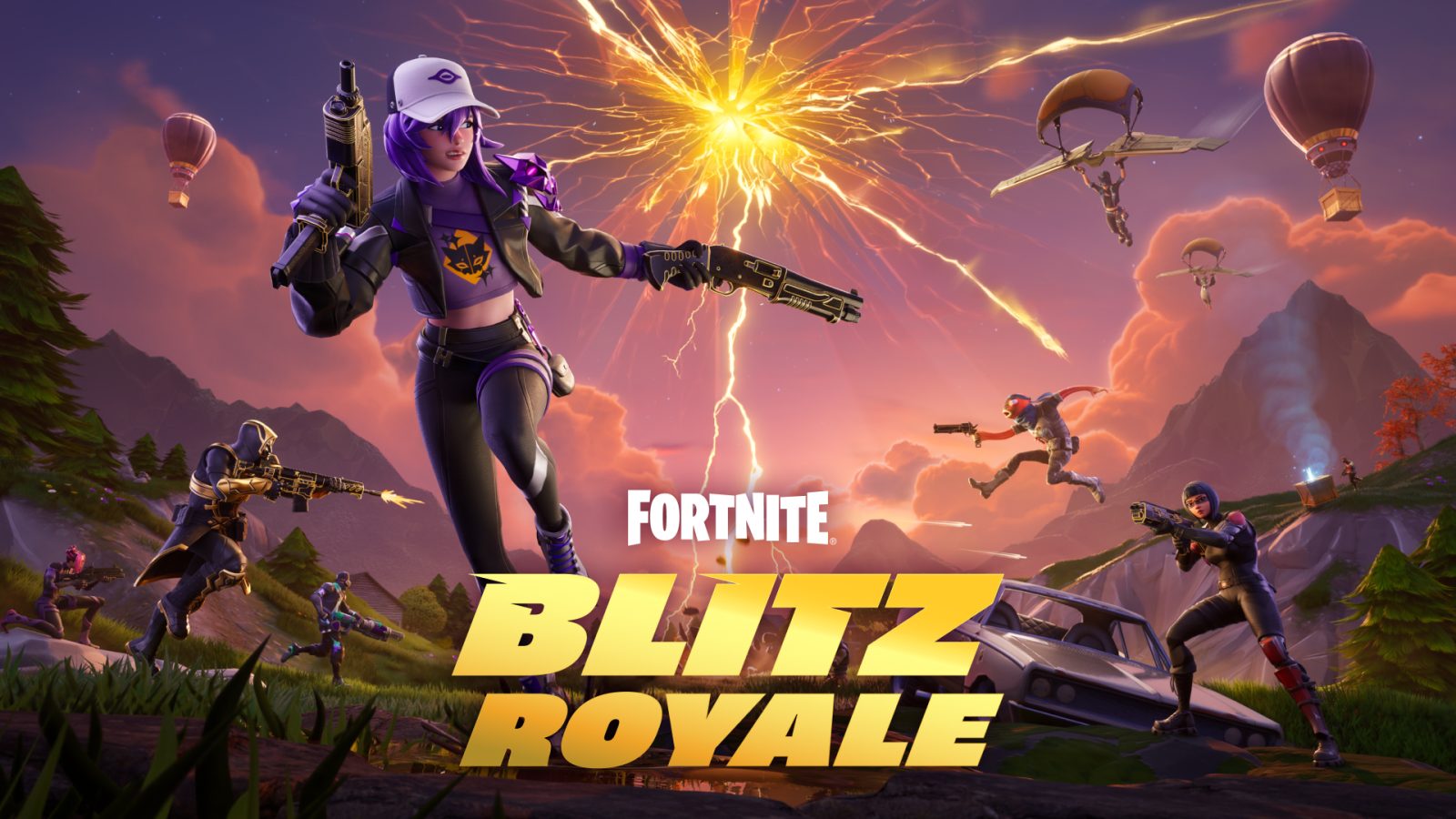
While the update was celebrated for its innovative design choices, it introduced an immediate, fatal flaw for users participating in the Apple developer ecosystem: the application began crashing instantly upon launch for anyone running iOS 26 or iPadOS 26.
Social Media Outcry and Silence
As frustrated gamers took to platforms like X (formerly Twitter) to flag the issue, confusion reigned. Because Fortnite requires a forced version parity—meaning every single player must run the exact same client build to participate in online matchmaking—users who had updated their operating systems were locked out of the game entirely. Adding to the friction, the official Fortnite Status support accounts remained silent during the initial hours of the outage, leaving players to wonder whether the incompatibility was an accidental regression or an intentional block by Epic Games.
The Swift Resolution
Fortunately, the disruption was short-lived. Demonstrating rapid turnaround times, Epic Games published version 36.10.1 to the App Store just over a week later, resolving the underlying code conflict and fully restoring iOS 26 support. For the affected players, the fix eliminated the difficult choice between rolling back their operating systems or abandoning the game.
Supporting Context & Metrics: Navigating Beta Environments and Hardware Demands
The technical breakdown sheds light on the delicate mechanics governing modern mobile app development, particularly when balancing cutting-edge OS iterations with strict hardware limitations.
The Beta Paradox
Typically, app incompatibilities during a beta OS cycle manifest when an older version of an application encounters breaking changes introduced by a new operating system framework. However, the Fortnite incident inverted this dynamic: the existing version of the app ran smoothly on iOS 26, but the updated client code introduced in version 36.10 broke that compatibility.
This suggests that the inclusion of the Blitz Royale architecture, or optimizations intended for low-level graphics APIs, conflicted with undocumented or altered frameworks within the iOS 26 beta environment.

Hardware and RAM Constraints
The episode also underscores the rigorous demands Fortnite places on mobile hardware. Operating a sprawling, high-fidelity Unreal Engine 5 title on a smartphone or tablet requires immense graphical and processing overhead. Recent technical analyses have highlighted that devices with limited memory headroom—such as older iPads featuring 4GB of RAM—are already pushed to their absolute limits when running the game alongside modern iOS builds.
When factoring in an unoptimized beta operating system that frequently consumes more diagnostic and background resources than a stable public release, the margin for error narrows dramatically.
Spotlight on Innovation: The Blitz Royale Experience
Despite the temporary accessibility hurdles, the update that caused the stir introduced one of the most compelling gameplay additions to hit mobile gaming in recent history. Epic Games designed Blitz Royale specifically to address the unique behavioral patterns and constraints of mobile gamers.
+-----------------------------------------------------------------+
|                   FORTNITE BLITZ ROYALE SPECS                   |
+----------------------+------------------------------------------+
| Match Size           | 32 Players                               |
| Average Match Length | 5 Minutes or Less                        |
| Core Mechanics       | Equal starting loot; Leveling via combat |
| Special Feature      | "Boons" (Unique power-ups)               |
| Availability         | Limited-time mode through July 15        |
+----------------------+------------------------------------------+
Streamlined Combat for Mobile Users
Traditional battle royale matches can stretch past the 20-minute mark, demanding sustained focus that may not align with mobile usage habits. Blitz Royale radically compresses this loop into high-intensity, five-minute sessions designed for quick play-cycles.
- Compact Scaling: Dropping 32 players onto a significantly scaled-down map ensures immediate, high-frequency engagement from the moment boots hit the ground.
- Leveling and Looting: To eliminate early-match RNG (Random Number Generation) frustration, all opponents start with a randomized Medallion or unique weapon, ensuring parity out of the gate. Players increase their Blitz Level dynamically by securing eliminations and outliving shrinking Storm circles, unlocking increasingly powerful weapons and perks.
- Golden Trophies: Locating Golden Chests yields powerful utility items, while Golden Supply Drops deliver high-tier Medallions for those willing to contest high-risk zones.
- Boons: The introduction of unique, match-altering power-ups known as "Boons" injects rogue-lite elements into the classic survival formula.
Available for solo players or squads of four, Blitz Royale represents a concerted effort by Epic Games to optimize the Fortnite formula for touchscreens and handheld play.
Official Statements and Industry Impact
While Epic Games did not issue a formal post-mortem regarding the iOS 26 crash, industry analysts view the incident as a textbook example of the friction points that arise when massive third-party platforms operate within tightly controlled, evolving ecosystems.

The Developer-Platformer Tug-of-War
The re-entry of Fortnite into the Apple ecosystem has not been without growing pains. The complex web of alternative app marketplaces, web-based billing systems, and compliance frameworks born out of recent antitrust litigations means that updates are scrutinized more intensely than ever. When a major technical hiccup occurs—even one as benign as a beta incompatibility—it reverberates across social channels, drawing immense scrutiny from both consumers and tech journalists.
Developer Best Practices
For the broader development community, the Fortnite iOS 26 episode serves as a vital reminder of the importance of continuous integration and proactive testing against developer-preview software. As Apple prepares its next-generation operating systems for public deployment later this year, developers across all genres must prioritize day-zero compatibility to prevent alienating early adopters and tech enthusiasts who form the vanguard of digital product engagement.
Future Outlook
The swift deployment of version 36.10.1 demonstrates that Epic Games remains committed to maintaining a frictionless experience for iOS users, even as the platform undergoes rapid modernization.
Looking forward, the intersection of Fortnite’s aggressive mobile content updates—such as the ongoing Blitz Royale trials running through July 15—and Apple’s iterative beta cycles will require vigilance from both companies. As iOS 26 moves closer to its official public release, users can expect further refinements, performance optimizations, and stability patches designed to keep the battle bus running smoothly across all supported iPhones and iPads.
For now, mobile gamers can dive back into the action, secure in the knowledge that the digital bridge between Epic Games’ ambitious updates and Apple’s bleeding-edge operating systems has been firmly re-established.





Belum ada komentar. Jadilah yang pertama berkomentar!