

Executive Overview
The mobile gaming landscape is on the precipice of a seismic shift, and Lenovo is positioning itself at the absolute vanguard of this evolution. Following earlier corporate teasers that offered enthusiasts a tantalizing glimpse at the striking, futuristic chassis of the upcoming Lenovo Legion Y90 gaming smartphone, a massive leak has blown the lid off the device’s internal architecture. Sourced via the Chinese microblogging platform Weibo—specifically through industry insider Panda is bald—the comprehensive specification sheet reveals a device that prioritizes uncompromised raw performance, sophisticated thermal management, and a zero-tolerance approach to latency.
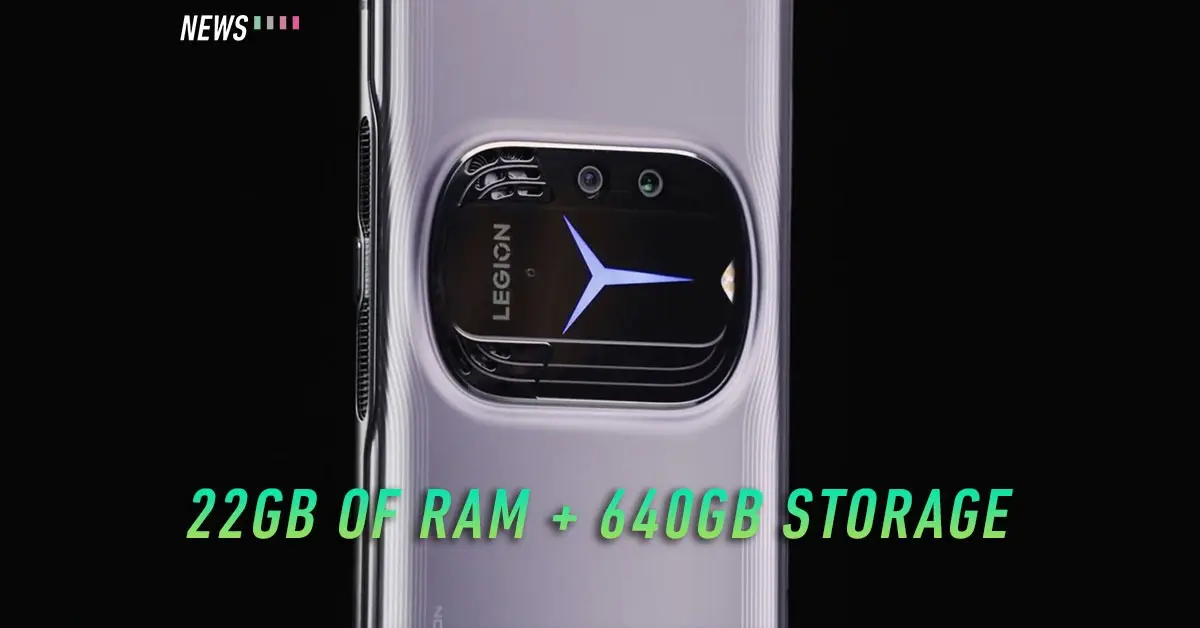
Rather than settling for standard flagship specifications, Lenovo appears to be constructing a pocket-sized powerhouse designed to challenge the boundaries of what is thermally and mechanically possible in a smartphone form factor. At its core, the Legion Y90 pairs Qualcomm’s premier Snapdragon 8 Gen 1 chipset with an unprecedented amount of physical and virtual RAM, culminating in a theoretical ceiling of 22GB. Coupled with a massive 6.92-inch high-refresh-rate AMOLED display, a dual-engine air cooling system, and expansive storage variants stretching up to 640GB, the Legion Y90 is not merely an incremental upgrade over its predecessor. It is a calculated statement of intent aimed squarely at hardcore mobile competitors, content creators, and power users who demand desktop-class capability within a mobile chassis.
Detailed Chronology of the Leak and Device Evolution
To fully appreciate the significance of the Legion Y90’s specification leak, it is essential to trace the timeline of Lenovo’s aggressive marketing and product development cycle for its specialized gaming sub-brand.
The Teaser Campaign: Establishing the Aesthetic
The journey toward the Legion Y90 began in earnest when Lenovo’s mobile division released official design renders of the upcoming flagship. Unlike traditional smartphones that lean toward sleek minimalism, the Legion Y90 embraces a bold, unmistakable "gamer-first" identity. The chassis exhibits symmetrical lines, a pronounced central camera island housing active cooling ventilation ports, and striking RGB illumination elements that signal its high-performance lineage.
The Weibo Leak: Unveiling the Hardware Blueprint
While the initial teasers satisfied early curiosity regarding the external industrial design, critical questions surrounding the internal components remained unanswered. That vacuum of information was decisively filled when tipster Panda is bald published detailed screenshots and specification breakdowns on Weibo. This leak shifted the narrative from speculative excitement to hard engineering metrics, providing analysts and consumers with a clear picture of how Lenovo plans to cool and feed the silicon beast residing within the Legion Y90.
Anticipated Ecosystem Launch
Industry watchers note that the Legion Y90 is not debuting in a vacuum. It is slated to arrive alongside the Lenovo Legion Y700, an equally anticipated gaming tablet powered by the Qualcomm Snapdragon 870 processor, which boasts unique features such as adjustable aspect ratios for specialized gaming workflows. While Lenovo has kept official launch schedules tightly under wraps, supply chain indicators and industry consensus point toward an official global rollout and localized releases well before the midpoint of 2022.
Supporting Context & Metrics: Under the Hood of the Legion Y90
A comprehensive analysis of the leaked specification sheet reveals a meticulously engineered hardware ecosystem. Every component has been selected to eliminate performance bottlenecks, reduce thermal throttling, and provide a competitive edge in fast-paced competitive titles.
+--------------------------------------------------------------------------+
                    LENOVO LEGION Y90: SPECIFICATION MATRIX
+-----------------------+--------------------------------------------------+
| Component             | Specification Details                            |
+-----------------------+--------------------------------------------------+
| Display Panel         | 6.92-inch AMOLED, 144Hz Refresh Rate             |
| Touch Sampling        | 720Hz Touch Sampling Rate                        |
| Processor (SoC)       | Qualcomm Snapdragon 8 Gen 1                      |
| Memory (RAM)          | 18GB Physical + 4GB Virtual (Up to 22GB Total)   |
| Internal Storage      | Up to 640GB Maximum Capacity                     |
| Battery Capacity      | 5,600mAh Dual-Cell Architecture                  |
| Wired Charging        | 68W Fast Charging Support                        |
| Audio System          | Dual Dolby Atmos Stereo Speakers                 |
| Cooling Technology    | Double Engine Air Cooling Technology             |
| Control Inputs        | 2x2 Shoulder Keys, Dual X-Axis Linear Motors     |
+-----------------------+--------------------------------------------------+
Visual and Tactile Mastery: The Display and Controls
Mobile gaming hinges entirely on visual fidelity and input precision. The Legion Y90 addresses this through a sprawling 6.92-inch AMOLED display. Eschewing punch-hole cutouts that might interrupt gameplay immersion, the panel prioritizes a pristine viewing area accompanied by an ultra-smooth 144Hz refresh rate. This ensures that high-framerate titles render with buttery-smooth fluidity.
Furthermore, the display features an astonishing 720Hz touch sampling rate, drastically reducing input lag from the moment a user’s finger registers on the glass to the corresponding on-screen action. To bridge the gap between touchscreen limitations and dedicated controller ergonomics, Lenovo has integrated physical 2×2 shoulder keys alongside a responsive dual X-axis linear motor system. This setup delivers nuanced, directional haptic feedback that simulates mechanical triggers and physical impacts, elevating the tactile experience significantly.
Computational Dominance: Snapdragon 8 Gen 1 and 22GB RAM
At the heart of the Legion Y90 lies Qualcomm’s flagship Snapdragon 8 Gen 1 system-on-chip, built on an advanced 4nm manufacturing process. This silicon brings generational leaps in CPU performance, GPU rendering capabilities, and artificial intelligence processing.
However, the true talking point of the leaked specification sheet is the memory configuration. The device packs a staggering 18GB of physical RAM. In an era where standard flagships operate comfortably on 8GB to 12GB, an 18GB allotment borders on excess—yet Lenovo goes a step further by introducing 4GB of virtual RAM expansion. This software-assisted memory pooling allows the system to tap into unused storage space to maintain active background processes, resulting in a theoretical ceiling of 22GB of total available memory. Combined with up to 640GB of onboard storage, users will find themselves functionally immune to memory management crashes or storage constraints, even when juggling multiple heavyweight titles, screen recording software, and high-resolution media libraries.
Power Management and Thermal Architecture
Packing high-performance components into a compact mobile chassis inevitably generates immense thermal energy. To combat thermal throttling—the primary nemesis of sustained mobile performance—Lenovo has equipped the Legion Y90 with proprietary Double Engine Air Cooling Technology. This active and passive cooling matrix works in tandem with the device’s internal vapor chambers and ventilation architecture to dissipate heat rapidly during extended gaming sessions.
To fuel this hardware ecosystem, the device incorporates a robust 5,600mAh battery. Recognizing that heavy gaming quickly depletes power reserves, Lenovo has integrated 68W fast charging support, ensuring that users can rapidly transition from empty batteries back to full operational readiness with minimal downtime. Audiophiles and competitive players will also appreciate the inclusion of dual Dolby Atmos stereo speakers, providing spatial audio cues crucial for identifying enemy footsteps and environmental hazards in competitive tactical shooters.
Official Statements and Industry Industry Analysis
While Lenovo has maintained a strategic silence regarding the specific authenticity of the leaked Weibo documents, historical precedent suggests that these leaks align closely with the company’s product development trajectory. Lenovo’s Legion brand has consistently pushed the envelope of unorthodox engineering, previously utilizing dual USB-C ports, side-mounted pop-up cameras, and aggressive active cooling fans in earlier iterations like the Legion Phone Duel series.
Industry analysts reviewing the leaked specifications note that the Legion Y90 represents a maturation of the dedicated gaming phone genre. Earlier attempts by various manufacturers often suffered from awkward ergonomics, subpar camera systems, or thermal runaway issues. By adopting the Snapdragon 8 Gen 1 alongside refined active cooling and a more practical industrial design, Lenovo is attempting to capture not only hardcore mobile gamers but also power users who value raw computational overhead for demanding professional applications, video rendering, and multitasking.
Furthermore, the decision to launch the Legion Y90 alongside the Legion Y700 tablet underscores Lenovo’s ambition to cultivate a unified gaming ecosystem. By providing cross-device synchronization, shared software utilities, and tailored hardware controls across multiple form factors, Lenovo is actively attempting to establish a dominant market share in the burgeoning mobile-and-portable gaming segment.
Future Outlook: What Lies Ahead for the Legion Ecosystem
As the mobile technology sector looks toward the official announcement and commercial release of the Lenovo Legion Y90, several critical questions remain to be answered by the manufacturer:
- Global Availability and Pricing: While devices of this caliber frequently debut in mainland China first, the international rollout strategy will dictate whether Western consumers can access the 18GB/640GB configuration without resorting to imported variants.
- Software Optimization: With 22GB of combined RAM and a 720Hz touch sampling rate, the success of the device will heavily depend on how effectively Lenovo’s custom operating system manages resource allocation and game optimization profiles.
- Thermal Sustained Performance Benchmarks: Independent reviewers will scrutinize the Double Engine Air Cooling Technology to determine whether the Snapdragon 8 Gen 1 can maintain peak clock speeds during prolonged, intensive gaming sessions without inducing surface temperatures that compromise comfort.
The leaks surrounding the Lenovo Legion Y90 paint a picture of an uncompromising, spec-heavy device designed for users who refuse to compromise on mobile performance. As we draw closer to the projected mid-2022 launch window, anticipation will only continue to mount. Whether the Legion Y90 can successfully translate these formidable specifications into an unrivaled everyday user experience remains to be seen, but one reality is indisputable: Lenovo is refusing to pull any punches in the battle for mobile gaming supremacy.









Belum ada komentar. Jadilah yang pertama berkomentar!