

Date: October 31, 2026
Location: Oita Prefecture, Japan
Category: Travel Safety, Infrastructure, Regional Tourism
Executive Overview
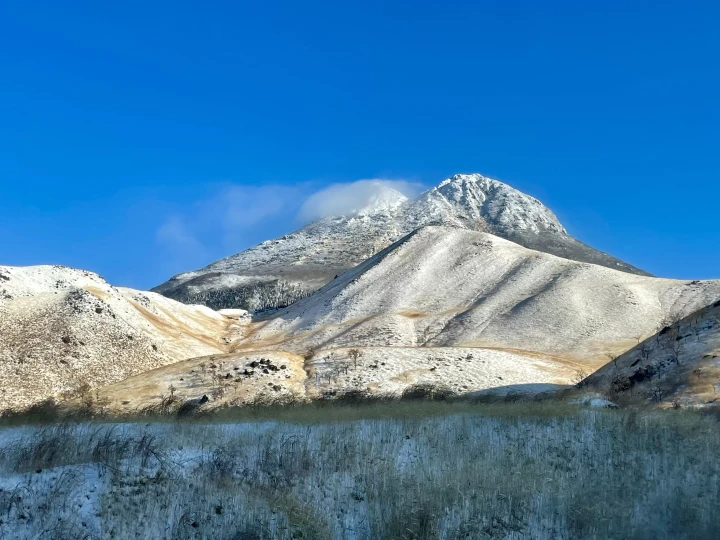
Oita Prefecture, celebrated nationwide as Japan’s premier hot-spring province, offers some of the most dramatic and visually arresting driving landscapes in East Asia. From the world-renowned geothermal havens of Yufuin and Beppu to the sweeping alpine vistas of the Yamanami Highway and the rugged contours of the Kuju Mountain Range, this region beckons motorists seeking an immersive road trip experience. However, beneath the picturesque surface lies a complex and unforgiving topography.
For urban commuters accustomed to the brightly lit, heavily engineered, and thoroughly demarcated thoroughfares of major metropolitan areas like Tokyo, Osaka, or Fukuoka, Oita’s rural and mountainous byways present a distinct set of operational hazards. This is particularly true for international visitors navigating foreign traffic codes behind the wheel of unfamiliar rental vehicles.
As the calendar turns from the golden hues of autumn to the crisp, freezing conditions of winter, these environmental challenges multiply exponentially. Dense, sudden-onset valley fogs, localized black ice, hidden roadside drainage ditches, active wildlife populations, and an exceptionally early twilight combine to test even experienced motorists.
This comprehensive safety briefing provides an authoritative analysis of the physical, meteorological, and regulatory realities of driving through Yufuin, Beppu, and the broader Kuju region during the autumn and winter months. By examining infrastructure specificities, seasonal hazards, and vital preventative strategies, this guide aims to safeguard motorists against preventable accidents, structural vehicle damage, and emergency strandings.
Detailed Chronology & Seasonal Risk Progression
To fully grasp the hazards of driving in Oita’s mountainous interiors, one must trace how the driving environment degrades and transforms from early autumn through the heart of winter.
Phase 1: Early to Mid-Autumn (October – November)
The transition into autumn brings vibrant foliage, drawing heavy tourism to routes like the Yamanami Highway. During this phase, the primary hazards are behavioral and environmental:
- High-Speed Sightseeing Discrepancies: The Yamanami Highway features long, sweeping stretches with minimal traffic control lights. Unfamiliar tourists frequently slow down abruptly or attempt sudden stops on active roadways to capture photographs, creating severe rear-end collision hazards for faster-moving local traffic.
- Fallen Leaf Accumulation: As deciduous trees shed their leaves, precipitation mixes with organic debris along the shoulders of rural roads. This creates an unexpectedly slick surface while simultaneously obscuring the edges of uncovered drainage ditches—a primary trap for vehicles veering too far to the left.
- Rapidly Declining Daylight: By late October and November, twilight descends aggressively. In the deep river valleys and mountain passes surrounding Yufuin, ambient light disappears entirely between 4:30 PM and 5:00 PM, catching unprepared drivers off-guard in unlit rural sectors.
Phase 2: Late Autumn to Early Winter (December)
As temperatures plummet below the dew point and the first frosts take hold, the mechanical demands on the vehicle and driver shift dramatically:
- Sub-Surface Freezing and Black Ice: Even in the absence of active snowfall, mountain microclimates cause moisture seeping from rock faces to pool across shaded stretches of asphalt. This water freezes invisibly into black ice, drastically reducing tire friction coefficients and rendering standard braking maneuvers ineffective.
- The Onset of Wildlife Activity: Dusk and evening hours bring increased movement among local fauna. Wild deer populations, particularly along the mountain corridor connecting Beppu and Yufuin, migrate toward roadsides to graze, presenting high-impact collision risks in low-visibility conditions.
Phase 3: Peak Winter Conditions (January – March)
The coldest months bring the highest regulatory and physical constraints to Oita’s high-altitude passes:
- Winter Tire Mandates: Highways and elevated segments of regional byways frequently implement statutory winter tire regulations. Vehicles unequipped with specialized rubber face immediate travel restrictions or face catastrophic loss of control on snow-packed grades.
- Remote Isolation Risks: Freezing temperatures, combined with weak cellular communication signals in deep mountain gorges, mean that minor sliding incidents or tire-drop accidents can quickly escalate into multi-hour emergency rescue scenarios.
Supporting Context & Infrastructure Metrics
Navigating Japanese roadways requires strict adherence to localized motoring customs and an acute awareness of civil engineering differences compared to Western or other Asian road networks.
Lane Discipline and the Left-Hand Rule
Japan enforces a strict left-hand traffic configuration. On multi-lane regional bypasses or dual-carriageway sections leading toward tourist hubs, the leftmost lane functions as the primary lane of travel, while the right lane is reserved exclusively for overtaking.
- The Urban Driver Fallacy: City drivers from right-hand-drive or left-hand-drive urban grids often drift into the right lane out of habit or confusion, lingering there while driving below the flow of traffic. This induces road rage and creates dangerous passing bottlenecks.
- Immediate Re-entry: Motorists must execute overtaking maneuvers swiftly and return to the left lane without delay to maintain traffic equilibrium.
The Uncovered Gutter Hazard
A defining characteristic of rural Japanese civil engineering is the presence of open drainage gutters flanking older roads. Designed to manage heavy seasonal monsoons and snowmelt, these concrete trenches frequently lack protective metal grates.
- Width Disorientation: International drivers, unaccustomed to the physical dimensions of standard-issue Japanese compact rental cars or kei-cars, routinely overcorrect toward the left when yielding to oncoming traffic on narrow mountain lanes.
- Immobilization Mechanics: Dropping a front or rear tire into an open gutter immediately high-centers the vehicle, bending suspension components, shredding tire sidewalls, and completely immobilizing the automobile. Because these gutters are frequently masked by autumn leaf litter, maintaining a strict centerline buffer is critical.
Meteorological Pressures: Mountain Fogs ("Gas")
The geographical confluence of warm hot-spring steam rising from Yufuin and Beppu basins colliding with cool atmospheric fronts creates dense, localized valley fogs—locally referred to as gasu.
- Visibility Collapse: Drivers can transition from clear conditions to zero-visibility whiteouts within seconds. Centerlines and guardrails disappear, forcing reliance on dead reckoning and extreme speed reduction. Continuing blindly into heavy fog exponentially raises the probability of multi-car rear-end collisions or catastrophic lane departures into ravines.
Official Guidelines & Regulatory Compliance
To mitigate the statistical risks associated with rural Oita driving, regional transport bureaus, police authorities, and rental car associations have formalized a strict set of operational protocols.
Mandatory Pre-Departure Checklist
Before turning the ignition on any vehicle destined for Oita’s interior, motorists must verify the following operational readiness parameters:
- Meteorological Verification: Check targeted regional forecasts not just for precipitation, but specifically for high-altitude fog advisories and wind warnings.
- Tire Specification Audit: For any travel scheduled between December and March, confirm that the vehicle is fitted with certified winter tires (studded or high-grip siped winter rubber). Simply possessing snow chains is insufficient for fluctuating mountain conditions; proper rubber compounds must be pre-installed.
- Lighting System Check: Ensure operational integrity of low-beams, high-beams, and, crucially, specialized front fog lamps designed to cut beneath low-hanging vapor layers.
- Control Familiarization: Master the activation points for hazard warning lights and turn signals before leaving the rental depot. In high-pressure situations, fumbling for switchgear leads to hesitation and accidents.
- Emergency Communications Input: Program essential emergency numbers into your mobile device prior to departure:
- Police: 110
- Fire & Ambulance: 119
- Roadside Assistance / Rental Provider Support: Pre-saved specific hotline provided at vehicle handover.
Behavioral Protocols During Transit
- The Pull-Over Mandate: If anxiety sets in due to tight hairpin turns, dense fog, or aggressive tailgating by local commuters, drivers must not force themselves onward. Oita’s mountain routes are punctuated with designated michinoeki (roadside rest stations), scenic overlooks, and wide pull-offs. Pulling safely to the side allows the driver to reset composure and lets faster traffic clear.
- Wildlife Avoidance Procedures: Upon spotting wild deer near the asphalt edge, motorists must immediately reduce speed without slamming on the brakes (to avoid rear-end impacts from behind). Honing too close to the shoulder increases the risk of startling the animal into a direct collision path.
- Signaling Intent: Because mountain roads encourage momentum, any deceleration for photography or turning must be signaled well in advance via directional indicators. Abrupt braking without warning on high-speed tourist corridors is a primary catalyst for severe kinetic impacts.
Future Outlook & Infrastructure Evolution
As Oita Prefecture continues to expand its international tourism footprint, regional authorities and civil infrastructure planners are actively deploying countermeasures to balance accessibility with absolute safety.
Smart Road Infrastructure and Warning Systems
Over the coming fiscal cycles, the Oita Prefectural Government, in cooperation with the Ministry of Land, Infrastructure, Transport and Tourism (MLIT), is slated to expand the installation of automated meteorological sensors along the Yamanami Highway. These sensors will feed real-time black-ice warnings and fog density alerts directly into digital rental car navigation systems in multiple languages.
Enhanced Roadside Signage and Gutter Shielding
To address the persistent hazard of uncovered drainage ditches, pilot programs are underway to retrofit high-traffic tourist routes with reflective hazard markers and, where feasible, load-bearing concrete or steel grating over critical agricultural drainage arteries. Furthermore, internationalized signage utilizing universal pictograms rather than text-heavy warnings is replacing legacy signage at major mountain intersections.
Rental Agency Compliance Reforms
Major rental car operators in Fukuoka, Beppu, and Oita Airport are tightening vehicle handover protocols. Effective immediately, rental agents are mandated to conduct verbal safety briefings specifically regarding mountain gutter hazards and winter tire requirements for any customer indicating travel itineraries involving Yufuin or the Kuju mountains. Failure to specify winter tires during the December–March booking window will increasingly result in rental denial for high-altitude transits.
Conclusion
Driving through Oita Prefecture’s breathtaking mountain landscapes is an unforgettable privilege, but one that demands respect, preparation, and rigorous adherence to local traffic conventions. Whether battling the sudden whiteouts of Yufuin’s valley fogs, negotiating the invisible menace of black ice on shaded alpine passes, or maintaining disciplined left-lane composure, safety rests entirely on the driver’s proactive choices. By outfitting vehicles correctly, respecting natural timeframes, and prioritizing calm, defensive driving over haste, motorists can ensure their journey through Japan’s thermal heartland remains secure, memorable, and entirely hazard-free.






Belum ada komentar. Jadilah yang pertama berkomentar!