

Executive Overview
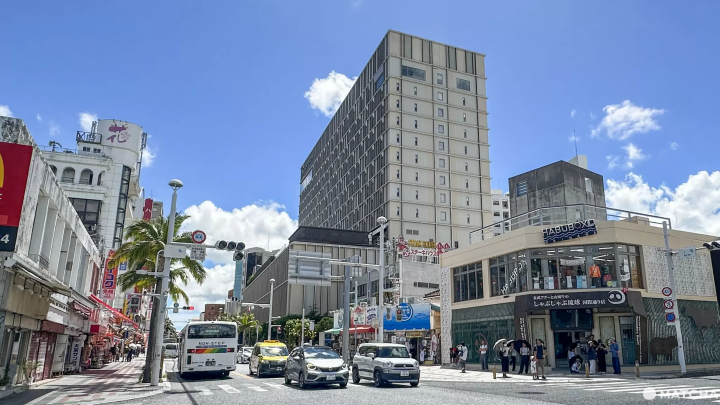
Stretching approximately 1.6 kilometers (one mile) through the vibrant heart of Naha, Okinawa’s capital, Kokusai Dori (International Street) stands as the quintessential travel destination for visitors exploring the Ryukyu archipelago. Connecting Kencho-mae Station to the west with Makishi Station to the east, this bustling thoroughfare serves as the geographic and economic epicenter of modern Okinawan tourism. However, beyond its shimmering surface of neon-lit storefronts and souvenir emporiums lies a deeply layered culinary ecosystem.
For the discerning traveler, navigating this dense urban corridor requires more than casual wandering. To optimize efficiency and fully appreciate the breadth of local gastronomy, experts recommend treating Kokusai Dori as a linear tasting menu. Beginning at Kencho-mae Station and progressing eastward toward the historic covered arcades of Heiwa Dori, Ichiba Hondori, and the First Makishi Public Market, visitors can systematically unpack a century of cultural fusion, artisanal craftsmanship, and tropical agriculture.
This authoritative report maps out the premier culinary waypoints, premier retail destinations, and surrounding architectural gems that define a day—and night—along Okinawa’s most famous avenue.
Detailed Chronology of a Culinary Expedition
To execute an efficient, palate-pleasing traverse of Kokusai Dori, travelers are advised to follow a sequential trajectory from west to east. This chronological path ensures that sweet treats, savory bites, and refreshing respites are sampled in an optimal sequence without the fatigue of backtracking.
Phase 1: The Departure Point — Kencho-mae to Matsuo
Initiating the journey at the Kencho-mae Station end of the avenue places visitors immediately within striking distance of innovative confectioners and iconic regional fast-food institutions.
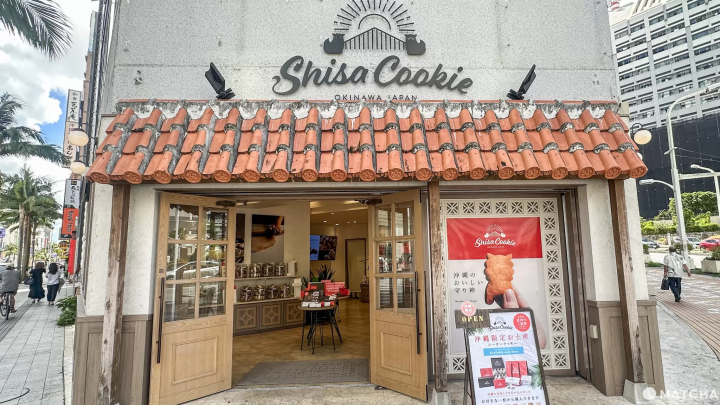
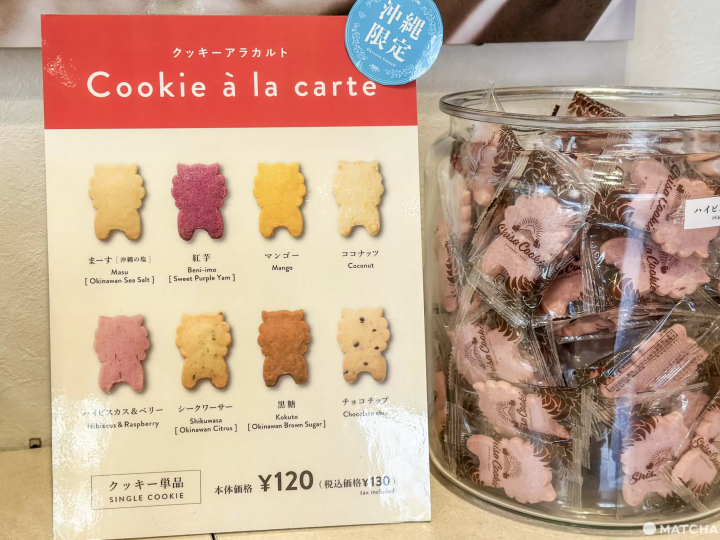
- Shisa Cookie: Most travelers quickly become acquainted with Okinawa’s iconic shisa—the traditional lion-dog guardian figures perched on terracotta rooftops to ward off malevolent spirits. At Shisa Cookie, located near the starting gate of the tour, these mythical guardians are immortalized as baked goods. The shop offers an extensive array of flavors, complemented by generous complimentary sampling stations. According to floor staff, the shekwasha citrus flavor—utilizing a tart, green Okinawan fruit structurally and functionally similar to a lime—is a standout offering, marrying sharp, crisp citrus top notes with a delicate, buttery crumb. During the summer months, shekwasha and tropical mango reign supreme in sales volume.
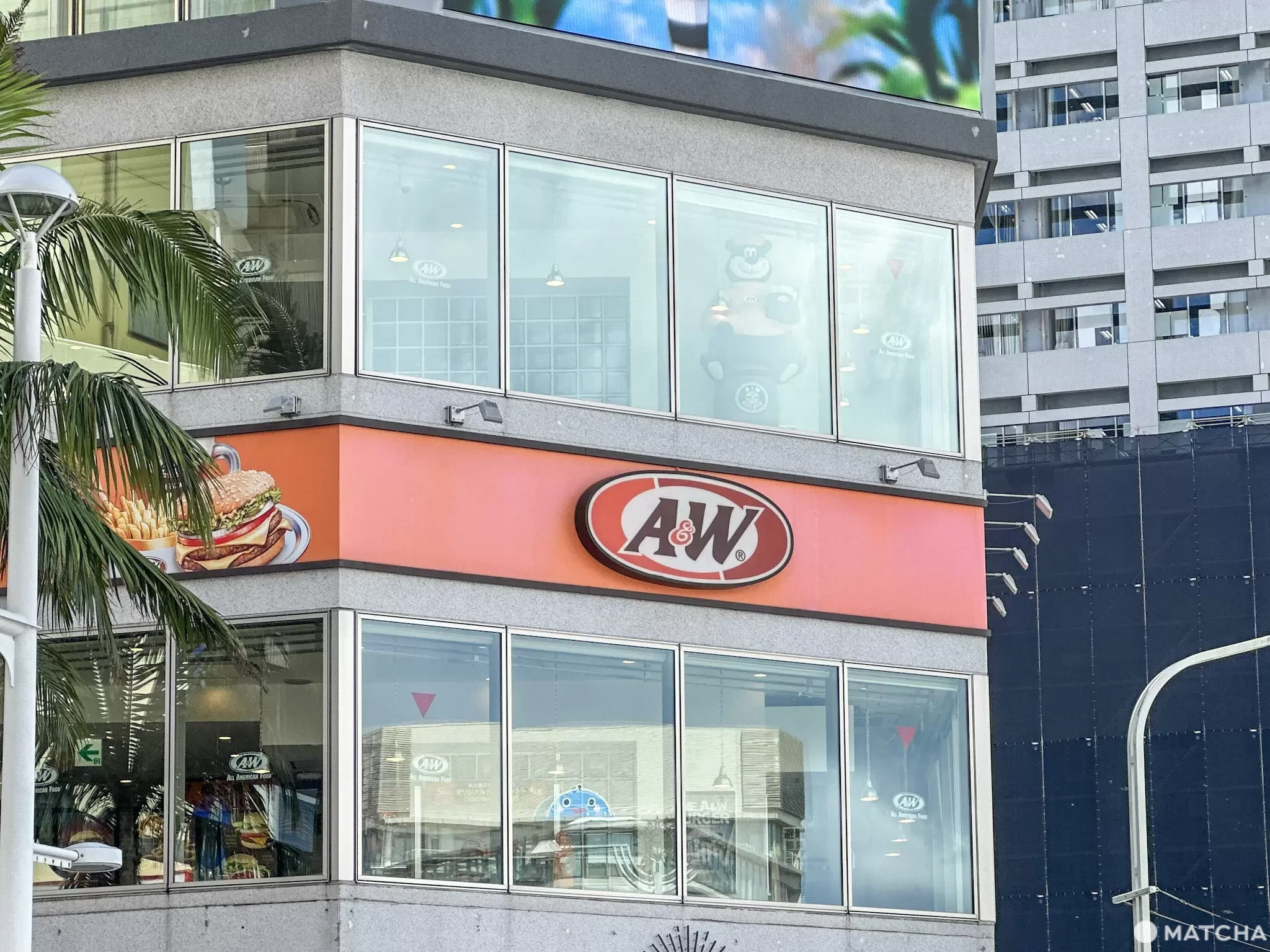
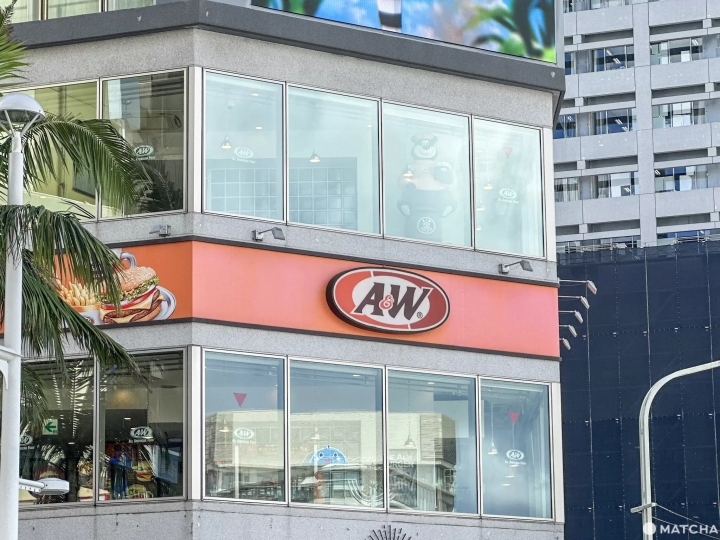
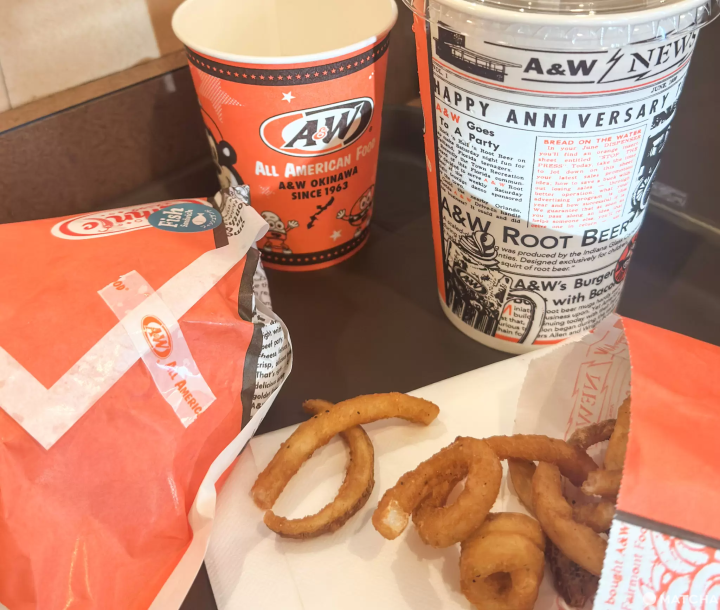
- A&W (Kokusai Dori Matsuo Branch): Situated directly above Shisa Cookie, this branch of the legendary Okinawa-exclusive fast-food chain is a mandatory pilgrimage. Established under unique historical circumstances during the American administration of the islands, Okinawan A&W diverges significantly from its mainland counterparts. The menu’s crown jewels remain the seasoned curly fries and thickly cut onion rings. Crucially, diners opting to eat on-site unlock a treasured local privilege: free, unlimited refills on A&W’s signature Root Beer simply by returning their chilled mugs to the service counter.
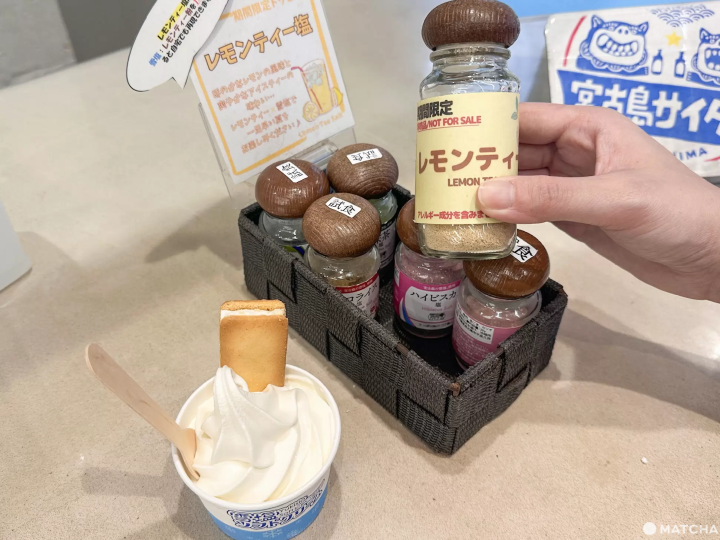
- Yukishio Kokusai Dori Main Store: The conceptual marriage of high-end dairy and mineral-rich sea salt reaches its zenith here. Featuring Miyakojima’s renowned Yukishio (snow salt), the shop pairs velvety soft-serve ice cream with a dedicated salt-topping station. Visitors can experiment with dozens of specialized flavored salts, observing firsthand how micro-doses of mineral elements elevate and accentuate pure dairy sweetness.
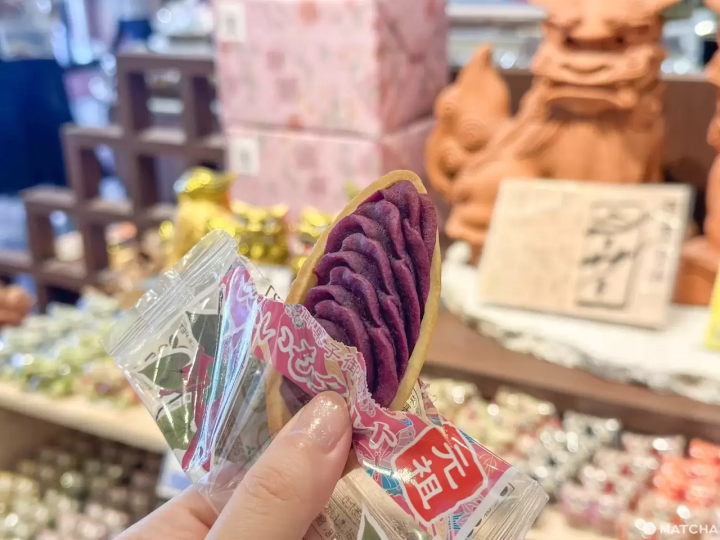
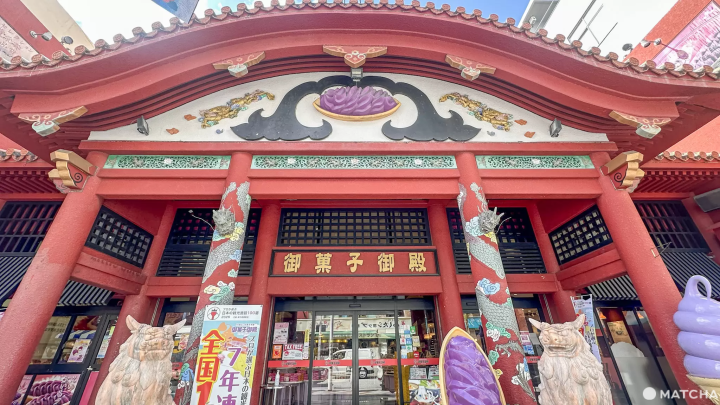
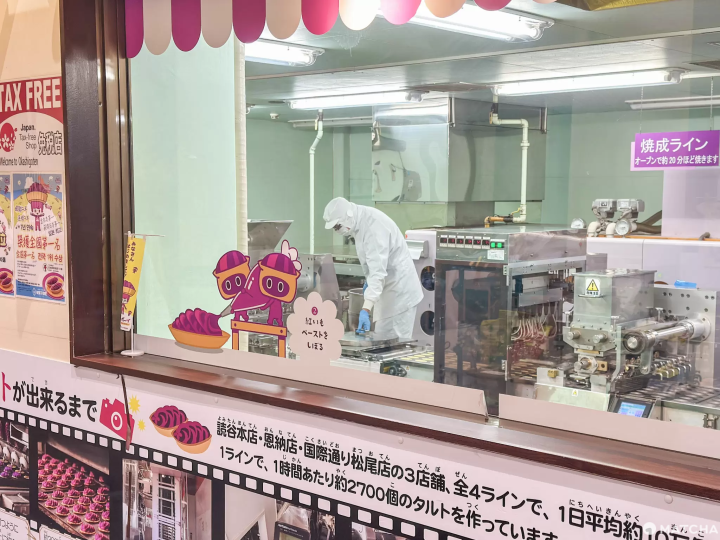
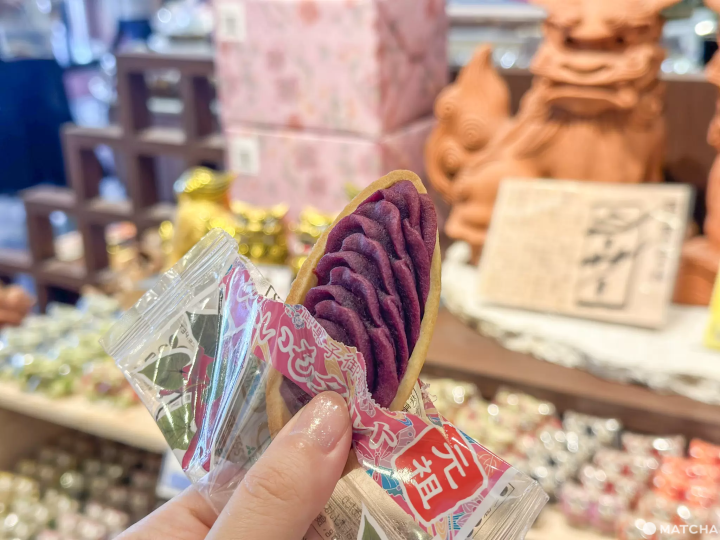
- Okashigoten (Kokusai Dori Matsuo Store): No discussion of Okinawan confectionery is complete without acknowledging the purple yam (beni-imo) tart. Okashigoten anchors its presence along the main street with a spacious storefront renowned for an exceptional operational detail: the daily production of freshly baked purple yam tarts. While boxed variants serve as reliable souvenirs, consuming a warm, oven-fresh tart reveals a crisp, buttery pastry crust contrasting against a dense, earthy, and naturally sweet purple yam filling.
Phase 2: Mid-Street Indulgences — Artistry and Tropical Refreshment
Moving further down the avenue reveals an array of world-class baked goods and climate-defying refreshments designed to combat Okinawa’s intense sub-tropical humidity.
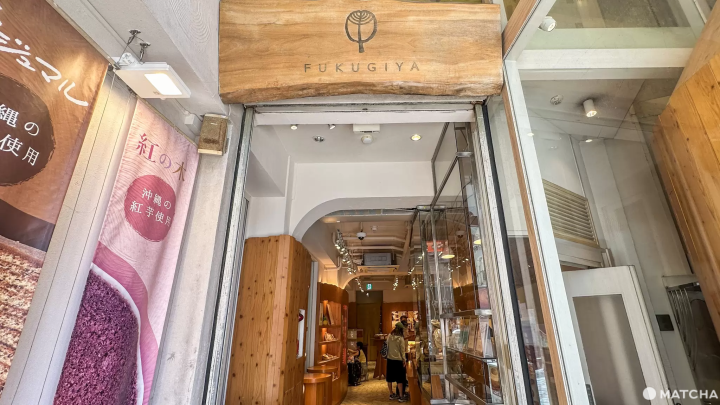
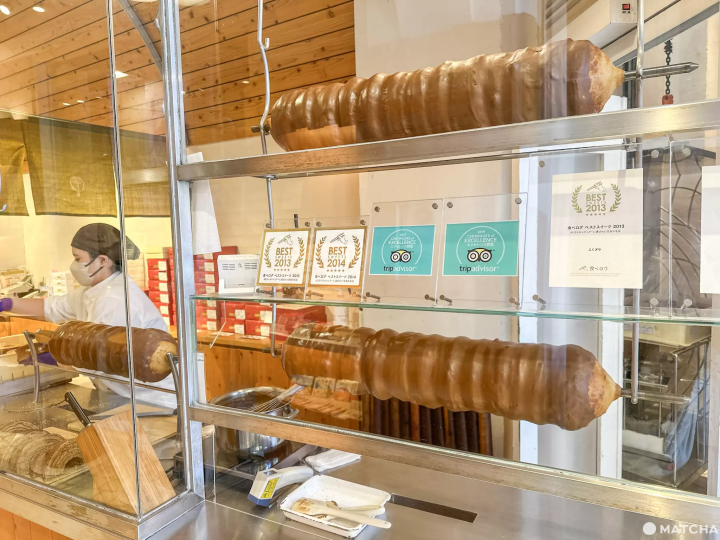
- Fukugiya Baumkuchen: Representing the pinnacle of European baking techniques adapted to local ingredients, Fukugiya has captured multiple prestigious accolades, including the Okinawa Governor Award and the Naha Mayor Excellence Award. Their layered baumkuchen cakes are infused with regional staples such as raw local brown sugar, beni-imo, and unpasteurized honey. Sampling is actively encouraged before committing to a purchase.
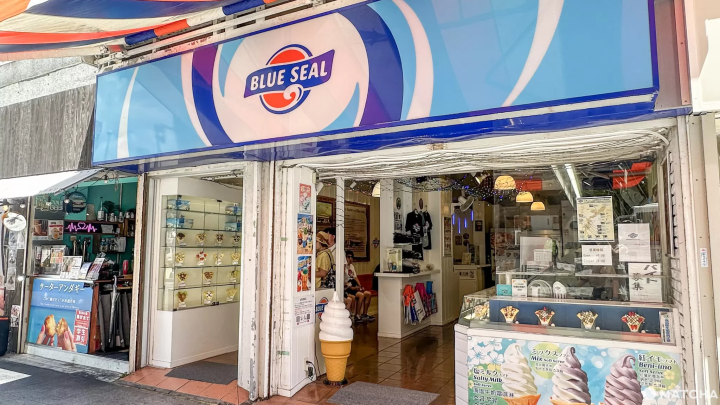
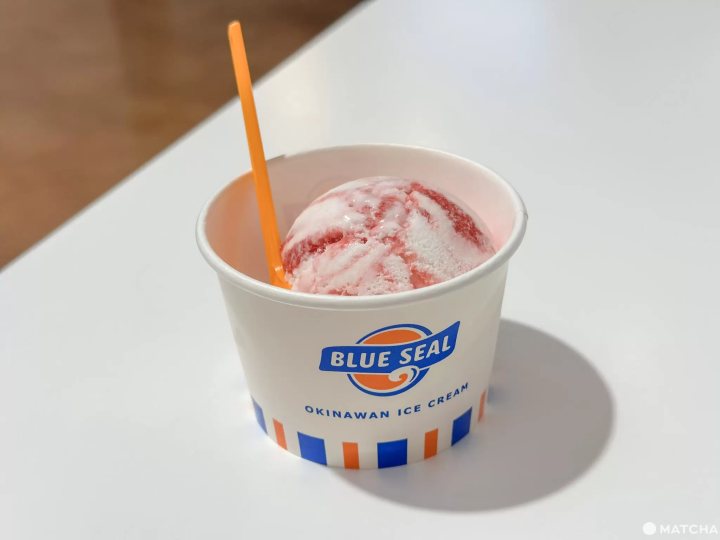
- Blue Seal Ice Cream: Tracing its roots back to a U.S. military base in 1948, Blue Seal is living culinary history. Priced reasonably at approximately 670 yen for a double scoop, flavors like Ryukyu Black Tea Warabimochi and Strawberry Cheesecake draw repeat visits throughout a traveler’s stay.
- newQ: Navigating Kokusai Dori during peak summer hours can expose visitors to punishing UV radiation and high temperatures. Specialty pineapple shop newQ provides an essential oasis. Utilizing rare Tida Pineapples cultivated by artisan farmers on Ishigaki Island, the store crafts sparkling pineapple juices that deliver an immediate, revitalizing balance of acidity and sugar.
- Fontana Gelato: Proving that Italian confectionery techniques thrive in subtropical climates, Fontana Gelato commands a near-constant queue. Beyond traditional fruit bases like mango and dragon fruit, the establishment produces a daring goya (bitter melon) gelato. Far from being aggressively acrid, the bitter melon variant delivers a clean, sophisticated, and deeply refreshing aftertaste.
Phase 3: The Arcade Transition — Ichiba Hondori and Side Alleys
Diverting slightly from the main avenue into the covered arcades of Ichiba Hondori uncovers generational culinary landmarks.
- Matsubaraya Seika: Operating for over six decades, this traditional confectionery specializes in sata andagi—Okinawan deep-fried donuts. The unmistakable sign of authenticity here is the local clientele purchasing these dense, cake-like spheres by the bagful rather than individually. The purple yam iteration is particularly prized.
- Fukusuke Tamagoyaki: For a substantial savory snack, this stall offers rice balls anchored by an exceptionally thick, Japanese-style rolled omelet (tamagoyaki). Layered with seared luncheon meat (a staple of modern Okinawan comfort food), the resulting package is deceptively heavy, offering a satisfying contrast between the slightly crisp, caramelized edges of the meat and the cloud-like softness of the egg.
- Hanashyo Peanut Tofu: Jimami tofu represents a distinct culinary departure from soy-based curds. Crafted entirely from pressed peanuts and starch, Hanashyo hand-crafts its tofu daily to achieve a texture sitting squarely between traditional silken tofu and chewy Japanese mochi. Drenched in thick black sugar syrup (kuromitsu) and dusted with roasted soybean powder (kinako), it bridges the gap between savory appetizer and delicate dessert.
- JEF (Sunrise Naha Branch): For another uniquely Okinawan fast-food experience, JEF pushes regional integration to its logical conclusion with the Bitter Melon Burger, featuring sliced goya sautéed with egg directly within the sandwich assembly.
- Calbee+ Kokusai Dori: Concluding the edible pilgrimage, this flagship retail and snack bar offers freshly fried potato sticks (Poteriko). Patrons can consume hot, made-to-order snacks while browsing an extensive portfolio of regional exclusives, including the highly popular island chili pepper potato chips.
Supporting Context and Metrics: Navigating the Corridor
To contextualize the physical and temporal investment required to experience Kokusai Dori, consider the following structural metrics:
- Linear Distance: 1.6 kilometers (1 mile) from Kencho-mae to Makishi Station.
- Estimated Walking Time (Direct Transit): 20 to 30 minutes without stops.
- Recommended Itinerary Duration: Minimum of 4 to 6 hours to incorporate food sampling, retail shopping, and side-street exploration.
- Pedestrian Transit Mile Schedule: Every Sunday from 12:00 PM to 6:00 PM, municipal authorities close segments of the thoroughfare to vehicular traffic, converting it into a dedicated pedestrian zone that dramatically enhances the shopping and photography experience.
Premier Retail and Souvenir Outlets
For travelers operating under compressed schedules, five specific commercial hubs from the itinerary offer comprehensive souvenir solutions:
- Shisa Cookie: Unmatched for whimsical, culturally resonant presentation and extensive flavor profiles.
- Yukishio Kokusai Dori Main Store: The definitive destination for culinary salts, seasonings, and mineral-infused snacks.
- Okashigoten: A sprawling retail environment offering standardized quality control for classic purple yam pastries.
- Fukugiya: The premier choice for high-end, award-winning baked goods suitable for corporate or familial gifting.
- Calbee+: Ideal for snack enthusiasts seeking exclusive regional crunch items and single-serving gift boxes.
Official Perspectives and Neighborhood Integration
Municipal planners and tourism boards emphasize that Kokusai Dori cannot be understood in isolation; its vitality relies entirely on its porous borders with adjacent cultural zones.
Late-Night Gastronomy: Kokusai Dori Yatai Mura
As daylight fades, the culinary focus shifts toward the Makishi district. Situated just off the main avenue, the Kokusai Dori Yatai Mura captures the essence of traditional Japanese alleyway dining (yatai). Compact izakayas serve artisanal yakitori, fresh Pacific seafood, local Awamori spirits, and unpretentious bar snacks, maintaining a high-energy social atmosphere long after standard retail establishments have lowered their shutters.
Comprehensive Retail Hubs
For shoppers seeking to consolidate purchases outside of specialty food stalls, three major retail anchors serve distinct needs:
- Satudora Kokusai Dori Branch: Operating until 10:00 PM, this pharmacy and cosmetics retailer distinguishes itself through an unusually spacious architectural layout, mitigating the claustrophobic aisle-congestion typical of competing downtown drugstores during peak tourism seasons.
- Don Quijote Kokusai Dori Branch: Remaining open until 5:00 AM, this multi-level discounter serves as the ultimate late-night safety net for securing cosmetics, electronics, novelty goods, and emergency travel supplies.
- First Makishi Public Market: Affectionately termed "Okinawa’s Kitchen," this bustling indoor market features raw meats, exotic island produce, and marine life on the ground floor, with second-story kitchens prepared to cook purchased seafood items to order on the spot.
Cultural Extensions: Tsuboya Yachimun Street and RYUBO
Visitors seeking a respite from the commercial intensity of Kokusai Dori find immediate relief within walking distance:
- Tsuboya Yachimun Street: Boasting a 300-year ceramic heritage, this stone-paved, red-tiled alleyway hosts roughly 50 independent kilns and studios. The distinct artistic visions of individual ceramicists ensure that commercial homogeneity is entirely absent.
- RYUBO Department Store (Palette Kumoji): Located at the western terminus near Kencho-mae, RYUBO provides an upscale retail environment. Its second-floor Rakuen Hyakkaten curates elite local artisanal goods, while the 8th-floor MUJI store offers a reliable climate-controlled refuge during extreme weather events.
Future Outlook
As Naha continues to adapt to shifting international tourism demographics, Kokusai Dori remains a dynamic laboratory of commercial and culinary evolution. Urban development strategies increasingly prioritize pedestrian comfort, expanded wayfinding signage, and the preservation of historic trade districts like Tsuboya and Makishi.
Future infrastructure initiatives aim to seamlessly link the subterranean transit networks with elevated pedestrian walkways, ensuring that the 1.6-kilometer corridor retains its historical charm while upgrading its logistical efficiency. For the modern traveler, Kokusai Dori is no longer merely a souvenir strip, but a complex, living archive of Okinawan identity, expressed one bite, sip, and artisan craft at a time.







Belum ada komentar. Jadilah yang pertama berkomentar!