

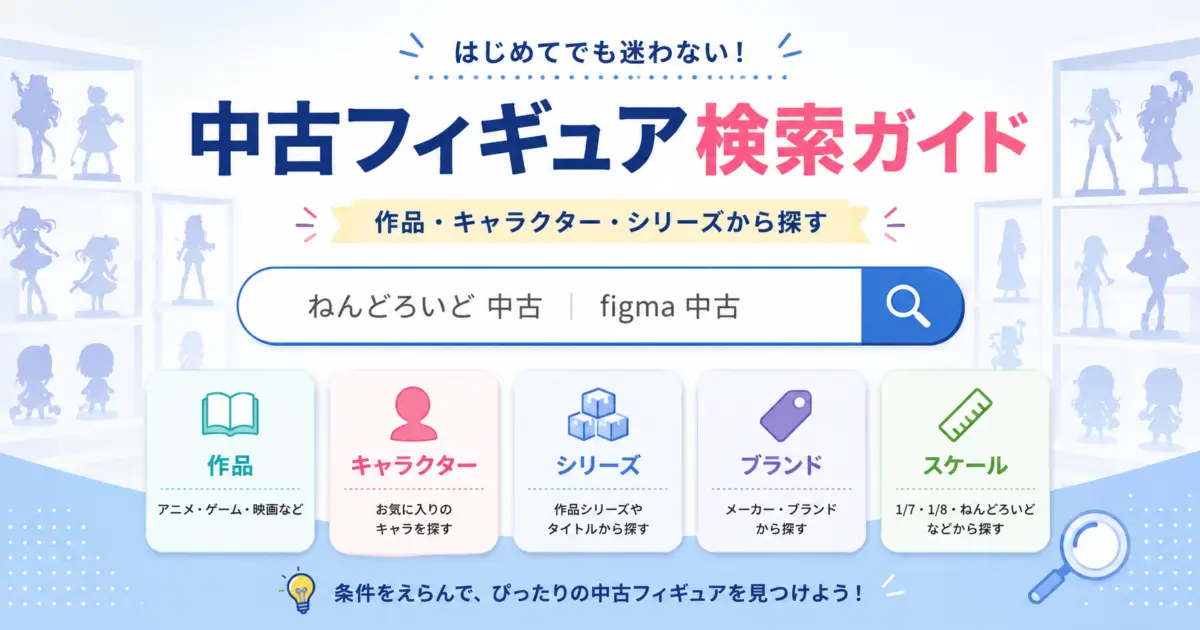
Executive Overview
The global collectible figures market has undergone a remarkable evolution over the past decade, transforming from a niche, subculture hobby into a mainstream multi-billion-dollar industry. Driven by a surge in global pop culture engagement—spanning anime, manga, video games, and blockbuster cinematic universes—demand for high-end scale figures, action figures, and limited-edition statues has never been higher.
However, as the primary market for brand-new releases frequently suffers from severe supply constraints, immediate sell-outs, and inflated pre-order windows, collectors increasingly turn to the secondary market. Navigating pre-owned figure sales, resale platforms, and peer-to-peer marketplaces requires a keen understanding of authenticity verification, condition grading, pricing trends, and platform reliability.
This comprehensive guide explores the structural dynamics of the secondary figure market, offering expert insights for both novice buyers and seasoned collectors looking to safely expand, liquidate, or optimize their collections.
Detailed Chronology of the Secondary Market Boom
To understand the current state of the pre-owned figure ecosystem, it is essential to trace how the secondary market matured alongside the expansion of the manufacturing industry itself.
- The Early 2010s: A Niche Collector’s Space
During this period, pre-owned figures were largely traded through localized forums, specialized message boards, and basic auction sites like Yahoo! Auctions Japan. Trust was established through community reputation rather than algorithmic security, and transactions carried significant logistical risks regarding international shipping and customs. - The Mid-2010s: The Rise of Specialized Resale Platforms
As manufacturing giants like Good Smile Company, Alter, and Max Factory scaled up production to meet international demand, dedicated second-hand marketplaces emerged. These platforms introduced standardized grading systems, buyer protection policies, and streamlined proxy services, bridging the gap between Japanese domestic storefronts and global buyers. - The Late 2010s to 2020s: Mainstream Explosion and Digital Transformation
The proliferation of high-speed internet and global logistics networks enabled instantaneous cross-border trading. Social media integration allowed collectors to showcase rare finds instantly, while verified review systems drastically reduced the prevalence of counterfeit products.
Today, the secondary market operates with a level of sophistication comparable to traditional art and luxury goods markets, featuring real-time price tracking, speculative investing, and global liquidity pools.
Supporting Context & Market Metrics: Understanding Valuation and Pricing
Pricing dynamics in the pre-owned figure market are governed by the fundamental economic principles of supply and demand, heavily influenced by brand prestige, character popularity, and manufacturing rarity.
Key Factors Impacting Figure Valuation
- Manufacturer Reputation: Figures crafted by premier manufacturers—such as Good Smile Company, Alter, Megahouse, and Kotobukiya—frequently retain or appreciate in value due to superior sculpting, paint application, and material quality.
- Release Rarity and Limited Runs: Exclusive releases, convention variants (such as Wonder Festival exclusives), and limited-run production batches naturally command higher secondary market premiums.
- Condition and Packaging Integrity: The presence of the original box (often referred to as "MIB" – Mint in Box, or "BIB" – Back in Box) significantly impacts resale value. Figures missing original packaging, or those displaying sun damage, paint transfer, or structural wear, see immediate depreciation.
- Franchise Momentum: A figure’s secondary market value often fluctuates in direct correlation with the current relevance of its source material. The announcement of a new anime season, movie adaptation, or major game release can cause a sudden spike in demand and secondary pricing.
Official Statements and Platform Governance
As the pre-owned figure market matures, industry leaders and major resale platforms are implementing stricter governance to protect consumers. Fraud prevention has become a top priority for digital marketplaces operating across international borders.
Major marketplace operators emphasize that transparency is the cornerstone of sustainable growth. In recent statements, representatives from leading cross-border resale networks highlighted the implementation of advanced AI-driven verification tools designed to flag suspicious listings, counterfeit bootlegs, and deceptive seller accounts.
Furthermore, platforms are actively refining their dispute resolution frameworks. By mandating escrow services—where funds are held securely until the buyer verifies the authenticity and condition of the received item—platforms have successfully minimized financial scams, fostering a safer trading environment for global collectors.
Future Outlook: Trends Shaping the Next Decade of Figure Collecting
Looking ahead, the secondary market for collectible figures is poised for continuous expansion, driven by technological innovations and shifting demographic trends.
Emerging Trends and Innovations
- Blockchain and Digital Provenance: Industry experts predict an increase in digital certificates of authenticity linked to physical figures, utilizing secure ledgers to track ownership history and verify legitimacy, particularly for ultra-rare statues.
- AI-Powered Condition Grading: Future marketplaces are exploring computer vision algorithms capable of scanning user-submitted photos of pre-owned figures to automatically assess box damage, paint chipping, and structural integrity, standardizing condition grades across the globe.
- Sustainable Packaging and Logistics: As eco-consciousness influences manufacturing, secondary market logistics will likewise adapt, emphasizing sustainable packaging materials and optimized carbon-neutral shipping lanes for fragile collectibles.
Strategic Advice for Collectors
For those actively participating in the secondary market, due diligence remains paramount. Buyers should consistently verify seller ratings, request detailed photographic evidence of the actual item (rather than stock promotional images), and familiarize themselves with common bootleg indicators—such as missing manufacturer logos, poor paint separation, and abnormal plastic sheen.
By combining an understanding of market metrics with cautious, informed purchasing habits, collectors can successfully navigate the complexities of the pre-owned figure economy, ensuring their investments remain secure and their displays pristine for years to come.







Belum ada komentar. Jadilah yang pertama berkomentar!