

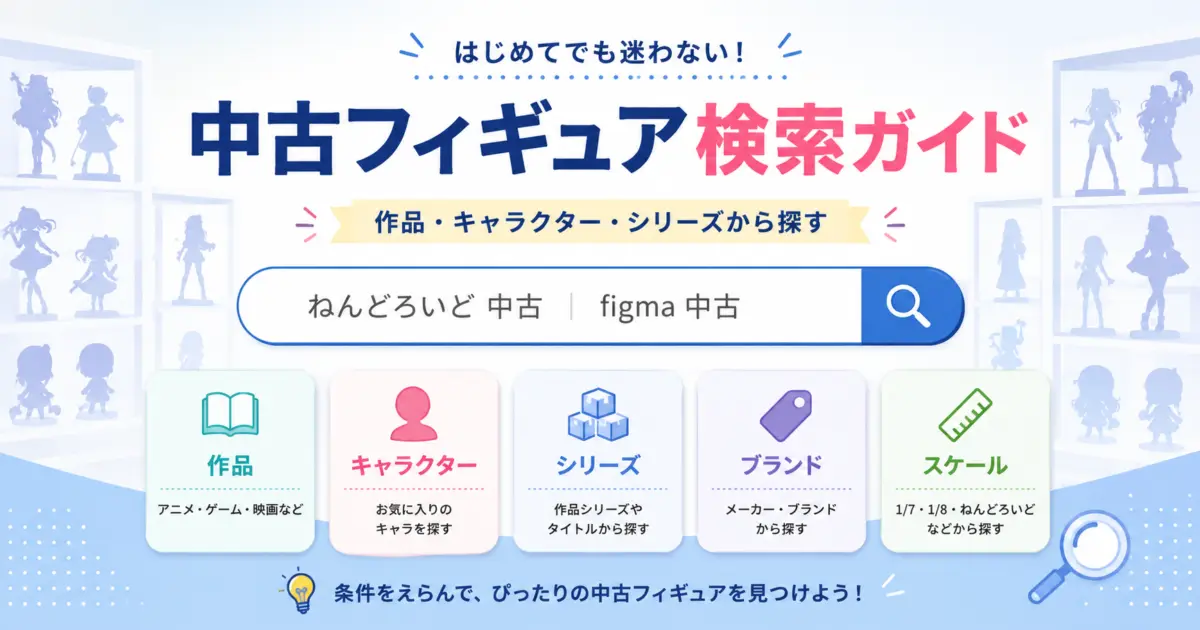
Executive Overview
The secondary market for collectible figures has experienced a meteoric rise over the past decade, transforming from a niche hobby into a multi-billion-dollar global industry. Driven by a surge in pop culture popularity, the widespread adoption of e-commerce platforms, and a passionate community of international collectors, the demand for pre-owned anime, gaming, and pop-culture figures has never been higher.
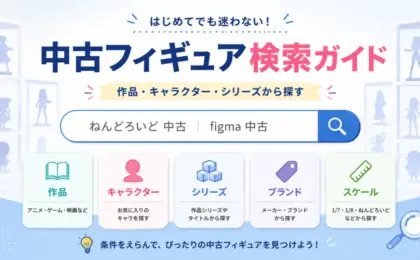
Whether you are looking to offload a vintage collection to free up display space or hunting for a rare, sold-out grail to complete your detolf shelving unit, understanding the mechanics of the secondary market is essential. Navigating this ecosystem safely requires a blend of market awareness, authentication knowledge, and strategic buying and selling habits. This comprehensive guide explores the current landscape of pre-owned figure trading, providing actionable insights for collectors at every level.
Detailed Chronology: The Evolution of the Figure Secondary Market
To fully appreciate the current state of the pre-owned figure market, it is vital to examine how the hobby evolved from localized garage sales and specialty hobby shops into a sophisticated digital marketplace.
Phase 1: The Era of Specialty Brick-and-Mortar Stores (Late 1990s – Early 2000s)
Before the mainstream adoption of online marketplaces, acquiring anime and gaming merchandise—particularly pre-owned or imported items—was a localized and often challenging endeavor. Collectors relied heavily on specialized brick-and-mortar hobby shops, import stores in metropolitan centers, or convention dealers’ rooms. Selection was limited by geographic location, and pricing lacked transparency, as buyers had little access to international baseline values.
Phase 2: The Rise of Online Forums and Auction Sites (Mid 2000s – 2010s)
The advent of global e-commerce revolutionized the hobby. Dedicated forums, message boards, and early auction platforms allowed collectors to trade directly across borders. However, this era was fraught with risks: international wire transfers lacked buyer protection, shipping logistics were expensive and unpredictable, and bootlegs began infiltrating online marketplaces with increasing sophistication.
Phase 3: The Modern Digital Ecosystem (2020s – Present)
Today, the secondary market operates through a complex, highly regulated web of dedicated resale platforms, verified auction houses, and peer-to-peer marketplaces equipped with robust buyer and seller protections. Platforms integrated with translation tools, international shipping partners, and verified review systems have democratized access to rare items. However, the sheer volume of transactions has also given rise to advanced counterfeit manufacturing, making consumer vigilance more critical than ever.
Supporting Context & Metrics: Understanding Market Dynamics
The valuation of pre-owned figures is governed by basic economic principles of supply and demand, alongside unique cultural factors specific to the collector community.
Key Valuation Drivers
- Rarity and Limited Runs: Figures produced as exclusive convention variants, limited-edition lottery prizes (such as Japan’s Ichiban Kuji series), or manufacturer-limited production runs command the highest premiums.
- Manufacturer Reputation: Brands renowned for exquisite craftsmanship and stringent quality control—such as Good Smile Company, Alter, Max Factory, and native-line manufacturers—retain their value significantly better than mass-market toys.
- Condition of the Item: Mint-in-box (MIB) items with minimal shelf wear fetch top dollar. Items that have been displayed out-of-box, even if meticulously cared for and kept away from direct sunlight, generally experience a depreciation of 15% to 30%, depending on demand.
- Packaging and Authenticity: The presence of the original box, blister packaging, and official licensing stickers (such as Gold or Silver Toei Animation stickers, or manufacturer authentication seals) is paramount. Bootlegs can often be identified by the absence of these licensed holograms or poor print quality on the packaging.
Official Statements and Industry Insights
Industry analysts and veteran collectors emphasize that market stabilization relies heavily on transparency and education. According to market data from major resale aggregates, consumer confidence directly correlates with the availability of verified authentication guides.
"The secondary market is no longer just a hobbyist playground; it is a mature, data-driven ecosystem. Buyers are smarter, but counterfeiters are also more sophisticated. Transparency in grading and condition reporting is the single most important factor for long-term market health."
— Senior Market Analyst, Global Collectibles Research Group
Leading retail platforms have responded by implementing strict verification protocols. Sellers are now required to provide high-resolution imagery of potential flaws, including paint transfer, box creases, or sun damage. Conversely, buyers are encouraged to utilize escrow services and payment methods that offer dispute resolution in the event of receiving counterfeit merchandise or items not matching their described condition.
Best Practices for Buyers: Avoiding Common Pitfalls
Purchasing pre-owned figures can save collectors significant money and grant access to holy-grail items that are no longer in production. However, navigating the marketplace requires a disciplined approach.
1. Vet the Seller
Always check seller ratings, feedback history, and community reputation. On peer-to-peer platforms, look for established accounts with a proven track record of shipping fragile goods securely. Be wary of newly created accounts offering high-demand figures at prices that seem too good to be true—they almost always are.
2. Request Detailed Condition Reports
Never rely solely on stock photos. Ask for recent, timestamped photos of the actual figure and its box. Pay close attention to:
- Seals and Tape: Double-taped boxes can indicate that the item was opened, inspected, or returned.
- Paint Bleed and Stickiness: Older figures, particularly those manufactured in the early 2010s, are susceptible to plasticizer degradation, which causes the PVC surface to become sticky.
- Authenticity Markers: Look for official manufacturer stamps, copyright notices on the base or figure, and licensed hologram stickers.
3. Understand Shipping and Customs Risks
Importing pre-owned figures from international markets (such as direct purchases from Yahoo! Auctions Japan or Mercari via proxy services) incurs additional costs, including proxy fees, international shipping, and potential customs duties. Factor these expenses into your total budget before placing a bid.
Best Practices for Sellers: Maximizing Value and Ensuring Smooth Transactions
If you are looking to downsize your collection or capitalize on the appreciating value of your figures, executing a professional sale requires preparation and care.
1. Thorough Cleaning and Inspection
Before taking photographs, gently dust your figures using a soft makeup brush or canned air. Inspect the figure under good lighting to identify any minor scuffs, missing accessories, or loose joints. Transparency builds trust and prevents costly returns or chargebacks.
2. Professional Photography
Clear, well-lit photos dramatically increase buyer interest. Photograph the figure from multiple angles, highlighting both its best features and any minor flaws. Include close-ups of the box corners, blister packaging, and official licensing seals to prove authenticity.
3. Secure Packaging Practices
Figures are notoriously fragile, featuring delicate hair strands, intricate weapon accessories, and brittle PVC components.
- Always wrap the figure securely in bubble wrap before placing it back into its plastic blister shell.
- Use painter’s tape or rubber bands to secure the blister halves so the figure cannot shift during transit.
- Pack the original box inside a sturdy outer corrugated cardboard box, filling all empty space with packing peanuts, crumpled paper, or air pillows to absorb impact shocks.
Future Outlook
As the global appetite for anime, gaming, and pop culture merchandise continues to expand, the secondary market for collectible figures is poised for sustained growth. Innovations in authentication technology, such as blockchain-backed certificates of authenticity and NFC-embedded figure bases, may soon provide collectors with absolute certainty regarding item provenance.
For now, success in the secondary market remains anchored in education, caution, and community engagement. By mastering the fundamentals of buying and selling pre-owned figures, collectors can safely navigate this vibrant marketplace, ensuring their collections bring enduring joy and financial security for years to come.


Belum ada komentar. Jadilah yang pertama berkomentar!