The open-world sea survival and exploration landscape has undergone a striking evolution with the recent release of the “Ashlands” major update for Windrose. Developed on Unreal Engine and published on PC via Steam on October 22, 2026, Windrose has steadily carved out a dedicated niche for players who relish the perils and triumphs of maritime exploration.
The introduction of the Ashlands expansion represents a pivotal juncture for the title. By overhauling central gameplay systems, refreshing the user interface (UI), and injecting hostile new territories rife with high-stakes challenges, the development team has signaled a robust commitment to expanding the game’s core loop. This update is not merely a collection of cosmetic additions or minor patch notes; it is a foundational recalibration designed to test seasoned captains, challenge veteran crews, and redefine the resource-gathering meta across the game’s expansive oceanic servers.
In this comprehensive journalistic review, we examine the anatomy of the Ashlands update, dissecting its technical refinements, the strategic impact of its overhauled interface, and what this milestone signifies for the broader survival-crafting genre on PC.
Detailed Chronology of the Update
The rollout of the Ashlands update on October 22, 2026, was preceded by weeks of community speculation and closed-door developer teasers. Below is the precise timeline surrounding the launch and deployment of the patch:
Mid-October 2026 (Teaser Phase): Developers begin dropping subtle hints via official community channels, showcasing blurred screenshots of a stark, volcanic biome and heavily revised UI elements.
October 17 – October 23, 2026: Official media embargo lifts regarding the Ashlands promotional material, showcasing the overhauled heads-up display (HUD) and modernized inventory management screens.
October 22, 2026 (00:52 JST / Global Rollout): The patch notes officially go live on Steam alongside client-side updates. Servers experience temporary downtime for database migration, clearing the path for the new high-tier zone.
October 23, 2026: Early player telemetry data begins pouring in, highlighting the brutal difficulty spike of the Ashlands biome and initial community strategies for surviving the volatile regional weather patterns.
Game Mechanics and the Core Loop of Windrose
To understand the magnitude of the Ashlands update, one must first understand the foundational mechanics of Windrose. At its core, the game challenges players to command customizable sailing vessels across procedurally generated oceans. Survival is inextricably linked to seamanship: players must manage wind currents, construct and maintain seaworthy hulls, and engage in tactical naval combat against hostile factions and environmental hazards.
Resource gathering forms the lifeblood of the experience. Captains must drop anchor at uncharted islands, harvest rare minerals, fell unique timber, and forage for sustenance while fending off native wildlife and rival players. Navigating the open seas requires meticulous charting, weather forecasting, and vessel maintenance—elements that separate casual sailors from legendary admirals.
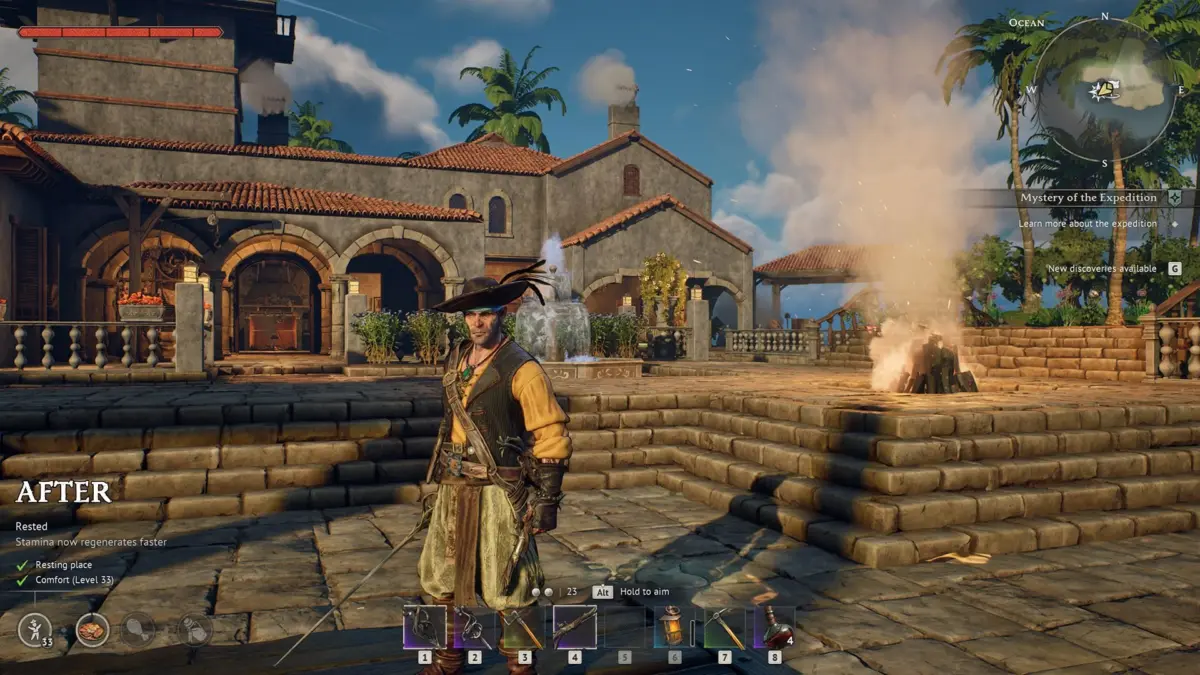
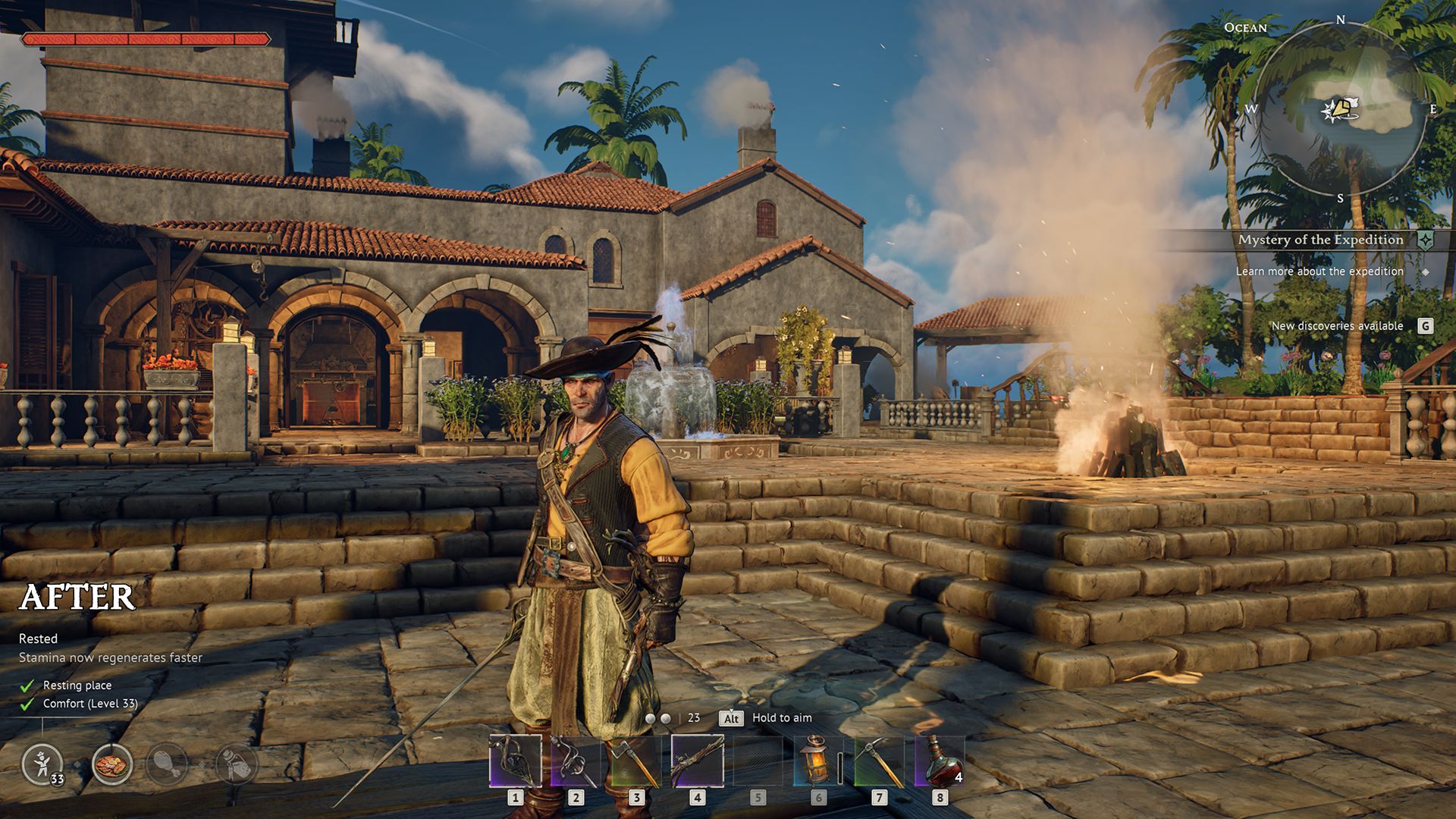
Prior to the Ashlands update, veteran players frequently voiced concerns over interface clutter during extended voyages. Managing large inventories across multi-deck vessels often felt cumbersome, with legacy HUD elements obscuring crucial situational awareness during high-seas engagements. Recognizing these pain points, the development team instituted a sweeping UI modernization program that directly targets inventory management, navigation displays, and combat telemetry.
The "Ashlands" Expansion: Biome Analysis and System Overhauls
The crown jewel of the October 2026 patch is the introduction of the Ashlands biome—a punishing, high-level zone designed to push endgame players to their absolute limits.
1. Environmental Hazards and Volatile Waters
Unlike the temperate and tropical regions that populate the early-to-mid game, the Ashlands are characterized by toxic atmospheres, boiling seas, and jagged obsidian formations. Navigating these waters demands specialized vessel upgrades. Standard hulls will quickly succumb to the corrosive nature of the Ashlands’ tides, forcing players to invest heavily in specialized plating and thermal-resistant sails.
Furthermore, the weather patterns within this sector are erratic and unforgiving. Sudden volcanic squalls can materialize with little warning, tearing down unprepared rigging and threatening to capsize even the sturdiest galleons. Tactical positioning and immediate reaction times are mandatory for survival.
2. UI and Quality-of-Life Redesign
Accompanying the harsh new geography is a comprehensive overhaul of the game’s user interface. The developers have streamlined the HUD to present critical information cleanly without sacrificing immersive depth.
Inventory Management: Navigating storage chests and cargo holds has been drastically accelerated through grid-based sorting algorithms and quick-transfer hotkeys.
Navigation & Telemetry: Sailing menus now feature real-time wind vector readouts and integrated map markers, reducing the friction of long-distance plotting.
Combat Readouts: Target acquisition and damage indicators have been sharpened, allowing for clearer tactical assessments during chaotic ship-to-ship skirmishes.
Supporting Context & Metrics
The release of Ashlands arrives at a crucial time for the survival-crafting genre, which has seen an influx of maritime-themed titles over recent years. Windrose distinguishes itself through its physics-driven sailing model and deep cooperative mechanics.
Technical Performance and Unreal Engine Integration
Built using Epic Games’ industry-standard Unreal Engine, Windrose capitalizes on advanced rendering pipelines to bring its dynamic oceans and volatile weather systems to life. The transition to the Ashlands biome highlights the engine’s capability to handle complex particle effects, volumetric fog, and large-scale multiplayer synchronization without sacrificing frame rates—a critical requirement for fast-paced naval combat.
Engine Version: Unreal® Engine (Copyright 1998–2026, Epic Games, Inc. All rights reserved.)
In accompanying press releases and developer blogs published alongside the update, the creative team behind Windrose emphasized that Ashlands is intended to be a watershed moment for the game’s community-driven lifecycle.
"We wanted to craft a region that doesn’t just offer new items to grind, but fundamentally alters how players think about their relationship with the sea," noted a lead developer statement on Steam. "The Ashlands are designed to strip away the comfort of familiar waters. Every nautical mile gained in this territory must be fought for through superior vessel design, crew coordination, and navigational mastery."
Developers also confirmed that player telemetry from the first week of launch will heavily influence upcoming hotfixes, ensuring that the difficulty curve remains challenging yet fair for dedicated guilds and solo captains alike.
Future Outlook
As the dust settles over the volcanic shores of the newly introduced territory, the trajectory for Windrose looks brighter and more perilous than ever. The successful deployment of the Ashlands update proves that the development team is fully committed to listening to community feedback, streamlining cumbersome legacy mechanics, and continuously expanding the geographical and systemic scope of the game.
Looking ahead, players can anticipate further expansions to the game’s faction systems, additional ship classes tailored to extreme environments, and deeper economic features that tie regional resource monopolies directly to server-wide conflicts. For now, however, the immediate challenge remains clear: outfit your crew, fortify your hull, and prepare to brave the searing tides of the Ashlands. Fair winds and happy sailing, captains.










Belum ada komentar. Jadilah yang pertama berkomentar!