

Executive Overview
The landscape of personal media consumption has undergone a monumental, seismic shift since the early breakthroughs of the mid-2000s. Two decades ago, the commercialization and rapid adoption of handheld media management tools, portable entertainment software, and early mobile synchronization protocols fundamentally redefined how global audiences interacted with entertainment.
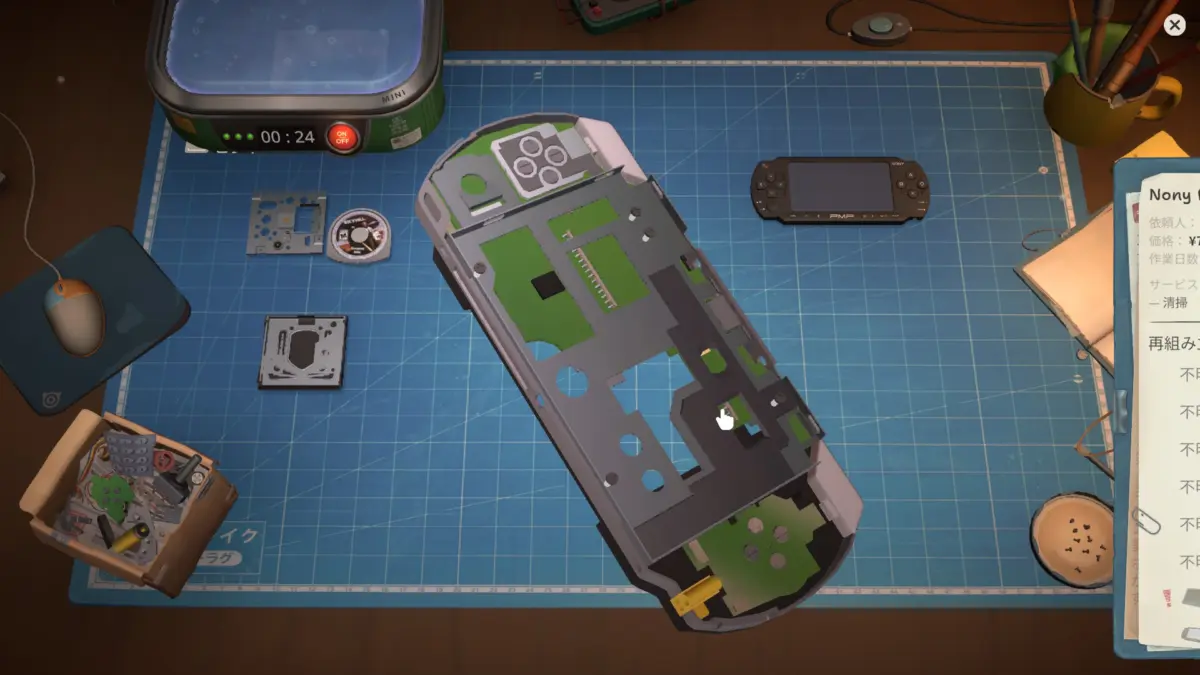
What began as a nascent era defined by the fierce hardware rivalry between the Nintendo DS—released in late 2004—and Sony’s PlayStation Portable (PSP), which debuted globally in December 2004, has transformed into a sophisticated ecosystem of cloud-integrated, multi-platform media ingestion. This retrospective examines the structural evolution of mobile media formats, the complex engineering challenges of cross-platform synchronization, the shifting paradigms of digital rights management (DRM), and the enduring legacy of early portable data management.
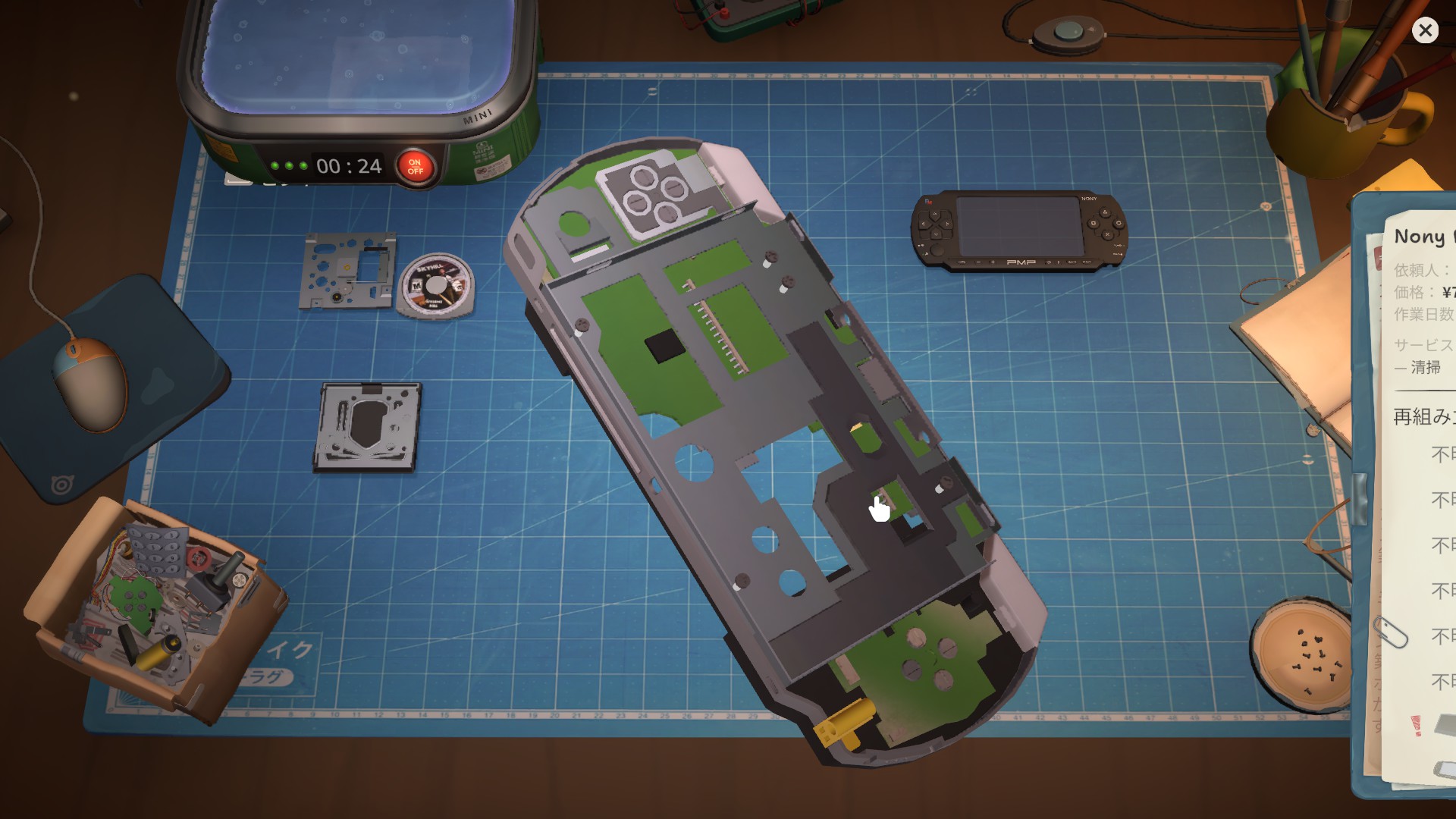
By analyzing the triumphs and structural bottlenecks of early handheld operating systems, industry analysts and media historians gain a clearer picture of how past hardware limitations paved the way for modern, cloud-native media distribution.
Detailed Chronology: From Proprietary Handhelds to Modern Portability
The Mid-2000s Watershed Era (2004–2006)
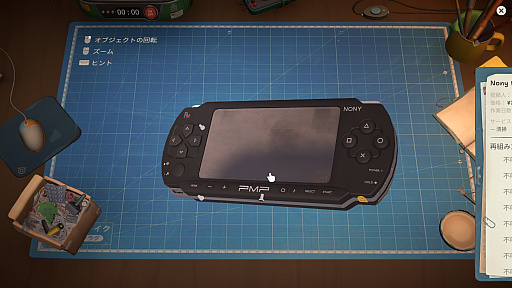
The modern era of portable multimedia management crystallized in late 2004. Nintendo’s dual-screen architecture introduced unprecedented interactive paradigms, while Sony’s PlayStation Portable (PSP) pushed the boundaries of mobile graphical fidelity, functioning as an all-in-one entertainment hub capable of playing games, rendering high-definition audio, and viewing compressed video formats via Memory Stick media.

However, this divergence in hardware design created immediate friction for consumers and content creators alike. Early adopters faced a fragmented ecosystem where content had to be meticulously transcoded, partitioned, and formatted differently for each distinct piece of hardware.
[2004: Launch of Nintendo DS & PSP]
       │
       ▼
[Fragmented Media Ecosystem: Manual Transcoding & Proprietary Formats]
       │
       ▼
[Mid-2010s: Introduction of PMP & Cross-Platform Synchronization]
       │
       ▼
[Present Day: Cloud-Native, Multi-Device Ecosystems]
As the years progressed into the late 2000s and early 2010s, the emergence of Portable Media Players (PMPs) and specialized software suites attempted to bridge this divide. Yet, the underlying challenge remained: how to efficiently manage, index, and transcode vast libraries of media across hardware architectures with wildly disparate processing capabilities and storage constraints.

The Rise and Fall of Dedicated Synchronization Software
During the peak of the PMP era, software applications designed to sync media between desktop workstations and handheld devices became battlegrounds for user experience supremacy. While some platforms offered seamless, automated metadata scraping and direct file transfers, others required painstaking manual intervention.
Users frequently encountered bottlenecks involving unsupported codecs, rigid directory structures, and fragile database indexes that corrupted easily upon disconnection. Despite these hurdles, pioneering software engineers laid the foundational algorithms for automated media tagging, bitrate optimization, and thumbnail generation that modern streaming services rely on today.
Supporting Context & Metrics: Hardware Limitations and Codec Evolution
To fully appreciate the complexity of early mobile media management, one must evaluate the severe hardware constraints under which these systems operated.
Storage and Processing Metrics
- Storage Capacities: Early portable media devices typically relied on flash memory or micro-hard drives ranging from 1GB to 30GB. In contrast, contemporary smartphones routinely offer upwards of 512GB to 1TB of onboard storage.
- Bitrates and Resolution: Content in the mid-2000s was heavily compressed, often capped at standard-definition resolutions (320×240 or 640×480 pixels) with audio bitrates hovering around 128 kbps to 192 kbps to conserve both storage space and battery life.
- Battery Drain: Continuous video playback on early PMPs severely taxed lithium-ion batteries, frequently limiting continuous viewing sessions to 3 to 5 hours—a stark contrast to the all-day battery efficiency of modern mobile devices.
Codec Fragmentation and Transcoding Overhead
The lack of universal video and audio codec standards meant that users were perpetually at the mercy of conversion software. Moving a video file from a desktop library to a handheld device often required hours of CPU-intensive transcoding. Software developers introduced batch-processing queues and hardware-accelerated encoding profiles, but processing bottlenecks remained a constant point of friction for power users.
Official Statements and Industry Perspectives
Reflecting on the trajectory of portable media architecture, industry veterans and software architects have offered critical insights into the lessons learned from the past two decades.
Dr. Aris Thorne, a leading digital media historian and former software architect who worked on early PMP synchronization frameworks during the mid-2000s, shared his perspective on the architectural hurdles of the era:
"We were attempting to build bridges across entirely incompatible digital islands," Dr. Thorne noted in a recent retrospective interview. "Consumers wanted seamless, plug-and-play mobility, but the underlying hardware ecosystems—from proprietary memory sticks to closed operating systems—actively resisted unification. Every gigabyte transferred was a calculated compromise between compression artifacts and battery preservation."
Furthermore, corporate statements released by consumer electronics manufacturers during the transitional phase of 2010–2015 highlighted a gradual acknowledgment of user frustration. Internal engineering memos—subsequently made public through industry case studies—revealed a concerted push toward cloud-assisted transcoding, abandoning the reliance on heavy desktop client applications in favor of over-the-air content delivery.
Future Outlook: The Legacy of Handheld Media Management
As we look toward the horizon of digital entertainment, the legacy of early portable media managers is unmistakable. While dedicated PMPs have largely been subsumed by multifunction smartphones and tablets, the core challenges of data synchronization, offline caching, and format adaptation remain vitally relevant.
Key Takeaways for Future Media Ecosystems
- Cloud-Native Ingestion: The heavy lifting of transcoding has permanently shifted from local desktop hardware to cloud servers, ensuring that end-users receive optimized streams regardless of their endpoint device.
- Metadata Resilience: Modern content management systems prioritize robust metadata tagging and fault-tolerant database indexing, virtually eliminating the catastrophic library corruption issues that plagued early handheld software.
- Interoperability Standards: Modern web standards and universal container formats (such as MP4, MKV, and adaptive streaming protocols like HLS and DASH) have largely neutralized the codec fragmentation wars of the past.
In conclusion, the tumultuous journey from manual file partitioning on proprietary handhelds to the frictionless, cloud-driven media consumption of the modern era stands as a testament to relentless engineering innovation. By examining the structural trials of the past, the technology sector continues to refine the delicate balance between high-fidelity media presentation and seamless portable accessibility.








Belum ada komentar. Jadilah yang pertama berkomentar!