

Executive Overview
The landscape of Yu-Gi-Oh! trading card game (TCG) collecting and competitive meta-evolution is once again shifting, driven by targeted legacy support and high-rarity printings that bridge the gap between nostalgia and modern optimization. Recently released product details originating from official channels—specifically corroborated by announcements via Yu-Gi-Oh! Asia—have unveiled a wave of iconic additions to the card pool, spotlighted by the ominous declaration to "Prepare to master dread."
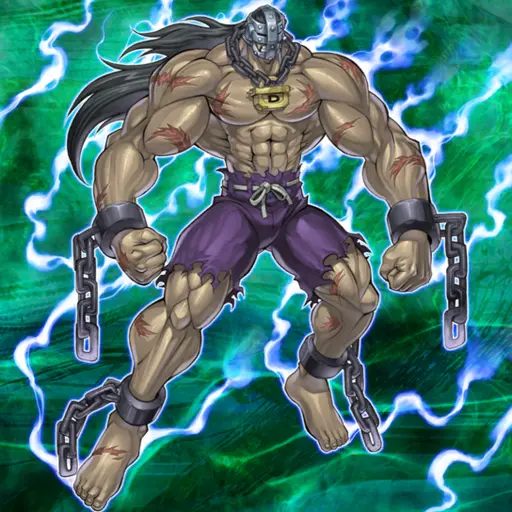
At the center of this reveal are five foundational cards from the fan-favorite "Destiny HERO" archetype, designated under product codes CR13-AE024 through CR13-AE027 and CR13-AE028. Featuring iconic monsters such as Destiny HERO – Dreadmaster, Destiny HERO – Dasher, Destiny HERO – Dogma, Destiny HERO – Malicious, and Destiny HERO – Disk Commander, this curation touches upon some of the most mechanically pivotal and lore-rich entities in the game’s extensive history.
For competitive duelists, high-tier collectors, and format historians, this announcement is far more than a simple reprint cycle. It represents a strategic nod to the enduring legacy of Aster Phoenix’s signature strategy. The Destiny HERO archetype has historically occupied a unique space within the Yu-Gi-Oh! meta-ecosystem: transitioning from a specialized, tomb-and-graveyard-oriented control strategy in the mid-2000s into a universal engine splash that has repeatedly shaped the trajectory of global competitive play.
This in-depth investigative report explores the chronological roots of these cards, analyzes their historical impact on the game’s metrics and banlists, examines the official context surrounding their newest printings, and forecasts how this release will influence both the secondary market and regional metagames moving forward.
Detailed Chronology: The Evolution of the Destiny HERO Archetype
To truly understand the weight of the latest Asian-region product reveals (CR13-AE024 through CR13-AE028), one must trace the evolutionary timeline of the Destiny HERO archetype from its inception to its status as a timeless pillar of Extra Deck and Graveyard resource management.
The GX Era and the Birth of Destiny (2006–2008)
Introduced during the Yu-Gi-Oh! GX era through expansions like Tactical Evolution and Phantom Darkness, Destiny HEROs were initially conceptualized as the darker, more calculating counterpart to Jaden Yuki’s heroic Elemental HEROs. Wielded by the professional duelist Aster Phoenix (Edo Phoenix in the Japanese localization), these monsters shifted the thematic focus away from standard Fusion-centric summoning and toward calculated Graveyard manipulation, cyclical advantage, and high-risk, high-reward payoffs.
- Destiny HERO – Malicious (CR13-AE027): Debuting early in the archetype’s lifecycle, Malicious quietly became one of the most mechanically broken cards in the game’s history. Its simple yet devastating ability to banish itself from the Graveyard to Special Summon another copy from the Deck laid the groundwork for modern resource engine design.
- Destiny HERO – Disk Commander (CR13-AE028): Known for triggering some of the most explosive draw-power loops in early competitive history, Disk Commander allowed duelists to capitalize heavily on early resurrection cards, resulting in multiple rule adjustments and historic banlist interventions.
- Destiny HERO – Dreadmaster (CR13-AE024), Dasher (CR13-AE025), and Dogma (CR13-AE026): Representing the high-end boss monsters of Aster’s arsenal, these cards captured the dramatic flair of the anime. Dreadmaster served as a walking protection and attack-buff engine when summoned via Clock Tower Prison, while Dogma and Dasher provided staggering offensive pressure and setup potential.
The Xyz and Link Transitions (2011–2018)
As the Yu-Gi-Oh! TCG progressed through the ZEXAL and Arc-V eras, raw attribute- and type-based restrictions began to loosen. Cards like Destiny HERO – Malicious found a second life as mandatory staples in tele-DAD variants, Heroic Challenger decks, and early Xyz-heavy strategies. The ability to generate two bodies for Rank 6 or Link Summons without expending a Normal Summon made legacy Destiny HEROs timelessly relevant.
Modern Integration and Fusion Synergy (2019–Present)
The archetype underwent a major renaissance with the release of dedicated support cards like Destiny HERO – Destroyer Phoenix Enforcer (DPE) in Burst of Destiny. Suddenly, standard engine packages—most notably featuring Destiny HERO – Dasher and Destiny HERO – Malicious—became a dominant fixture in competitive top cuts worldwide. The modern game transformed these retro entities into high-efficiency consistency tools, proving that the foundation laid during the GX era possessed remarkable structural foresight.
Supporting Context & Metrics: Analyzing the Core Lineup
The newly cataloged batch of cards—ranging from CR13-AE024 to CR13-AE028—highlights a deliberate curation of the archetype’s most influential members. Below is a detailed breakdown of each featured card, its operational mechanics, and its statistical weight within the competitive ecosystem.
+-----------------------------------------------------------------+
|               DESTINY HERO BATCH METRICS (CR13-AE)              |
+-------------------+--------------------+------------------------+
| Card Name         | Product Code       | Primary Meta Role      |
+-------------------+--------------------+------------------------+
| Dreadmaster       | CR13-AE024         | Boss / Archetype Icon  |
| Dasher            | CR13-AE025         | Engine / Top-Deck Setup|
| Dogma             | CR13-AE026         | Special Summon Boss    |
| Malicious         | CR13-AE027         | Universal Link/Xyz Sp. |
| Disk Commander    | CR13-AE028         | Graveyard Advantage    |
+-------------------+--------------------+------------------------+
1. Destiny HERO – Dreadmaster (CR13-AE024)
- The Lore & Mechanics: Dreadmaster is intrinsically tied to the field spell Clock Tower Prison. When Special Summoned via the effect of Destiny HERO – Dasher or specialized resurrection cards following its proper setup, it revives multiple Destiny HEROs from the Graveyard while simultaneously boosting ATK and protecting other monsters.
- Competitive Standing: While rarely seen in tier-one tournament main decks due to its setup requirements, Dreadmaster holds immense collectible value. Its inclusion in high-end product lines caters directly to collectors seeking iconic anime showpieces in pristine modern printings.
2. Destiny HERO – Dasher (CR13-AE025)
- The Lore & Mechanics: Dasher grants a persistent offensive buff to attacking monsters while offering a devastating Graveyard effect: once while it is in your GY, you can banish it during your draw phase to immediately Special Summon a drawn monster.
- Competitive Standing: Dasher has enjoyed extensive competitive play as a premier target for Fusion Destiny. Sending Dasher and Destiny HERO – Malicious to the Graveyard to summon Destiny HERO – Destroyer Phoenix Enforcer sets up an immediate, proactive trigger for Dasher’s hand-advantage effect on subsequent turns.
3. Destiny HERO – Dogma (CR13-AE026)
- The Lore & Mechanics: A towering ritual-esque boss monster that is Special Summoned by tributing three monsters (including at least one Destiny HERO). Upon hitting the field, it halves the opponent’s Life Points during the next standby phase, establishing a brutal clock on the game state.
- Competitive Standing: Dogma represents the high-risk, high-reward philosophy of early Yu-Gi-Oh! design. While modern gameplay prioritizes speed over heavy tribute requirements, Dogma remains a celebrated fan-favorite for casual and theme-based deck builders.
4. Destiny HERO – Malicious (CR13-AE027)
- The Lore & Mechanics: The undisputed crown jewel of the sequence. Malicious allows its controller to banish it from the Graveyard to summon another copy directly from the deck.
- Competitive Standing: Few cards in Yu-Gi-Oh! history have occupied the Forbidden & Limited list as frequently as Malicious. Its ability to generate free material has made it a historical balancer’s nightmare and a player favorite. Its presence in this product wave ensures that duelists pursuing high-rarity regional prints will have access to max-rarity copies of this eternal staple.
5. Destiny HERO – Disk Commander (CR13-AE028)
- The Lore & Mechanics: When Special Summoned from the Graveyard, Disk Commander draws two cards, providing an immense influx of card advantage.
- Competitive Standing: Disk Commander’s historical dominance led to one of the earliest erratas in the TCG, restricting its timing to "once per duel." Despite the adjustment, the card retains profound nostalgic weight and remains an essential component for complete historical sets.
Official Statements and Regional Insights
According to data compiled from primary distribution updates and regional announcements highlighted by Yu-Gi-Oh! Asia, this specialized product grouping reflects an ongoing initiative to provide Asian-market duelists with premium access to culturally and competitively significant cards.
While official announcements from Konami’s digital networks emphasize the celebratory nature of these high-rarity configurations, community reaction has been swift and analytical. Major community hubs, including dedicated Discord communities (such as the active channels hosting live reactions to the CR13-AE database leaks), have noted that the treatment of these classic monsters signals a broader trend: Konami is increasingly leaning into nostalgic equity to engage both returning veterans and contemporary collectors.
Industry analysts reviewing the release note that regional-specific code sequences like the "CR13-AE" block often feature specialized foiling, text updates, or collector-grade parallel finishes designed to meet the rigorous demands of the Asian secondary market. As statements from community organizers indicate, the appetite for max-rarity legacy cards remains extraordinarily high, driven by the enduring popularity of the GX anime generation and the eternal viability of HERO-based strategies.
Future Outlook: Meta Implications and Collector Value
As these cards prepare to enter circulation, duelists and collectors alike must evaluate their long-term trajectory. What does the arrival of CR13-AE024 through CR13-AE028 mean for the future of the game?
1. Secondary Market Stabilization and Rarity Upgrades
For competitive players who prioritize visual aesthetics—often referred to as "blinging out" their decks—access to pristine versions of Destiny HERO – Malicious and Destiny HERO – Dasher is paramount. Official support waves that bundle these cards together alleviate supply bottlenecks in specific regions, offering players cleaner avenues to acquire tournament-legal, high-rarity staples without relying exclusively on aging secondary market stock.
2. Continued Viability of HERO Engines
As long as Fusion Destiny remains a legal and potent spell card in modern formats, the fundamental Destiny HERO package will continue to hover on the fringes of competitive viability. Whenever the overall meta slows down or favors attribute-flexible toolbox decks, engines utilizing Dasher and Malicious are quick to re-emerge in competitive top cuts. This new wave ensures that the physical components required for these engines remain accessible and visually striking.
3. Collector Sentiment and Heritage Preservation
Beyond raw competitive utility, cards like Dreadmaster, Dogma, and Disk Commander serve as museum pieces for the game’s rich history. The modern emphasis on premium printings allows collectors to preserve eras of the game that shaped modern card game design. As Yu-Gi-Oh! approaches subsequent decades of operation, the preservation and elevation of foundational archetypes through initiatives like the Yu-Gi-Oh! Asia releases guarantee that the roots of the game will never be forgotten.
Conclusion
The unveiling of products CR13-AE024 through CR13-AE028—featuring Destiny HERO – Dreadmaster, Dasher, Dogma, Malicious, and Disk Commander—is a masterclass in honoring competitive heritage. By bringing these iconic cards back into the spotlight under premier regional distribution banners, the Yu-Gi-Oh! community is once again reminded of the depth, complexity, and enduring appeal of Aster Phoenix’s signature strategy.
Whether you are stepping into a regional tournament looking to optimize your engine layout or curating a binder of historical masterworks, the message from the latest database leaks is clear: it is time to prepare to master dread.
To continue the conversation, share your collection pulls, and debate meta implications with fellow duelists, be sure to join the official community discussions via the dedicated Discord channels linked in the primary source announcements.





Belum ada komentar. Jadilah yang pertama berkomentar!