

Executive Overview
There are few culinary experiences that evoke the universal sense of comfort, warmth, and belonging quite like a freshly prepared bowl of homemade pasta. Yet, the physical manifestation of this comfort—the flour-dusted kitchen counters, the rhythmic kneading of dough, and the delicate, generational art of shaping tortellini, ravioli, and tagliatelle—is a dying craft. Across the globe, modern lifestyles have accelerated the shift toward convenience. Even in the heartlands of Italy, where pasta-making has historically been treated as both a domestic chore and a sacred familial ritual, the tradition is fading. As younger generations grow busier and increasingly disconnected from agrarian roots, the tacit, embodied knowledge of Italy’s matriarchs faces the very real threat of extinction.
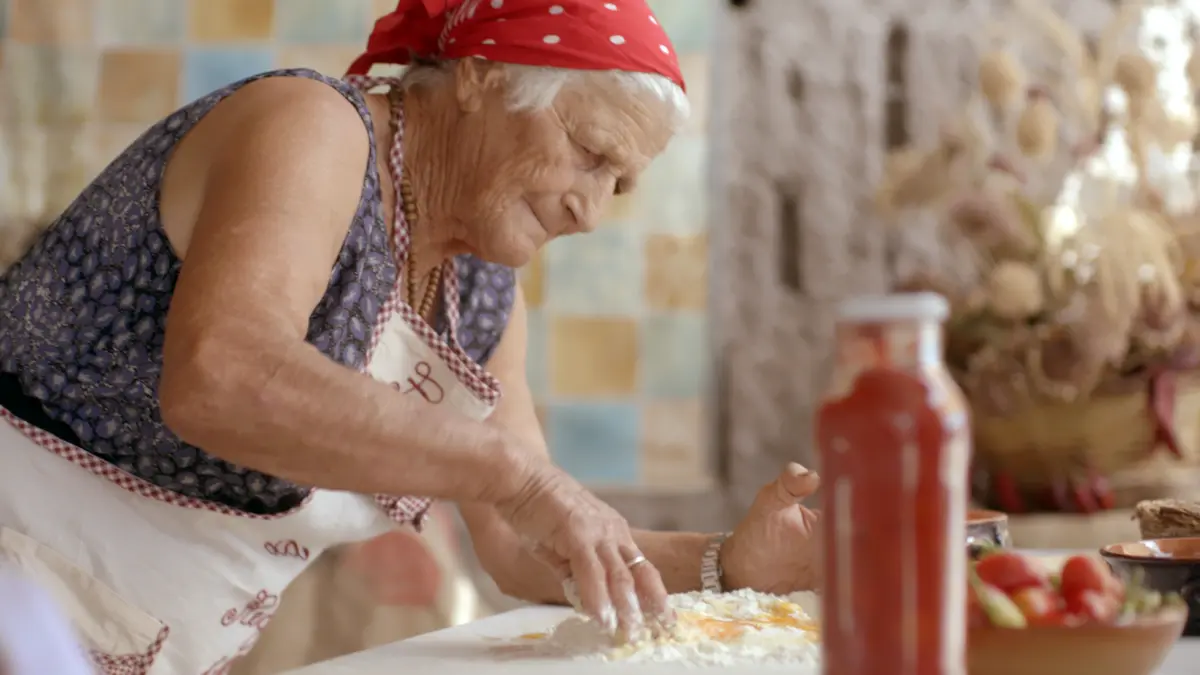
Enter Pasta Grannies, a digital preservation project and global media phenomenon founded by food writer and author Vicky Bennison. Launched as a YouTube channel, Pasta Grannies began with a deceptively simple premise: to catalogue the authentic, unvarnished handmade pasta skills of Italy’s grandmothers. For more than half a decade, Bennison has traversed the Italian peninsula, venturing off the beaten tourist path into rural hamlets, mountain villages, and sun-drenched coastal towns. There, she invites audiences directly into the kitchens of nonnas as they lovingly, and often effortlessly, prepare their favorite regional dishes.
What started as an archival rescue mission has since blossomed into a cultural touchstone. The channel has captured the imaginations of millions, inspiring a new generation of home cooks while serving as an unprecedented anthropological archive. This comprehensive feature explores the genesis of Pasta Grannies, the mechanics of its digital preservation, the cultural implications of documenting disappearing culinary arts, and the profound impact of connecting the wisdom of elders with a hyper-connected, global audience.
Detailed Chronology: From Humble Archives to a Global Movement
The Genesis of an Idea (Pre-2015)
Long before the Pasta Grannies channel uploaded its first video, Vicky Bennison was carving out a career as a respected food writer and author, deeply immersed in the nuances of Italian food culture. Stationed in Italy for significant portions of the year, Bennison noticed a profound disconnect between the romanticized global perception of Italian cuisine and the stark reality on the ground. While Italian restaurants abroad thrived on standardized menus and automated pasta production, the domestic reality was shifting. The grandmothers who held the keys to centuries-old regional recipes—recipes passed down orally through lineages rather than written in cookbooks—were aging, and their grandchildren were moving toward urban centers and convenience-driven diets.
Bennison realized that a critical cultural bridge was burning down. Traditional cooking techniques, regional variations of pasta shapes that differed from valley to valley, and the sensory intuition required to know when a dough was "ready" based solely on the weather and the feel of the flour were dying out. Recognizing that traditional print media lacked the dynamic immediacy required to capture these kinetic skills, Bennison turned her gaze toward digital video.
Launching the Digital Kitchen (2015–2018)
In the mid-2010s, Bennison launched the Pasta Grannies YouTube channel. The early days of the project were characterized by a bootstrapped, grassroots ethos. Armed with little more than a camera, a sound recorder, and a deep respect for her subjects, Bennison began traveling across Italy to seek out women—and occasionally men, though the focus remained squarely on the grandmothers—who possessed decades of domestic culinary mastery.
The initial videos were deceptively simple. There were no high-production studio kitchens, no professional chef coats, and no slick editing tricks. Instead, viewers were welcomed into the idiosyncratic, lived-in kitchens of women in their seventies, eighties, and nineties. These spaces were adorned with religious iconography, worn wooden rolling pins (mattarelli), and flour-dusted aprons. The early videos established the core format that would define the channel’s success: an intimate portrait of a nonna, a step-by-step masterclass in regional pasta-making, and a window into the rich personal histories of women who had lived through monumental historical shifts, including post-war Italy.
Scaling and Mainstream Recognition (2019–Present)
As internet users hungered for authentic, slow-paced content amidst an increasingly fast-paced digital landscape, Pasta Grannies hit an inflection point. The channel experienced exponential subscriber growth, turning rural Italian grandmothers into international digital celebrities. Viewers from Tokyo to Toronto tuned in weekly not just to learn how to fold agnolotti, but to bear witness to the warmth, humor, and resilience of the women on screen.
Recognizing the broader cultural weight of the project, traditional publishing soon knocked. Bennison expanded the brand into print, releasing the bestselling cookbook Pasta Grannies: The Official Cookbook, followed by subsequent volumes and digital masterclasses. Partnerships with digital platforms, including YouTube itself, helped shine a spotlight on the platform as a prime example of how digital video can bridge generational divides and preserve intangible cultural heritage. Today, Pasta Grannies stands as a masterclass in modern digital ethnography—proving that the oldest stories are often best told through the newest mediums.
Supporting Context & Metrics: The Anatomy of a Cultural Phenomenon
To fully appreciate the impact of Pasta Grannies, one must examine the intersection of digital media consumption, culinary anthropology, and the global trend toward "slow media."
The Preservation of Intangible Cultural Heritage
UNESCO defines intangible cultural heritage as practices, representations, expressions, knowledge, and skills that communities recognize as part of their cultural heritage. Traditional foodways fall squarely within this definition. Unlike architectural monuments or written manuscripts, culinary knowledge is ephemeral; it lives in the muscles, memories, and sensory perception of living practitioners.
When a nonna passes away without teaching her specific method of making malloreddus (Sardinian gnocchi) or testaroli (Tuscan crêpe pasta), an entire localized ecosystem of taste, history, and linguistic nuance vanishes. Pasta Grannies acts as an emergency digital vault. By recording the exact hand movements, hydration ratios, and flour blends used by these women, the project preserves technical specifications that industrial food science has largely forgotten.
Digital Metrics and Audience Demographics
While exact subscriber counts fluctuate as the channel continues to grow, Pasta Grannies commands a dedicated global community numbering in the millions across YouTube, Instagram, and Facebook.
- Global Reach: The audience is remarkably international, spanning the United States, the United Kingdom, Australia, Japan, and Latin America. This demonstrates that the appeal of the nonnas transcends language barriers; even for viewers who do not speak Italian, the visual language of cooking and the emotive expressions of the grandmothers are universally understood.
- The "Slow Media" Antidote: In an era dominated by short-form, hyper-edited TikToks and Instagram Reels, Pasta Grannies champions a slower, more immersive narrative style. Videos often range from 10 to 20 minutes, allowing viewers to decompress and experience the meditative rhythm of rolling out dough. This adherence to unhurried storytelling has resonated powerfully with audiences experiencing digital fatigue.
Official Statements and Perspectives
The philosophical core of Pasta Grannies is anchored in the belief that digital technology, often criticized for isolating individuals, can actually be harnessed to build intergenerational and cross-cultural solidarity.
Reflecting on the mission of the channel, Vicky Bennison has repeatedly emphasized the profound human element driving the project:
"YouTube is just the most fantastic way for these women to pass on their skills and traditions to their grandchildren, their great-grandchildren, and the rest of the world."
This perspective reframes platforms like YouTube not merely as entertainment hubs, but as vital democratic archives. For the grandmothers featured on the channel, the experience of being filmed is often transformative. Many of these women spent decades performing invisible, uncompensated domestic labor within their households—cooking daily meals for extended families without recognition outside their immediate social circles. Pasta Grannies validates this labor, framing domestic culinary arts as a form of high craftsmanship worthy of global admiration.
Platform representatives have also highlighted the partnership with Pasta Grannies as a testament to the diverse utility of video sharing. During documentary collaborations in Italy, platform executives noted how grassroots creators are utilizing digital tools to safeguard cultural traditions that might otherwise be lost to the homogenization of globalized food industries. By bringing production crews directly to Italy, these initiatives underscore the platform’s role in amplifying independent creators who serve a public good.
Future Outlook: Ensuring the Legacy Endures
As Pasta Grannies looks toward the future, the project faces both unique opportunities and poignant challenges.
The Inevitable Passage of Time
The most significant challenge facing the project is biological reality. The stars of Pasta Grannies are, by definition, elderly. Many of the women featured in the earliest videos have since passed away. In this sense, the channel has organically evolved from a living catalog into a living memorial. Each video now serves as an eternal digital monument to a specific individual—preserving their voice, laughter, philosophy, and culinary touch long after they are gone.
Expanding the Scope of Culinary Preservation
Looking ahead, the Pasta Grannies ecosystem is poised for continued expansion. While the core focus remains on Italian grandmothers, the underlying philosophy—that elderly women hold the keys to the world’s most valuable, undocumented foodways—has universal applicability. Food historians and digital archivists frequently point to Pasta Grannies as a structural blueprint that could be replicated globally, capturing the endangered domestic cooking traditions of grandmothers in East Asia, West Africa, Latin America, and beyond.
Furthermore, the brand continues to bridge the physical and digital worlds through masterclasses, travel experiences, and literary contributions. These initiatives ensure that the economic engine supporting the project remains robust, allowing Bennison and her team to continue traveling to remote regions in search of the next undiscovered culinary master.
Conclusion
In a world increasingly dominated by pre-packaged meals, ghost kitchens, and algorithmic food trends, Pasta Grannies offers a radical act of resistance through flour, water, and human connection. It reminds us that behind every great dish is a human story, a lineage of trial and error, and a profound act of love. Through the vision of Vicky Bennison and the generous spirits of Italy’s nonnas, the golden age of handmade pasta has been pulled back from the brink of oblivion, ensuring that generations to come can continue to taste history, one grandmother at a time.






Belum ada komentar. Jadilah yang pertama berkomentar!