

Executive Overview
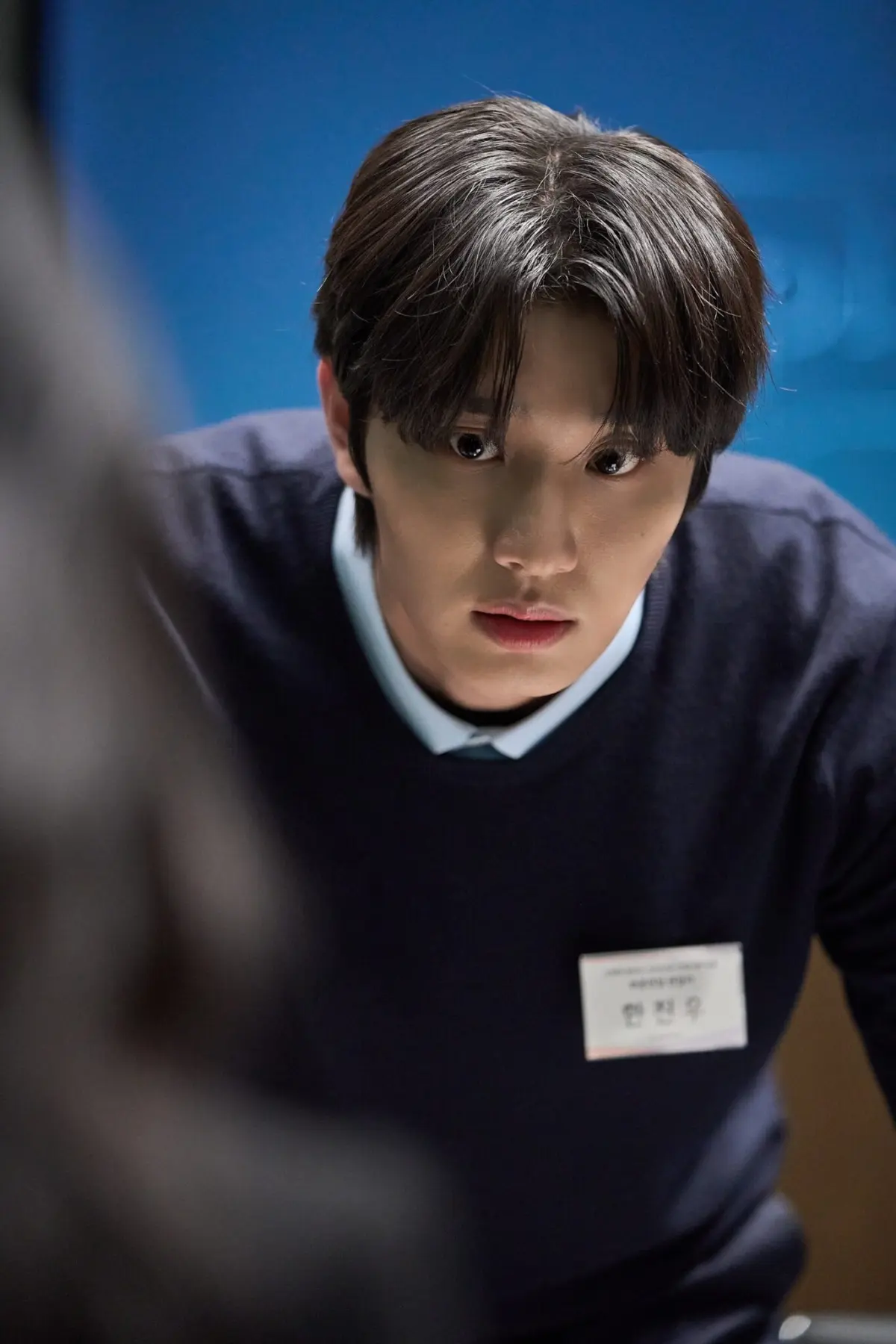
As the boundaries between professional ambition and psychological survival continue to blur in contemporary cinema, the upcoming high-stakes thriller Final Interview emerges as a masterclass in modern tension. Set against the unforgiving backdrop of an ultra-competitive job market within a premier global IT corporation, the film plunges six elite finalists into a harrowing crucible of suspicion, paranoia, and moral decay. At the center of this psychological maelstrom is actor Kim Jae Won, who steps into the role of Han Jin Woo—a figure whose outward warmth and genuine camaraderie are systematically tested by a series of insidious revelations.
Scheduled for a theatrical release on November 4, Final Interview promises to dissect the fragile architecture of workplace trust. When the final round of interviews takes a sinister turn following the discovery of mysterious envelopes containing deeply guarded exposés on each candidate, the boardroom transforms from a space of corporate aspiration into a gladiatorial arena. This feature article explores the intricate character dynamics of Han Jin Woo, the creative vision behind director Kim Jung Hoon’s direction, the thematic weight of modern corporate survival, and the profound performances shaping one of the most anticipated psychological dramas of the year.
Detailed Chronology and Plot Mechanics: The Descent into Paranoia
The narrative architecture of Final Interview is meticulously engineered to escalate tension in real time. The film opens in the hyper-competitive ecosystem of a cutting-edge global IT conglomerate, where thousands of applicants have been systematically culled down to the final six. These individuals represent the cream of the crop—brilliant, driven, and seemingly prepared for every conceivable professional hurdle.
For a full month leading up to the final evaluation, these six finalists have collaborated closely in team-building discussions and strategic preparations. Through this rigorous process, they have forged bonds of mutual respect, learning each other’s professional strengths, working styles, and personal nuances. The atmosphere is initially one of shared triumph; having survived an arduous gauntlet, they stand on the precipice of career-defining success together.
However, the illusion of solidarity shatters the moment the finalists enter the final interview venue. Instead of a panel of evaluators waiting to test their technical prowess, they discover a collection of mysterious, unaddressed envelopes. Inside these packages lie meticulously curated exposés—incriminating secrets, past failures, and vulnerable truths about each of the six candidates.
As the contents of these envelopes are brought to light, the collaborative dynamic instantaneously dissolves. Paranoia takes root as the applicants realize that someone within their tightly knit circle—or perhaps an unseen entity orchestrating the process—is weaponizing their private histories. What begins as a structured professional assessment quickly degenerates into an intense psychological battleground. Trust evaporates, alliances fracture, and every word, glance, and shared memory from the past month is recontextualized through a lens of extreme suspicion.
Character Spotlight: Han Jin Woo and the Burden of Sincerity
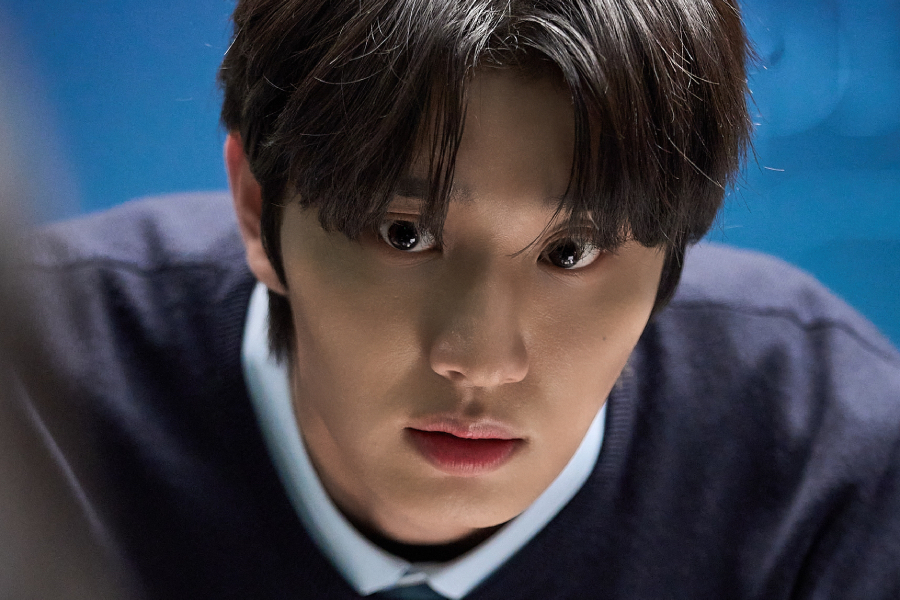
Within this viper’s nest of shifting allegiances, Kim Jae Won’s portrayal of Han Jin Woo serves as the emotional anchor for the audience. Jin Woo is initially introduced as the quintessential "good guy"—a gentle, empathetic applicant whose moral compass refuses to let him judge others based merely on superficial impressions.
Throughout the month-long preparation period, Jin Woo distinguishes himself through his extraordinary attentiveness. He is not merely focused on his own advancement; rather, he invests genuine emotional energy in his peers. He remembers not only their names and professional backgrounds but also their individual preferences, quirks, and vulnerabilities. As the final round approaches, Jin Woo harbors a sincere, selfless hope: that all six of them will succeed and secure positions at the company together.
Yet, it is precisely this deep-seated empathy that makes Jin Woo’s subsequent psychological torment so compelling. The sudden arrival of the mysterious envelopes strikes at the very core of his worldview. While the other applicants immediately give in to suspicion, Jin Woo initially attempts to preserve his faith in his colleagues, categorically dismissing the provocations with the sharp warning: "This is obviously a trap."
Despite his resistance, the relentless onslaught of revelations begins to erode his defenses. As dark secrets about his peers—and potentially himself—are dragged into the open, Jin Woo is forced to confront a terrifying question: Who can you truly trust when everything you thought you knew is exposed as a lie? His journey traces a harrowing arc from naive optimism to defensive wariness, capturing the tragic dismantling of human warmth in an environment designed to reward ruthlessness.
Supporting Context and Metrics: The Anatomy of Modern Workplace Thrillers
To fully appreciate the narrative impact of Final Interview, one must examine the socio-cultural zeitgeist from which it draws inspiration. In recent years, South Korean cinema has excelled in transforming mundane corporate and academic environments into high-octane thrillers, capitalizing on the immense societal pressure surrounding employment, status, and socio-economic survival.
The corporate survival subgenre taps directly into the collective anxieties of modern workforce demographics. In a globalized economy characterized by extreme job scarcity, the traditional concept of teamwork is frequently undermined by hyper-individualism. Final Interview literalizes this corporate Darwinism by trapping its characters in a literal pressure cooker where peer collaboration is pitted directly against self-preservation.
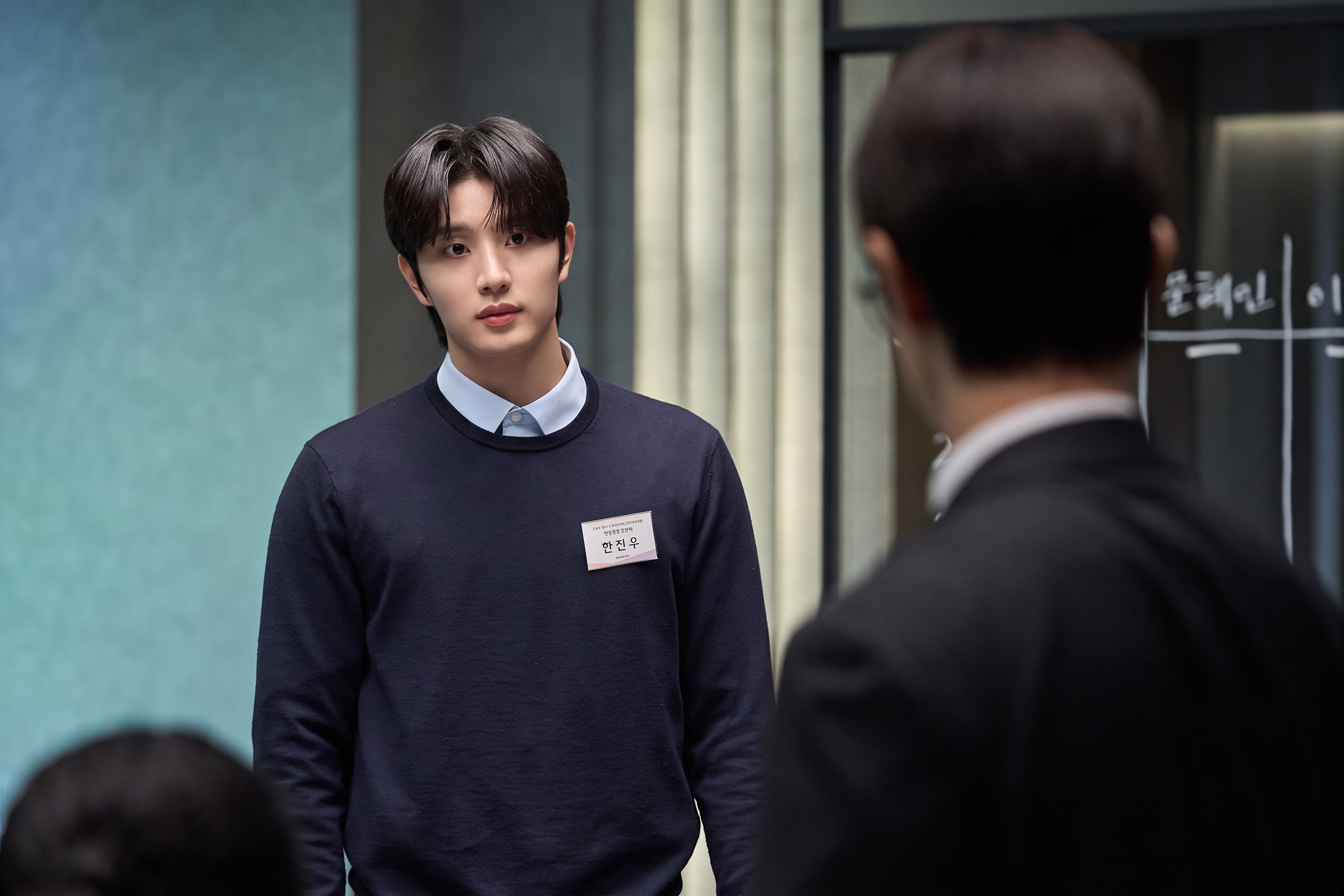
Furthermore, the film’s visual and auditory design plays a crucial role in amplifying its psychological terror. Director Kim Jung Hoon utilizes tight framing, claustrophobic set designs, and a minimalist score to trap the audience alongside the actors in the boardroom. Every shift in lighting, every lingering close-up on a character’s shifting expression, and every pregnant pause in dialogue is calibrated to heighten the sense of claustrophobia. The mysterious envelopes act as a MacGuffin that forces the characters—and by extension, the viewers—to interrogate the nature of identity, reputation, and the facades we construct in professional spaces.
Official Statements and Creative Insights
The depth of Final Interview is a testament to the rigorous collaboration between its leading man and its director. Both Kim Jae Won and filmmaker Kim Jung Hoon have shared profound insights into the construction of the film’s complex psychological landscape.
Reflecting on his character, Kim Jae Won discussed the distinct challenges of playing someone caught between absolute sincerity and creeping paranoia:
"I was drawn to Han Jin Woo’s sincerity and the mystery hidden beneath it. I paid close attention to even the smallest details, from his appearance to maintaining the character’s desire to remain neutral."
This commitment to neutrality is what makes Jin Woo’s character arc so effective. By refusing to lean overtly into heroism or villainy early on, Jae Won maintains an ambiguous aura that keeps both his fellow characters and the audience guessing about his true motives and breaking point.
Director Kim Jung Hoon was quick to praise his star’s ability to navigate this delicate tightrope of audience perception:
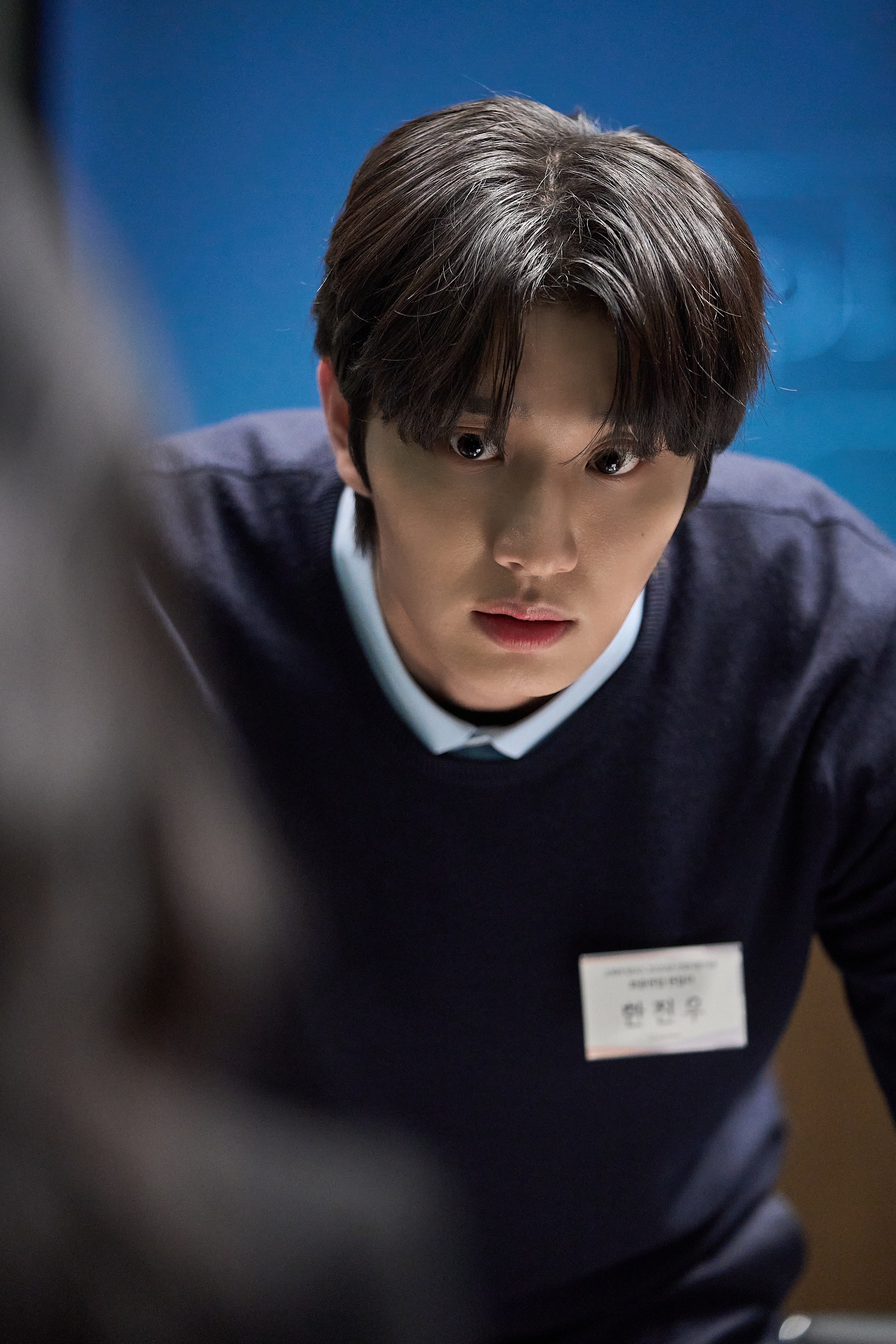
"Jin Woo needed to be someone the audience would naturally like and want to trust until the very end. Kim Jae Won conveyed the character’s sincerity convincingly through his warm appearance, soothing voice, and ability to subtly vary even a single line of dialogue."
Director Kim’s approach relies heavily on psychological realism rather than overt theatrics. By casting an actor with Jae Won’s inherent warmth and approachable screen presence, the production weaponizes the audience’s natural inclination to trust familiar, comforting archetypes, thereby amplifying the shock when those foundations begin to crack.
Future Outlook and Anticipation
As the November 4 theatrical release date rapidly approaches, Final Interview stands out as a must-watch cinematic event for aficionados of psychological thrillers and character-driven dramas alike. The film arrives with substantial pre-release momentum, fueled by intrigue over its labyrinthine plot, stellar performances, and sharp social commentary on the cost of modern ambition.
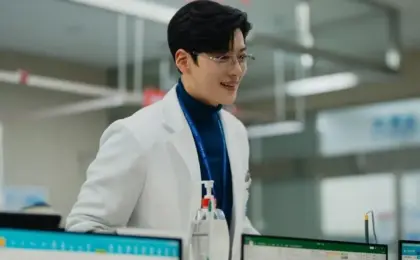
For fans of Kim Jae Won, the film offers a thrilling departure from his previous work, showcasing a remarkable maturation in his dramatic range. Viewers seeking to familiarize themselves with his recent performances can also catch him in Yumi’s Cells 3 while awaiting the theatrical rollout of Final Interview.
Ultimately, Final Interview transcends the conventions of a standard genre film. It serves as an unsettling mirror to contemporary professional life, forcing viewers to ask uncomfortable questions about their own boundaries: How well do we truly know our colleagues? What secrets would we be willing to weaponize to secure our own success? And when the masks finally fall away in the boardroom, who will be left standing among the ruins of mutual trust? Find out when Final Interview hits theaters on November 4.




Belum ada komentar. Jadilah yang pertama berkomentar!