

Executive Overview
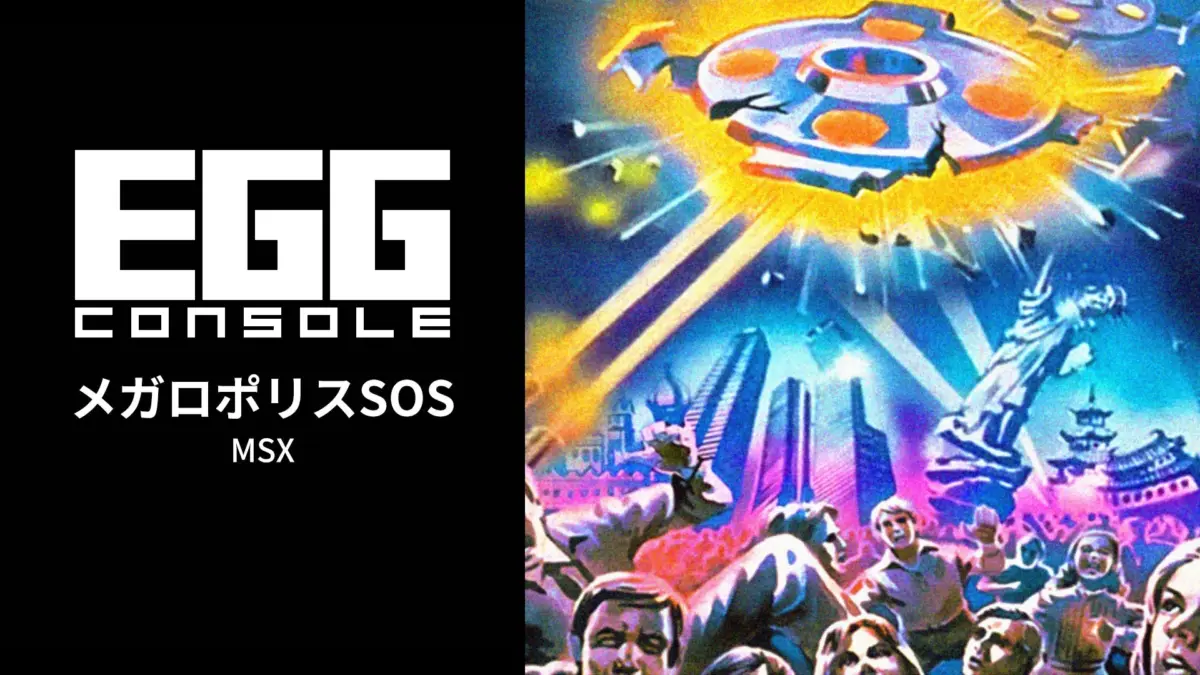
In a significant move for retro gaming preservation and digital distribution, D4 Enterprise has officially announced the release of the 120th title for its expanding EGG Console service. Launched on October 22, 2026, the newly available classic is none other than EGG Console SOS MSX, originally released for the iconic MSX home computer standard.
Priced at an accessible 1,200 yen (including tax), this addition underscores D4 Enterprise’s ongoing commitment to rescuing, archiving, and redistributing pivotal pieces of computing and video game history. The title brings back a piece of 1980s software heritage, allowing modern gamers and digital archivists alike to experience a crucial milestone in early arcade-style strategy and defense gameplay.
As digital storefronts increasingly grapple with the loss of interactive history, platforms like the EGG Console continue to serve as vital lifelines for vintage software. SOS MSX represents not merely a nostalgic artifact, but a masterclass in early systemic game design that laid the groundwork for modern strategic survival titles.
Detailed Chronology: The Origins and Evolution of SOS MSX
The 1983 Landscape and the Birth of a Classic
To truly appreciate the significance of SOS MSX—first released to the public in 1983—one must contextualize the technological landscape of the early 1980s. The MSX standard, conceived by Kazuhiko Nishi and backed by Microsoft, was designed to unify the fragmented home computer market by establishing a universal hardware specification across multiple manufacturers. Amidst this hardware revolution, software developers rushed to define the capabilities of the architecture.
SOS emerged during this golden era of experimentation. Developed as a strategic defense simulation, the game challenged players not with traditional platforming or straightforward shooting mechanics, but with resource management, tactical prioritization, and global defense.
Gameplay Mechanics: Global Defense Under Pressure
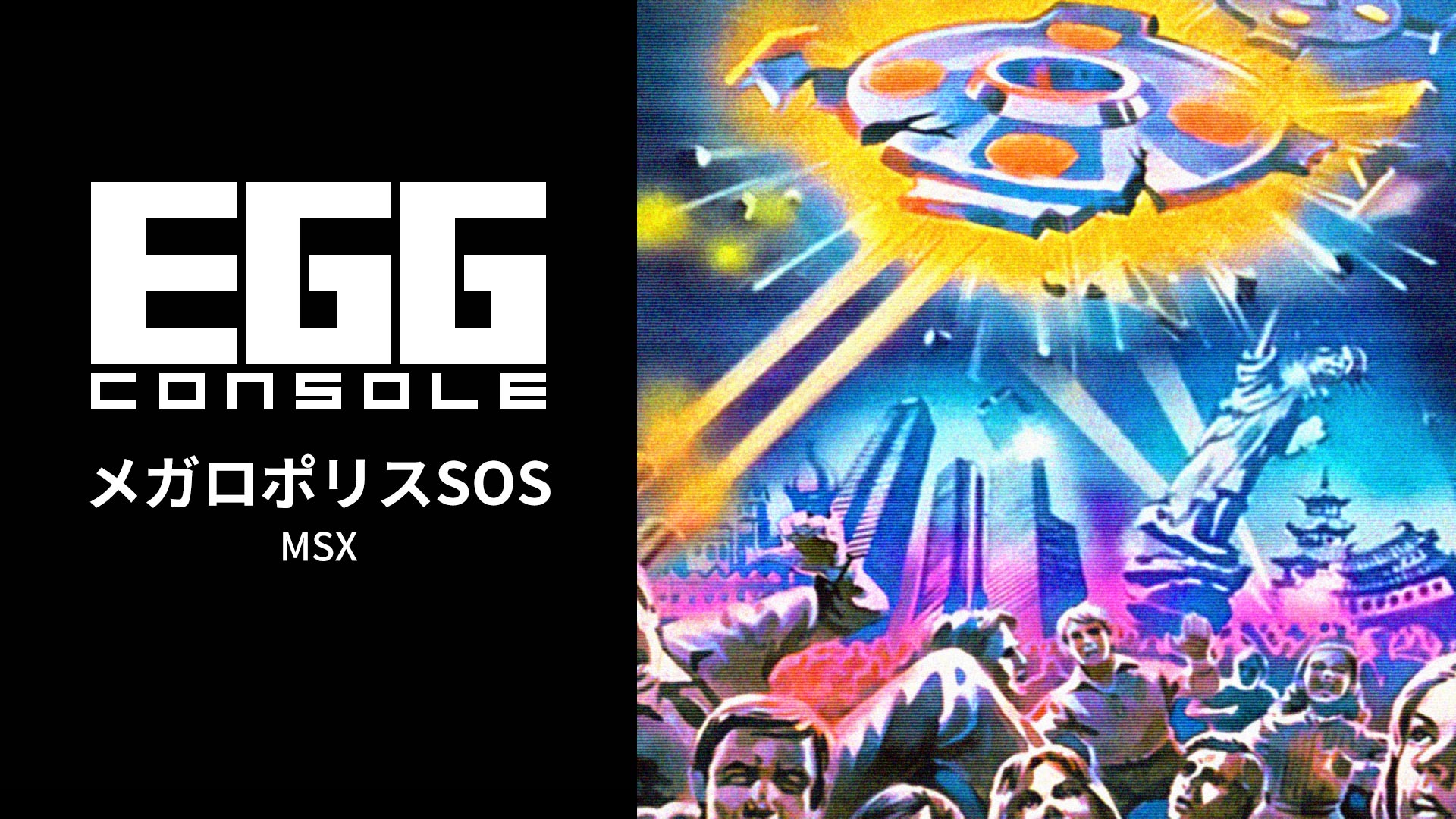
At its core, SOS MSX tasks the player with a monumental challenge: defending major global hubs from an unrelenting onslaught of unidentified flying objects (UFOs). The game marries high-stakes decision-making with intense arcade action. Players are not simply reacting to threats on a single screen; rather, they must manage defensive networks across a sprawling geopolitical map.
The game tracks threats targeting six major world cities:
- NYC (New York City)
- LON (London)
- TKY (Tokyo)
- MOW (Moscow)
- PEK (Beijing)
- PAR (Paris)
This multi-city focal point elevates SOS MSX above standard shoot-’em-ups of its era. Players must strategically allocate defensive resources, intercept incoming UFOs before they breach urban airspace, and make agonizing choices about which regions to protect when overwhelmed by multiple simultaneous incursions. Failing to manage these global assets leads directly to catastrophic destruction, turning what appears to be a simple shooter into a tense exercise in strategic triage.
Supporting Context & Metrics: The EGG Console Ecosystem
Milestones in Software Preservation
The arrival of SOS MSX as the 120th title on the EGG Console platform marks a major operational milestone for D4 Enterprise. Reaching 120 titles is no small feat in the realm of retro game emulation, where licensing hurdles, source code degradation, and technical incompatibilities frequently stall preservation efforts.
| Metric / Parameter | Detail |
|---|---|
| Platform | EGG Console (via D4 Enterprise) |
| Featured Title | SOS MSX |
| Milestone Index | 120th Title Release |
| Release Date | October 22, 2026 |
| Pricing | 1,200 JPY (inclusive of tax) |
| Original Hardware | MSX Home Computer (1983) |
The EGG Console platform has steadily built a reputation as the premier digital home for classic Japanese PC and console software, bridging the gap between obsolete physical media and modern digital consumption. By ensuring that titles like SOS MSX run smoothly on contemporary systems, D4 Enterprise safeguards software that might otherwise be lost to time due to magnetic tape decay and hardware obsolescence.
Technical Adaptation and Emulation Challenges
Emulating MSX software for modern platforms involves meticulous reverse engineering and emulation accuracy. Unlike arcade boards or dedicated consoles, the MSX architecture varied across manufacturers (such as Sony, Panasonic, and Yamaha), meaning software had to be robust enough to handle subtle hardware variations.
D4 Enterprise’s implementation within the EGG Console framework ensures that the visual integrity, audio cues (often characterized by classic MSX PSG sound chips), and responsive input timing of SOS MSX are faithfully replicated. This allows modern players to experience the game precisely as it was intended to be played in 1983, complete with its unforgiving difficulty curve and minimalist aesthetic.
Official Statements and Licensing Frameworks
The distribution of SOS MSX is governed by strict intellectual property agreements designed to honor the original creators while establishing clear legal frameworks for digital re-release.
Copyright and trademark notices associated with the release explicitly outline the legal parameters:

- Publisher & Distributor: © D4Enterprise Co., Ltd.
- Licensing & Trademarks: © MSX Licensing Corporation All Rights Reserved.
- Trademark Status: ‘MSX’ is a registered trademark of the MSX Licensing Corporation.
D4 Enterprise has consistently emphasized its collaborative approach with copyright holders. By securing formal licenses from entities like the MSX Licensing Corporation, the company ensures that retro software preservation remains a legally viable and economically sustainable industry. These partnerships pave the way for neglected software catalogs to find new audiences decades after their initial commercial lifecycles ended.
Future Outlook: The Road Ahead for Retro Preservation
The Growing Demand for Digital Archives
The successful rollout of the 120th EGG Console title signals robust ongoing demand for vintage software. As younger generations of gamers and digital historians display an increasing appetite for interactive archaeology, platforms that curate and legally distribute retro games are transitioning from niche services into essential cultural repositories.
Industry observers note that the preservation of 1980s computer software—particularly from platforms like the MSX, PC-8801, and X68000—faces unique hurdles compared to mainstream console preservation. Because much of this software was distributed on floppy disks or cassette tapes with limited production runs, digital storefronts like D4 Enterprise’s EGG Console perform an invaluable public service.
What Lies Beyond Title 120?
With SOS MSX now officially integrated into the EGG Console library, attention naturally turns toward the future. D4 Enterprise has indicated that it plans to continue expanding the service, targeting both well-known classics and obscure cult hits from the MSX and other vintage platforms.
As the catalog marches past the 120-title mark, the standard set by releases like SOS MSX proves that meticulous attention to detail, legal transparency, and a passion for gaming history can successfully rescue the digital past from oblivion. For strategy fans and retro enthusiasts alike, diving into the global defense networks of SOS MSX offers both a humbling challenge and a fascinating look at the evolutionary roots of modern tactical video games.




Belum ada komentar. Jadilah yang pertama berkomentar!