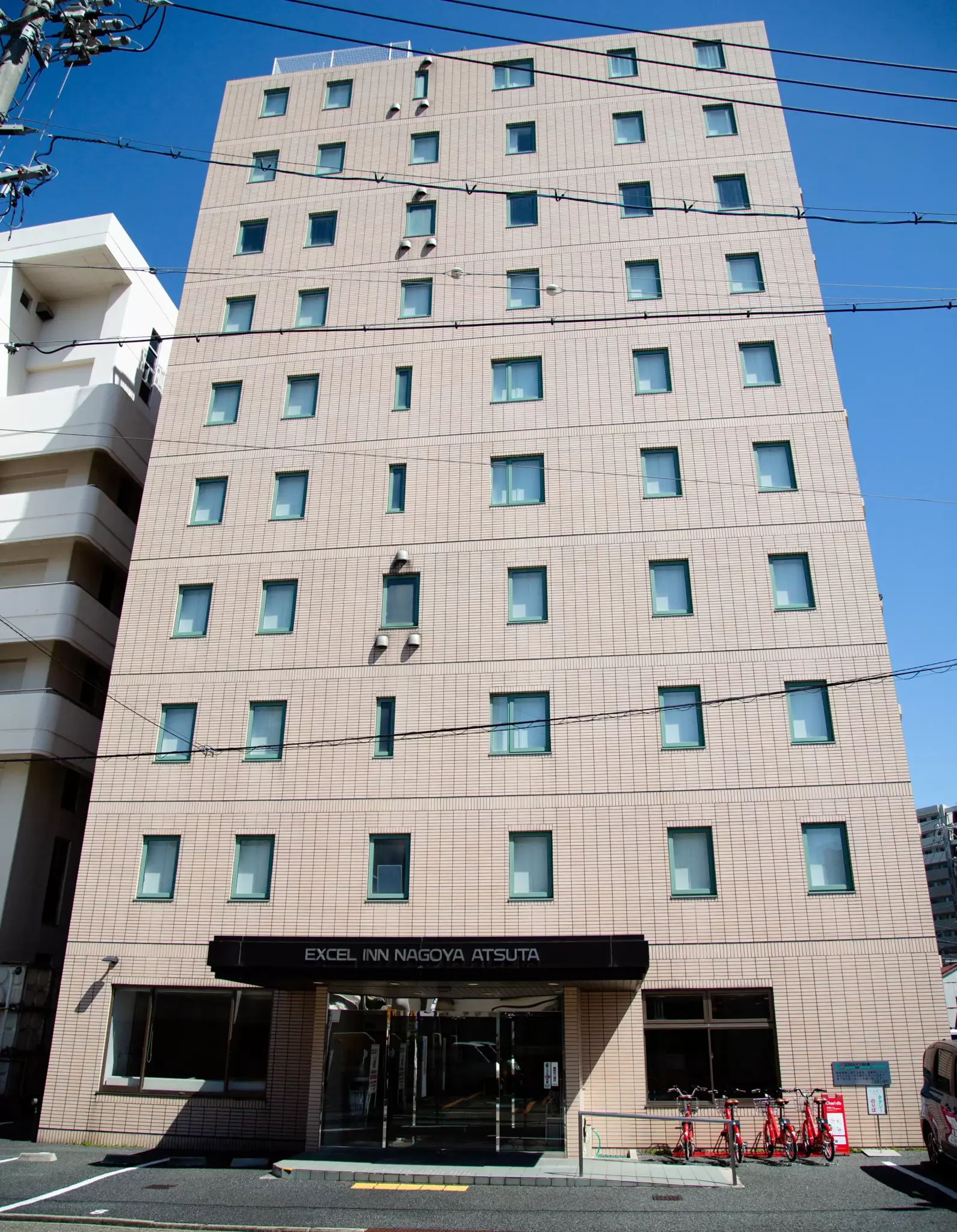
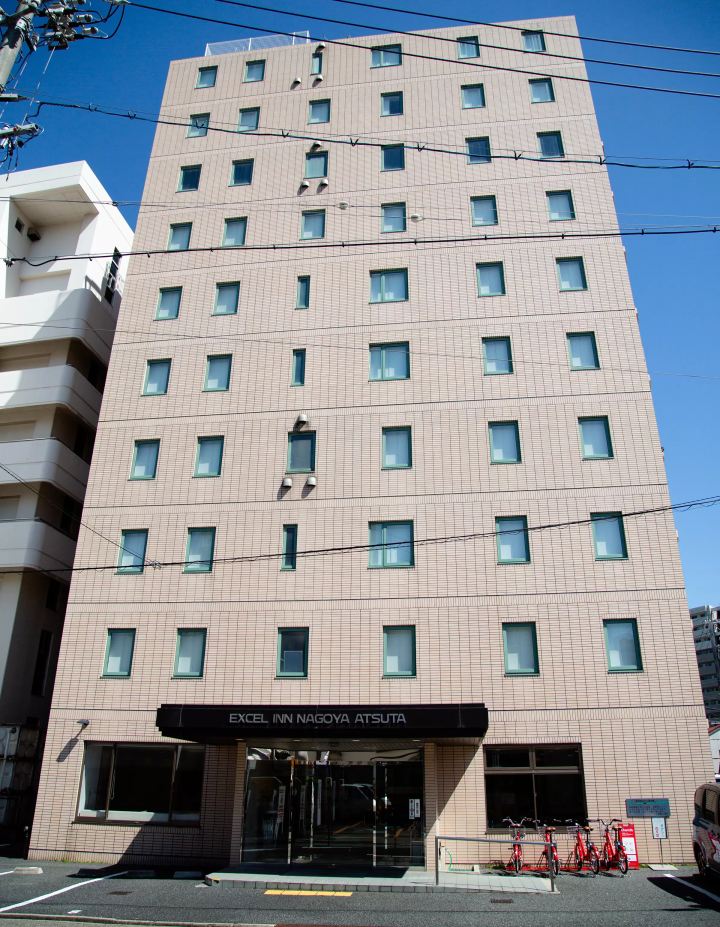
Urban renewal is rarely driven by grand, sweeping mandates alone; more often, it is sparked by the localized convergence of visionary leadership, micro-infrastructure, and community collaboration. In Nagoya’s historic Atsuta Ward, this dynamic is vividly on display at the Excel Inn Nagoya Atsuta. Under the stewardship of President and CEO Haruki Kariya, the business hotel has evolved from a standard overnight stay into a dynamic catalyst for local revitalization.
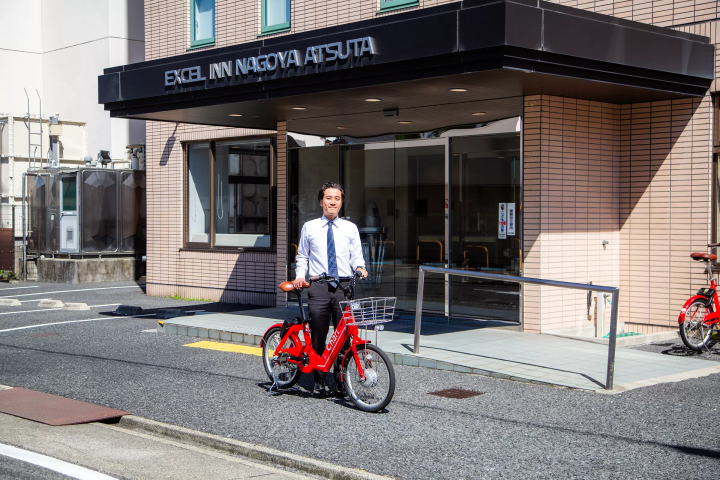
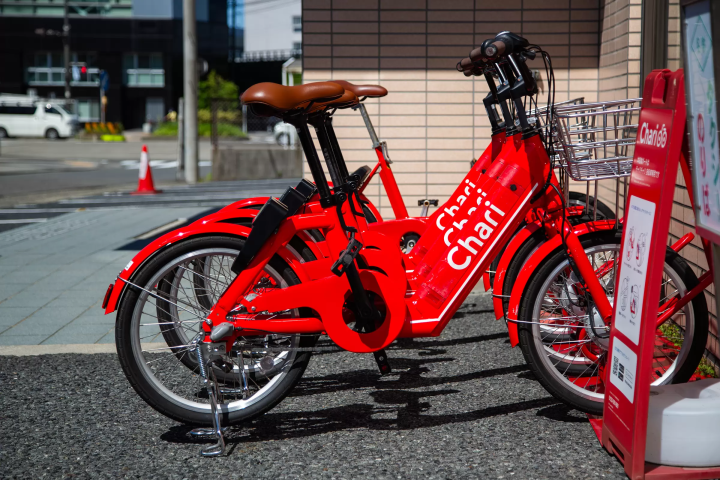
At the literal and figurative threshold of this transformation sits a neatly integrated dock for "Charichari," a popular dockless bicycle-sharing service. What began as a simple amenity installation has catalyzed a broader operational and philosophical evolution. By pairing frictionless micro-mobility solutions with intentional hotel design, historical programming, and a deep-rooted commitment to Japan’s manufacturing workforce, Kariya is charting a new course for regional hospitality. This report examines how the integration of the Charichari port has expanded urban mobility, enhanced neighborhood aesthetics, and laid the groundwork for a broader cultural renaissance in Atsuta Ward.
Detailed Chronology: The Journey of Haruki Kariya and Excel Inn Nagoya Atsuta
To understand the trajectory of Excel Inn Nagoya Atsuta, one must first examine the background of its chief executive. Haruki Kariya’s professional journey is anything but conventional for a hospitality executive.
From Aerospace Engineering to Venture Leadership
During his university years, Kariya majored in aerospace engineering, cultivating a rigorous, systems-oriented approach to problem-solving. Upon graduation, he entered the corporate sphere as a consultant with a major foreign firm, advising large-scale manufacturing clients on operational efficiency and strategic growth. After several years in the consulting sector, Kariya transitioned into the entrepreneurial ecosystem, participating in the successful launch of multiple startup ventures.
Eventually, he returned to his roots to take the helm of the family business, assuming the role of Representative Director of Excel Inn Co., Ltd. Today, Kariya maintains a multi-faceted professional portfolio, simultaneously managing companies within the hotel cleaning sector and IT venture spaces.
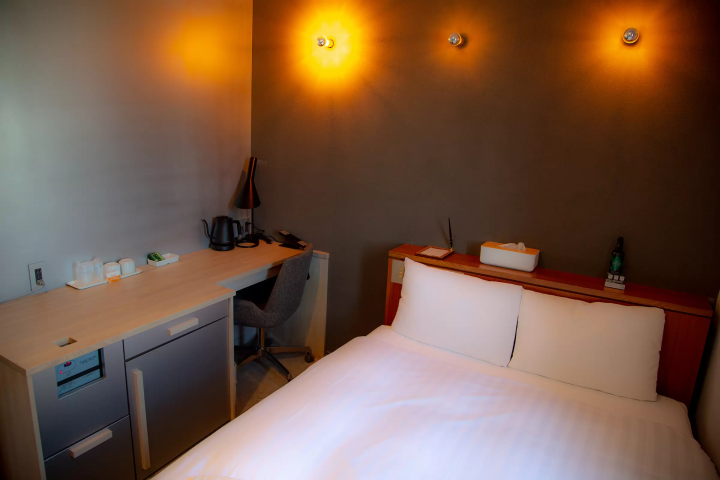
When Kariya assumed management of Excel Inn Nagoya Atsuta, the business environment was far from smooth sailing. Faced with post-pandemic economic ripples and shifting travel trends, the hotel navigated a challenging operational landscape. However, applying the analytical rigor of his consulting background and leveraging his broad network, Kariya systematically improved the property’s financial and operational health. Today, his efforts are centered on sweeping interior renovations and community-driven initiatives designed to unlock the hidden tourism potential of Atsuta Ward.
The Arrival of "Charichari"
The partnership between Excel Inn Nagoya Atsuta and Charichari began through civic engagement. As an active participant in the Atsuta Miyajuku Association—an organization dedicated to preserving and promoting the historic Tokaido post-town heritage—Kariya met a Charichari corporate representative during a regional planning meeting.
Recognizing an alignment of interests, the hotel agreed to install a Charichari bicycle parking port directly adjacent to its barrier-free entrance. Far from acting as a visual detractor, the neatly aligned racks and the signature bright-red frames of the shared bicycles have enhanced the streetscape, offering a welcoming, modern aesthetic to guests and passersby alike.
Supporting Context & Metrics: The Micro-Mobility Impact
The decision to install the Charichari port was underpinned by a strategic analysis of guest behavior, neighborhood geography, and urban design principles. Kariya and his team identified four primary advantages prior to installation:
Extended Exploration Radius: Visitors touring the historic Tokaido route on foot often find their range limited. Bicycles provide a frictionless way to expand their touring radius across Atsuta Ward.
Supplemental Revenue Stream: Port ownership yields direct financial benefits for the property, contributing to secondary revenue diversification.
Hassle-Free Maintenance: All hardware upkeep, bicycle redistribution, and fleet maintenance are managed entirely by the Charichari operating company, minimizing operational overhead for the hotel.
Aesthetic Enhancement: Unlike disorganized or makeshift bicycle parking, the branded, uniform layout of the Charichari port elevates the visual appeal of the hotel’s exterior perimeter.
Surrounding Community Adoption
While the initial assumption was that the service would primarily serve out-of-town tourists, post-installation metrics revealed a surprising and encouraging trend: a significant portion of daily users are local residents living in the immediate vicinity of the hotel.
In Atsuta Ward, many residents frequently voice a common sentiment regarding local amenities: "I want to go, but it’s a little too far to walk." Charichari has successfully filled this gap, functioning as an efficient short-distance mobility solution for everyday errands as well as leisure.
Official Statements and Insider Insights
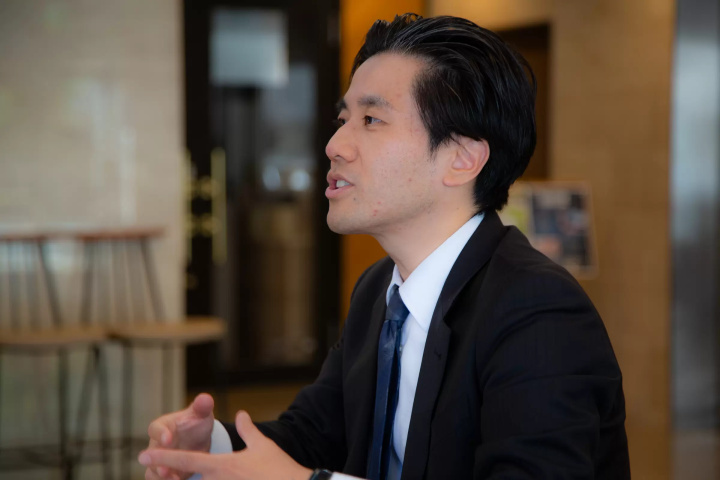
During an exclusive interview, Kariya shared his overarching philosophy regarding regional tourism, structural innovation, and the psychological dimensions of hospitality.
On Atsuta’s Untapped Potential
Discussing the current state of local tourism, Kariya offered a candid assessment:
"Atsuta Ward has Atsuta Shrine, the legendary Atsuta Horai-ken restaurant, and excellent connectivity to regional concert halls. There are also major tourist attractions under construction right in front of the station. Yet, while these spots exist, we haven’t been able to bring about much change or innovation in our local programming over the past decade."
To combat this stagnation, Kariya believes hotels must take an active role in shaping the guest experience rather than relying solely on destination gravity. He points to proprietary programming developed by the hotel, such as the curated "nighttime visit to Atsuta Shrine" package. By offering historical briefings within the hotel prior to departure, guests experience the sacred grounds under the evening atmosphere—a perspective drastically different from daytime visits and exclusive to overnight guests.
On People Over Capital
Addressing the mechanics of genuine urban innovation, Kariya emphasized that financial investment alone is insufficient:
"Ultimately, it’s about people. Innovation can’t move forward without people who have a passion for it. You can’t create innovative content just by having a place and funding."
On the Manufacturing Connection
Despite positioning the hotel for cultural and structural renewal, Kariya is firm that Excel Inn will retain its core identity. The property is not attempting to pivot away from its loyal demographic:
"We are not trying to change our customer base at all. We will remain a business hotel that we particularly want to serve business users and those involved in the manufacturing industry, who currently use our services in large numbers.
We want to strengthen Excel Inn Nagoya Atsuta to be a hotel that makes people want to go to Nagoya and stay in Nagoya Atsuta, so that guests can feel energized here, work hard, and ultimately revitalize Japan. I believe this is my way of giving back to the manufacturing industry, with whom I had a close relationship during my time as a consultant."
Future Outlook: The Next Phase of Atsuta Urban Renewal
As Excel Inn Nagoya Atsuta moves toward completing its comprehensive interior renovations, the vision extends far beyond updated guest rooms.
Redefining the Business Hotel Experience
The upcoming updates are designed to cultivate a refreshing, clean atmosphere while weaving the historical charm of Atsuta directly into the physical architecture of the building. Kariya hints at upcoming projects that will elicit reactions of astonishment from first-time visitors:
"We’re planning a project that will elicit a reaction like, ‘I never imagined there would be such content inside a place that looks like a typical business hotel!’"
Scaling Micro-Mobility Networks
While the Charichari integration has proven successful, Kariya and urban stakeholders acknowledge existing challenges that must be addressed to maximize the system’s potential:
Fleet and Port Density: The absolute number of active ports and bicycles remains insufficient to meet peak demand. Expanding coverage to high-traffic areas is paramount.
Curated Itineraries: While shared bicycles offer absolute freedom of movement, there is a distinct lack of communication regarding suggested routes and thematic itineraries. Developing localized route maps will be essential for transforming random transit into immersive tourism.
Kariya envisions a near future where Charichari serves as the connective tissue linking disparate cultural nodes across Nagoya—bridging stations to hotels, hotels to workplaces, and hidden neighborhood gems to major historic landmarks.
A Call to Action for Local Businesses
The success of the Excel Inn Nagoya Atsuta model offers a clear blueprint for other regional properties. By embracing micro-mobility and leaning into community-led placemaking, local businesses can actively participate in urban revitalization.
Community development organizations, municipal planners, and commercial property owners interested in installing Charichari ports to boost urban tourism convenience are encouraged to reach out to the operating network. As more port owners join the ecosystem, the potential for crafting dynamic, sustainable urban itineraries in Nagoya will expand exponentially—proving that the path to regional revitalization often begins with a single, well-placed bicycle rack.











Belum ada komentar. Jadilah yang pertama berkomentar!