

Executive Overview
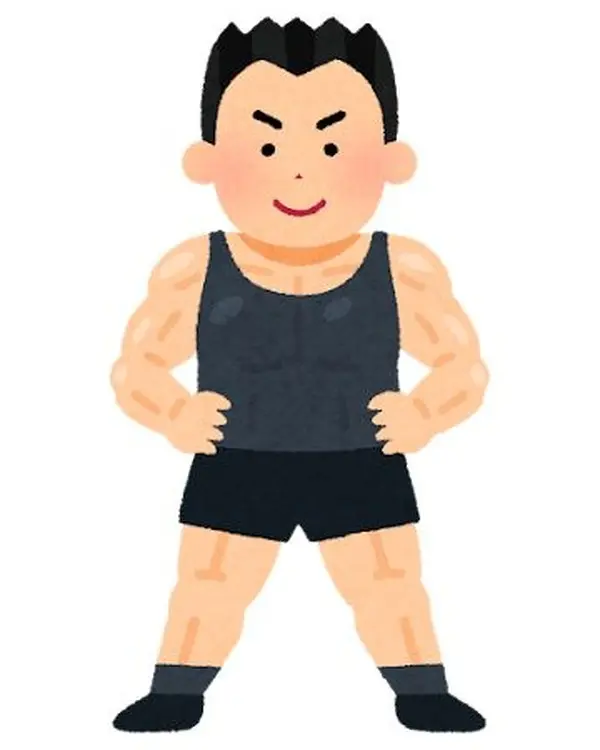
September 24 marks the annual observance of World Gorilla Day, a global initiative established to raise awareness for the conservation of endangered gorilla species and the preservation of their natural habitats. While primarily an ecological campaign, the day has sparked a unique cultural crossover in Japan. In the realm of anime, manga, and light novels, the "gorilla" has long transcended its biological definition, evolving into a celebrated shorthand for characters defined by overwhelming physical power, unyielding resilience, and highly sculpted physiques.
To commemorate this thematic alignment, the prominent Japanese entertainment media outlet Anime! Anime! has launched its highly anticipated annual reader poll: "Who is the Ultimate ‘Muscle’ Character?"
Active through September 18, this open-ended survey invites fans to nominate characters across two-dimensional media—including television anime, theatrical films, streaming releases, original video animations (OVAs), video games, CD dramas, and manga—who best embody the peak of physical conditioning and strength.
Far from a superficial beauty contest, this survey serves as an industry barometer. The "muscle character" (筋肉キャラ — kinniku kyara) is one of the oldest and most versatile archetypes in Japanese pop culture. Over the past four decades, this trope has undergone a dramatic evolution, shifting from the hyper-masculine, Western-influenced action heroes of the 1980s to the self-aware, fitness-positive, and subversively comedic icons of the 2020s.
This investigative report analyzes the historical trajectory of the muscular archetype in Japanese media, the linguistic and cultural phenomenon of the "gorilla" trope, the shifting demographics of fan appreciation, and what the upcoming poll results reveal about contemporary consumer psychology.

Detailed Chronology: The Evolution of Muscular Archetypes in Japanese Media
The depiction of musculature in Japanese sequential art and animation has never been static. Instead, it has mirrored shifting societal values, international media influences, and evolving aesthetic standards.
[1980s: The Age of Machismo] ──► [1990s-2000s: Lean Strength & Realism] ──► [2010s-Present: Fitness & Subversion]
  - Western Action Influence       - "Bishonen" Sleekness                    - The "Gap Moe" Phenomenon
  - Kinnikuman, Fist of North Star - Baki the Grappler, DBZ (Sleek)          - Dumbbells, Mashle, Female Empowerment
The 1980s: The Age of Hyper-Masculinity and Western Action Influence
The modern anime muscle character was forged in the 1980s, heavily influenced by the global dominance of Hollywood action stars like Arnold Schwarzenegger and Sylvester Stallone. During this era, physical bulk was directly correlated with moral righteousness and narrative authority.
- Kinnikuman (1983): Originally a parody of superhero tropes, Yudetamago’s seminal work pioneered the integration of professional wrestling aesthetics and anatomical exaggeration into mainstream shonen manga.
- Fist of the North Star (1984): Tetsuo Hara’s iconic art style defined the decade. Characters like Kenshiro and Raoh boasted hyper-striated, classical Greek-influenced physiques. In this post-apocalyptic narrative, a highly developed body was the ultimate tool for survival and justice.
- Dragon Ball (Late 1980s): Akira Toriyama transitioned his whimsical adventure series into a battle-focused epic, establishing the "bulking up" transformation (seen in characters like Ultra Super Saiyan Future Trunks) as a visual representation of escalating power levels.
The 1990s to 2000s: Sleek Power, Hyper-Realism, and the "Bishonen" Contrast
As the 20th century drew to a close, the industry diverged into two distinct approaches to drawing muscles: hyper-detailed anatomical realism and sleek, athletic minimalism.
- Baki the Grappler (1991–Present): Keisuke Itagaki rejected conventional proportions in favor of an obsessive, almost grotesque depiction of human anatomy. Every tendon, vein, and muscle group was exaggerated to emphasize the primal, violent nature of martial arts.
- The Rise of the Athletic "Bishonen" (Beautiful Boys): Concurrently, mainstream shonen began favoring leaner, more agile protagonists. Musculature was no longer defined by sheer mass but by definition and functionality, appealing to an increasingly diverse female demographic. Characters like Bleach’s Ichigo Kurosaki or Hunter x Hunter’s Hisoka represented a shift toward the "otoko-mae" (handsome man) aesthetic, where muscles complemented, rather than dominated, the character’s visual appeal.
The 2010s to the Present: The Fitness Boom, Comedic Subversion, and "Gap Moe"
In the last decade, the muscle character has been liberated from the confines of serious action and battle shonen. The global rise of fitness culture, bodybuilding, and wellness trends heavily influenced content creators, leading to a golden age of subverted muscular tropes.
- How Heavy Are the Dumbbells You Lift? (2019): This slice-of-life comedy series directly tackled commercial gym culture, weightlifting techniques, and dietary science. The character of Machio Naruzo—a gentle, handsome trainer who periodically shreds his clothes to reveal a colossal, competitive-bodybuilder physique—became a viral sensation.
- Mashle: Magic and Muscles (2020–2024): A direct parody of fantasy tropes, where the protagonist, Mash Burnedead, lacks magic in a world ruled by it. Instead, he overcomes complex spells through sheer, absurd physical conditioning, turning muscle-building into a comedic, logic-defying superpower.
Supporting Context & Metrics: Decoding the "Gorilla" Trope and Fan Demographics
To understand why Anime! Anime! chose World Gorilla Day to launch their muscle character poll, one must examine the unique linguistic and cultural evolution of the term "gorilla" in Japanese internet subcultures.

The "Gorilla" Archetype in Modern Fandom
In Western media, comparing a character to a gorilla can sometimes carry negative or aggressive connotations. In Japanese pop culture, however, the term "Gorilla" (ゴリラ) has evolved into an affectionate, gender-neutral honorific used by fans and creators alike to describe characters with monstrous, physics-defying physical strength, unshakeable mental fortitude, or a blunt, straightforward approach to solving problems.
| Character | Origin Series | Character Concept / Archetype | Why Fans Label Them a "Gorilla" |
|---|---|---|---|
| Toji Fushiguro | Jujutsu Kaisen | The "Sorcerer Killer"; possessing zero cursed energy but peak physical conditioning. | Relies entirely on superhuman brute force, speed, and raw sensory awareness to defeat supernatural entities. |
| Maki Oze | Fire Force | A highly disciplined military officer and pyrokinetic. | Celebrated for her intensely toned physique; frequently reacts with comedic rage when referred to as a "cyclops gorilla." |
| Sakura Oogami | Danganronpa | The "Ultimate Martial Artist." | Possesses a colossal, muscular frame that rivals any male character, combined with a deeply noble, gentle, and self-sacrificing soul. |
| Chitoge Kirisaki | Nisekoi | A half-Japanese, half-American high school girl and daughter of a mob boss. | Comically labeled "Gorilla Girl" by the protagonist due to her terrifying physical strength and tendency to punch him through walls. |
Demographics and the Psychological Appeal of "Gap Moe"
Modern character design heavily relies on the concept of "Gap Moe" (ギャップ萌え)—the cognitive dissonance and subsequent charm generated when a character’s physical appearance contradicts their personality.
The traditional muscle character was often depicted as dim-witted, aggressive, or purely antagonistic. Today, the most popular muscular characters are celebrated for their soft, domestic, or highly intellectual traits:
- The Gentle Giant: Characters like Takeo Gouda (My Love Story!!) possess intimidating, massive frames but are defined by their pure hearts, extreme politeness, and emotional sensitivity.
- The Intellectual Powerhouse: Characters like Alex Louis Armstrong (Fullmetal Alchemist) combine overwhelming physical power with emotional intelligence, artistic sensibilities, and a tendency to burst into tears of empathy.
- The Empowered Female Physique: The growing popularity of muscular female characters (e.g., Mirko from My Hero Academia, Ghislaine Dedoldia from Mushoku Tensei) reflects a shifting global aesthetic. Female fans admire these designs for their representation of agency, strength, and athletic capability, moving away from traditional, passive damsel-in-distress tropes.
Industry Perspectives: The Art of Drawing the Ideal Physique
Capturing the human form in motion is one of the most challenging aspects of animation. The depiction of muscles requires a deep understanding of anatomy, weight distribution, and kinetic energy.
"Anatomical exaggeration must serve the narrative. If a muscle does not look like it can bear weight, the action sequence loses its stakes."
— Industry Consensus on Animating Action
In production studios, animating hyper-muscular characters presents unique technical challenges:

- Line Count and Budget: Muscular definition requires a high number of internal lines to represent shadow and muscle tone (such as abdominal definition, deltoids, and lats). In traditional 2D hand-drawn animation, every extra line increases the workload exponentially. This is why muscular characters are often simplified in standard scenes and only rendered in high-detail during close-ups or pivotal action sequences.
- The Impact of 3D CGI: The integration of 3D CGI and cel-shading has allowed studios to maintain consistent muscular definition without overloading animators. Shows like Kengan Ashura utilize highly detailed 3D models to depict realistic muscle deformation, grappling techniques, and anatomical impact during intense combat scenes.
Future Outlook: The Next Generation of Muscular Representation
As the Anime! Anime! survey closes on September 18 and prepares to release its results ahead of World Gorilla Day on September 24, industry analysts are looking closely at what the data will reveal about modern fan preferences.
In the 2023 iteration of the poll, the rankings showcased a diverse mix of classic powerhouses, comedic fitness icons, and modern dark-fantasy anti-heroes. The upcoming 2024 results are expected to solidify several key trends:
- The Continued Rise of "Functional Strength" over "Pure Bulk": Characters who train realistically or use their strength in creative, non-violent ways are expected to rank highly, reflecting the global societal shift toward personal health, calisthenics, and active lifestyles.
- Expanding Diversity in Muscular Designs: The high placement of female characters and non-human entities in these polls indicates that audiences no longer view "muscularity" through a singular, male-dominated lens.
- Cross-Generational Appeal: The enduring popularity of legacy characters (like Goku or Baki) alongside newcomers (like Mash Burnedead or Toji Fushiguro) demonstrates the timeless appeal of physical self-improvement and strength as a core narrative drive.
Ultimately, whether celebrated through the lens of ecological conservation on World Gorilla Day or analyzed through the voting habits of global anime fans, the appreciation for strength, resilience, and the beautifully sculpted human form remains a universal language. The "muscle character" is no longer just a relic of 1980s action cinema; it has become a dynamic, evolving canvas through which modern creators explore themes of discipline, humor, identity, and the limitless potential of the human body.



Belum ada komentar. Jadilah yang pertama berkomentar!