

Executive Overview
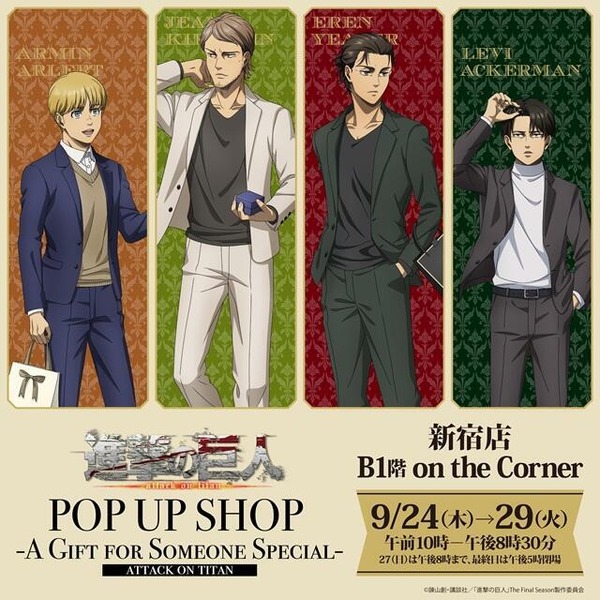
In the modern media landscape, the conclusion of a narrative rarely marks the end of its commercial lifecycle. Instead, globally recognized intellectual properties (IPs) transition into a highly lucrative secondary phase: legacy monetization. A prime example of this phenomenon is the launch of the TV Anime "Attack on Titan" The Final Season POP UP SHOP / A GIFT FOR SOMEONE SPECIAL /, hosted at the prestigious Keio Department Store in Shinjuku, Tokyo. Located in the high-traffic B1-floor exhibition area known as "on the Corner," the retail event is scheduled to run through Tuesday, September 29.
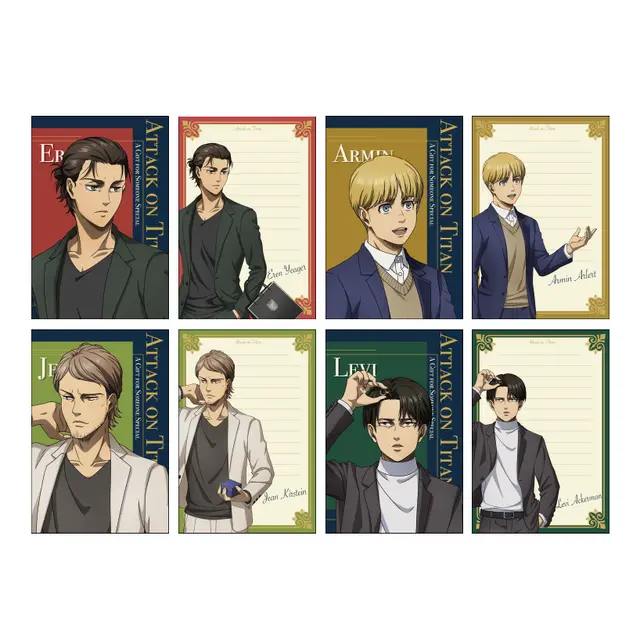
This pop-up event is far more than a simple merchandise stall; it represents a highly calculated intersection of experiential marketing, retail psychology, and legacy brand management. By utilizing exclusive, newly drawn illustrations tailored specifically for this campaign, the event targets both dedicated domestic collectors and international tourists navigating Tokyo’s busiest transit hub. Featuring over 100 distinct product SKUs—including premium acrylic stands, stylized pouches, and collectible photo cards—the campaign highlights how physical retail spaces continue to serve as vital touchpoints for fandoms long after the final chapters of a series have aired.
+-----------------------------------------------------------------------------+
|                      SHINJUKU RETAIL EVENT OVERVIEW                         |
+-----------------------------------------------------------------------------+
|  Event Name:   Attack on Titan The Final Season POP UP SHOP                 |
|                "A GIFT FOR SOMEONE SPECIAL"                                 |
|  Venue:        Keio Department Store, Shinjuku (B1 Floor, "on the Corner")  |
|  Key Date:     Concluding Tuesday, September 9th / 29th                     |
|  SKU Volume:   100+ Unique Items (Acrylic Stands, Pouches, Prints)          |
|  Key Metric:   120 Million+ Global Manga Copies in Circulation              |
+-----------------------------------------------------------------------------+
Detailed Chronology: From Dark Fantasy Manga to Global Cultural Epoch
To understand the immense consumer demand driving the Shinjuku pop-up shop, one must examine the historic trajectory of Attack on Titan (Shingeki no Kyojin). Created by Hajime Isayama, the franchise has evolved from a niche, unsettling dark fantasy manga into a defining global cultural phenomenon of the 21st century.
   [2009] Bessatsu Shonen Magazine Serialization Begins
     │
     ▼
   [2013] Anime Season 1 Premieres (Wit Studio) -> Global Breakthrough
     │
     ▼
   [2020] Production Shifts to MAPPA for "The Final Season"
     │
     ▼
   [2021] Manga Concludes after 139 Chapters (120M+ Copies Sold)
     │
     ▼
   [2023] Anime Finale Broadcast ("The Final Season - The Last Chapters")
     │
     ▼
   [2024+] Establishment of "Attack on Titan Day" (Sept 9) & Legacy Retail Expansion
1. The Serialization Era (2009–2021)
Hajime Isayama’s masterpiece began its serialization in Kodansha’s Bessatsu Shonen Magazine in September 2009. Over its 11-year run, the series subverted traditional shonen tropes, blending geopolitical intrigue, horror, and philosophical inquiries into determinism and human cruelty. By the time the manga concluded in April 2021 with Chapter 139, it had completely rewritten the commercial expectations for dark fantasy media.
2. The Anime Adaptation and Global Breakthrough (2013–2023)
The anime adaptation, which premiered its first season in 2013 under Wit Studio, served as the primary catalyst for the franchise’s international breakthrough. The show’s kinetic action sequences, paired with an iconic soundtrack, captured a massive global audience. In 2020, production transitioned to studio MAPPA for the ambitious multi-part The Final Season. This decade-long broadcast cycle concluded in late 2023 with The Final Season – The Last Chapters, drawing record-breaking viewership across global streaming platforms like Crunchyroll, Hulu, and Netflix.
3. Institutionalization: "Attack on Titan Day"
The cultural permanence of the franchise was officially recognized by the Japan Anniversary Association (Nihon Kinenbi Kyōkai), which formally registered September 9—the anniversary of the manga’s original debut—as "Attack on Titan Day" (進撃の巨人の日). This official designation elevates the IP from a historical commercial product to an active, celebrated piece of national contemporary heritage, providing an annual, recurring anchor for promotional campaigns, re-releases, and retail events.
Supporting Context & Retail Metrics: The Anatomy of the Pop-Up Shop
The Shinjuku pop-up event is built upon a highly optimized merchandising framework designed to maximize average transaction value (ATV) and appeal to collectors’ desire for exclusivity.
The Merchandising Catalog and Pricing Architecture
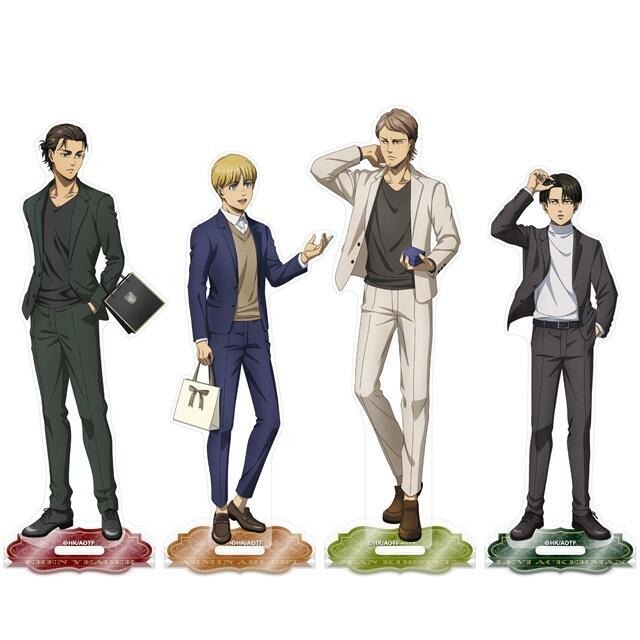
The retail inventory at the Keio Department Store spans over 100 items, anchored by exclusive character illustrations created specifically for the "A GIFT FOR SOMEONE SPECIAL" theme. The product lineup is strategically tiered to appeal to different levels of consumer spending:
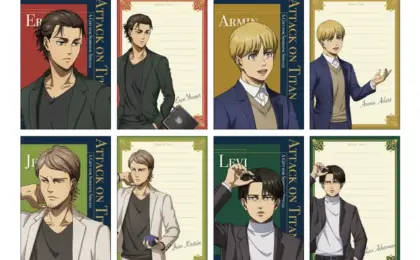
- Premium Character Collectibles (Standard Acrylic Stands): Priced at 1,870 JPY (tax included) and limited to four primary character variations (Eren, Mikasa, Armin, Levi). These items serve as the centerpiece of the collection, targeting dedicated collectors who prioritize high-quality character art.
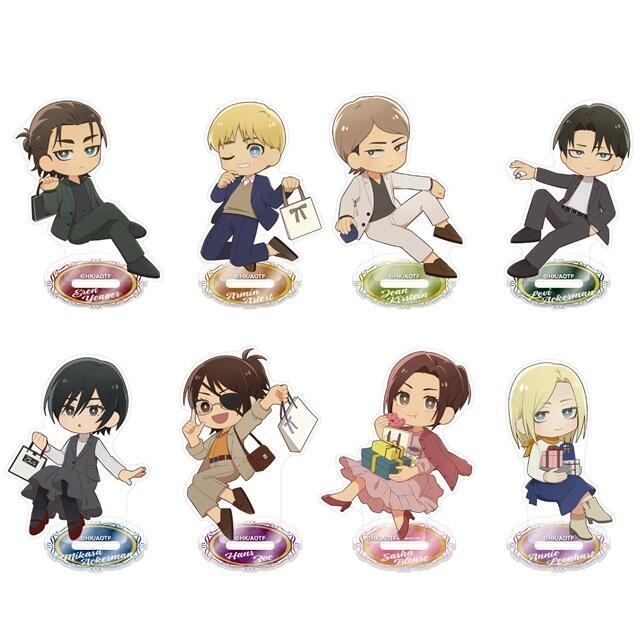
- Chibi-Style Collectibles (Mini Character Acrylic Stands): Priced at a more accessible 1,045 JPY (tax included) and available in eight distinct variations. These appeal to a broader demographic, including younger consumers and those interested in a softer aesthetic.
- Lifestyle and Utility Goods: The catalog is rounded out by practical items such as stylized pouches, stationery, and "Slip Photo Collections." These lifestyle products lower the barrier to entry for casual fans who prefer functional merchandise over purely display-oriented collectibles.
+--------------------------------------------------------------------------------+
|                       RETAIL PRICING & INCENTIVE SCHEME                        |
+--------------------------------------------------------------------------------+
|  Standard Acrylic Stands (4 Types)  |  1,870 JPY (Tax Included)                |
|  Mini Character Stands (8 Types)    |  1,045 JPY (Tax Included)                |
|  Collectible Pouches & Accessories  |  Varies (100+ SKUs)                      |
+--------------------------------------------------------------------------------+
|  PURCHASE BONUS THRESHOLD:                                                    |
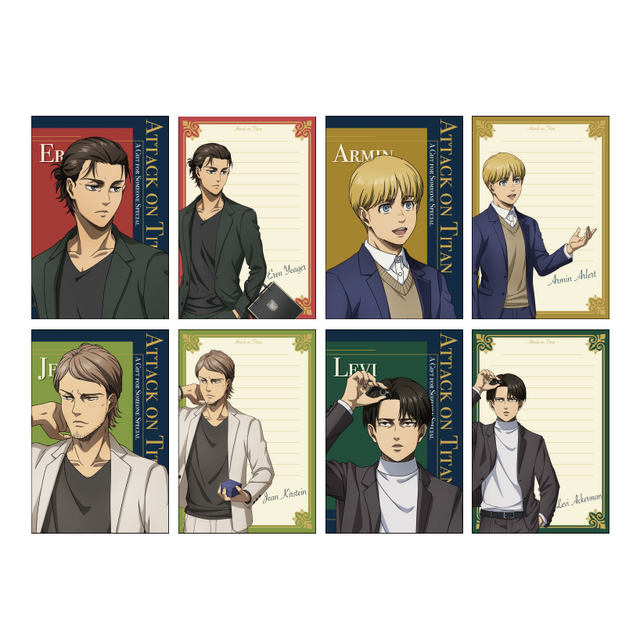
|  Every 2,000 JPY Spent = 1 Random Limited-Edition Illustration Card (8 Types)  |
+--------------------------------------------------------------------------------+
The Psychology of the Gacha-Style Purchase Incentive
A key driver of the event’s retail strategy is the promotional incentive program. For every 2,000 JPY (tax included) spent in a single transaction, customers receive one random limited-edition "Illustration Card" from a pool of eight unique designs.
This mechanism leverages several psychological and economic principles:
- Gamification of Spending: By tying a desirable, non-purchaseable reward to a spending threshold, the event encourages consumers to add "filler" items to their baskets. A customer purchasing a single standard acrylic stand for 1,870 JPY is highly incentivized to spend an additional 130 JPY or more to cross the 2,000 JPY threshold and secure a bonus card.
- The Scarcity and Randomness Factor: Because the cards are distributed randomly, completing the full set of eight requires either a high volume of purchases or active trading within the fan community. This dynamic fosters a secondary market and encourages group visits to the store.
- High-Margin Add-ons: The presence of over 100 lower-priced SKUs ensures that customers can easily fine-tune their total spend to hit multiples of the 2,000 JPY threshold (e.g., aiming for 4,000, 6,000, or 8,000 JPY to receive multiple cards).
Official Statements & Industry Context: The Retail Strategy of Department Stores
The choice of the Keio Department Store Shinjuku as the venue for this pop-up shop highlights a significant shift in Japanese retail strategy. Historically, major department stores (depāto) catered primarily to an older, affluent demographic seeking luxury Western fashion, traditional cosmetics, and high-end homeware. However, demographic shifts and changing consumer habits have forced these institutions to adapt.
Traditional Department Store Model            Modern Pop-Culture Synergy Model
+----------------------------------+          +----------------------------------+
| - Target: Older, affluent buyers |          | - Target: Gen Z, Millennials,    |
| - Focus: Luxury fashion, cosmetics|   ===>   |   International Tourists         |
| - High real estate entry barrier |          | - Focus: Experiential pop-ups,   |
| - Predictable, static inventory  |          |   exclusive anime/gaming merchandise|
+----------------------------------+          +----------------------------------+
By dedicating prime real estate—such as the B1 floor’s "on the Corner" event space—to pop-up shops for major anime franchises, department stores can tap into a highly active, younger demographic. Shinjuku Station is officially recognized as the world’s busiest transportation hub, handling over 3.5 million passengers daily. Placing a limited-time Attack on Titan retail event directly in this high-traffic pedestrian path allows Keio Department Store to capture impulse purchases from daily commuters and international tourists.
Furthermore, this strategy aligns with the goals of the Attack on Titan Production Committee (comprising Kodansha, MAPPA, and other key stakeholders). For the committee, pop-up shops offer a low-risk, high-margin method for keeping the IP active in the public eye. Unlike permanent retail stores, temporary pop-ups generate a sense of urgency (FOMO—Fear Of Missing Out), driving rapid foot traffic and high sales density over a concentrated period.
Future Outlook: The Longevity of Legacy IPs in the Streaming Era
The success of the "A GIFT FOR SOMEONE SPECIAL" campaign offers valuable insights into the future of the anime and manga industry, particularly regarding how completed stories maintain their commercial relevance.
1. Shift from Narrative Focus to Lifestyle Brand
As Attack on Titan transitions further away from its active serialization era, its monetization strategy will shift from promoting new story content to cultivating a lifestyle brand. This involves partnering with high-end fashion labels, developing themed hospitality experiences, and creating sophisticated home decor items that allow fans to subtly integrate their favorite series into their daily lives.

2. Capitalizing on Global Tourism
With international tourism to Japan reaching historic highs, retail spaces in major transport hubs like Shinjuku serve as crucial gateways for global fans. Limited-edition merchandise, which was once difficult for overseas fans to acquire, has become a primary target for tourists seeking authentic cultural souvenirs. We can expect production committees to increasingly design pop-up events with multilingual signage, tax-free shopping options, and globally recognized character designs to maximize international sales.
3. The Blueprint for Finished Series
The commercial playbook established by Attack on Titan—combining official anniversary designations, limited-time experiential retail, and strategic department store partnerships—will likely serve as a model for other major franchises reaching their narrative conclusions. This approach demonstrates that a well-managed IP can continue to generate significant revenue, foster active fan communities, and maintain its cultural footprint long after the final page has been turned.


Belum ada komentar. Jadilah yang pertama berkomentar!