

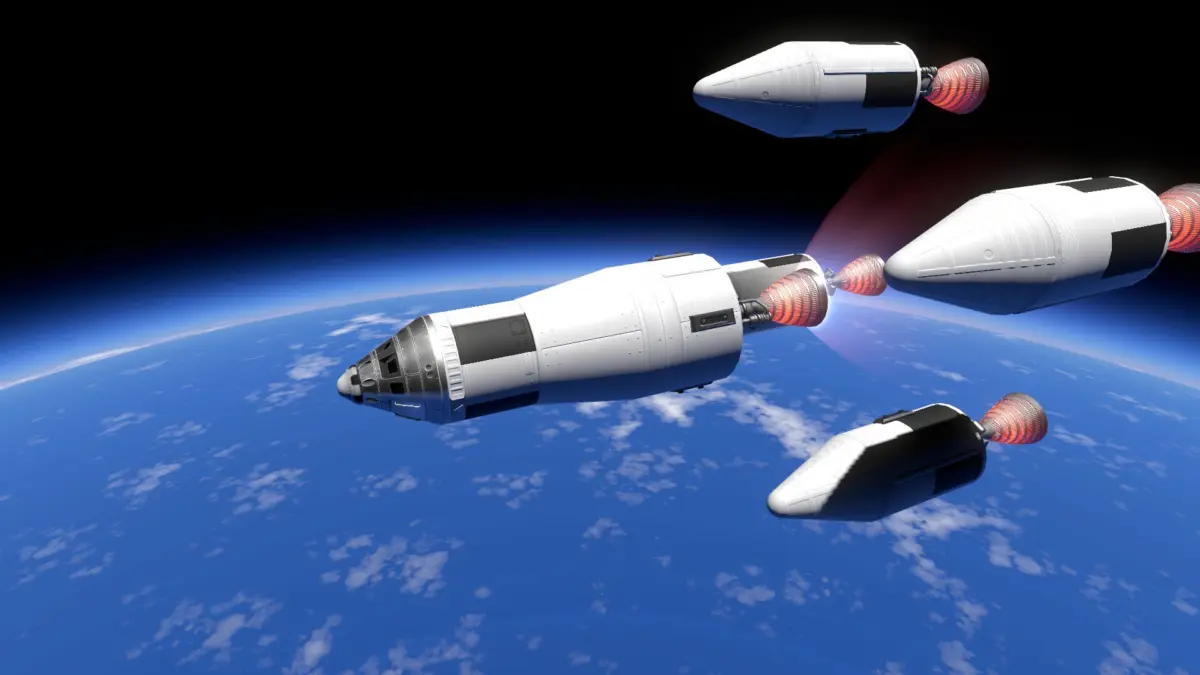
Executive Overview
On October 28, 2026, independent developer Team Curiosity made a monumental leap forward for aerospace gaming enthusiasts worldwide by officially launching Spaceflight Simulator 2 on PC via Steam. This eagerly awaited release follows the runaway success of its predecessor, simply titled Spaceflight Simulator, which originally debuted on mobile platforms in 2022 before capturing an astonishing cult following on Steam. Boasting over 9,500 user reviews and maintaining an overwhelmingly positive rating of roughly 96%—affectionately categorized as "Overwhelmingly Positive"—the original title established a high watermark for accessible yet deeply accurate orbital mechanics simulation.
Spaceflight Simulator 2 takes the foundational brilliance of the first game and dramatically scales it up. By marrying refined real-time physics, advanced rocket part design, and a vastly expanded solar system, Team Curiosity has delivered a comprehensive aerospace engineering playground that challenges both casual rocketeers and hardcore orbital mechanics enthusiasts. This feature article explores the mechanics, community impact, technological milestones, and future outlook of a game poised to redefine the genre of space flight simulation.
Detailed Chronology: From Mobile Roots to PC Excellence
The journey of Spaceflight Simulator is a classic tale of independent game development triumph. When Team Curiosity first released the original game on mobile devices in 2022, few could have predicted the sheer magnitude of its reception. Players were instantly drawn to its deceptively simple art style and intuitive drag-and-drop rocket-building interface. Despite its minimalist aesthetic, the game hid a remarkably complex physics engine that accurately simulated orbital mechanics, staging, and atmospheric drag.
As the community swelled—particularly after its successful transition to Steam—the developers recognized the limitations of the original engine. Fans were clamoring for interplanetary travel, more intricate rocket parts, and deeper structural customization. Team Curiosity spent years listening to community feedback, refining their codebase, and quietly building the infrastructure for a true sequel.
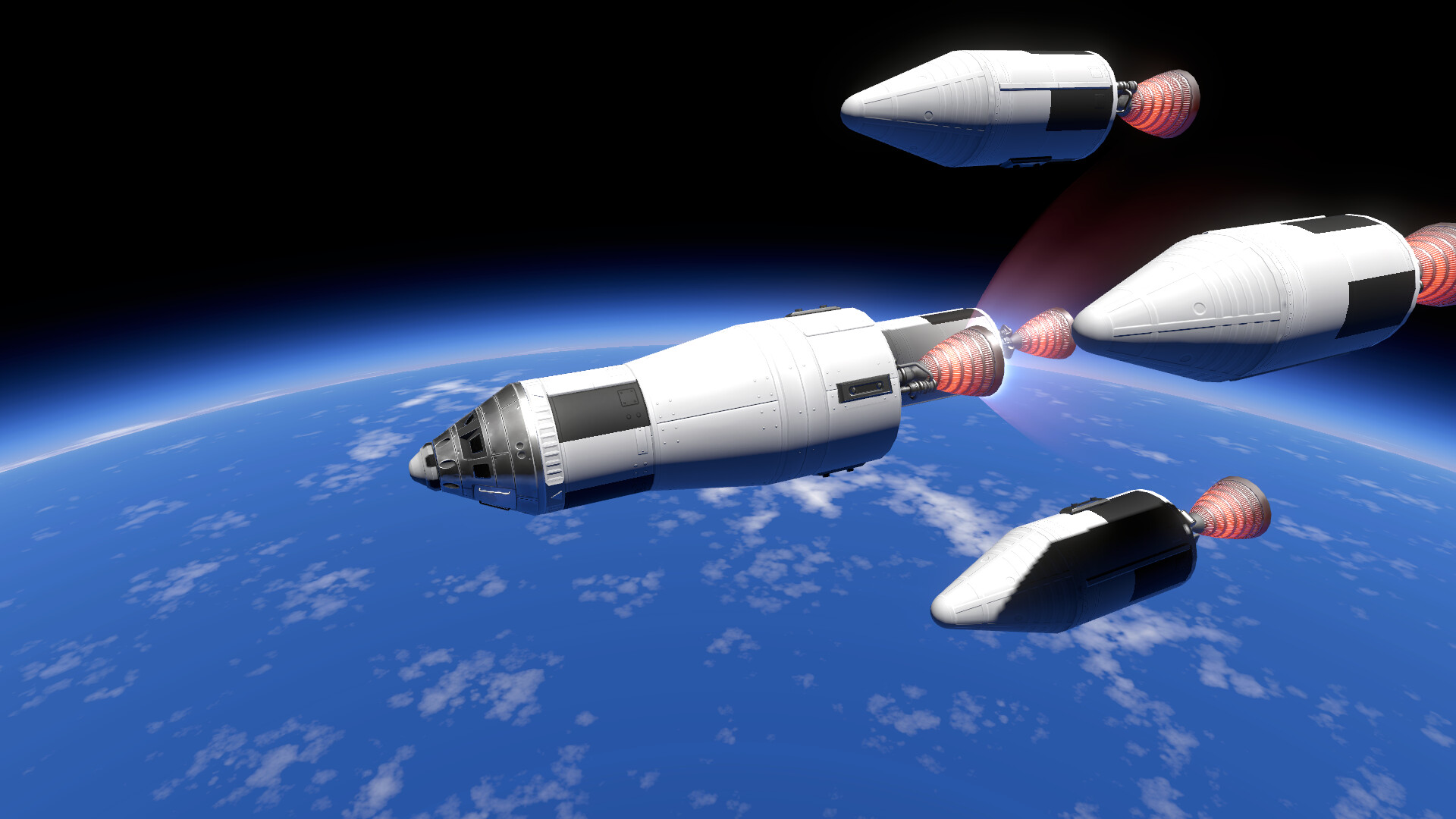
The launch on October 28, 2026, represents the culmination of this painstaking development cycle. Rather than offering a mere iterative patch, Spaceflight Simulator 2 introduces a ground-up overhaul of the core simulation architecture. The transition to PC allowed the development team to tap into modern hardware capabilities, resulting in a seamless, high-fidelity experience that respects both the laws of physics and the creativity of its players.
Gameplay Mechanics and Engineering Depth
At its core, Spaceflight Simulator 2 is an exercise in applied physics and creative engineering. The sequel retains the beloved sandbox philosophy of its predecessor while introducing sophisticated new systems designed to test the limits of player ingenuity.
Advanced Rocket Construction
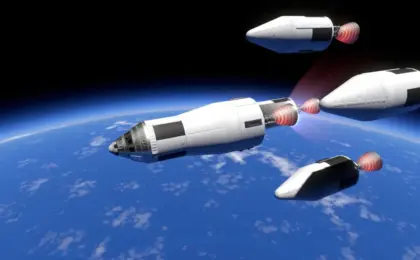
Building a viable spacecraft is no longer just about slapping a few fuel tanks and engines together. The sequel introduces a vastly expanded inventory of modular components, allowing for intricate designs ranging from simple sounding rockets to massive, multi-stage interplanetary vessels. Players must carefully balance mass, thrust-to-weight ratios, structural integrity, and aerodynamic profiles. Every bolt, fairing, and thruster matters when attempting to punch through an atmosphere and achieve stable orbit.
Real-Time Physics and Interplanetary Scale
The game’s simulation engine has been overhauled to support frame rates of 120Hz and beyond, ensuring that high-speed orbital maneuvers and complex staging sequences render with absolute smoothness. Whether calculating transfer windows for a Hohmann transfer orbit to Mars or executing a delicate lunar landing, the physics engine maintains rigorous fidelity. Gravity turns, orbital decay, and atmospheric entry heating are modeled with unprecedented precision, demanding that players approach every mission with genuine engineering discipline.
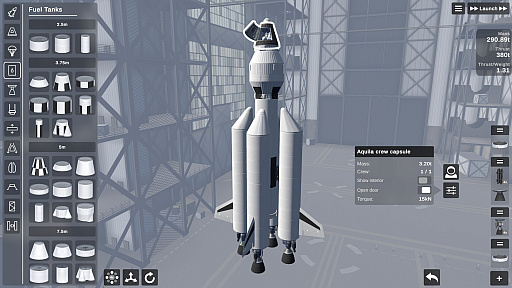
Blueprint Management and Customization
One of the standout features of the Spaceflight Simulator franchise is its vibrant community of creators who share custom rocket blueprints. Spaceflight Simulator 2 refines this ecosystem by introducing advanced editing tools. Players can now save, share, and dynamically update intricate designs, fostering a collaborative environment where rookie designers can learn from aerospace veterans. The integration of Steam Workshop support ensures that sharing custom rockets, space stations, and planetary landers is smoother and more accessible than ever before.
Supporting Context and Metrics: The Weight of Expectations
To understand the significance of Spaceflight Simulator 2, one must look at the towering legacy built by the original game. On Steam alone, the first installment garnered over 9,500 reviews, securing an exceptional 96% positive rating. This rare feat in the PC gaming landscape proved that players have an insatiable appetite for scientifically grounded simulation games that do not rely on flashy, arcade-style shortcuts.
Furthermore, the sequel’s market positioning reflects a broader industry trend toward deep, simulation-heavy sandbox games where player-driven narratives take center stage. While blockbuster space exploration titles often focus on cinematic storytelling or combat, Spaceflight Simulator 2 empowers the player to become the scientist, the engineer, and the pilot all at once. The success of the original title proved that a minimalist aesthetic paired with uncompromising mechanical depth is a winning formula. The sequel doubles down on this philosophy, offering five distinct star systems to explore, each presenting unique challenges that test the limits of PC hardware and human patience.
Official Statements and Developer Vision
Team Curiosity has maintained a transparent and community-focused development philosophy throughout the creation of Spaceflight Simulator 2. In recent developer logs, the team emphasized their commitment to expanding the scope of the simulation without alienating the casual player base that made the first game a household name among aerospace fans.
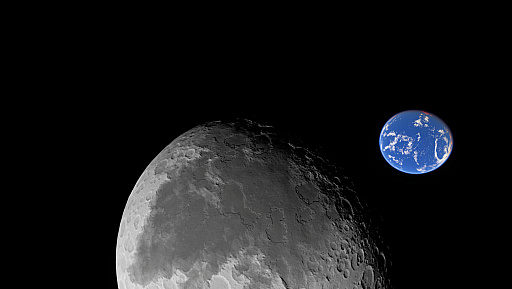
"Our goal with Spaceflight Simulator 2 was never to just make things bigger; it was to make them deeper, more authentic, and infinitely more responsive to player creativity," a representative from Team Curiosity noted during the launch window. "We watched players spend thousands of hours building space stations, lunar bases, and interplanetary flotillas in the original game. With the sequel, we wanted to give them the canvas and the tools they’ve been dreaming of."
The developers have also highlighted their ongoing dedication to post-launch support. Leveraging Steam’s robust infrastructure, Team Curiosity plans to roll out continuous updates, community-driven content packs, and optimization patches to ensure the simulation engine remains at the cutting edge of indie game development.
Future Outlook: Charting the Course Ahead
As Spaceflight Simulator 2 establishes its footprint on Steam, the horizon looks extraordinarily bright for Team Curiosity and their dedicated community. The transition to a modern PC architecture unlocks a limitless frontier for future expansions, potential multiplayer integration, and advanced modding capabilities.
The launch is merely the first burn in a much longer mission profile. As players around the globe begin designing the next generation of digital spacecraft, the telemetry data, mission reports, and breathtaking screenshots shared across community hubs will undoubtedly fuel a new wave of interest in aerospace engineering and space exploration. Spaceflight Simulator 2 is not just a game; it is an accessible gateway to the cosmos, inviting everyone to dream big, calculate carefully, and reach for the stars.






Belum ada komentar. Jadilah yang pertama berkomentar!