

Executive Overview
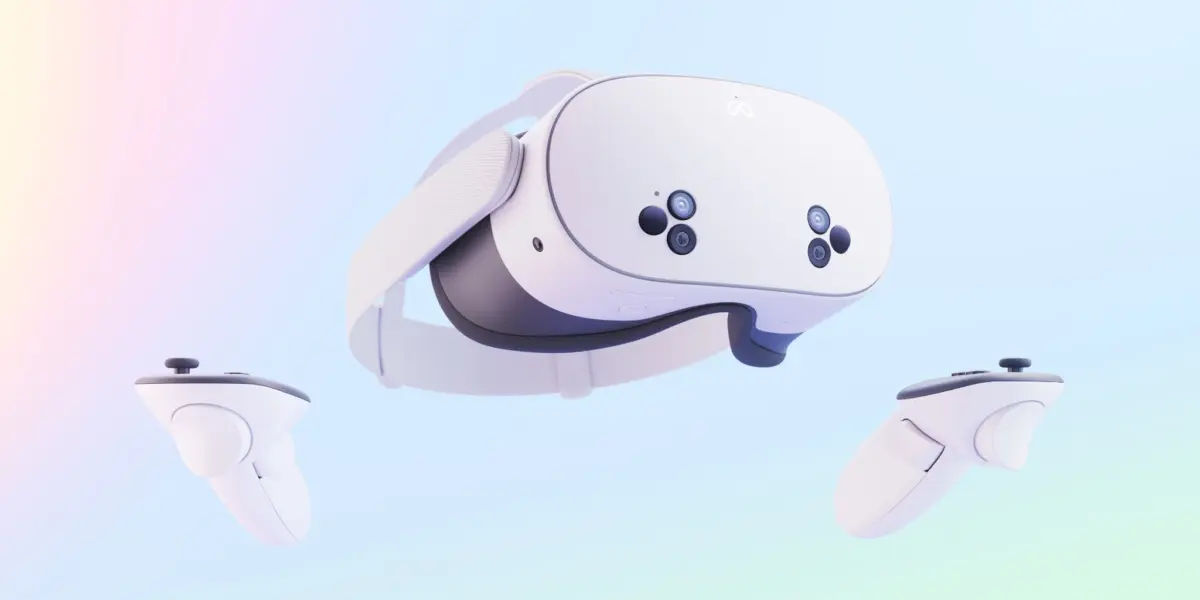
In a dramatic about-face that underscores the complex realities of building the nascent metaverse, Meta has abruptly reversed its decision to sunset the virtual reality (VR) version of its flagship multiplayer platform, Horizon Worlds. The initial plan—quietly formulated behind closed doors and intended to phase out the VR iteration to consolidate corporate resources—was met with an immediate and vocal outcry from dedicated core users and VR loyalists.
The reversal was made public by Andrew “Boz” Bosworth, Meta’s Chief Technology Officer, during an impromptu Instagram "Ask Me Anything" (AMA) interactive session. Bosworth confirmed that the company decided "just today" to keep the VR infrastructure of Horizon Worlds online for the foreseeable future, specifically to accommodate the passionate community that rallied to defend it.
However, this reprieve does not signal a return to Meta’s original, all-in VR strategy. While the virtual reality servers will remain operational, the company is fundamentally shifting its development and financial priorities. Moving forward, Meta’s primary energy, creative investment, and technological engineering for Horizon Worlds will be funneled into mobile platforms. The company is leaning heavily into where it perceives the greatest consumer and creator momentum to lie.
This strategic compromise preserves legacy content—particularly games utilizing the Horizon Unity runtime—for existing VR headset owners, yet it marks the definitive end of new VR-first content creation within the platform. As Meta recalibrates its footprint in the immersive computing sector, competitors like Apple and Nvidia are carving out alternative paths in spatial computing. This dynamic highlights a broader, industry-wide identity crisis over how consumers actually want to experience virtual and augmented environments.
Detailed Chronology: From Metaverse Ambitions to the Brink of Cancellation
To understand the weight of Meta’s recent reversal, one must trace the tumultuous trajectory of Horizon Worlds since its conceptual inception.
The 2021 Genesis and the VR Cornerstone
When Meta (then Facebook) officially rebranded in late 2021 and laid out its grand vision for the metaverse, Horizon Worlds was positioned as the crown jewel of that ambition. Launched initially as a social VR experience for Oculus (later Quest) headset owners, it was designed to be the digital equivalent of Central Park or the World Wide Web—a boundless social space where users could interact, build games, and attend virtual events as legless avatars.
For the first year and a half of its existence, Horizon Worlds was strictly a virtual reality ecosystem. It required consumers to own a Meta Quest hardware device, sign up with a Meta account, and step physically into a headset. During this phase, the platform faced persistent technical hurdles, sluggish adoption rates, and widespread mockery across internet culture regarding its simplistic graphics and the corporate awkwardness of its virtual spaces.
The Pivot to Mobile (2022–2024)
Recognizing that the high barrier to entry—primarily the cost of VR headsets—was throttling user growth, Meta executed a strategic pivot in April 2022 by announcing plans to bring Horizon Worlds to mobile devices and web browsers. By lowering the friction of entry, Meta hoped to capture a mainstream audience that enjoyed social gaming platforms like Roblox or Fortnite but had no desire to strap a computer screen to their face.
Over the subsequent years, the engineering divide within Meta widened. While the mobile application began to attract casual users and creators who preferred traditional screens, the VR app struggled to maintain a vibrant, self-sustaining economy of new content. Maintenance costs, server overhead, and the intense allocation of engineering resources required to keep the VR runtime operational began to weigh heavily on leadership.
The 2026 Crisis and Sudden Reversal
By early 2026, internal pressure to streamline Meta’s metaverse division reached a boiling point. Facing economic realities and shifting corporate priorities toward artificial intelligence, leadership quietly drafted plans to pull the plug entirely on the VR version of Horizon Worlds, intending to transition the platform into a purely mobile and web-based experience.
Word of the impending shutdown leaked to industry insiders and reached the ears of the platform’s most dedicated VR creators and fans. These users, who had invested thousands of hours building virtual worlds and forming communities inside the VR ecosystem, mobilized an aggressive outreach campaign. They bombarded Meta executives, community managers, and social media channels with impassioned pleas to save the platform.
The campaign succeeded. In a rare public display of corporate agility driven by grassroots lobbying, Bosworth announced during his Instagram AMA that Meta had rescinded its shutdown order, ensuring that existing VR users would retain access to their favorite worlds and games.
Supporting Context & Metrics: The Shifting Sands of Immersive Computing
Meta’s decision to keep Horizon Worlds on life support in VR while aggressively pivoting its active development toward mobile reflects a deeper quantitative and qualitative shift in the immersive tech market.
Hardware vs. Software Adoption Metrics
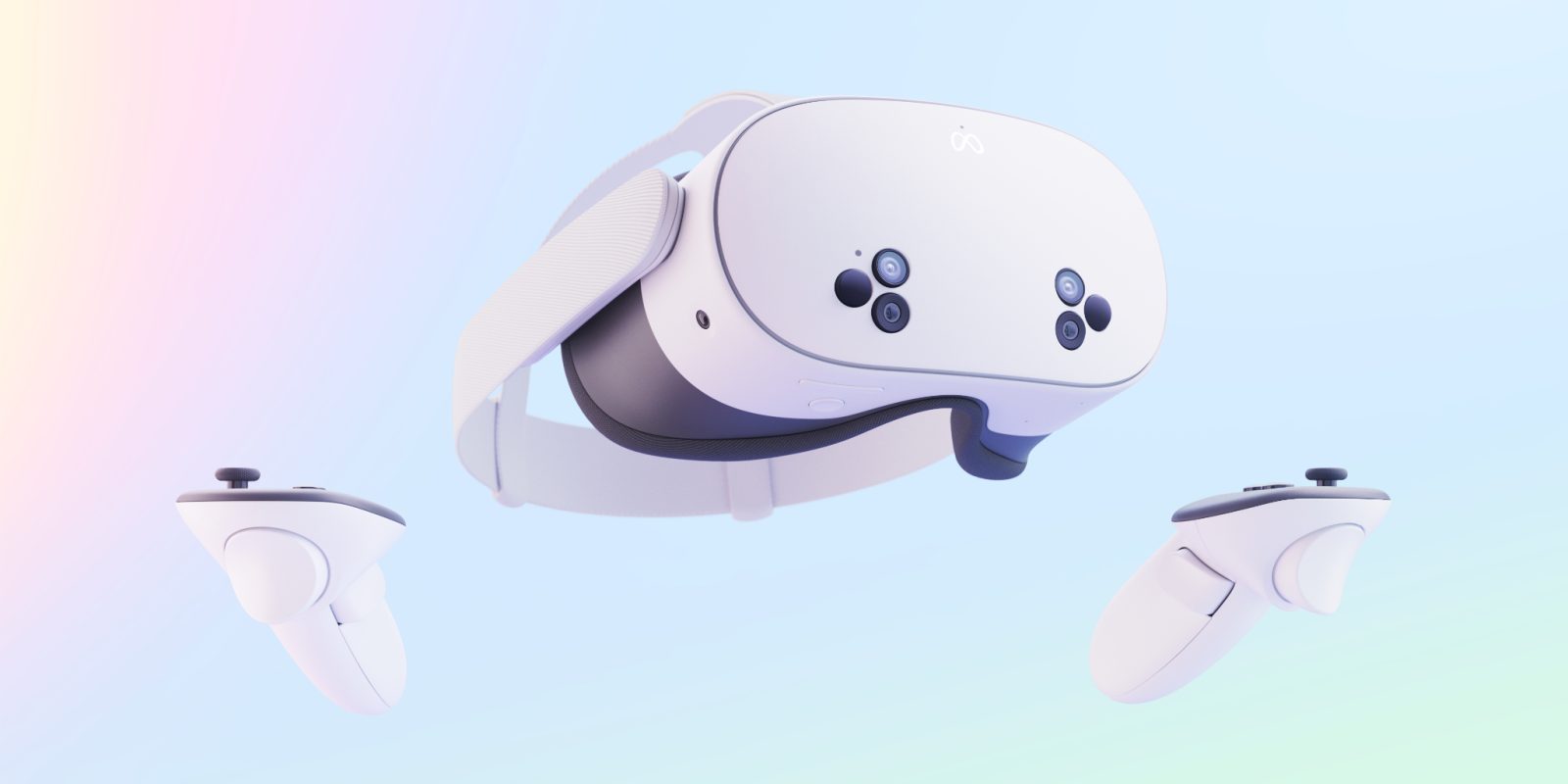
According to industry estimates, Meta has successfully sold tens of millions of Quest headsets globally, establishing a dominant market share in standalone consumer VR. Devices like the Meta Quest 2 and the newer Meta Quest 3 and Quest 3S have proven that a robust consumer hardware base exists for gaming, fitness, and media consumption.
However, metrics regarding active daily engagement within social VR spaces like Horizon Worlds have historically lagged behind traditional gaming powerhouses. While users eagerly purchase hardware for high-octane immersive titles like Beat Saber, Population: One, or Asgard’s Wrath, general-purpose social metaverse applications have struggled with long-term retention.
Conversely, mobile gaming and social platforms boast billions of active users worldwide. By shifting the Horizon Worlds engine toward mobile, Meta is pragmatically chasing scale. The company recognizes that the average smartphone user base dwarfs the current addressable market for dedicated VR headsets by several orders of magnitude.
The Creator Economy Dilemma
At the heart of Meta’s internal debate was the division between the VR creator community and the mobile creator community.
- The Legacy VR Creators: These users relied on the Horizon Unity runtime—a specialized toolset optimized for stereoscopic 3D environments. Their creations are deeply tied to spatial immersion, scale, and physical interaction.
- The Mobile Audience: Casual consumers and developers building for the Meta Horizon engine on mobile devices prefer accessibility, rapid iteration, and traditional touchscreen controls.
By choosing to maintain legacy VR support while starving it of new content development, Meta has effectively placed its VR creator community into a digital preservation status. They can keep their worlds open, but they will not receive new toolsets or platform-level feature upgrades on the headset side.
Official Statements and Leadership Insights
The nuances of Meta’s revised strategy were laid out transparently by CTO Andrew Bosworth during his social media broadcast. Rather than issuing a formal, corporate press release, Meta opted for a direct-to-consumer communication model via Instagram.
Bosworth acknowledged the passionate outcry from the community as the sole catalyst for the policy reversal:
"We have decided, just today in fact, that we will keep Horizon Worlds working in VR for existing games to support the fans who’ve reached out, like yourself, who really care about that. Those, the Horizon Unity runtime games, they’re not gonna work on mobile. They’ll just be working on VR."
He elaborated on why new content creation is bypassing the headset medium entirely, pointing directly to where user adoption and creator enthusiasm have naturally consolidated:

"We’re not bringing new games. Again, most of our energy is going towards mobile and the Meta Horizon engine there. The reason for that is because that’s where most of the consumer and creator energy already was, and so we’re kind of leaning into that."
Despite the strategic pivot away from active VR software development for the platform, Bosworth reassured existing users that access would not be abruptly severed:
"But yeah, you know, for people who already have games that they like that they’re using in Horizon Worlds, will be able to download the Horizon Worlds app and use it in VR for the foreseeable future."
This statement strikes a delicate balance: it placates the vocal minority of core VR loyalists without forcing the company to continue pouring massive, unrecoverable capital into a medium that has failed to capture mainstream mobile-like utility.
Future Outlook: The Competitive Landscape of Spatial Computing
As Meta recalibrates Horizon Worlds to function as a two-tiered ecosystem—dormant preservation in VR paired with active expansion on mobile—the broader spatial computing landscape is evolving rapidly around it.
The Meta Quest Ecosystem
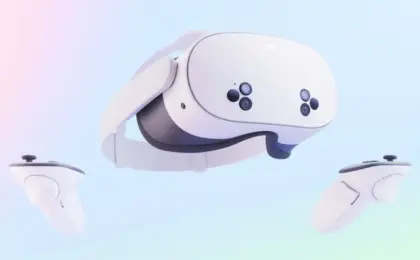
While Horizon Worlds is stepping back from frontline VR development, traditional gaming and interactive entertainment remain the bedrock of the Meta Quest hardware ecosystem. The Meta Quest 3 and Quest 3S continue to serve as the default standard for accessible, high-quality mixed reality and virtual reality gaming. Developers across the globe are still launching deeply immersive titles for the platform, proving that consumer demand for standalone VR hardware remains healthy, even if broad, generic social metaverses face an uphill battle.
Apple, Nvidia, and the High-End Spatial Frontier
While Meta chases mobile scale and dials back its high-end VR social ambitions, competitors are advancing in entirely different directions. Apple continues to position its high-end Apple Vision Pro headset as a productivity and premium entertainment device, steadily expanding its capabilities through continuous visionOS updates.
Recent developments highlight this divergent path. Nvidia has introduced advanced cloud rendering support via CloudXR for visionOS, enabling heavy-duty industrial and design applications—such as Autodesk VRED—to run seamlessly on Apple’s hardware. Furthermore, the upcoming integration of ultra-advanced simulation software into visionOS underscores how the high-end spatial computing market is leaning heavily into enterprise, professional simulation, and high-fidelity media consumption rather than cartoonish social avatars.
Conclusion
Meta’s decision to spare Horizon Worlds from the chopping block is a victory for digital preservation and grassroots community advocacy. By listening to its users, Meta avoided a PR backlash that could have alienated its most loyal hardware supporters. Yet, the underlying message is unmistakable: the era of viewing VR as the sole frontier of the metaverse has matured into a pragmatic multi-platform reality. For Meta, the future of the metaverse will be carried in pockets on smartphones, even if the legacy of its early VR experiments is allowed to quietly persist inside the headset.






Belum ada komentar. Jadilah yang pertama berkomentar!