

Executive Overview
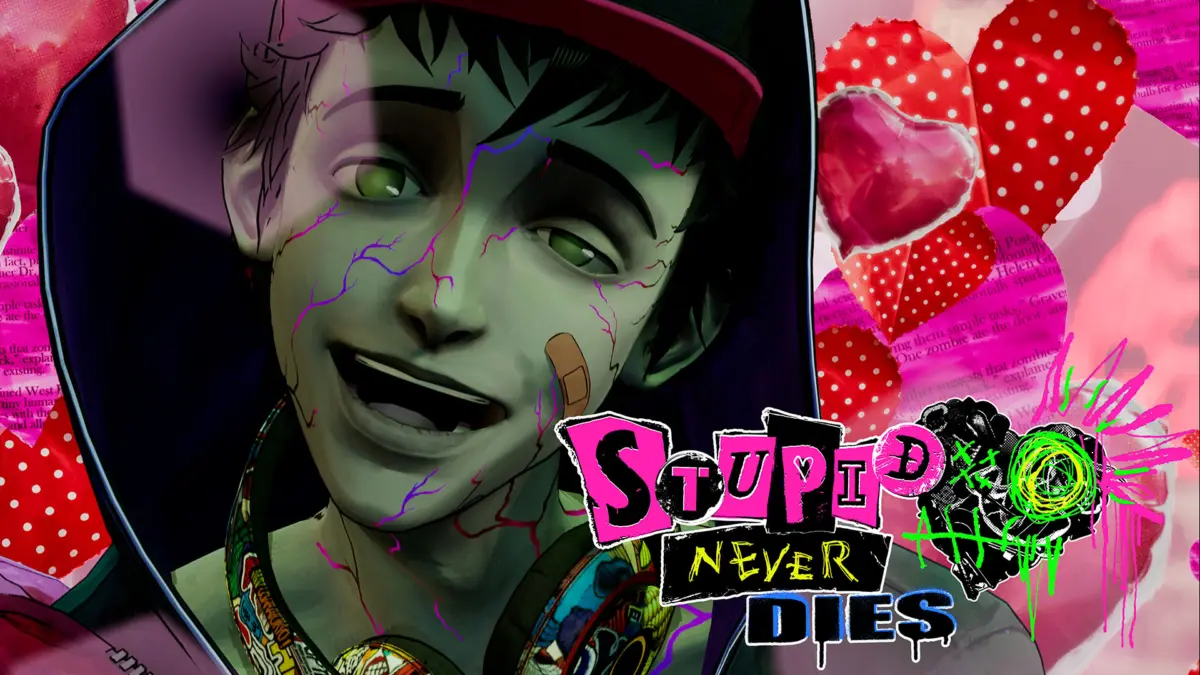
The intersection of digital marketing, video game promotion, and consumer engagement has reached a critical juncture. On September 7, 2026, major industry publications—prominently featuring coverage from leading gaming outlets such as 4Gamer.net—reported on a significant promotional rollout for the upcoming multi-platform Role-Playing Game (RPG), provisionally titled in Japanese translations as “サスバンギャードリズム・アドベンチャー” (commonly referred to in Western markets or working definitions as Subangard Rhythm Adventure or a similarly styled transmedia project).
This release centers on a freshly unveiled Web Commercial (WebCM) campaign distributed primarily via YouTube and integrated through specialized social channels like LINE. Rather than relying on traditional television broadcasts or passive banner advertisements, the campaign represents a sophisticated, cross-media marketing push designed to capture the attention of high-intent gamers across both PC and PlayStation 5 platforms.
This analytical piece examines the structural nuances of the September 7, 2026 campaign drop, exploring how modern game developers leverage targeted web commercials, multi-tiered narrative hooks, and algorithmic visibility to build pre-launch momentum. By dissecting the dual-track promotional strategy—split between narrative-driven character vignettes and high-energy gameplay showcases—we gain a clearer picture of how contemporary blockbusters secure user acquisition in a hyper-saturated market.
Detailed Chronology of the Rollout
The promotional timeline leading up to the September 7 announcement reflects a carefully calculated crescendo of digital touchpoints. Industry analysts tracking the pre-release trajectory of Subangard Rhythm Adventure have noted a distinct escalation in promotional tempo starting in late August and culminating in the current multi-platform blitz.
Phase 1: Initial Teasing and Asset Distribution (Late August 2026)
Weeks prior to the full commercial reveal, cryptic assets began circulating across specialized developer channels and gaming forums. The marketing team employed a "slow-drip" information strategy, releasing low-resolution concept art and short audio clips that hinted at the game’s dual genre focus—blending traditional open-world or dungeon-crawler RPG mechanics with rhythm-based combat systems.
Phase 2: The September 6-7 Inflection Point
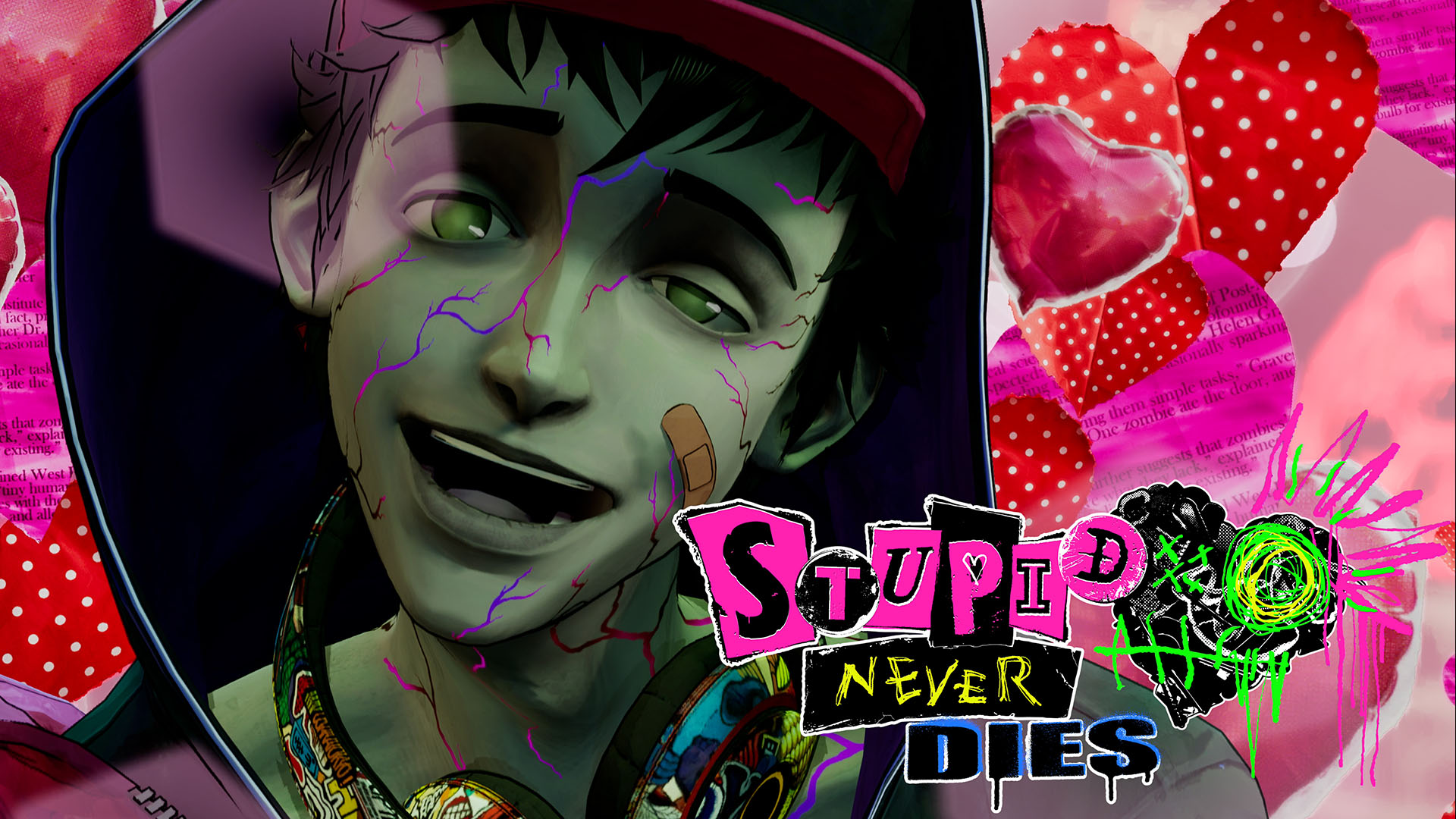
The official cadence shifted dramatically over the weekend of September 6 to September 7, 2026. On September 6, preparatory metadata updates and placeholder pages appeared on major gaming databases and aggregator sites. This was quickly followed on the morning of September 7 (specifically around 12:53 PM JST) by the formal publication of the 4Gamer feature detailing the WebCM rollout.
Simultaneously, the publisher deployed the primary commercial assets to YouTube. The launch was not constrained to a single video; instead, the marketing division split the campaign into distinct narrative streams:
- The Character/Narrative Track: Focused on cinematic world-building, character introductions, and emotional stakes within the game’s universe.
- The Systems/Gameplay Track: Dedicated to breaking down the core mechanics, interface designs, and the integration of rhythm elements into high-speed combat scenarios.
Supporting Context & Metrics: The Mechanics of Modern WebCM Strategies
To understand the weight of the September 7 announcement, one must contextualize the shift from traditional broadcast advertising to digital-first WebCM campaigns. In the current media landscape, consumer attention spans have shortened, and demographic shifts heavily favor on-demand, platform-agnostic video consumption.
Multi-Platform Synergy: PC and PlayStation 5
Subangard Rhythm Adventure is slated for release across PC and PlayStation 5, a dual-ecosystem approach that requires a bifurcated marketing strategy.
- The PC Audience: Typically values high fidelity, custom control mapping, framerate flexibility, and deep tactical breakdowns. WebCMs targeting this demographic often emphasize performance metrics, graphical fidelity, and modding or UI customization potential.
- The PlayStation 5 Audience: Tends to lean toward seamless couch experiences, DualSense haptic feedback integration, and cinematic immersion. The narrative-focused cuts of the WebCM serve this base by highlighting high-impact theatrical moments and story-driven engagement.
Integration with LINE and YouTube
The choice of distribution channels is equally telling. By pushing the campaign through YouTube, the publishers secure access to both organic search traffic and highly targeted pre-roll algorithmic placements. Meanwhile, the integration with LINE—a dominant messaging and social platform in key Asian markets—allows for direct-to-consumer push notifications, interactive mini-surveys, and exclusive wallpaper or sticker distributions that turn passive viewers into active brand participants.
Official Statements and Industry Reception
While direct quotes from the development leads remain tightly controlled within the initial press releases, industry insiders and editorial roundtables have provided substantial commentary on the execution of the campaign.
According to preliminary summaries published by 4Gamer.net, the campaign’s structural choice to segment the advertising into two distinct pillars—the "Character Vignette Series" and the "System/Gameplay Series"—has been praised for its psychological acuity. By separating the emotional hook from the mechanical proof-of-concept, the publishers avoid the common pitfall of muddying a trailer with too many conflicting messages.
An excerpt from the promotional analysis highlights this approach:
"Rather than forcing a single, overloaded trailer to carry the entire weight of the intellectual property, the dual-track WebCM strategy respects the consumer’s intelligence. It allows story-driven players to immerse themselves in the lore, while systems-focused enthusiasts can immediately dissect the interface and rhythm mechanics."
Furthermore, early engagement metrics recorded within the first few hours of the YouTube upload indicate a high click-through rate (CTR) and positive sentiment among community comment sections, suggesting that the long-tail pre-marketing campaign is successfully converting casual browsers into engaged followers.

Future Outlook: What Lies Ahead for Subangard Rhythm Adventure
As the calendar moves past the September 7 milestone, all eyes turn toward the impending launch window. The success of this WebCM campaign sets a definitive benchmark for how mid-to-large-scale RPGs will market themselves in the latter half of the 2020s.
Several key indicators will determine the long-term viability and impact of the Subangard campaign:
- Conversion to Pre-Orders: Whether the high view counts and positive social sentiment on YouTube and LINE will translate into tangible day-one digital and physical pre-orders across both PC storefronts and the PlayStation Network.
- Community-Driven Content: The potential for user-generated content (UGC), reaction videos, and breakdown analyses by prominent gaming influencers who regularly monitor outlets like 4Gamer.
- Post-Launch Roadmap Reveals: How the developers choose to follow up on these narrative and system teasers with hands-on previews, closed betas, or playable demo builds ahead of the official release date.
In conclusion, the September 7 WebCM rollout for Subangard Rhythm Adventure is much more than a routine trailer drop; it is a masterclass in modern digital game promotion. By carefully timing their asset releases, segmenting their audience appeal, and leveraging high-engagement platforms like YouTube and LINE, the project’s handlers have successfully primed the market for what promises to be one of the season’s most intriguing genre-hybrid releases.




Belum ada komentar. Jadilah yang pertama berkomentar!