

Executive Overview
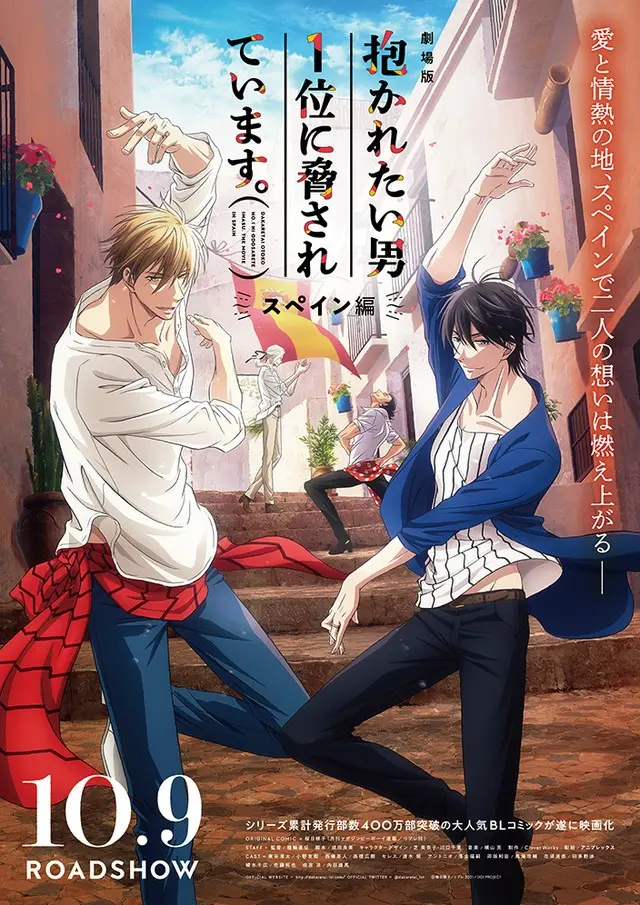
September 9th occupies a unique space in East Asian cultural history. Under the traditional principles of Yin-Yang philosophy (Onmyou-dou), odd numbers are designated as "Yang"—representing light, activity, and masculinity. Among these, the number nine stands as the ultimate, or extreme, single-digit odd number (Kyoku-Yang). When these forces align on the ninth day of the ninth month, the resulting concentration of male energy historically led to the designation of this date as Danshoku no Hi (Male Love Day), celebrating romantic and aesthetic bonds between men.
In the modern media landscape, this historical concept has found its contemporary counterpart in the explosive global growth of "Boys’ Love" (BL). Once a marginalized subculture confined to the back shelves of specialized manga shops, BL has transformed into a critical pillar of the international anime industry. Today’s BL anime are characterized by high production values, complex psychological dramas, and crossover mainstream appeal that transcends traditional demographic boundaries.
To assess the current state of this vibrant genre, leading anime news outlet Anime! Anime! conducted its comprehensive annual reader survey, "What is Your Favorite BL Anime?" The results offer an authoritative look at the titles shaping the genre, revealing a diverse landscape where retro romantic comedies, emotionally raw music dramas, and slow-burn slice-of-life narratives compete for critical and commercial dominance.
Detailed Chronology: Analyzing the Top-Ranked Titles
The survey results highlight a fascinating mix of newly broadcast series and established franchises that continue to capture the hearts of global audiences.
+-------------------------------------------------------------------------+
|                  FAVORITE BL ANIME SURVEY (TOP RANKS)                   |
+------+--------------------------------------------------+---------------+
| Rank | Title                                            | Vote Share %  |
+------+--------------------------------------------------+---------------+
| 1st  | Go For It, Nakamura-kun!! (Ganbare! Nakamura-kun)| ~32%          |
| 2nd  | Given (Tie)                                      | ~11%          |
| 2nd  | Sasaki and Miyano (Tie)                          | ~11%          |
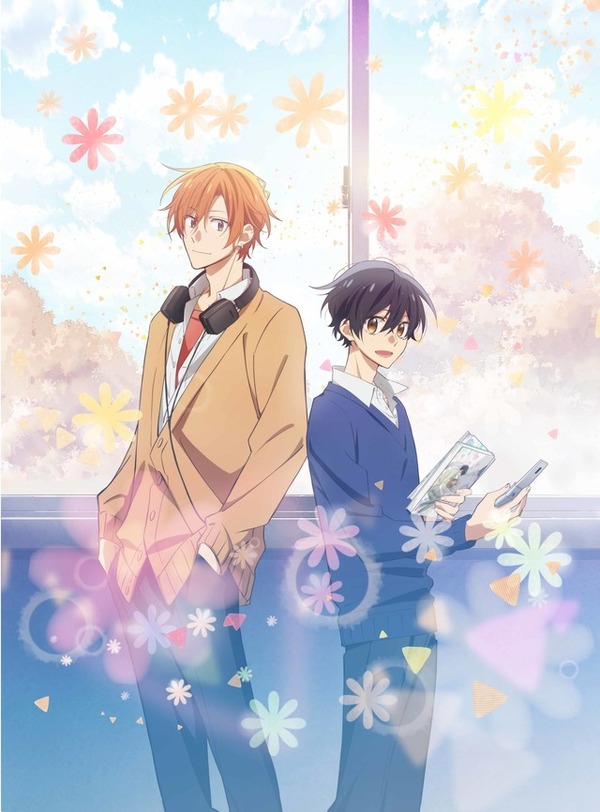
| 4th  | Sekai-Ichi Hatsukoi (Tie)                        | Top 5 (Group) |
| 4th  | Dakaichi (Tie)                                   | Top 5 (Group) |
| 4th  | Doukyuusei (Tie)                                 | Top 5 (Group) |
| 4th  | Mo Dao Zu Shi (Tie)                              | Top 5 (Group) |
+------+--------------------------------------------------+---------------+
1. The Undisputed Champion: Go For It, Nakamura-kun!! (Approx. 32% of Votes)
Taking the top spot with a commanding landslide of nearly one-third of all cast votes is Go For It, Nakamura-kun!! (Ganbare! Nakamura-kun!!). Adapted from the celebrated manga by Syundei, the television anime adaptation—which enjoyed a highly successful broadcast run—captures a unique blend of nostalgic aestheticism and modern romantic comedy.
The narrative follows Okuto Nakamura, an intensely introverted high school student who falls in love at first sight with his classmate, Aiki Hirose. What sets the series apart is its deliberate stylistic homage to the manga and anime of the 1980s and 1990s. This retro art style, characterized by soft linework, expressive character designs, and a warm color palette reminiscent of classic Rumiko Takahashi works, provides a refreshing contrast to the sleek, digital look of contemporary late-night anime.
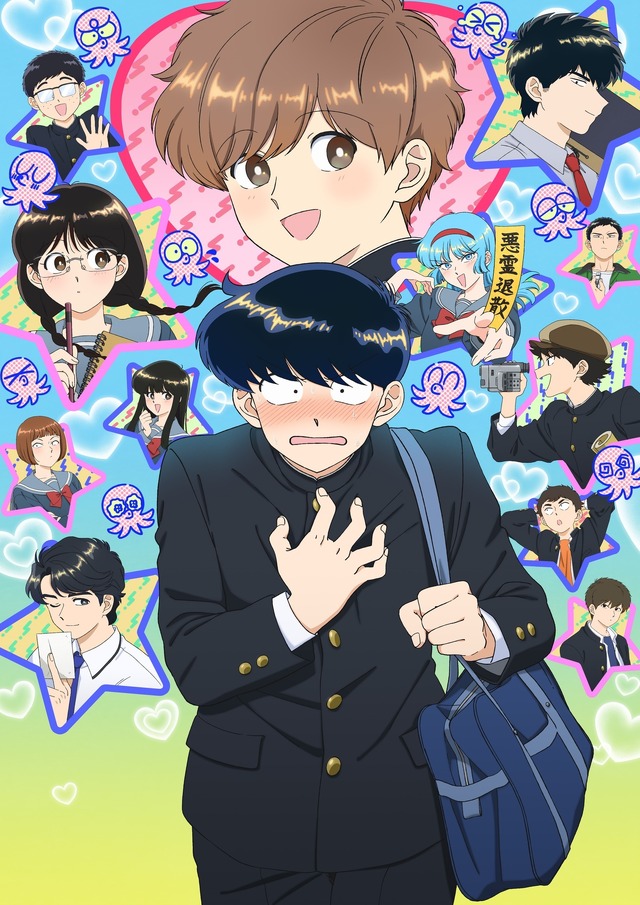
Industry analysts attribute the show’s overwhelming success to its universal, character-driven humor. Rather than relying on dramatic angst, the series leans into the comedic agony of adolescent infatuation. The episodic progression details Nakamura’s over-the-top inner monologues and his chaotic, often failed attempts to simply strike up a conversation with Hirose. Yet, beneath the comedy lies an earnest, highly relatable portrayal of a young person navigating the anxieties of identity and first love.
2. The Artistic Standard-Bearers: Given and Sasaki and Miyano (Tied for 2nd Place, Approx. 11% of Votes)
The second-place position features a statistical tie between two powerhouse franchises that represent the dual poles of modern BL storytelling: the emotionally raw, music-centric drama of Given and the gentle, therapeutic slice-of-life romance of Sasaki and Miyano.
Given (Lerche Studio)
Originally debuting in 2019 on Fuji TV’s prestigious late-night Noitamina block—marking the block’s first-ever BL adaptation—Given has grown into a massive multi-media franchise spanning a TV series and three theatrical feature films. The story focuses on Ritsuka Uenoyama, a talented but burnt-out high school guitarist who meets Mafuyu Sato, a quiet boy clutching a Gibson ES-330 with broken strings. Upon hearing Mafuyu’s haunting, raw singing voice, Ritsuka recruits him into his band, sparking a complex journey of musical collaboration and romantic awakening.
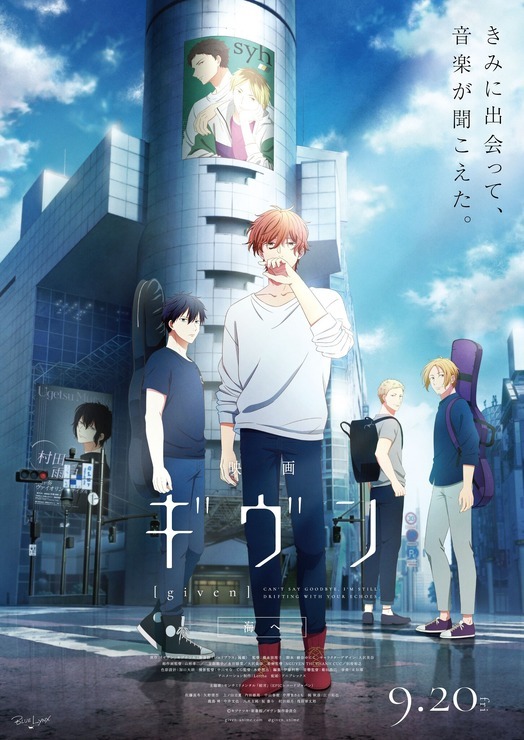
Given is widely praised for its sophisticated exploration of grief, trauma, and artistic expression. Mafuyu’s quiet disposition hides deep scars from the loss of a childhood friend and former lover, and the series uses the medium of indie rock to articulate feelings too painful for spoken words. The high-energy live performance sequences, coupled with an exceptionally curated soundtrack, have set a new benchmark for production quality in the genre.
Sasaki and Miyano (Studio Deen)
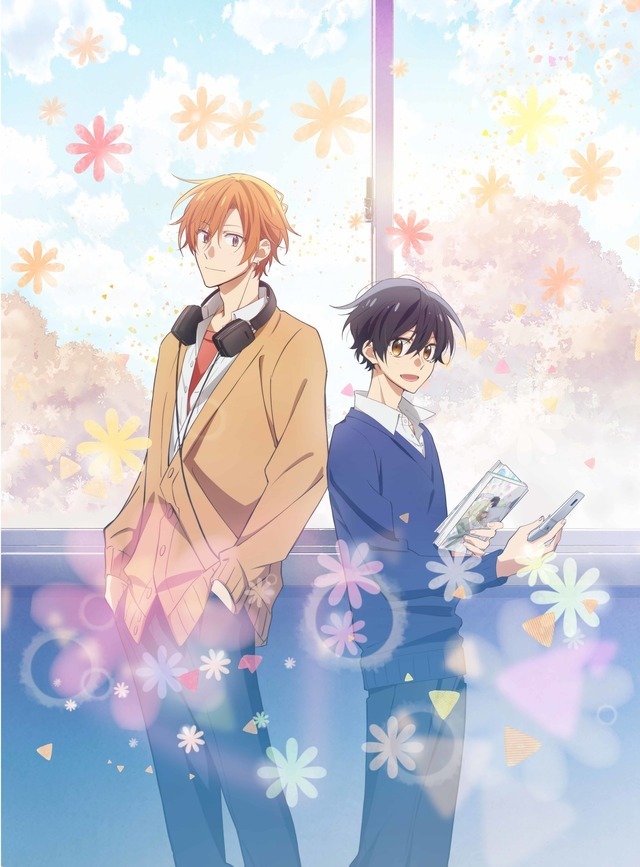
In stark contrast to the dramatic intensity of Given, Sasaki and Miyano offers a comforting, low-stakes narrative that has won over a massive crossover audience. The story centers on Yoshikazu Miyano, a high schooler who secretly loves BL manga (a fudanshi), and Shumei Sasaki, a slightly older, delinquent-adjacent senior who takes a sudden interest in him. Their relationship deepens naturally as Sasaki begins borrowing Miyano’s favorite manga, gradually leading both to confront their developing feelings.
Adapting Shou Harusono’s manga, Studio Deen crafted a visual style characterized by pastel tones, delicate lighting, and a gentle narrative pace. The series eschews heavy drama or forced romantic conflicts in favor of mutual respect, emotional consent, and a slow, healthy progression of intimacy. This accessible, heartwarming tone has made it an ideal entry point for viewers who are otherwise unfamiliar with the genre.
Supporting Context & Metrics: Deconstructing the Audience
The demographic breakdown of the Anime! Anime! survey reveals a profound shift in the modern BL consumer profile, challenging long-held assumptions about who watches these series.
+-------------------------------------------------------------------------+
|                       SURVEY DEMOGRAPHIC METRICS                        |
+------------------------------------+------------------------------------+
| Gender Distribution                | Age Group Representation           |
+------------------------------------+------------------------------------+
| Female: ~60%                       | 30s: ~35%                          |
| Male: ~40%                         | 20s: ~20%                          |
|                                    | Other (Teens/40s+): ~45%           |
+------------------------------------+------------------------------------+
The Crossover Phenomenon: A 40% Male Readership
Historically, Boys’ Love (and its predecessor, Yaoi) was categorized strictly as a genre created by women, for women. While female fans remain the majority at 60%, the fact that 40% of respondents identified as male represents a major demographic evolution.
This dramatic rise in male viewership can be attributed to several factors:
- Narrative Universality: Modern BL titles focus heavily on universal coming-of-age experiences, emotional maturity, and personal growth, making them highly relatable regardless of the viewer’s gender or sexual orientation.
- Production Excellence: With top-tier studios like Lerche, CloverWorks, and A-1 Pictures handling adaptations, the cinematic quality, sound design, and voice acting of these series rival any mainstream drama.
- Societal Shifts: A growing global awareness and acceptance of diverse romantic identities have reduced the social stigma associated with consuming LGBTQ+-themed media, encouraging broader audiences to engage with these stories openly.
Age Distribution: An Economically Active Fanbase
The age metrics indicate a mature, highly dedicated consumer base, with individuals in their 30s representing approximately 35% of the respondents, followed by those in their 20s at 20%.
This concentration of young adult and adult viewers has significant economic implications. Unlike younger teen demographics, viewers in their 20s and 30s possess disposable income. This financial independence directly fuels the commercial viability of BL franchises, driving box-office sales for theatrical releases, premium home video purchases, merchandise acquisitions, and attendance at live voice-actor events and concert exhibitions.
Official Statements & Critical Fandom Analysis
The qualitative feedback compiled from the survey participants highlights the specific creative elements that elevate these works from simple romances to critically acclaimed pieces of art.
On Visual and Auditory Craftsmanship
Fandom responses consistently praised the integration of high-quality animation and music. A viewer reflecting on the success of Go For It, Nakamura-kun!! shared:
"I happened to catch the first episode by chance, and it became the first time in my life I got completely hooked on an anime. Nakamura’s wild antics are incredibly funny, and I found myself cheering him on just like the title suggests. But what really blew me away was the sheer quality of the production—especially the ending sequence, which featured a different, beautifully produced duet song every single week. It made the entire experience feel incredibly special."




Belum ada komentar. Jadilah yang pertama berkomentar!