

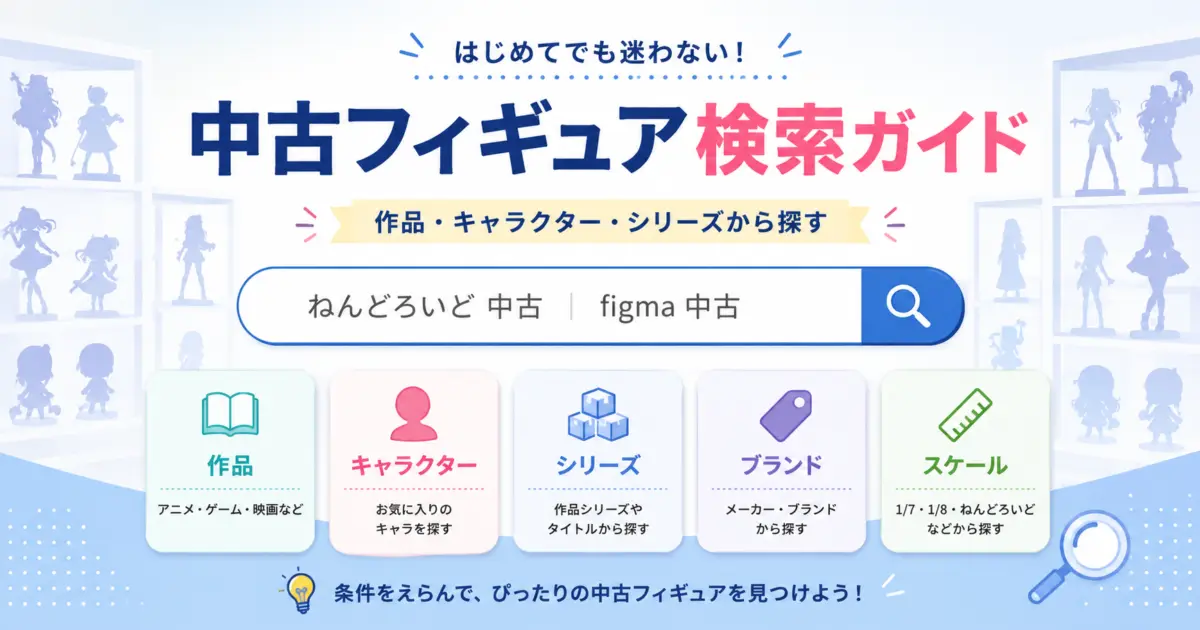
Executive Overview
The secondary market for anime figures and character memorabilia has experienced an unprecedented surge over the past several years, evolving from a niche hobby into a multi-billion-dollar global industry. Driven by the explosive international popularity of Japanese pop culture, manga, and gaming franchises, the demand for pre-owned high-end collectibles has skyrocketed. Platforms like Yahoo! Auctions Japan and various specialized secondary marketplaces have seen trading volumes reach historic highs, creating a sophisticated ecosystem for collectors, investors, and casual fans alike.
Once considered a localized subculture reliant on specialty physical storefronts in districts like Akihabara or Nakano Broadway, the secondary figure market has transformed into a seamless, digital-first global marketplace. This growth is characterized by sophisticated pricing algorithms, verified authentication processes, and cross-border logistics that allow international fans to participate in auctions and direct sales with unprecedented ease.
This comprehensive report examines the multifaceted drivers behind the secondary figure boom, analyzes current pricing trends across major manufacturers, reviews the impact of digital platforms on consumer behavior, and outlines the future outlook for collectors and investors navigating this dynamic market.
Detailed Chronology: From Akihabara Back alleys to a Global Digital Marketplace
To understand the current state of the secondary figure market, one must trace its evolution from a localized, physical trade into a digitized global phenomenon.
Phase 1: The Era of Physical Specialty Shops (Pre-2010s)
Before the widespread adoption of e-commerce, acquiring secondary figures required physical presence in specialized hobby shops. Collectors spent hours scouring the glass display cases of iconic retailers in Tokyo’s electronics and anime hubs. Information asymmetry was rampant; pricing relied heavily on the subjective valuation of local shop managers, and international collectors faced steep barriers to entry, often relying on expensive proxy shopping services or trusted acquaintances living in Japan.
Phase 2: The Rise of Online Marketplaces and Cross-Border Proxies (2010–2019)
The proliferation of digital platforms such as Yahoo! Auctions Japan, alongside dedicated proxy services like Buyee, From Japan, and ZenMarket, democratized access to the Japanese domestic market. International collectors could suddenly bid on rare, out-of-print scales and limited-edition releases in real-time. During this period, online trust and safety mechanisms began to mature, establishing baseline standards for item grading, photographic documentation, and secure payment processing.
Phase 3: The Pandemic Boom and Mainstream Acceleration (2020–Present)
The global health crisis of the early 2020s acted as a massive catalyst for the collectibles market. With millions confined to their homes, discretionary spending shifted toward indoor hobbies, entertainment, and collecting. Simultaneously, major manufacturers faced supply chain disruptions, resulting in production delays and limited initial stock availability for new releases.
Consequently, the secondary market became the primary battleground for securing high-demand items. Prices for iconic characters—particularly from globally dominant franchises like Genshin Impact, Fate/Grand Order, Neon Genesis Evangelion, and various modern shonen anime—escalated rapidly. Today, platforms utilize advanced data analytics to track historical sales prices, providing both buyers and sellers with transparent, data-backed valuations that mirror traditional financial markets.
Supporting Context & Metrics: Market Dynamics and Valuation Drivers
The modern secondary figure market is governed by complex economic principles of supply, demand, perceived scarcity, and brand reputation.
Key Valuation Factors
Several distinct elements dictate the pre-owned value of a collectible figure:
- Manufacturer Reputation: Figures crafted by premier tier-one manufacturers—such as Good Smile Company, Alter, Max Factory, Aniplex, and Kotobukiya—consistently retain or appreciate in value far better than mass-market or prize figures (Ichiban Kuji).
- Scarcity and Limited Releases: Limited-edition convention exclusives, Web-shop exclusives (such as those tied to Good Smile Online Shop or Aniplex+), and figures with tightly capped production runs frequently command significant premiums on the secondary market.
- Condition Grading: The presence of the original box (often graded as "MIB" – Mint in Box, or "BIB" – Back in Box, indicating opened but pristine condition) drastically impacts secondary pricing. Any damage to structural PVC, paint transfer, or missing accessories can diminish value by 30% to 50%.
- Franchise Momentum: A figure’s value is intrinsically linked to the cultural relevance of its source material. Long-running franchises maintain steady baselines, whereas characters from currently airing seasonal anime hits often experience dramatic, short-term speculative price spikes.
Statistical Overview of Marketplace Growth
Market analysis indicates that transaction volumes on major Japanese auction and listing platforms have grown exponentially. While specific quarterly figures fluctuate based on seasonal anime releases, the compound annual growth rate (CAGR) for pre-owned premium PVC figures has outpaced traditional toy and hobby sectors. Cross-border transactions now account for a substantial percentage of total platform volume, with North American and European buyers leading international demand.
Official Statements and Industry Insights
Industry stakeholders, ranging from major manufacturing executives to platform administrators, have increasingly addressed the structural shifts within the secondary market.
Platform Transparency and Consumer Protection
Representatives from major auction aggregation platforms have emphasized the implementation of stricter verification protocols. To combat the proliferation of counterfeit figures—a persistent challenge originating from unregulated overseas manufacturing—platforms have partnered with authorized distributors and licensed IP holders.
“The secondary market is no longer a wild west,” notes a leading industry logistics coordinator. “Consumers demand absolute authenticity, transparent grading standards, and secure transit insurance. Platforms that fail to provide rigorous verification processes will quickly lose consumer trust.”
Manufacturer Responses to Speculative Buying
In response to rampant scalping and secondary market inflation, premier manufacturers have begun adjusting their production strategies. By implementing "made-to-order" pre-order windows rather than fixed-quantity production runs, companies like Good Smile Company seek to temper extreme aftermarket spikes while satisfying baseline consumer demand. However, industry insiders note that certain licensing constraints and material costs continue to limit production capacities for ultra-detailed 1/7 scale figures, ensuring that true scarcity remains a primary driver of secondary market value.
Future Outlook: Trends, Challenges, and Investment Potential
As the secondary figure market matures looking toward the latter half of the decade, several key trends are poised to shape its trajectory.
Technological Integration and AI-Driven Pricing
The integration of artificial intelligence and machine learning into secondary marketplaces is revolutionizing how items are priced and discovered. Automated image-recognition tools now allow users to snap a photo of an unboxed figure and instantly receive historical sales data, current market valuations, and condition assessments. This technological leap reduces pricing friction and empowers casual collectors to monetize their collections with professional-grade accuracy.
Sustainability and the Circular Economy
The booming pre-owned market also aligns with broader global shifts toward sustainability and the circular economy. By extending the lifecycle of premium PVC and ABS collectibles, secondary marketplaces reduce waste and promote responsible consumption among hobbyists. Collectors increasingly view high-end figures not merely as disposable toys, but as durable, art-grade investments that can be traded, upgraded, or liquidated over time.
Potential Headwinds
Despite overwhelmingly positive momentum, market participants must remain cognizant of potential risks. Macroeconomic pressures, fluctuating foreign exchange rates (particularly the valuation of the Japanese Yen), and rising international shipping tariffs can significantly impact the net cost of acquiring pre-owned collectibles from overseas. Furthermore, market saturation in specific sub-genres may lead to price corrections for non-exclusive or over-produced figures.
Conclusion
The secondary market for anime figures and character memorabilia has firmly established itself as a cornerstone of modern pop culture commerce. Driven by digital innovation, global fandom, and a robust infrastructure of verified marketplaces, the hobby offers unprecedented opportunities for enthusiasts worldwide. Whether collectors are seeking nostalgic pieces from classic series or investing in the latest masterworks from top-tier manufacturers, the pre-owned figure ecosystem remains a vibrant, evolving testament to the enduring power of character-driven storytelling.





Belum ada komentar. Jadilah yang pertama berkomentar!