

Published: May 28, 2026
Category: Market Analysis / Collectibles & Hobbyist Trends
Executive Overview
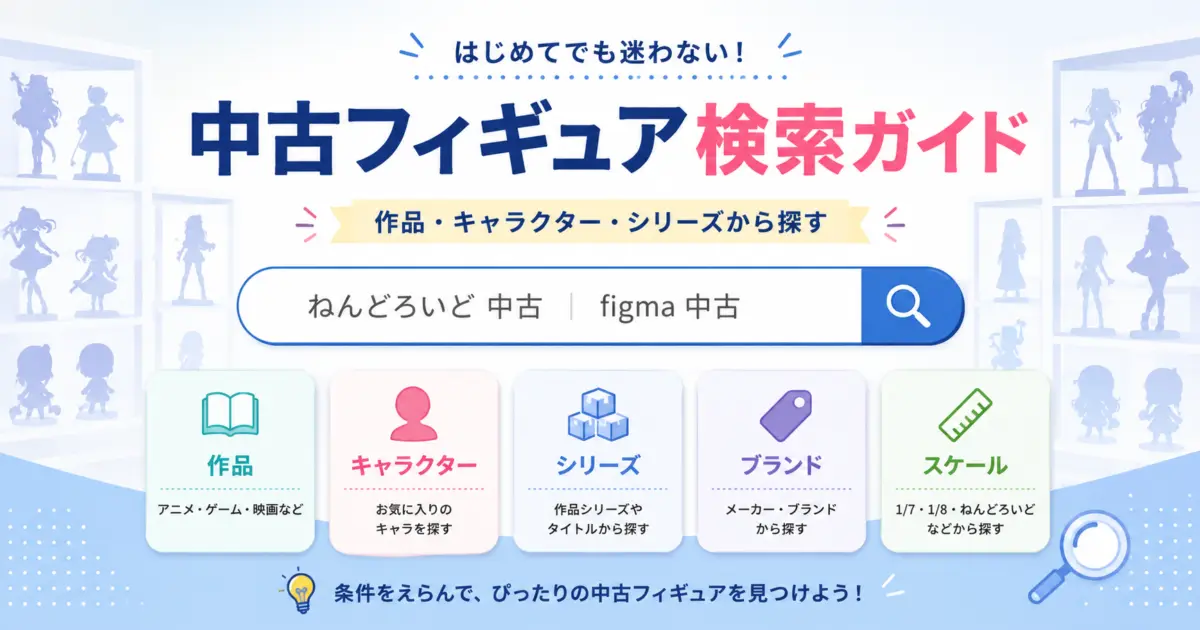
The secondary market for character figures—ranging from high-end PVC statues and articulated action figures to garage kits and limited-edition collectibles—has undergone a massive transformation over the past decade. What was once considered a niche hobby driven by local brick-and-mortar stores and peer-to-peer conventions has evolved into a multi-billion-dollar global digital economy.
Today, collectors participate in a vast, highly interconnected ecosystem powered by real-time data analytics, online auction portals, specialized trade platforms, and digital authentication networks. However, this maturation brings new challenges. As the valuation of rare, discontinued, and premium character figures skyrockets, collectors face a landscape fraught with sophisticated bootlegs, volatile pricing models, and opaque grading standards.
This comprehensive report examines the current state of the secondary figure market, exploring how digital tools, authentication systems, and consumer trends are reshaping the way rare collectibles are bought, sold, and valued worldwide.
Detailed Chronology: From Hobbyist Niche to Global Digital Marketplace
To understand how the secondary figure market reached its current valuation, it is essential to trace its evolution through key developmental phases:
Phase 1: The Local Hobby Shop Era (Pre-2010s)
In the early days of collecting, acquisition was heavily dependent on physical presence. Enthusiasts relied on independent import shops, specialty comic book stores, and physical conventions (such as Wonder Festival or localized anime conventions) to find rare imported pieces. Information regarding releases, rarity, and pricing was scarce, often shared by word-of-mouth or through printed collector magazines. Transactions were cash-based, and geographic location severely limited access to high-demand items originating primarily from manufacturers in Japan.
Phase 2: The Rise of Early E-Commerce and Forums (2010–2018)
The advent of global e-commerce platforms and niche online forums bridged international gaps. Collectors began utilizing international auction sites and proxy services to bid on items directly from overseas storefronts. During this period, online community-driven databases and price-tracking tools started to emerge, giving collectors unprecedented visibility into historical sales data. However, the market remained fragmented, and cross-border transactions carried significant financial and logistical risks.
Phase 3: The Data-Driven Ecosystem (2019–Present)
Modern collecting is characterized by instantaneous data access and algorithmic price monitoring. Driven by platforms such as Yahoo! Auctions Japan, specialized secondary market aggregators, and real-time sales trackers, the secondary figure market has achieved a degree of financial transparency previously unseen in alternative asset classes. Today’s collectors can instantly verify the historical price fluctuations of a limited-edition figma, assess the condition grading of a vintage PVC statue, and track market demand across multiple continents simultaneously.
Supporting Context & Metrics: Valuation Drivers and Brand Dynamics
The secondary figure market is governed by several core economic and cultural drivers. Unlike traditional equities, the value of a character figure is intrinsically linked to intellectual property (IP) popularity, manufacturing scarcity, and material quality.
Key Valuation Factors:
- Manufacturer Reputation: Brands known for uncompromising quality control—such as Good Smile Company, Alter, Hot Toys, and Megahouse—consistently command higher secondary market premiums.
- Scarcity and Limited Production Runs: Figures released as exclusive convention variants, lottery prizes (Ichiban Kuji), or strictly limited pre-order windows often appreciate exponentially once primary stock is depleted.
- Condition and Packaging Integrity: The presence of the original box (often referred to in collector terminology as "MIB" – Mint in Box, or "MISB" – Mint in Sealed Box) heavily influences resale value. Damage to blister packs or outer cardboard can reduce an item’s market value by 30% to 50%.
- Bootleg Proliferation and Verification: As market values rise, so does the prevalence of counterfeit products. Understanding how to distinguish authentic figures from bootlegs has become a critical skill for modern collectors.
[Primary Manufacturer Release]
       │
       ▼
[Limited Availability / Pre-Order Window Closes]
       │
       ▼
[Secondary Market Influx via Proxies & Auctions]
       │
       ├─► Authentic Verified Goods (High Liquidity, Premium Pricing)
       └─► Counterfeit / Bootleg Detection (Risk Mitigation / Authentication Protocols)
Official Statements and Industry Perspectives
Industry analysts and marketplace operators emphasize that transparency and trust are the ultimate currencies of the modern secondary figure economy.
Major auction aggregators and specialty storefronts have increasingly integrated automated verification protocols to protect consumers from fraudulent listings. According to recent whitepapers published by leading hobbyist research groups, platforms that implement rigorous seller-verification processes and transparent grading criteria experience significantly lower dispute rates and higher buyer retention.
Furthermore, industry representatives note that secondary market data is now being utilized by primary manufacturers to gauge demand for re-releases and anniversary editions. When a discontinued figure spikes in value on secondary auction sites, manufacturers take note, often scheduling production reruns to meet unsatisfied consumer demand while undercutting opportunistic scalpers.
Future Outlook: Navigating the Next Era of Collecting
As the secondary figure market continues to expand, several emerging trends are expected to shape its trajectory over the coming years:
- Blockchain and Digital Certificates of Authenticity: To combat the rising tide of sophisticated bootlegs, high-end manufacturers are exploring NFC-enabled tags and blockchain-backed digital certificates linked directly to physical figures, ensuring verifiable provenance.
- AI-Driven Valuation Tools: Future collectors will likely rely on artificial intelligence algorithms capable of scanning marketplace listings, evaluating paint chipping, joint looseness, and box condition in real time to generate instantaneous market appraisals.
- Global Logistics Streamlining: Improvements in cross-border shipping, transparent customs processing, and specialized proxy-buying software will continue to democratize access to rare items, making global trade as seamless as local commerce.
In conclusion, while the secondary figure market offers immense opportunities for passionate collectors and savvy investors alike, navigating its complexities requires vigilance, data literacy, and an appreciation for the evolving tools designed to keep the hobby authentic, secure, and thriving.





Belum ada komentar. Jadilah yang pertama berkomentar!