Published: November 10, 2026 Publisher: Alawar Platform: PC (Steam)
Executive Overview
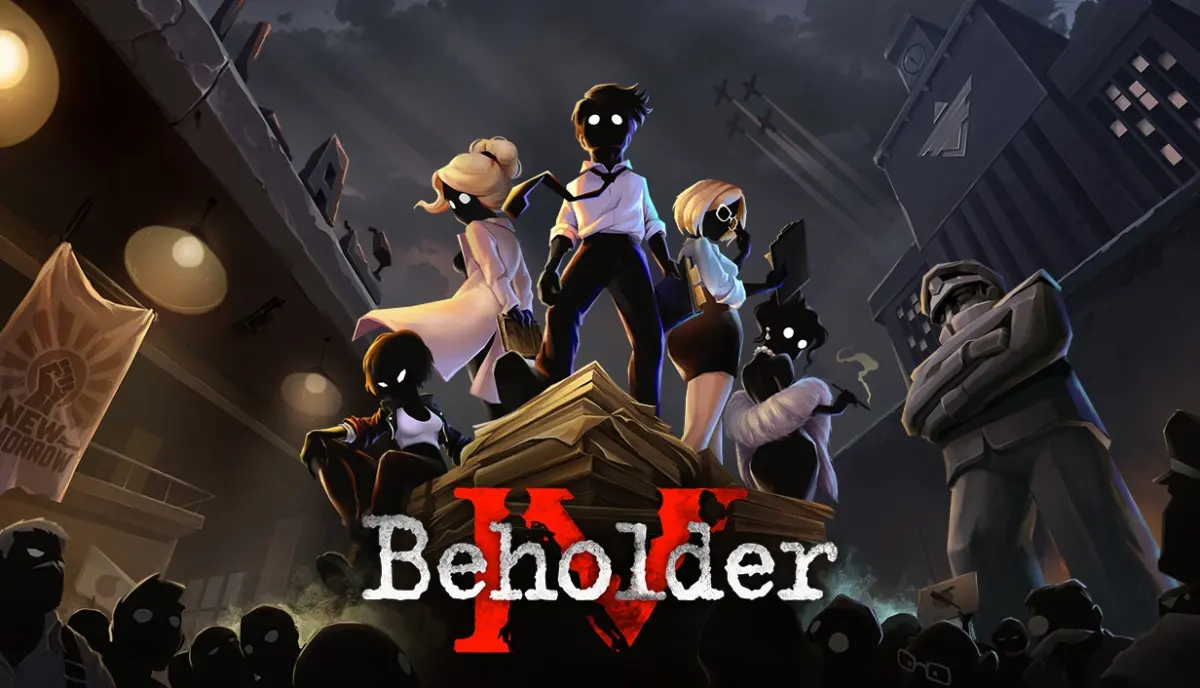
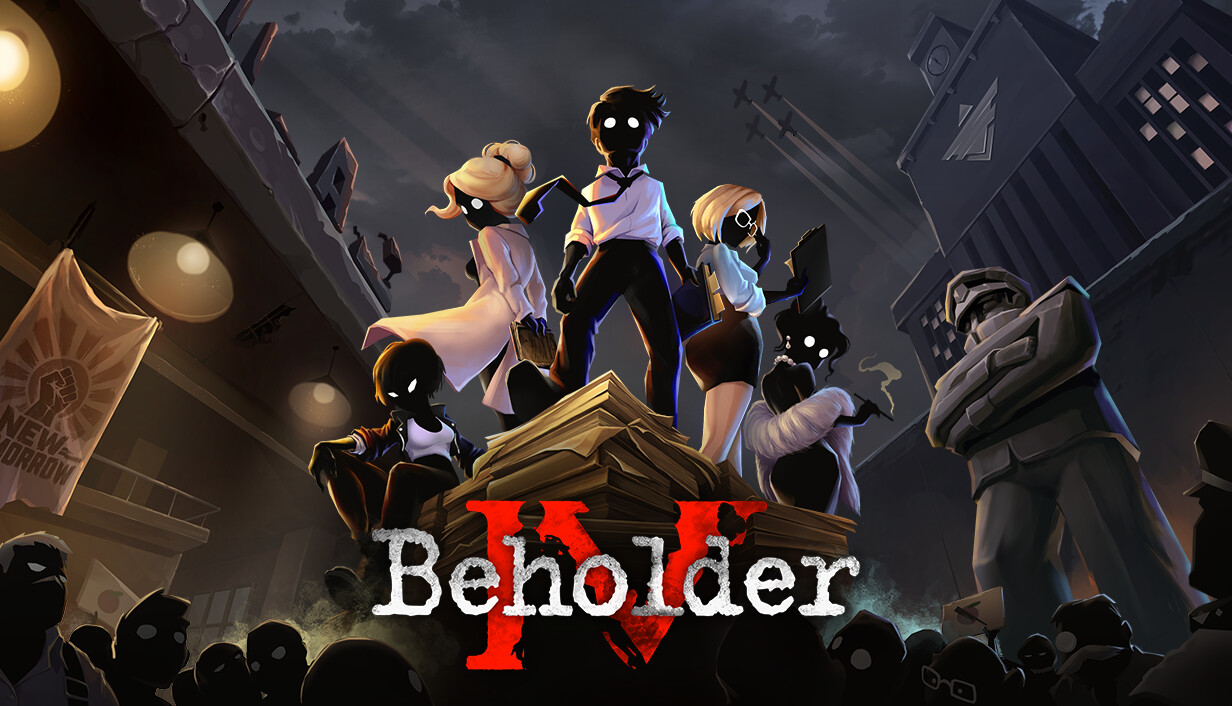
The chilling architectural landscape of state-enforced paranoia is expanding once more. Publisher Alawar has officially announced Beholder 4, the highly anticipated latest installment in its critically acclaimed, dystopian surveillance-management simulation franchise. Revealed via a global Steam storefront launch on November 10, 2026, the announcement immediately triggered waves of discussion across the international gaming community, drawing praise for its unyielding exploration of authoritarian control, moral compromise, and the haunting mechanics of systemic observation.
As the fourth major entry in a series that has consistently captivated players with its deeply unsettling moral dilemmas, Beholder 4 promises to elevate the franchise’s core themes to unprecedented heights. Set against a backdrop of bleak, oppressive apartment blocks and hyper-surveilled domestic spaces, the game thrusts players once again into the harrowing shoes of a state-appointed landlord. Here, privacy is an archaic luxury, neighbors are both potential threats and targets, and every keystroke, conversation, and whispered secret carries the severe weight of life or death.
With its unique blend of strategic resource management, real-time decision-making, and psychological horror, Beholder 4 arrives with immense expectations—expectations built upon a decade of legacy, critical adoration, and a chillingly persistent cultural fascination with totalitarianism in digital media.
Detailed Chronology: A Decade of Dystopian Evolution
To truly understand the weight of Beholder 4’s arrival, one must examine the trajectory of the franchise over the last ten years. Since the inception of the original Beholder, the series has carved out a distinct, highly niche subgenre of management sims that prioritize moral degradation over triumphant power fantasies.
The Foundation (2016–2018)
The journey began with the release of the first Beholder title, which quickly captured the gaming world’s attention with its striking 2.5D cross-section art style, reminiscent of a dollhouse built on the foundations of a police state. Players assumed the role of Carl Stein, a government-installed landlord tasked with spying on tenants, planting surveillance cameras, searching apartments for contraband, and reporting illegal activities to the Ministry. The gameplay loop was brilliantly agonizing: report a father for possessing forbidden literature to earn state approval, or look the other way to protect a family, knowing that your own children’s survival hung in the balance.
The original title achieved monumental success, eventually boasting an impressive 90% positive rating on Steam, cementing its status as an indie classic. Its success proved that players were hungry for experiences that forced them to confront the grim realities of totalitarianism, bureaucracy, and ethical decay.
Expansion and Systemic Refinement (2019–2025)
Following the breakthrough of the original game, Alawar steadily expanded the universe with sequels, spin-offs, and narrative-driven downloadable content (DLCs), most notably Beholder: The Landlord’s Handbook. Each successive release experimented with different rungs of the administrative ladder—ranging from low-level apartment superintendents to high-ranking ministry bureaucrats—gradually broadening the scope of the fictional regime’s cold, calculated machinery.
Throughout this era, the series refined its core mechanics: managing time limits, balancing bribes, intercepting mail, and navigating the razor-thin line between loyalty to the state and personal survival. While mechanics grew more sophisticated, the emotional core remained painfully consistent: every action had a victim, and no choice was ever clean.
The Dawn of Beholder 4 (November 2026)
Marking the tenth anniversary of the franchise’s inception, the unveiling of Beholder 4 on November 10, 2026, represents a milestone for Alawar. Moving beyond simple iteration, the new title introduces modernized visual fidelity, expanded investigative tools, and deeper systemic interactions that reflect contemporary anxieties surrounding digital oversight, data privacy, and the creeping normalization of automated surveillance.
Supporting Context & Metrics: The Mechanics of Tyranny
At its mechanical heart, Beholder 4 is a masterclass in tension and resource management. Players are not combatants wielding weapons; they are observers wielding information. The game’s design philosophy hinges on several key pillars:
Asymmetrical Information Warfare: The player has access to cameras, wiretaps, and profile-building tools, but so do the authorities above them. Information is currency, but it is also a liability. Knowing too much can make you a target; knowing too little can brand you a traitor.
The Burden of Choice: Every tenant possesses a complex web of personal secrets, illegal pursuits, and desperate motivations. Players must constantly weigh the financial incentives of blackmail and state bounties against the human cost of destroying innocent lives.
Time-Critical Pressure: The gameplay unfolds in real-time with pause capabilities, forcing players to juggle multiple crises simultaneously. Maintenance requests, police inspections, tenant disputes, and secret society plots collide in a relentless pressure cooker of administrative stress.
Market metrics underscore the enduring viability of this formula. With the original Beholder maintaining its coveted 90% positive rating on Steam a decade after launch, and spin-offs like Beholder: The Landlord’s Handbook cultivating dedicated, niche followings, Alawar enters the release window of Beholder 4 with a deeply loyal audience primed for dark narrative storytelling.
Official Statements and Industry Reception
While traditional press conferences and developer deep-dives are still rolling out following the initial storefront listing, initial industry reactions have highlighted the cultural relevance of the franchise’s return.
In a statement accompanying the Steam launch, representatives from Alawar emphasized the studio’s commitment to preserving the uncompromising tone that fans expect:
"With Beholder 4, we did not want to soften the edges of what makes this universe compelling. Totalitarianism is not a neat narrative trope; it is a grinding, bureaucratic machine that forces ordinary people to make impossible compromises. Our goal with this new chapter is to deepen the intimacy of the surveillance state—to make players feel every keystroke, every whispered denunciation, and every consequence of their compliance or defiance."
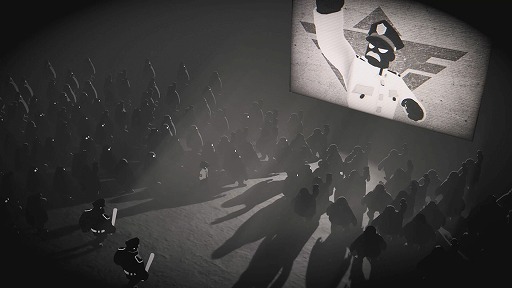
Early consumer reception on Steam and social media platforms has been overwhelmingly enthusiastic. Community hubs are already dissecting the newly released screenshots—noting the upgraded environmental detail, denser apartment layouts, and the introduction of advanced technological surveillance equipment that mirrors modern real-world anxieties regarding digital monitoring.
Future Outlook: What Lies Ahead for the Beholder Universe
As Beholder 4 begins its journey on Steam, the immediate future centers on community engagement, player feedback, and post-launch support. Given Alawar’s track record of supporting the franchise with substantial narrative expansions and thematic DLCs, industry analysts anticipate that Beholder 4 will receive a robust roadmap of updates designed to test players’ moral boundaries even further.
Furthermore, the longevity of the Beholder intellectual property points toward a broader cultural footprint. In an era where discussions surrounding privacy, artificial intelligence oversight, and corporate-state surveillance dominate global headlines, the Beholder series transcends traditional entertainment. It serves as an interactive cautionary tale—an unflinching mirror held up to the human capacity for compliance, and a stark reminder of how easily the walls we build to protect ourselves can become the very walls that trap us.
For now, the tenants are moving in, the cameras are rolling, and the Ministry is watching. Beholder 4 is available now on Steam, inviting a new generation of reluctant landlords to answer the phone when it rings in the dark.












Belum ada komentar. Jadilah yang pertama berkomentar!