Stretching across the dramatic landscapes of northern Honshu, Japan’s Tohoku region offers travelers an intoxicating blend of pristine seasonal scenery, deep-seated cultural heritage, and world-class regional cuisine—all within remarkably easy reach of the capital. For decades, the primary hurdle to exploring this sprawling, mountainous territory was its sheer geographical scale. Today, however, navigating this vast expanse has been streamlined into a seamless travel experience courtesy of the high-speed Tohoku Shinkansen.
Whether planning a winter pilgrimage to steaming onsen hot springs, a spring excursion beneath cascading cherry blossoms, or an autumn trek through flame-colored gorges, understanding the region’s premier transit artery is essential. This comprehensive guide provides an authoritative overview of Tohoku Shinkansen train routes, ticketing procedures, rail pass options, and the ten most captivating destinations accessible directly from the line, offering a definitive roadmap for both first-time visitors and seasoned Japan travelers.
Detailed Chronology & System Overview
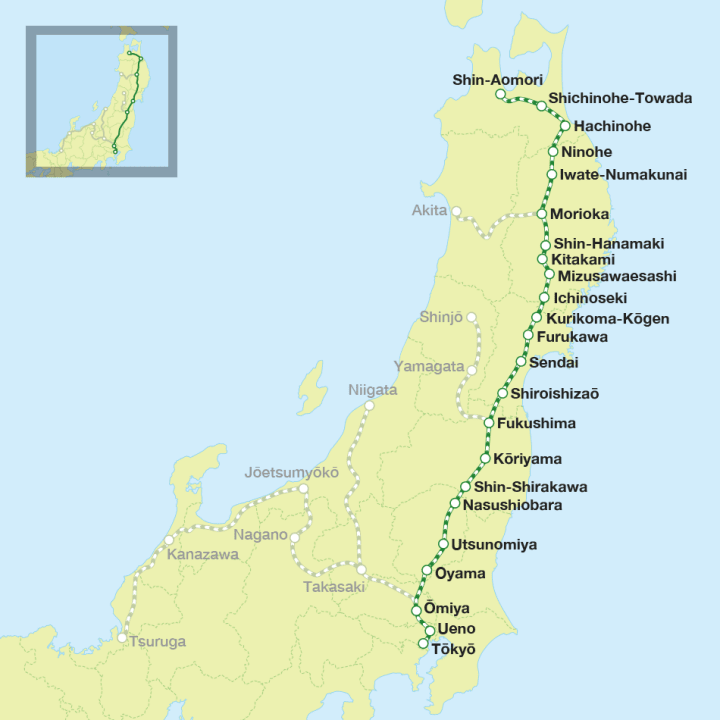
Since its historic inauguration in 1982, the Tohoku Shinkansen has served as the indispensable economic and cultural umbilical cord connecting Tokyo with the northern prefectures of Honshu. Spanning roughly 674 kilometers, the mainline snakes its way northward from the monumental architecture of Tokyo Station all the way to Shin-Aomori Station.
The Evolution of Speed and Connectivity
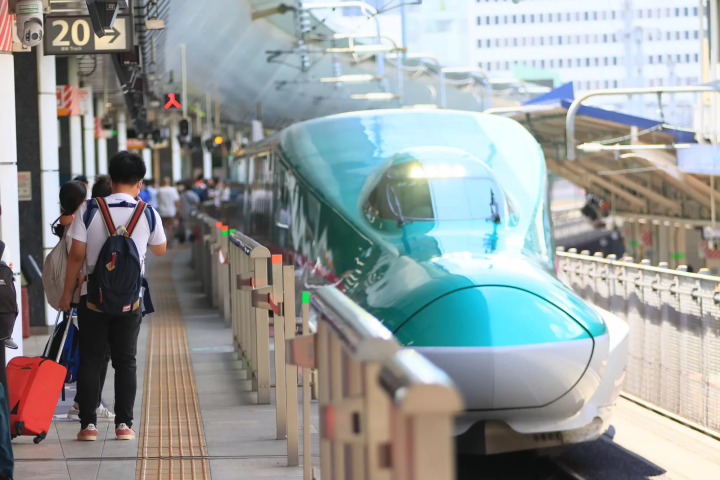
The introduction of high-speed rail fundamentally transformed Tohoku’s tourism and economic landscape. Before the Shinkansen, traveling to the northern reaches of the island required grueling, multi-hour journeys on conventional, winding rail networks. Today, the engineering marvel of the bullet train network allows passengers to board at Tokyo Station and alight in Shin-Aomori in as little as three hours aboard the premier Hayabusa service.
Major Stops Along the JR Tohoku Shinkansen
The corridor links a succession of vital urban centers, historic hubs, and scenic gateways:
Tokyo Station: A colossal transportation nexus celebrated for its iconic, red-brick Meiji-era architecture and serving as the southern terminus for the line.
Ueno Station: Strategically situated adjacent to the cultural sanctuary of Ueno Park, home to the Tokyo National Museum and multiple renowned art institutions.
Omiya Station: A primary commuter and transit hub in Saitama Prefecture, internationally recognized as the home of the sprawling Railway Museum.
Utsunomiya Station: Globally famous as Japan’s undisputed gyoza (dumpling) capital and serving as the primary transfer portal for the UNESCO World Heritage shrines and temples of Nikko.
Koriyama Station: The dynamic economic engine of Fukushima Prefecture and the indispensable transit point for travelers bound for the historic Aizu-Wakamatsu region.
Fukushima Station: The prefectural capital of Fukushima, offering crucial transfer connectivity to the Yamagata Shinkansen line.
Sendai Station: The pulsating commercial and cultural heart of the entire Tohoku region, famous for its succulent, charcoal-grilled beef tongue (gyutan).
Morioka Station: Iwate Prefecture’s premier transport nexus, celebrated for its unique cold reimen noodles and functioning as the launch point for the Akita Shinkansen.
Hachinohe Station: A vibrant coastal port city in southern Aomori Prefecture renowned for its bustling, energetic morning seafood markets.
Shin-Aomori Station: The northern terminus of the mainline, acting as the gateway to Aomori City and drawing international crowds during the legendary summer Aomori Nebuta Festival.
Fleet Taxonomy & Service Categories
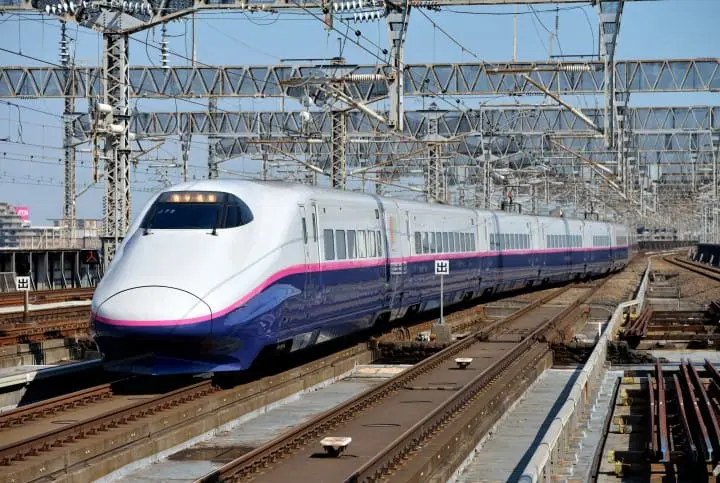
The JR East fleet operating along the Tohoku corridor utilizes cutting-edge rolling stock, primarily the E2, E3, E5, and E6 series trains. Services are meticulously tailored to different travel needs:
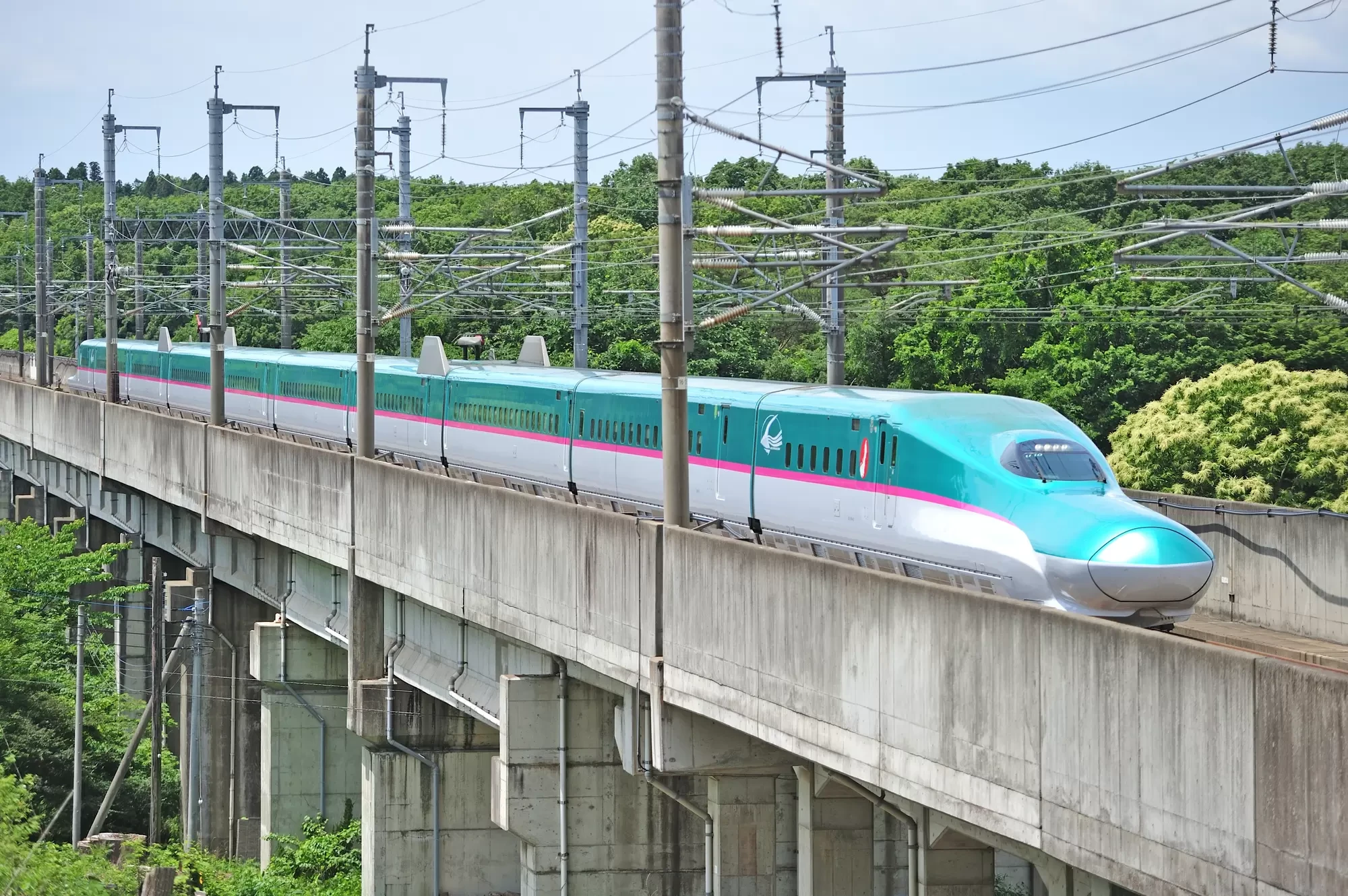
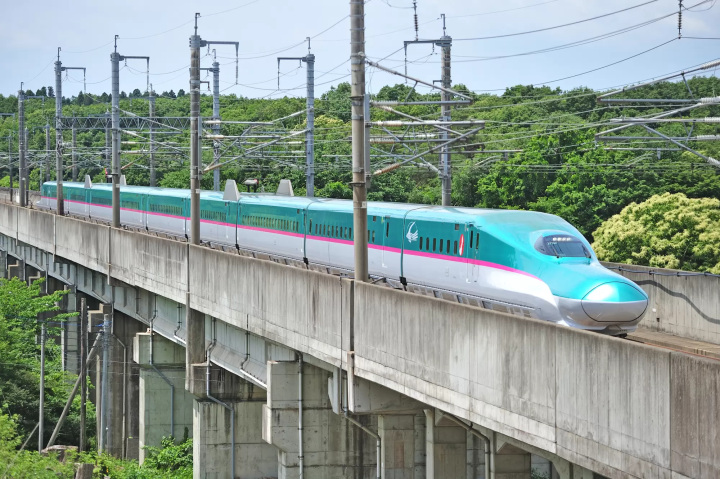
Hayabusa (E5, E6 Series): The undisputed flagship of the line. Operating at blistering top speeds of 320 km/h, it whisks passengers from Tokyo to Shin-Aomori in approximately three hours. Crucial Note: All seats aboard the Hayabusa require advance reservations.
Yamabiko (E2, E5, E6 Series): A slightly more localized service making frequent stops along the route. Often coupled with the Tsubasa train, the Yamabiko includes unreserved seating cars, offering flexible travel schedules.
Komachi (E6 Series): Connecting Tokyo directly to Akita Prefecture, the Komachi runs coupled with the Hayabusa between Tokyo and Morioka before detaching. All seats require advance reservations. It is the ideal vessel for travelers bound for the legendary Nyuto Onsen hot springs.
Tsubasa (E8 Series): Detaching from the Yamabiko at Fukushima Station, the Tsubasa ventures deep into Yamagata Prefecture. With mandatory seat reservations, it serves as the vital link to the picturesque hot spring village of Ginzan Onsen.
Nasuno (E2, E5 Series): A short-distance commuter and regional service running between Tokyo and Koriyama in Fukushima, stopping at every single station along its path. While slower, it features unreserved seating options ideal for short hops.
Hayate (E5 Series): Once a primary long-distance service, the Hayate now operates on a restricted schedule with limited morning and evening runs, operating on a strictly reserved-seat basis.
Supporting Context & Metrics: Mastering the JR East Pass
Navigating the financial logistics of Japanese rail travel requires strategic planning. For international visitors exploring the northern prefectures, the JR EAST PASS (Tohoku area) stands as the single most effective tool for cost containment and convenience.
Pass Specifications & Pricing Metrics
Duration & Coverage: Valid for consecutive days of unlimited travel, the pass covers all JR East lines, Sendai Airport Transit, Tokyo Monorail, local JR buses within the designated zone, and—critically—the Tohoku, Akita, Yamagata, Joetsu, and Hokuriku Shinkansen networks.
Standard Adult/Child Rates: The traditional 5-day pass is priced at 30,000 yen for adults and 15,000 yen for children (ages 6 to 11).
Extended 10-Day Pass: Responding to demand for deeper, slower-paced regional exploration, JR East introduced a 10-day iteration priced at 48,000 yen for adults and 24,000 yen for children, providing unprecedented value for extended itineraries.
Acquisition Channels
Travelers can secure the Tohoku JR Pass via three primary avenues:
Direct Domestic Sales: Available at major JR ticket offices within Japan.
Official Digital Portal: Purchased directly through the official JR East online platform.
Authorized Resellers: Accredited international travel platforms such as KKday and Klook. (Note: Vouchers purchased online must be physically exchanged for the tangible rail pass at a designated station counter prior to boarding).
Regulatory Compliance & Operational Rules
Non-Transferability: Passes are strictly non-transferable and tied directly to the passport identity of the purchaser. Sharing or lending a pass is illegal.
Mandatory Identification: Users must carry their original passport at all times; station attendants and conductors routinely request identity verification.
Reserved vs. Unreserved Reality: While holding the pass grants immediate boarding rights to unreserved cars, many high-speed Tohoku Shinkansen services (such as the Hayabusa and Komachi) consist entirely of reserved cars. Passengers must secure a seat ticket beforehand to board these trains legally.
Official Statements & Reservation Protocols
Securing reserved seats with a rail pass or standalone ticket can be executed via three distinct methodologies.
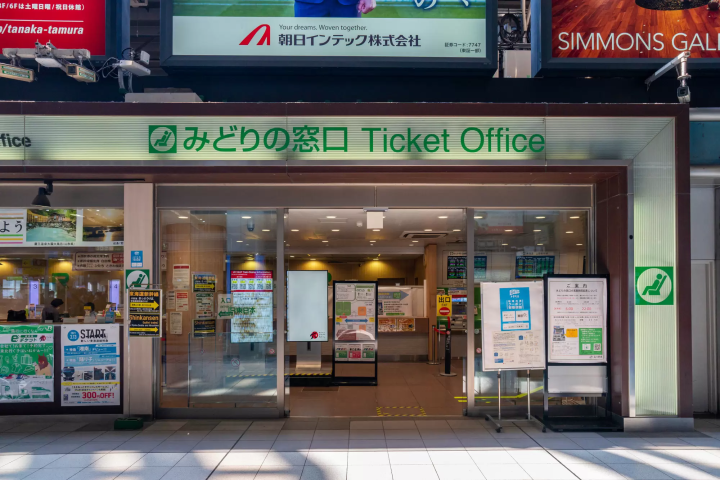
1. Station Ticket Offices (Midori-no-Madoguchi)
Traditional counters staffed by railway personnel remain a reliable option. Passengers should present their travel itinerary—ideally written down or displayed as a smartphone screenshot—detailing the departure station, destination, train number, and preferred departure time.
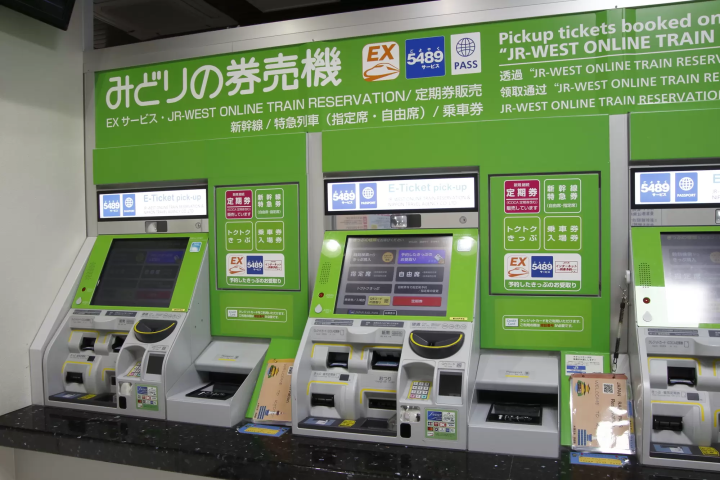
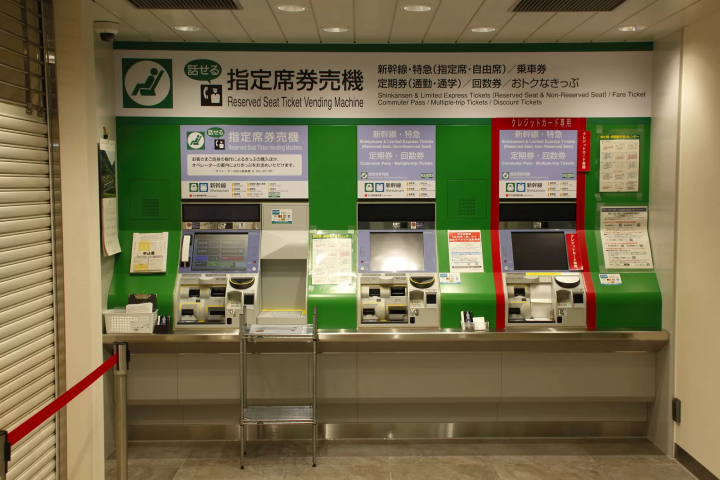
2. Automated Reserved Seat Ticket Machines
Multilingual automated kiosks are ubiquitous across major stations. Users navigate to the "Reserved Seat" menu, select discount/coupon ticket options, and input passenger counts, dates, and destinations to instantly print physical seat vouchers.
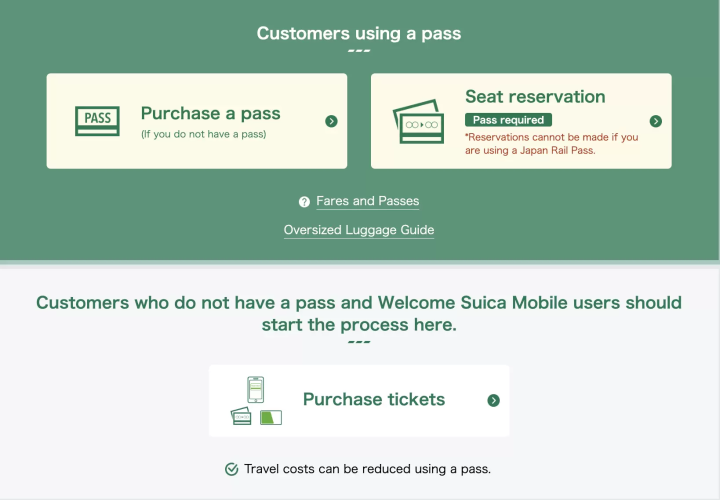
3. The Official JR Online Reservation System
The JR East Train Reservation system allows international travelers to secure seats online up to 30 days prior to departure. After logging into a registered account, users select "Reserve Seat (Pass Holders)," input journey metrics, and choose exact seating positions via an interactive map. A reservation code is then generated for physical ticket redemption at station machines.
Operational Advisory: During peak Japanese holiday windows—specifically the spring cherry blossom season, Golden Week (late April to early May), the Obon festival in August, and the New Year holidays—demand spikes dramatically. Early reservations weeks in advance are vital. Cancellations made prior to 21:00 on the day preceding travel incur no penalty, but uncancelled no-shows or post-departure changes forfeit all ticket validity.
Top 10 Destinations Along the Tohoku Shinkansen
The Tohoku Shinkansen line opens direct pathways to cultural treasures and natural monuments. Below are ten unmissable destinations accessible along the corridor.
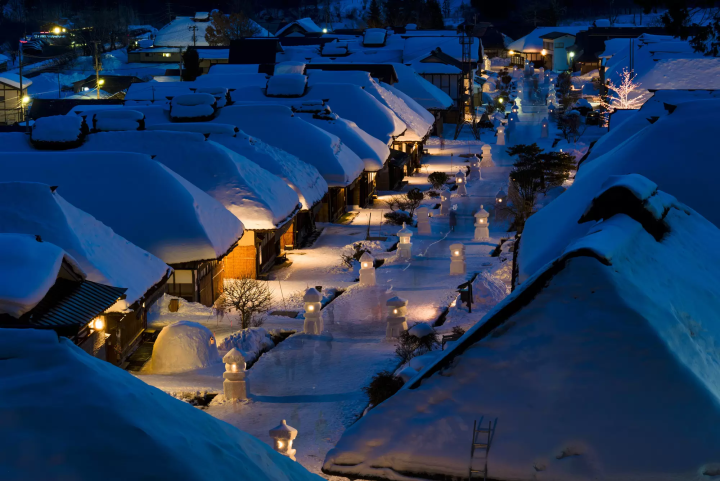
1. Fukushima Station: Ouchi-juku
A remarkably preserved Edo-period post town featuring thatched-roof merchant houses lining a pristine historic street. Visitors can sample regional delicacies like negi soba (noodles eaten using a long green onion instead of chopsticks) before experiencing the village transformed into a snow-covered winter fairytale.
2. Utsunomiya Station: Nikko Toshogu Shrine
Though geographically located in Tochigi Prefecture, Nikko Toshogu is an architectural masterpiece dedicated to Tokugawa Ieyasu, founder of the Tokugawa Shogunate. The complex is world-renowned for its intricate wood carvings, gold leaf ornamentation, and majestic mountain setting.
Perched high above Sendai City, this historic site was established by the legendary feudal lord Date Masamune. The hilltop expanse offers sweeping panoramic views of the modern skyline and serves as a premier springtime hanami (cherry blossom viewing) destination.
4. Sendai Station: Matsushima Bay
Ranked officially as one of Japan’s Three Most Scenic Views, Matsushima Bay features over 260 emerald pine-clad islets scattered across calm coastal waters. Visitors can board sightseeing vessels or sample freshly shucked, charcoal-grilled oysters along the shoreline.
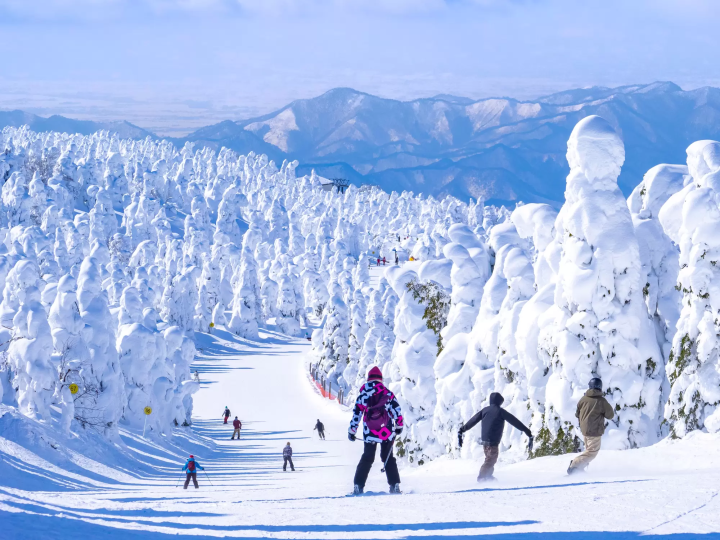
5. Yamagata Station: Zao Onsen & Monster Trees (Juhyo)
Boasting a 1,900-year history, Zao Onsen is famed for its highly acidic sulfur hot spring waters. In the dead of winter, freezing Siberian winds sweep across the mountain peaks, encasing entire forests of conifers in heavy layers of ice and snow to form the surreal, towering "snow monsters."
6. Ichinoseki Station: Chuson-ji Temple
Located in the historic town of Hiraizumi, this UNESCO World Heritage Buddhist temple complex houses the dazzling Konjikido (Golden Hall), an architectural testament to the wealth and artistic supremacy of the Heian period.
7. Tazawako Station: Lake Tazawa
Accessible via the Akita Shinkansen branch, Lake Tazawa is the deepest lake in Japan, celebrated for its astonishingly clear cobalt-blue waters and tranquil alpine surroundings.
8. Kakunodate Station: Kakunodate Samurai District
Often styled the "Little Kyoto of Tohoku," this immaculately preserved samurai quarter features traditional black-walled residences framed by weeping cherry trees that explode into pink blossoms every spring.
9. Shin-Aomori Station: Hirosaki Park & Castle
Home to one of Japan’s most celebrated cherry blossom festivals, Hirosaki Park blooms with thousands of sakura trees surrounding a classic 17th-century castle keep, presenting an unforgettable canvas of floral beauty and feudal architecture.
10. Shin-Aomori Station: Oirase Mountain Stream
A stunning 14-kilometer gorge stretching from Lake Towada to Nenokuchi, the Oirase stream is flanked by primeval forest, tumbling waterfalls, and moss-covered boulders, reaching aesthetic perfection during the blazing autumn foliage season.
Future Outlook & Seasonal Travel Frameworks
To maximize the utility of a Tohoku Shinkansen itinerary, aligning travel dates with regional phenology is crucial.
Spring (March to May): Ideal for witnessing the cherry blossom front sweep northward, hitting cultural titans such as Nikko Toshogu, Sendai Castle, Kakunodate, and Hirosaki Castle.
Summer (June to August): Perfect for coastal explorations of Matsushima Bay and alpine lake excursions around Lake Tazawa, complemented by vibrant regional summer festivals like Aomori’s Nebuta.
Autumn (September to November): The golden window for leaf-peeping (koyo), showcasing breathtaking crimson and amber displays at Chuson-ji Temple, the Oirase Gorge, and Kakunodate.
Winter (December to February): The premier season for deep powder snowscapes, hot spring indulgence, and witnessing the otherworldly snow monsters of Zao Onsen or the thatched rooftops of Ouchi-juku.
By leveraging the speed, efficiency, and expansive coverage of the Tohoku Shinkansen and the JR EAST PASS, modern travelers can effortlessly bridge the gap between Tokyo’s hyper-modern metropolis and the timeless, soulful landscapes of northern Honshu.













Belum ada komentar. Jadilah yang pertama berkomentar!