

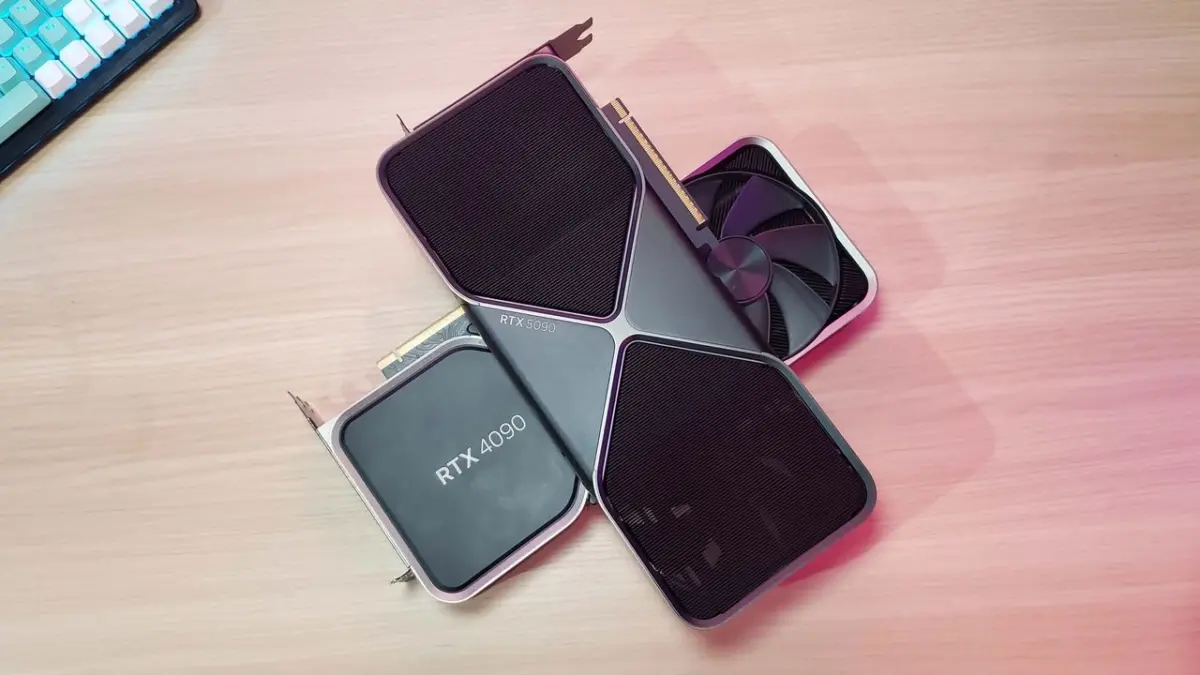
Executive Overview
For PC gaming enthusiasts, hardware nerds, and high-end creators, the launch of a new generation of graphics architecture is supposed to be a moment of unbridled optimism. The arrival of Nvidia’s flagship GeForce RTX 5090 promised to rewrite the rules of graphical fidelity, offering unprecedented performance powered by the Blackwell architecture and GDDR7 memory. Yet, what should have been a triumphant milestone for PC gaming has instead devolved into a modern hardware tragedy.
In a matter of weeks, the RTX 5090 has effectively vanished from major US and international retail shelves. Standard retail channels at traditional Manufacturer Suggested Retail Prices (MSRP)—starting at a hefty $1,999—are barren. In their place stands a dystopian aftermarket where third-party speculators and scalpers command astronomical sums, with listings frequently breaching the $6,000 to $9,500 threshold.
This article explores the anatomy of this disappearance. Beyond basic supply chain bottlenecks, a deeper structural shift is occurring: the insatiable demands of the artificial intelligence sector are swallowing up consumer-grade flagship silicon by the pallet. As AI startups and tech conglomerates snap up top-tier gaming cards for workstation-level machine learning workloads, everyday gamers are left out in the cold. We examine how soaring prices, shifting manufacturing priorities, and corporate AI investments have created the worst consumer GPU market in history.
Detailed Chronology: From Launch Hype to Retail Despair
The trajectory of the Nvidia GeForce RTX 5090 has been nothing short of a rollercoaster ride for prospective buyers. The hardware community initially approached the release with cautious optimism, acknowledging the steep $1,999 base price while recognizing the sheer magnitude of the generational performance leap. However, the dream of acquiring a card at MSRP proved to be remarkably short-lived.
The Swift Evaporation of Inventory
Within days of release, major US electronics retailers—including Best Buy, Amazon, and Newegg—saw their initial allocations wiped out instantly. Automated scraper bots, professional scalpers, and an overwhelming wave of consumer demand combined to drain stock within fractions of a second. What followed was a rapid acceleration of price inflation across secondary markets.
By mid-week, hardware tracking reports revealed a staggering shift. A Gigabyte Windforce RTX 5090, which had briefly hovered around $5,700 via online retailers, skyrocketed to an offensive $9,050 when routed through third-party marketplace resellers. Even more modest alternatives, such as the Asus TUF variant, became scarce, commanding up to $6,800 through secondary channels.
International Markets Feel the Strain
The crisis is not confined to the United States. International markets are suffering an identical, if not worse, fate. Hardware tracking in the United Kingdom revealed that tier-one components suppliers like Scan were listing models such as the Zotac RTX 5090 Solid OC White at nearly £3,940—double its intended UK retail baseline.
For the average consumer, the math became absurd. Tech commentators noted wryly that it was genuinely cheaper to book an international flight to tech conventions like PAX West or QuakeCon, queue up at vendor booths, and purchase an RTX 5090 in person than to buy one through standard digital storefronts. This tongue-in-cheek observation underscores a grim reality: the standard avenues for purchasing PC hardware have broken down entirely.
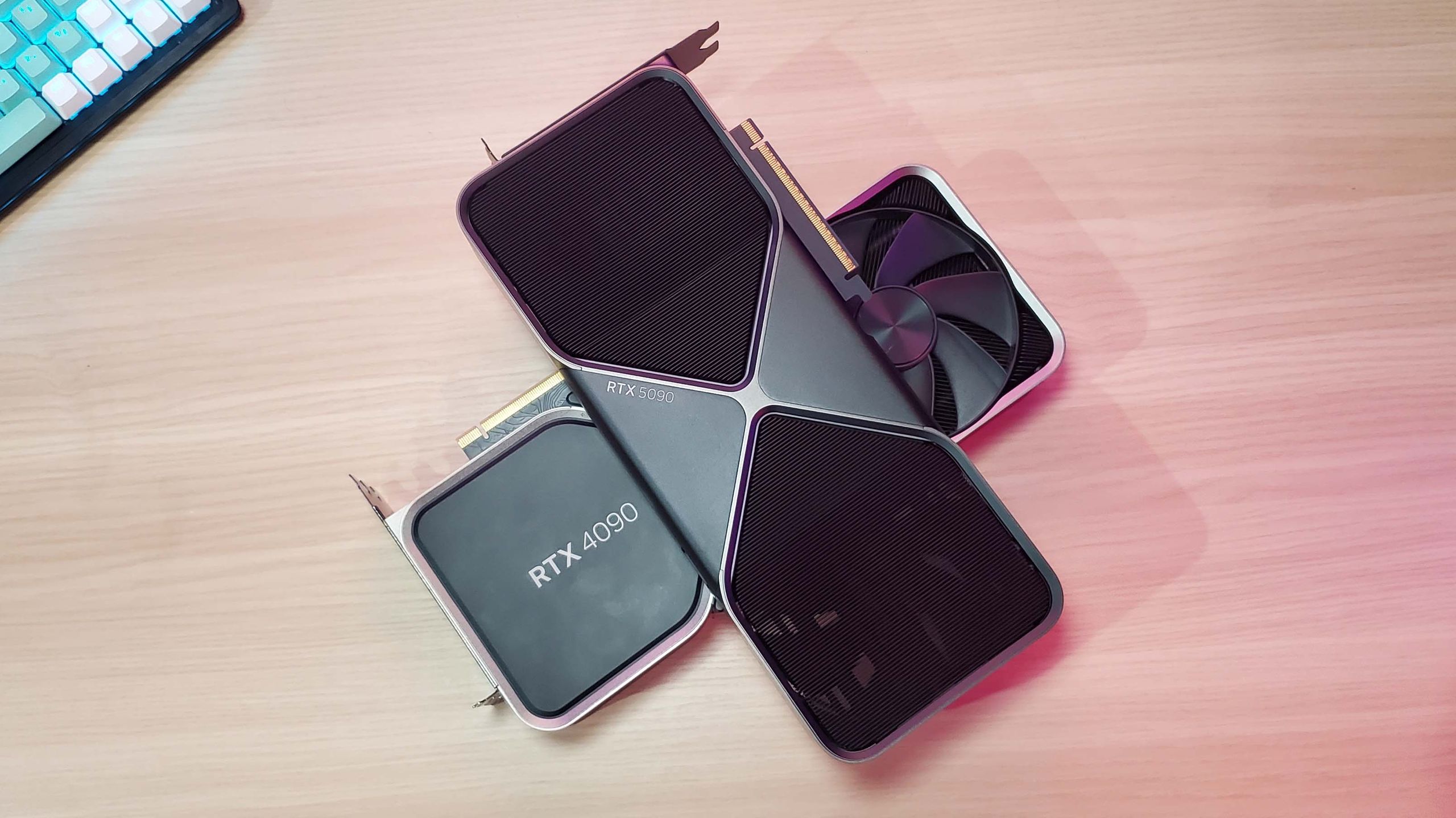
Supporting Context & Metrics: The Anatomy of a Broken Market
To understand how the RTX 5090 reached these dizzying valuations, one must examine the broader macroeconomic data governing the graphics card industry.
Defying Common Wisdom: Rising Prices vs. Surging Demand
Conventional economic theory suggests that when prices rise, demand falls. Yet, the graphics card market has repeatedly defied this wisdom. According to recent market intelligence reports from analyst firms like John Peddie Research, consumers and enterprise buyers have continued purchasing high-end graphics cards in massive quantities despite relentless price escalations. The industry recorded an astonishing 12.5 million graphics card shipments in a single recent quarter.
Nvidia continues to command an ironclad grip on the market, retaining roughly 90% of the total discrete GPU market share. This dominant position gives the company immense leverage over pricing, production allocation, and distribution priorities. However, this market dominance also means that when Nvidia shifts its manufacturing focus, the entire industry feels the shockwaves instantly.
| Metric / Indicator | Previous Baseline | Current Status | Market Impact |
|---|---|---|---|
| Official RTX 5090 MSRP | $1,999 / £1,939 | Sold Out Globally | Baseline unavailable to everyday consumers; purely nominal. |
| Reseller / Scalper Pricing | $2,000 – $3,000 | $5,700 – $9,500+ | Unprecedented 300%+ markup on flagship consumer hardware. |
| Global GPU Shipments | Variable | 12.5M (Last Qtr) | High volume driven by enterprise and high-end consumer demand. |
| Nvidia Market Share | ~80-85% | ~90% | Near-monopoly control over high-performance graphics architecture. |
Official Statements & Industry Realities: The AI Gold Rush
Where is all the stock going if everyday gamers cannot find it? The answer lies far outside the traditional domains of gaming rigs and esports tournaments.
The Generative AI Boom and Consumer Silicon
During recent technology showcases, Nvidia CEO Jensen Huang dropped staggering figures regarding the hardware scale required for modern generative AI development. For instance, 100,000 Nvidia GPUs were utilized to train OpenAI’s advanced model, GPT-6 Astra—with corporate roadmaps already outlining plans to quadruple that computational footprint in the near future.
While data center accelerators and RTX Pro 6000 workstation cards remain the primary instruments for massive enterprise AI clusters, a startling secondary trend has emerged. AI research firms, hedge funds, and deep-pocketed tech startups have increasingly turned to consumer-grade flagships like the RTX 5090. Armed with massive pools of venture capital, these entities are buying up consumer gaming GPUs by the pallet to assemble cost-effective, high-density machine learning server nodes.
Recent supply chain leaks—including warehouse pallet imagery published by industry outlets like HKEPC and VideoCardz—confirm that commercial buyers are acquiring consumer cards in bulk quantities directly from distribution channels, bypassing the retail ecosystem altogether.
Manufacturing Shifts: Gaming vs. Enterprise Workstations
Industry analysts point out that Nvidia may not necessarily be producing fewer total 4nm GB20x Blackwell chips at the wafer level. Instead, the core issue is an intentional reallocation of production lines.
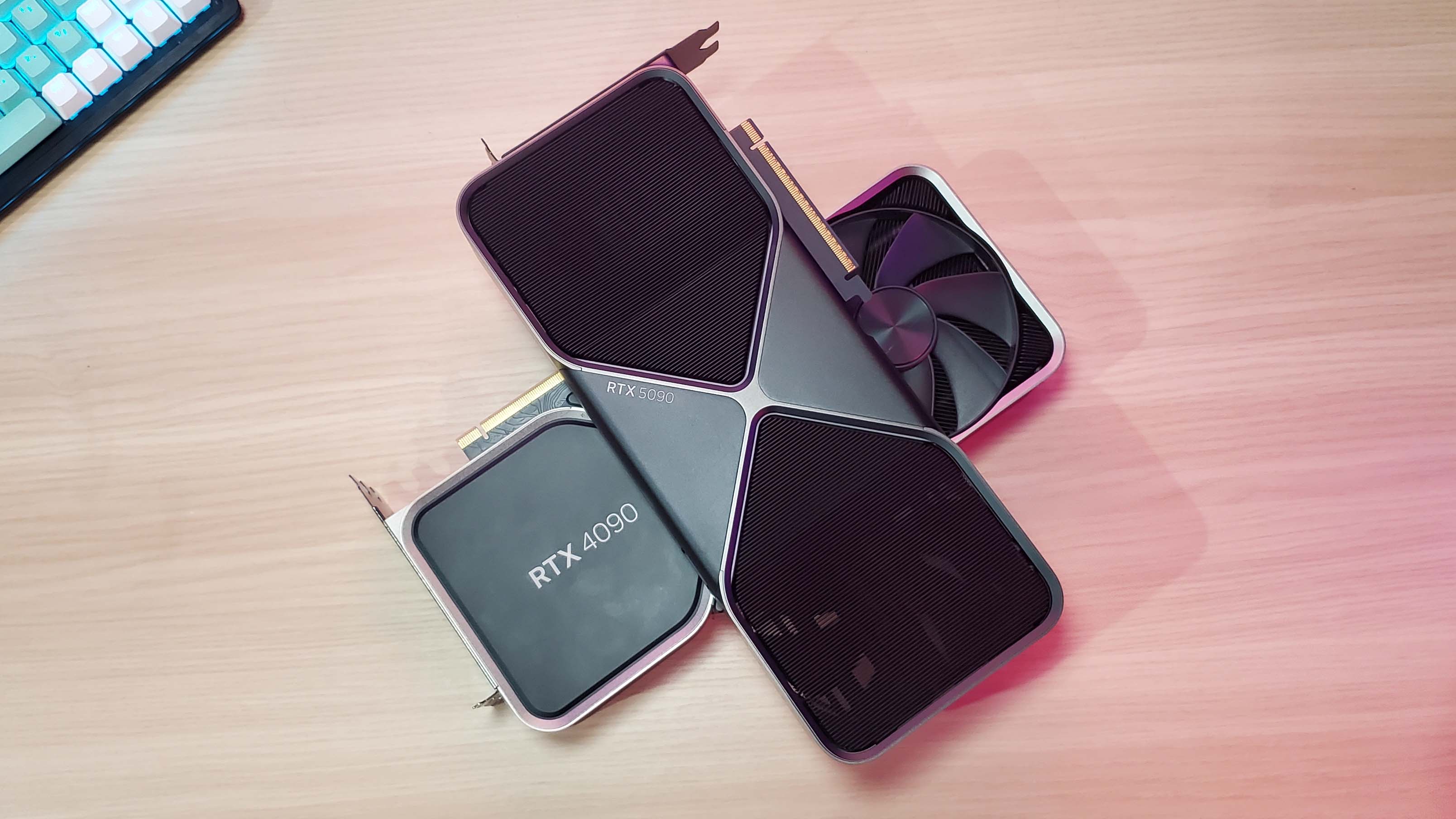
As demand for high-margin professional workstation products and enterprise AI solutions outpaces supply, Nvidia and its board partners are reportedly shifting a larger proportion of their advanced silicon output toward professional-grade sectors. Consequently, the volume of chips allocated to consumer-facing gaming GPUs—particularly ultra-high-end halo products like the RTX 5090—is severely constrained. This structural pivot leaves the consumer market starved of inventory, directly fueling the runaway prices observed at retail.
Future Outlook: What Lies Ahead for PC Gamers?
As the dust settles on the initial launch window of the Blackwell generation, the outlook for mainstream enthusiasts remains bleak.
Will Prices Stabilize?
Historical trends suggest that hyper-inflated launch prices eventually cool down as manufacturing yields stabilize and initial early-adopter hype fades. However, the current crisis is fundamentally different from past crypto-mining booms or pandemic-era supply chain crunches. The driving force today is corporate AI infrastructure demand—a sector with vastly deeper financial reserves than traditional PC gamers or even scalpers.
So long as training frontier AI models requires massive parallel processing power, and consumer-grade cards offer a cost-effective alternative to enterprise accelerators, high-end GeForce cards will remain a prime target for enterprise acquisition.
Recommendations for Prospective Buyers
For gamers and creators desperately seeking an upgrade, industry analysts recommend exercising extreme patience:
- Avoid the Scalper Market: Buying an RTX 5090 at $7,000 to $9,500 validates predatory pricing models and rewards opportunistic third-party resellers.
- Monitor Restock Trackers: Utilize dedicated community stock alerts and price-watch tools to catch authentic retail drops at or near MSRP.
- Consider Alternative Tiers: If budget allows for compromises, look toward lower-tier Blackwell or previous-generation cards that offer superior price-to-performance ratios without the severe supply deficits of the flagship tier.
Ultimately, the disappearance of the RTX 5090 serves as a watershed moment for the PC hardware landscape. It highlights a future where the boundaries between consumer gaming hardware and enterprise artificial intelligence infrastructure are rapidly dissolving—leaving the everyday gamer to navigate an increasingly expensive and exclusionary digital frontier.








Belum ada komentar. Jadilah yang pertama berkomentar!