


Executive Overview
In a cinematic landscape perpetually saturated with cape-and-cowl iterations, Warner Bros. and DC Studios attempted a high-stakes pivot toward genre-bending supervillain character studies. Enter Clayface (2026), directed by James Watkins and scripted alongside filmmaker Mike Flanagan. Promoted as a gritty, boundary-pushing body-horror exploration of one of Batman’s most tragic rogues, the film tracking Hollywood’s backstabbing underbelly sought to blend psychological terror with comic book mythology.
Instead, following its early critical reviews embargo, the feature has emerged as a frustratingly inert cinematic experiment. Starring Tom Rhys Harries as the ill-fated rising star Matt Hagen and Naomi Ackie as the morally compromised scientist Caitlyn Corr, Clayface attempts to trade blockbuster spectacle for intimate, Cronenbergian dread. However, due to tonal timidity, a confounding narrative framing device, and a startling lack of visceral conviction, the film ultimately collapses under the weight of its own ambitions. Rather than forging a bold new path for DC’s cinematic universe, Clayface slides across the screen and evaporates, leaving critics and audiences questioning the strategic direction of DC’s darker cinematic expansions.
Detailed Chronology: From Stardom to Sludge
The narrative arc of Clayface traces a steep, highly convoluted descent from Hollywood luxury into monstrous retribution.
Act I: The Fall of Matt Hagen
The film establishes its fictionalized, hyper-stylized corner of the Gotham acting circuit early on. Matt Hagen (Tom Rhys Harries) is introduced as a celebrated, Oscar-nominated actor whose on-screen prestige seemingly outshines his off-screen charisma. Despite his rising star power—demonstrated when a sycophantic friend encourages him to bypass a club line using his celebrity status—Hagen’s life unravels in a single night of poor judgment.

After choosing to party with a woman secretly tethered to a ruthless Gotham mob boss with deep political and law enforcement connections, Hagen becomes a scapegoat. When the syndicate’s operations are compromised, the mobster and his cronies viciously carve up Hagen’s face, effectively obliterating his physical appearance and halting his career. Compounding the physical trauma, the woman at the center of the incident, backed by powerful political protection, publicly claims Hagen drugged her. This narrative choice—casting the protagonist as a direct victim of a falsified criminal allegation—instantly anchors the character in a bizarre, culturally tone-deaf grievance that the script fails to handle with the requisite psychological depth or nuance.
Act II: Nanotechnology and Body Horror
Desperate to reclaim his identity and enact vengeance on the industry elites and mobsters who discarded him, Hagen tracks down Caitlyn Corr (Naomi Ackie), an unconventional, underfunded scientist pioneering advanced nanotechnology. Initially reluctant to test her experimental procedures on a human subject, Corr quickly concedes, driven by her own professional desperation.
The procedure miraculously restores Hagen’s facial structure, but it introduces a severe, grotesque caveat: extreme emotional spikes, particularly stress or anger, cause his skin to liquefy into an unstable sludge. As Hagen navigates his renewed career opportunities and seeks out those who betrayed him, he simultaneously falls for Corr—who is engaged to Gotham police investigator John Borelli (Max Minghella). Borelli soon finds himself tracking a string of mysterious disappearances and murders linked directly to Hagen’s bloody quest for retribution.
Act III: The Descent into Inertia
As Hagen discovers he can morph his physical form and assume the identities of those he encounters or envies, the film gestures toward a satirical critique of the transactional nature of Hollywood fame. Yet, these thematic beats remain frustratingly shallow. Hagen morphs from a sympathetic victim of violence into an uncomfortably whiny, aggrieved romantic reject, drawing frequent, unfavorable thematic comparisons to modern incel archetypes.
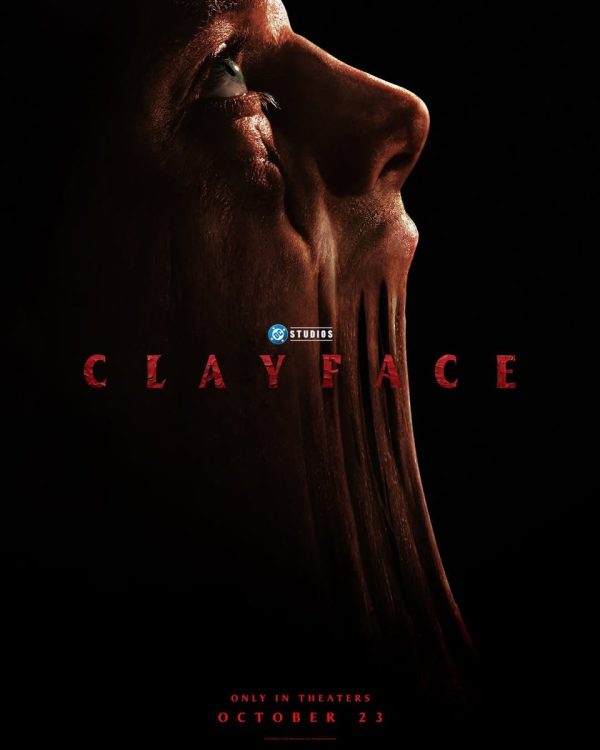
The film’s climax delivers a final, unearned mind-bender that fails to retroactively justify the preceding ninety minutes of lethargic pacing. The project concludes not with a triumphant reinvention of the supervillain genre, but with a whimper, cementing its place as a missed opportunity within the wider DC slate.
Supporting Context & Metrics
To understand the cultural and industrial positioning of Clayface, one must examine the creative pedigree attached to the production and the broader reception patterns facing DC’s alternative character adaptations.
Production Lineage and Creative Team
- Director: James Watkins, best known for his work on The Woman in Black and the psychological thriller remake Speak No Evil, helmed the project. Watkins’ stylistic history—often reliant on atmospheric tension rather than explicit gore—heavily dictated the film’s surprisingly timid approach to body horror.
- Screenplay: Co-developed with horror heavyweight Mike Flanagan (noted for The Haunting of Hill House and his controversial take on Stephen King’s Carrie), the script was anticipated to deliver deep psychological trauma. However, critics note that Flanagan’s signature emotional resonance is largely drowned out by unconvincing plot mechanics.
- Ensemble Cast: Alongside Harries and Ackie, the expansive cast features Eddie Marsan, Max Minghella, David Dencik, Francesca Corney, Ruby Sear, Wil Coban, Joshua James, Jake Curran, Nancy Carroll, Olivia-Mai Barrett, Sonita Henry, Adam Silver, Rob Brydon, Joana Ribeiro, and Emily Florence. Despite this deep bench of talent, Naomi Ackie’s portrayal of Caitlyn Corr is widely singled out as the sole performance expressing genuine inner and ethical conflict.
Critical Reception Metrics
Early reviews paint a stark picture of audience disconnect:
- Flickering Myth Rating: The outlet awarded the film a meager two out of five stars for both Film and Movie categories.
- Genre Execution Deficit: Despite boasting a distinct visual identity that separates it from standard superhero fare, the film consistently pulls its punches. Surgical and transformative body-horror sequences cut away just as they threaten to become genuinely graphic or disturbing.
- Pacing and Logic Gaps: Reviewers have heavily criticized the internal logic of the nanotechnology curse. Fundamental questions—such as whether routine inconveniences like Gotham City traffic jams or minor annoyances trigger structural skin-slippage—are left entirely unexplored, draining the narrative of genuine stakes or thrills.
Official Statements & Industry Reactions
As the embargo lifted on Wednesday, October 21 at 11:00 am CST, industry analysts and trade publications began assessing the broader ramifications of Clayface for Warner Bros. Discovery’s ongoing comic book strategy.

Industry insiders note that DC Studios has placed significant capital into expanding its intellectual property footprint beyond traditional blue-sky superhero narratives, leaning into grounded, R-rated crime and horror sub-genres following the commercial success of features like Todd Phillips’ Joker and Matt Reeves’ The Batman.
However, early trade commentary highlights growing studio anxiety regarding audience fatigue toward cynical, overly self-serious character studies. While executives initially championed Clayface as a gritty, auteur-driven exercise in villainous psychology, the critical consensus suggests that sacrificing genre conventions (such as actual scares, visceral body horror, and sharp thematic satire) in favor of convoluted melodrama may alienate both mainstream superhero fans and hardcore horror enthusiasts alike.
Warner Bros. has yet to issue a formal press statement addressing the early critical reception, but box-office tracking models indicate that word-of-mouth will play a decisive role in determining whether this experimental side-story can recoup its production expenditures.
Future Outlook
The release of Clayface serves as a critical inflection point for the stewardship of DC’s cinematic properties. As studio leadership continually recalibrates its cinematic universe to balance auteur visions with audience accessibility, the commercial and critical trajectory of this film will likely dictate how aggressively the studio greenlights non-traditional villain spotlights moving forward.

The core takeaway for industry observers is clear: shifting focus from heroes to villains requires more than just a surface-level coat of dark aesthetic paint and a tragic backstory. It demands rigorous script development, coherent internal world-building, and an unwavering commitment to the genre tropes it seeks to inhabit. If future iterations fail to resolve these foundational storytelling deficits, the prospect of building a cohesive, critically revered cinematic universe may slip away as rapidly as the melting visage of Matt Hagen.
Reviews Embargo Lifted: Wednesday, October 21 at 11:00 am CST.








Belum ada komentar. Jadilah yang pertama berkomentar!