

Executive Overview
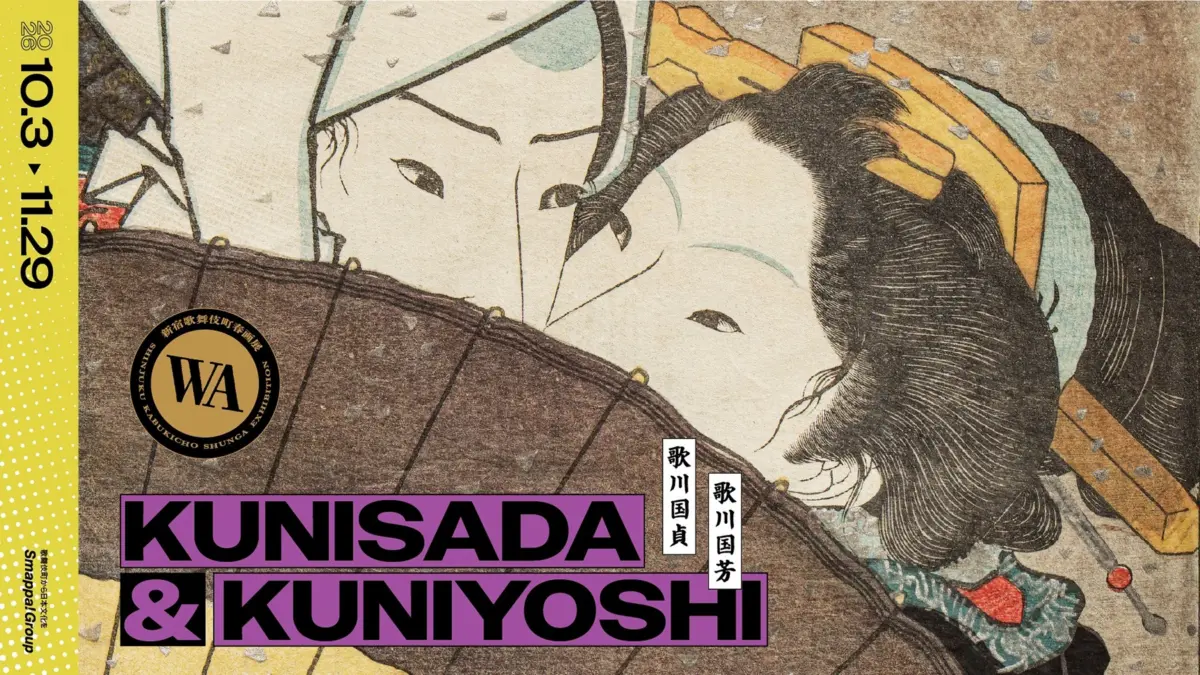
In a bold cultural convergence that bridges centuries of traditional Japanese aesthetics with contemporary urban reality, the Smappa!Group has launched a landmark exhibition titled "WA" (和). Opening on October 3, 2026, in Tokyo, the exhibition serves as a profound exploration of shunga—the explicit erotic art of the Edo period (1603–1867).
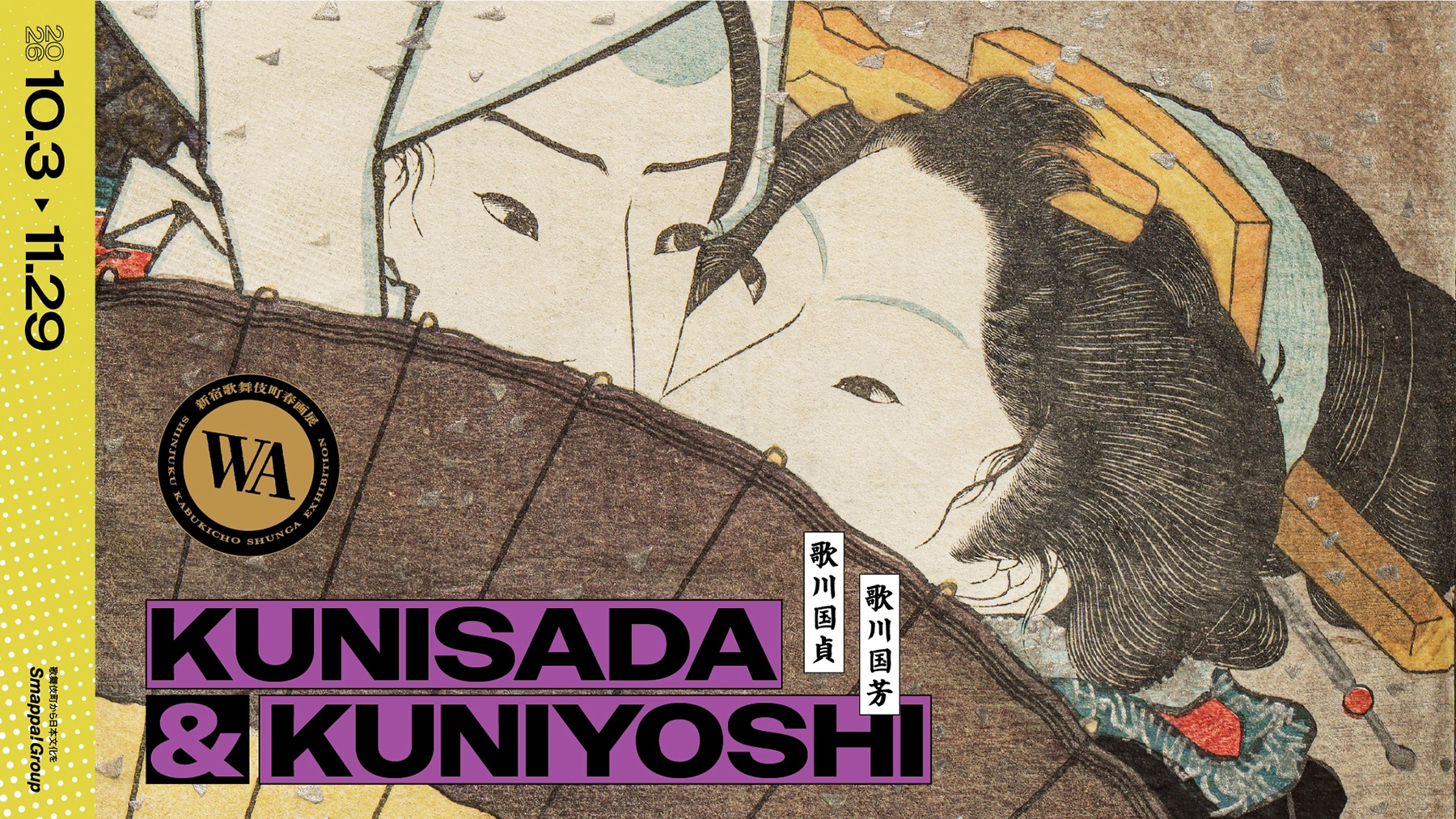
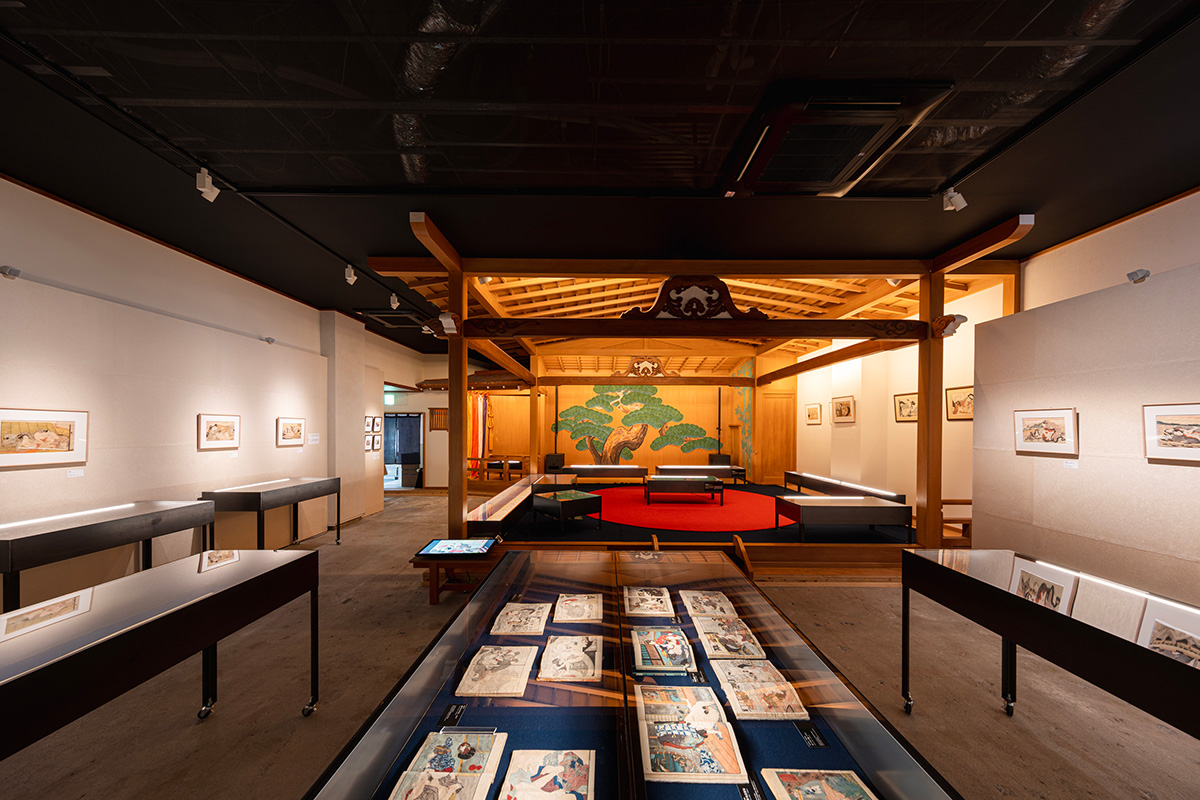
Far from being merely a historical curiosity, shunga is presented here as a vibrant, sophisticated precursor to modern visual culture, sexuality, and individual expression. Located in the heart of Tokyo’s dynamic Shinjuku ward, the exhibition features an extensive collection of over 100 rare works, including seminal woodblock prints (ukiyo-e) by celebrated masters such as Katsushika Hokusai, Kitagawa Utamaro, and Utagawa Kunisada.
This comprehensive report examines the core themes of the "WA" exhibition, its placement within modern sociological discourse, the institutional framework provided by the Smappa!Group, and the broader cultural implications of reintroducing shunga into the contemporary public consciousness.
Detailed Chronology and Artistic Framework of the Exhibition
The "WA" exhibition is meticulously curated to guide visitors through the evolution of shunga across the Edo period, a time of profound peace, economic growth, and flourishing urban culture under the Tokugawa shogunate. The chronological span of the exhibits covers key artistic movements from the early 19th century up to the closing decades of the feudal era.
1. The Golden Age of Ukiyo-e Masters
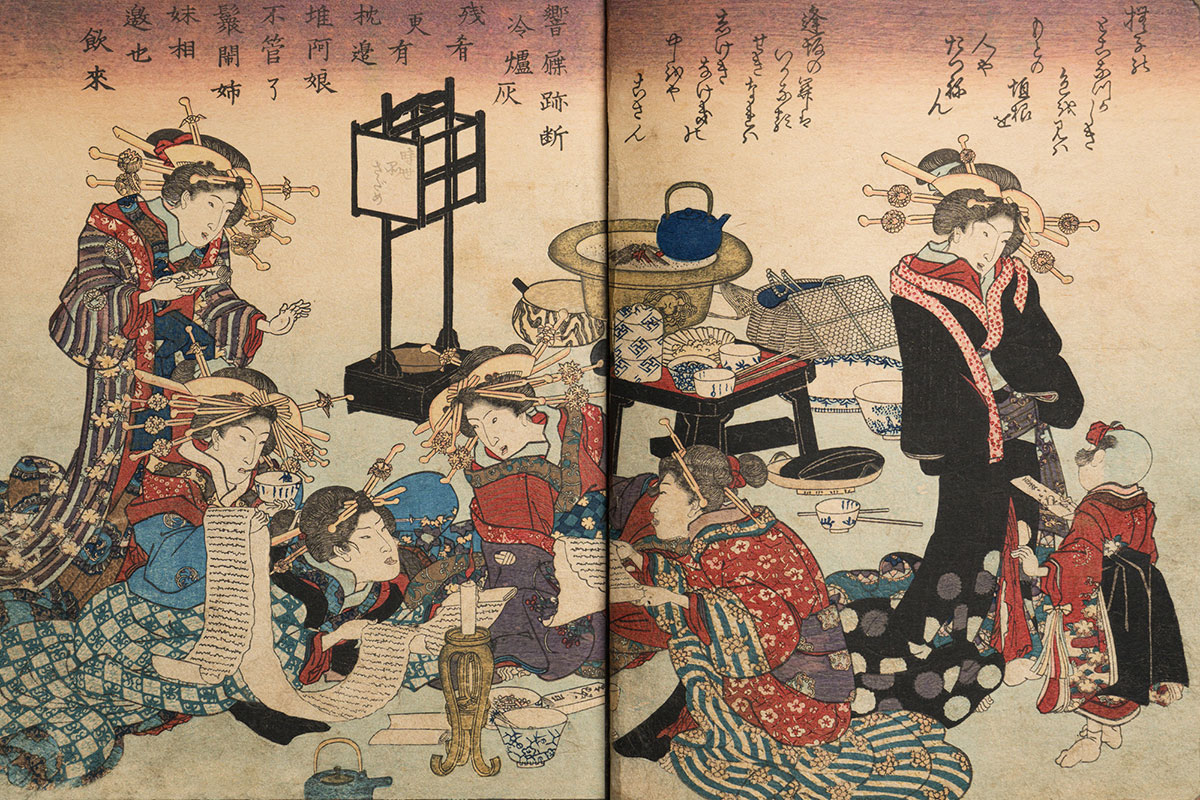
The core of the exhibition highlights the extraordinary technical skill and imaginative breadth of Edo-period printmakers. Visitors are greeted by works created during the Bunsei and Tenpō eras (the 1830s to 1850s), a period when urban commoners (chōnin) in Edo (modern-day Tokyo) developed a voracious appetite for popular culture, literature, and visual arts.
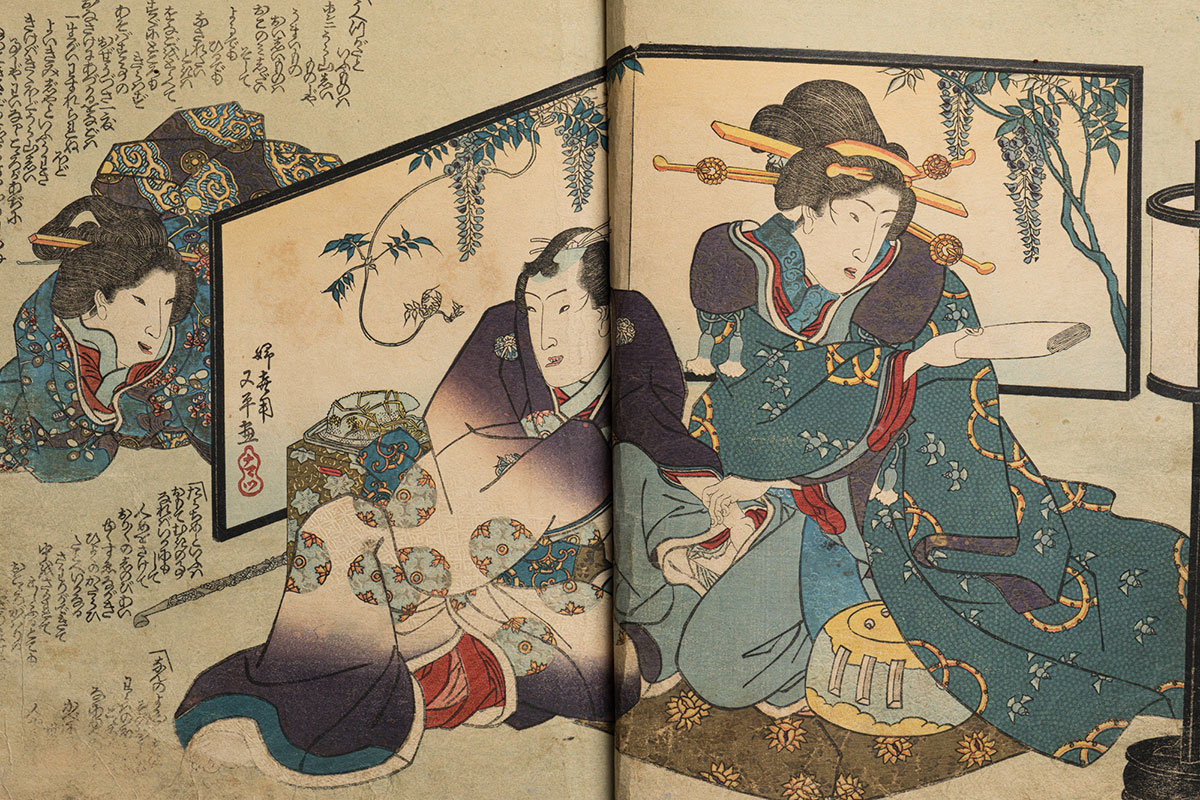
- Katsushika Hokusai (1760–1849): Best known globally for The Great Wave off Kanagawa, Hokusai’s contributions to shunga demonstrate the same peerless command of line, dynamic composition, and narrative depth found in his landscape series. The exhibition features rare impressions from his erotic series, showcasing his ability to blend natural forms with human intimacy.
- Kitagawa Utamaro (c. 1753–1806): Renowned as a master of bijinga (pictures of beautiful women), Utamaro’s shunga works elevate the genre through hyper-expressive facial features, delicate linework, and an acute sensitivity to psychological interaction between partners.
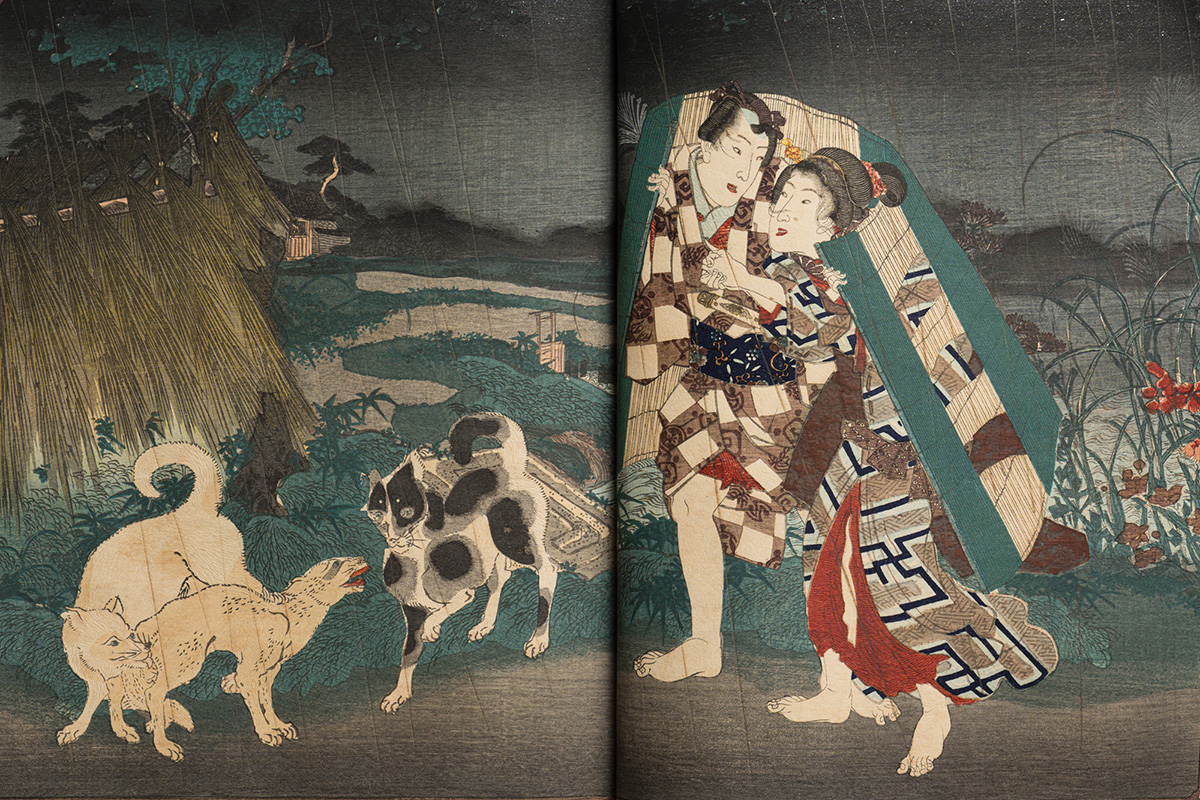
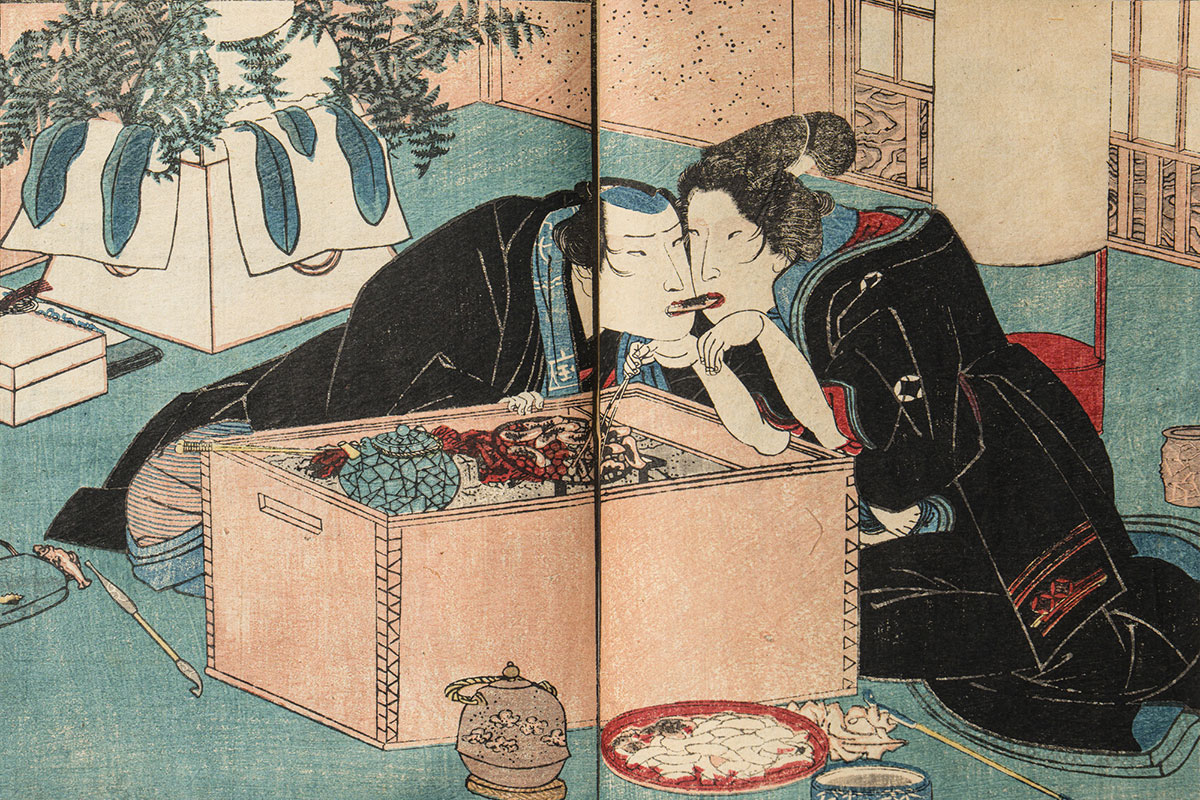
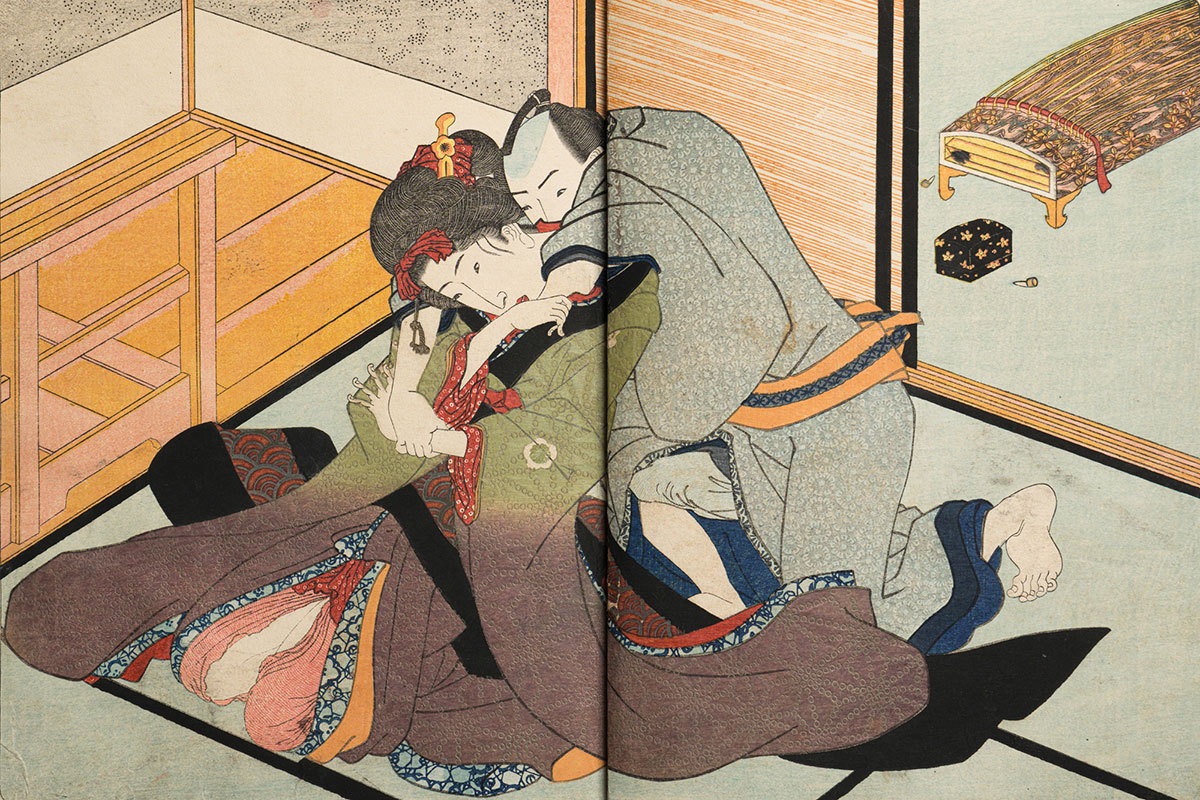
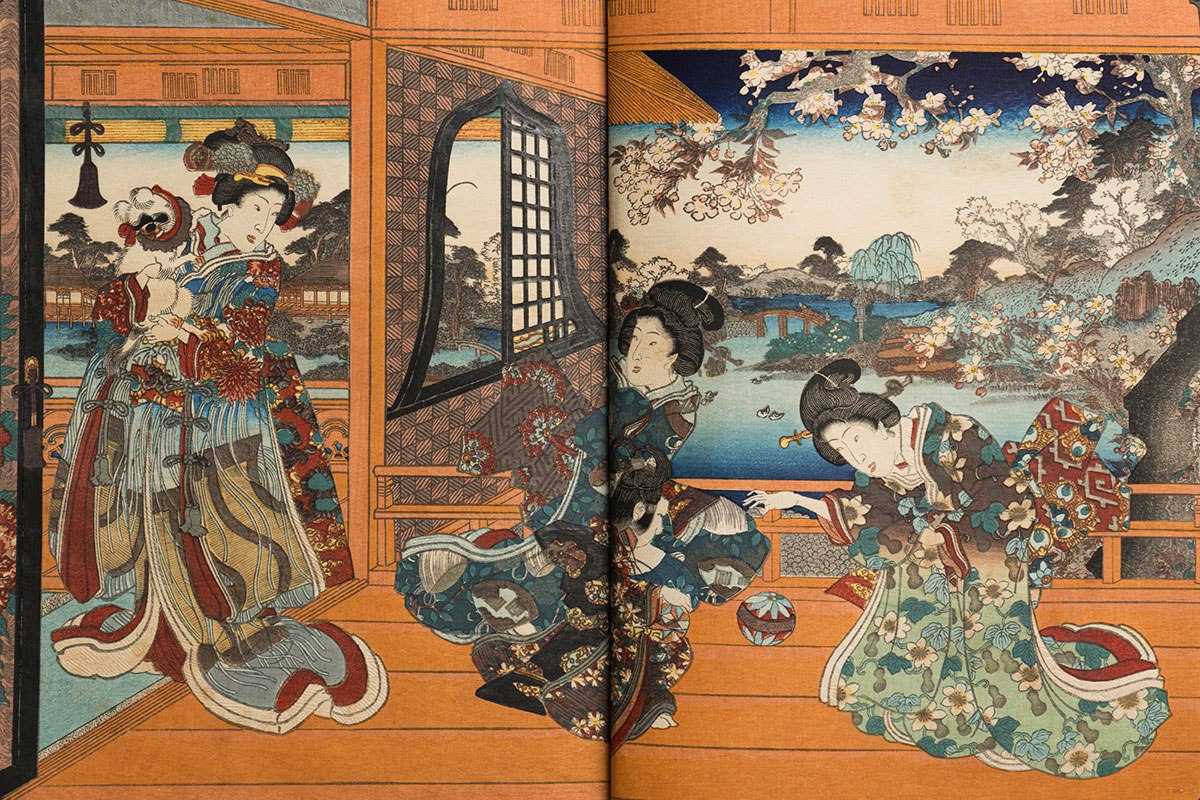
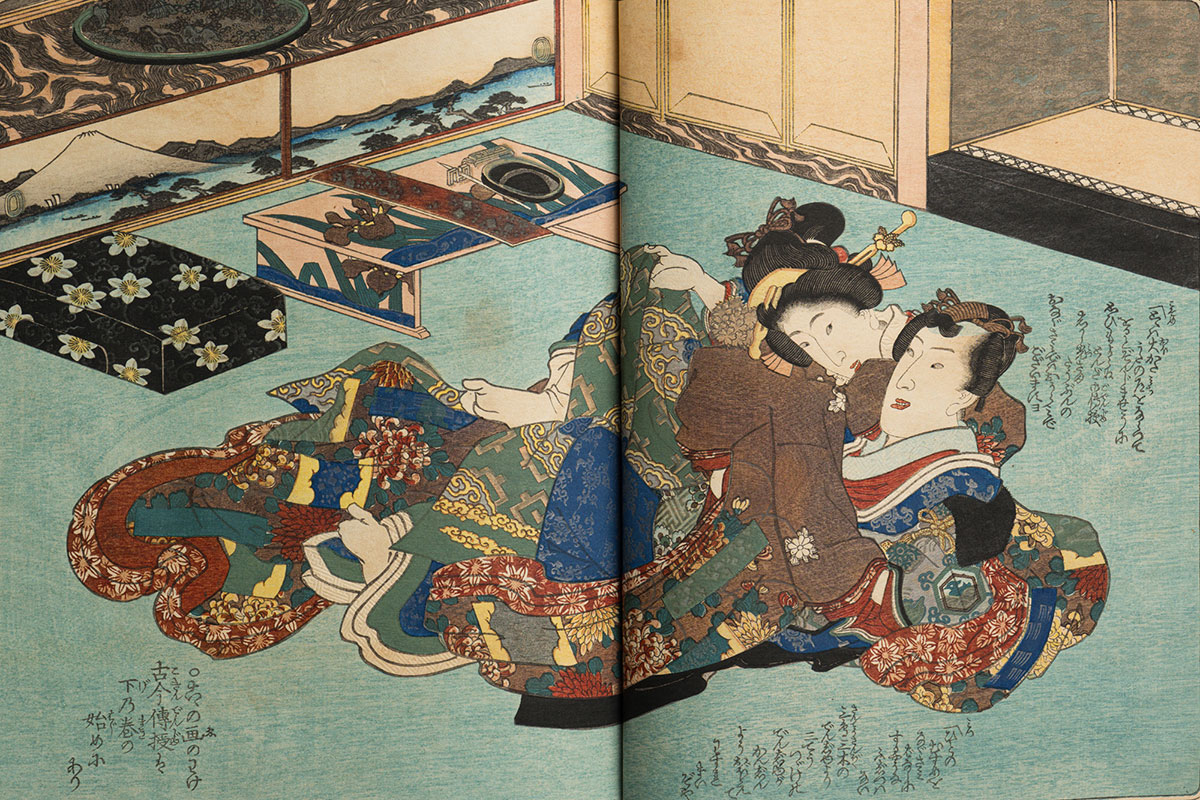
- Utagawa Kunisada (1786–1865): As one of the most prolific and commercially successful printmakers of the 19th century, Kunisada’s contributions capture the theatricality and vibrant fashion of the urban pleasure quarters (Yoshiwara). His prints often feature intricate interior settings, richly patterned textiles, and playful visual metaphors.
2. Chronological Progression of Displayed Works
The exhibition layout is structured chronologically, allowing viewers to trace the stylistic shifts in shunga production:
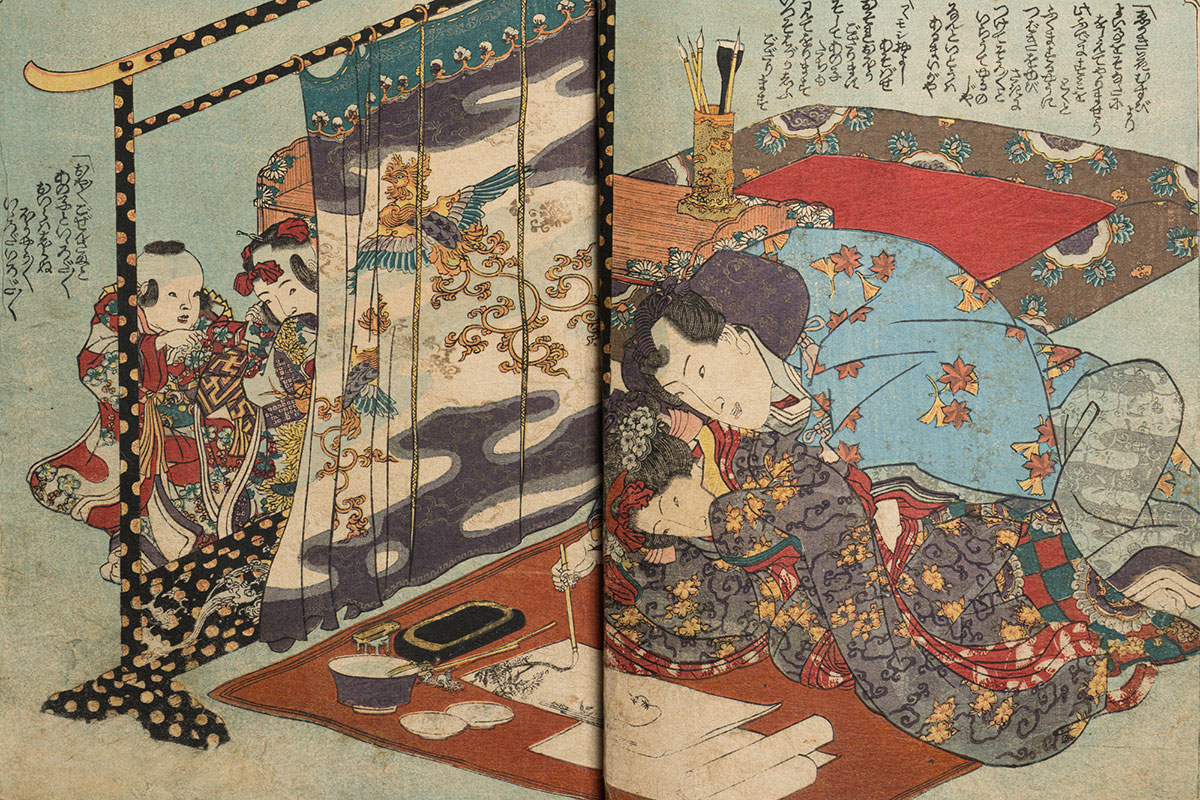
- Early 19th Century (Bunka/Bunsei Eras): Emphasizing idealized physical beauty, soft color palettes, and intricate domestic settings.
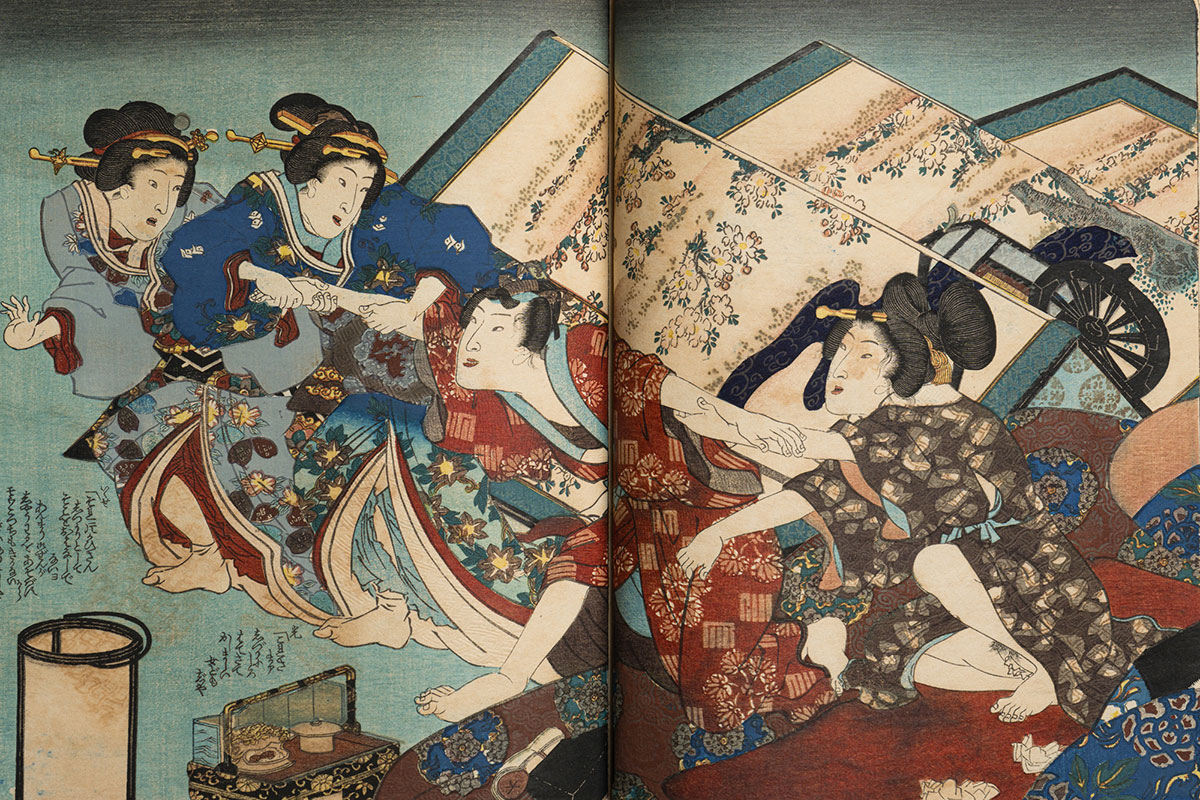
- Mid-19th Century (Tenpō Era and Beyond): Reflecting the shifting social pressures of sumptuary laws and reforms, artists employed heightened wit, satirical undertones, and increasingly elaborate artistic techniques to bypass censorship while delivering deeply expressive narratives.
Supporting Context & Metrics: The Cultural and Sociological Significance of Shunga
To fully grasp the weight of the "WA" exhibition, one must understand the historical and sociological status of shunga ("spring pictures") in pre-modern Japan. Far from being marginalized or viewed with moral panic, erotic art during the Edo period was widely consumed across all social strata—from samurai elites and wealthy merchants to urban artisans.
A Universal Art Form in Feudal Japan
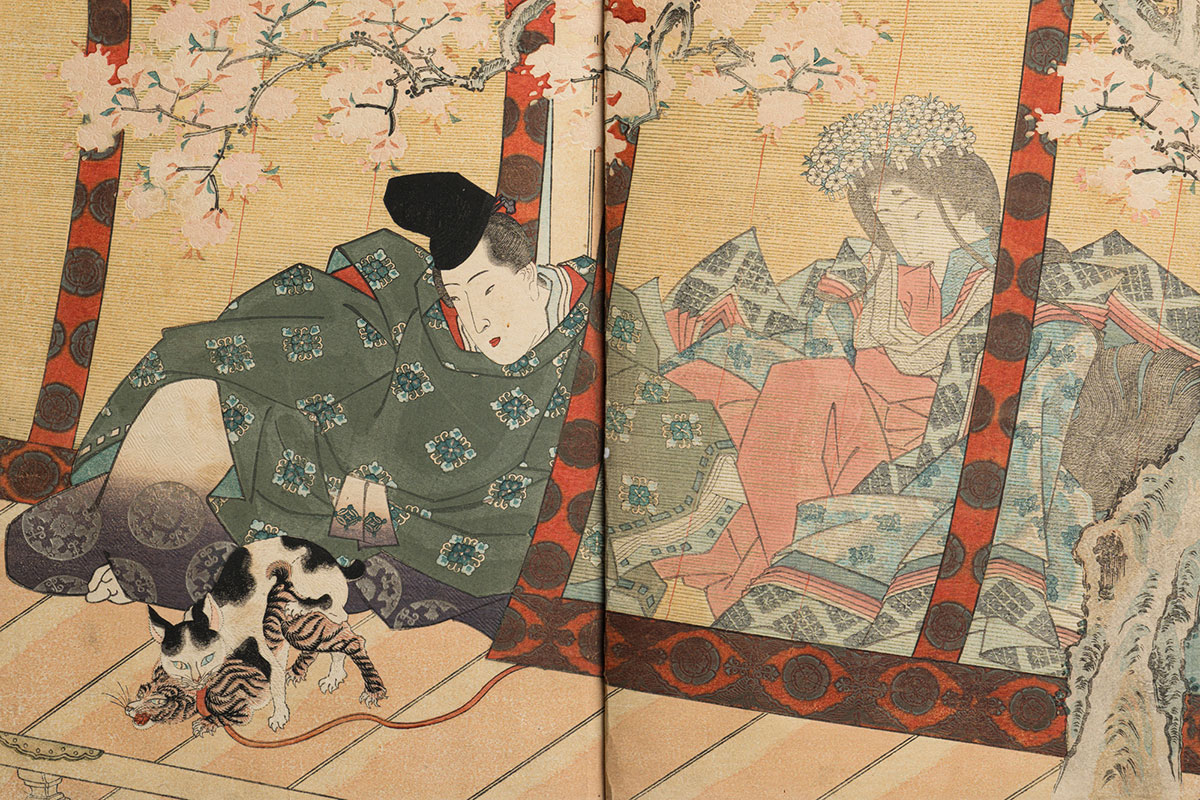
Historical records indicate that shunga was produced in vast quantities. It is estimated that a significant percentage of all ukiyo-e production during certain decades involved erotic themes. Rather than being hidden away in clandestine collections, these books (shunga-bon) and sheet prints were viewed as standard components of a well-rounded cultural education, wedding gifts for newlyweds to ensure marital harmony, and even protective talismans against misfortune for travelers and samurai.
The Modern Re-Evaluation
In the 20th and early 21st centuries, shunga faced severe institutional censorship, driven in part by the wholesale adoption of Western Victorian moral codes during the Meiji Restoration and post-World War II obscenity laws. For decades, major international and domestic museums hesitated to exhibit these works openly, fearing legal repercussions or social backlash.
The Smappa!Group’s "WA" exhibition directly challenges this lingering taboo. By presenting shunga not as pornography, but as a high art form characterized by humor, technical mastery, and an unabashed celebration of human anatomy, the exhibition contributes to a broader global reassessment of Japanese erotic art—echoing major international museum retrospectives held in London and Tokyo over the past decade.
Official Statements and Curatorial Vision
The Smappa!Group, known for its multifaceted cultural and entrepreneurial initiatives in Shinjuku’s Kabukicho district, has positioned the "WA" exhibition as a signature cultural statement for its fourth major historical art project.
The Philosophy Behind "WA" (和)
The title "WA" carries multiple layers of meaning in Japanese:
- Harmony (和): Represented through the balanced interplay of bodies, emotions, and artistic composition.
- Japaneseness (和): Highlighting the unique domestic aesthetic evolution that occurred in relative isolation during the Edo period.
- Inclusivity and Connection: Bridging historical artistic expression with contemporary conversations surrounding bodily autonomy, gender, and personal expression.
Curatorial Leadership and Collaboration
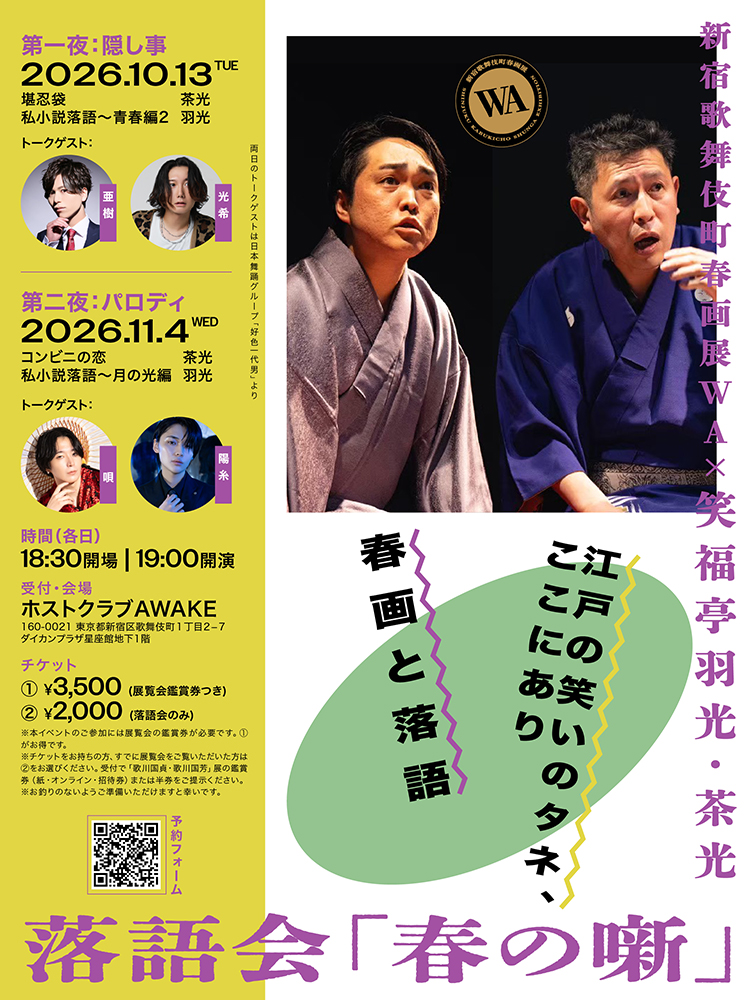
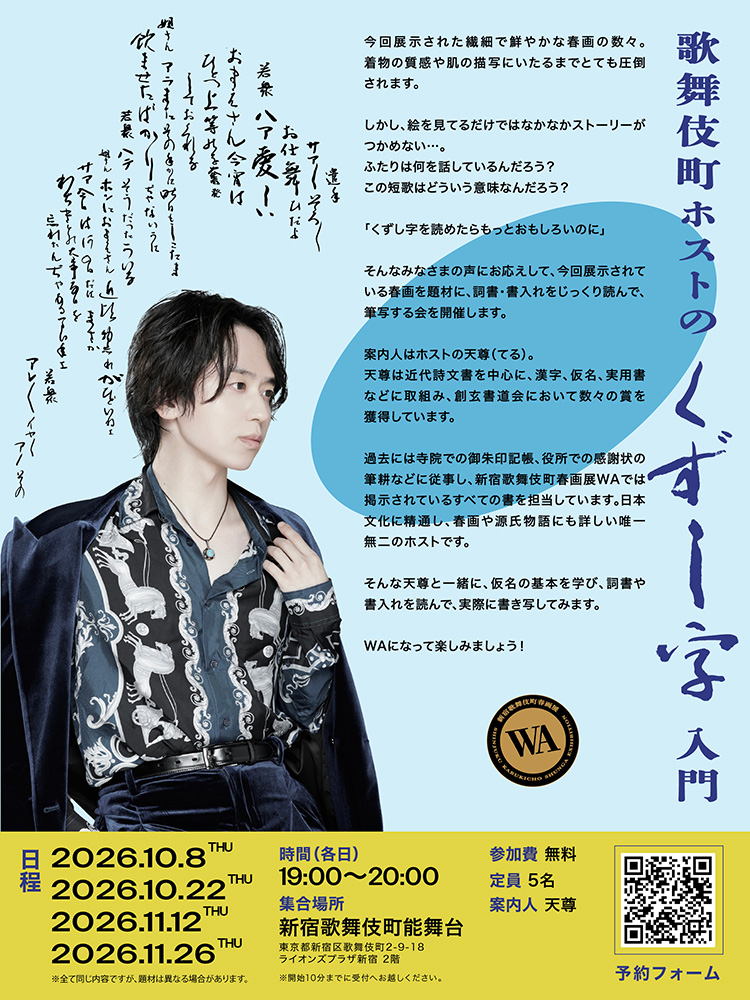
The exhibition has been developed in close collaboration with leading contemporary art figures, notably Chim↑Pom from Smappa!Group, an artist collective celebrated for their socially engaged, provocative interventions in urban spaces. Their involvement ensures that the historical materials are not viewed through a dry, academic lens, but are instead placed in active dialogue with contemporary artistic sensibilities.

In official statements released by the organizing committee, representatives emphasized that shunga represents a high point of human creativity where artistic freedom, technical brilliance, and psychological insight converged. The curators note that viewing these works allows modern audiences to reconnect with a historical lineage of bodily positivity and artistic audacity that predates modern regulatory constraints.
Future Outlook: Impact on Tokyo’s Cultural Landscape
The launch of "WA" in October 2026 marks a pivotal moment for Shinjuku’s cultural tourism and the broader appreciation of Japanese art history.
Educational Outreach and Accessibility
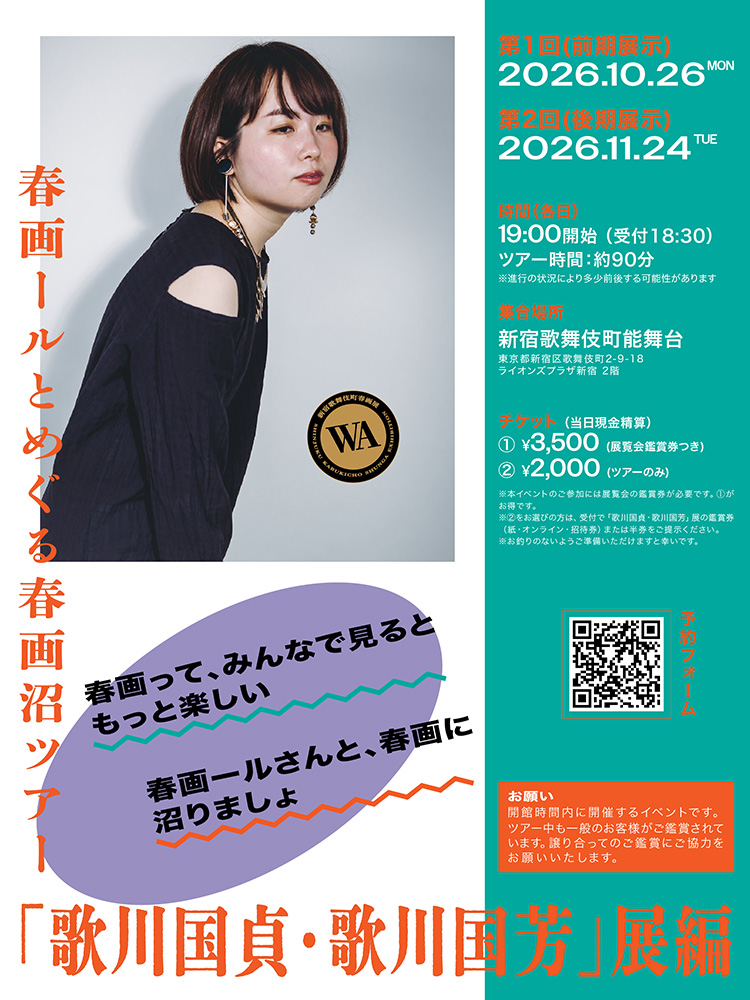
Operating out of the Kabukicho area—traditionally known as Tokyo’s premier entertainment district—the exhibition deliberately places high art within an accessible, urban context. Strict age verification policies (strictly prohibiting admission to individuals under 18) are enforced at the venue, supported by comprehensive guidance materials designed to educate visitors on the historical, social, and aesthetic dimensions of the works on display.
Redefining Urban Entertainment Districts
By hosting an exhibition of this caliber, the Smappa!Group continues to redefine the cultural identity of Kabukicho, transforming the district into a hub where nightlife, high culture, and historical scholarship intersect. Industry observers anticipate that "WA" will draw significant international and domestic art enthusiasts, scholars of Japanese studies, and curious travelers alike.
As museums and cultural institutions worldwide continue to dismantle archaic taboos surrounding historical erotica, exhibitions like "WA" serve as a vital blueprint for how societies can critically and respectfully engage with their artistic heritage. Through its meticulous curation, uncompromising scholarly framework, and bold contemporary framing, the Smappa!Group’s "WA" exhibition ensures that the vibrant, witty, and masterfully crafted world of shunga continues to inspire and provoke audiences for generations to come.




Belum ada komentar. Jadilah yang pertama berkomentar!