

Executive Overview
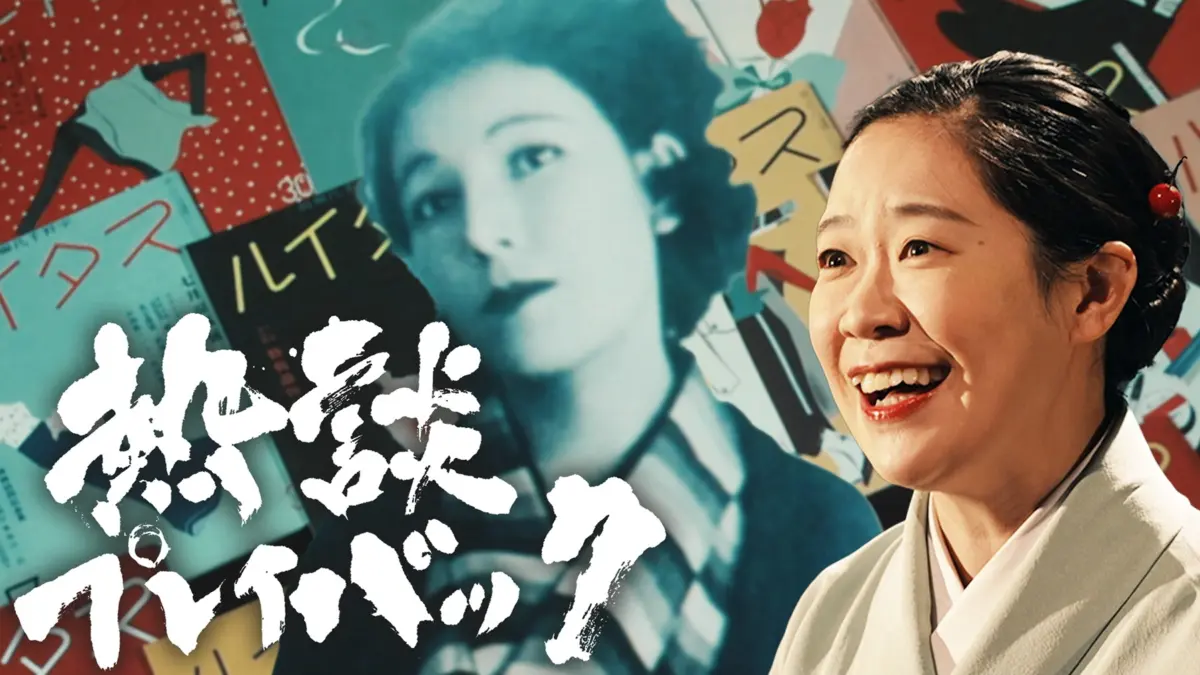
The cultural footprint of biographical television dramas in Japan cannot be overstated, particularly those produced by NHK that capture the indomitable spirit of pioneering historical figures. In the wake of intense public interest surrounding the morning television drama series Blossom (originally Brassaamu), NHK’s acclaimed documentary program Netsu-Tetsu Playback has turned its analytical lens toward the real-life inspiration of the show’s protagonist: the legendary model, writer, and cultural icon Uno Chiyo.
Scheduled for broadcast on September 22, 2026, at 6:05 PM, this special feature promises to untangle the mythos surrounding a woman who defied the rigid social constraints of Taisho and Showa-era Japan. Uno Chiyo’s life was not merely one of artistic creation; it was a sprawling, fiercely independent manifesto of survival, reinvention, and unyielding autonomy. Through a deeply researched investigation drawing upon historical archives, rare footage, and expert commentary, the upcoming broadcast examines how Chiyo carved out a space for female independence in a society explicitly structured to suppress it.
This article provides an exhaustive look into Uno Chiyo’s tempestuous life, the socio-historical backdrop of her achievements, the structural makeup of the NHK special, and the enduring legacy she leaves behind for modern generations navigating the complexities of artistic and personal freedom.
Detailed Chronology: A Life Defying Convention
To understand the cultural magnitude of Uno Chiyo, one must retrace a trajectory that spanned nearly a century of profound societal upheaval in Japan. Born in Yamaguchi Prefecture in 1897, Chiyo’s early life was marked by the shifting tides of the Meiji modernization period, a time when traditional gender roles were being aggressively re-evaluated, yet stubbornly enforced by institutional patriarchies.
Early Rebellions and the Literary Awakening
Chiyo’s path to literary and cultural prominence was unconventional from its inception. Rejecting the expected trajectory of provincial domesticity, she plunged headfirst into the Taisho bohemian subculture—a vibrant, transient ecosystem of artists, writers, and political radicals who flourished in the urban centers of Tokyo.
Her entry into the literary world was characterized by a raw, unapologetic voice that dismantled conventional depictions of romantic relationships. Unlike many of her female contemporaries who wrote within the confines of domestic fiction, Chiyo treated love, heartbreak, and abandonment not as moral tragedies, but as transactions of the human spirit to be analyzed, embraced, and ultimately survived. Her relationships with prominent artists and intellectuals of the era were frequently fodder for public scandal, yet Chiyo weaponized this notoriety, transforming personal turbulence into creative fuel.
The Wartime Resilience and Post-War Renaissance
As Japan descended into the militarism of the Shōwa era and subsequently faced the devastation of World War II, Chiyo’s resilience was tested to its absolute limits. While countless writers succumbed to state censorship or the sheer physical privations of wartime life, Chiyo maintained her literary output through sheer force of will.
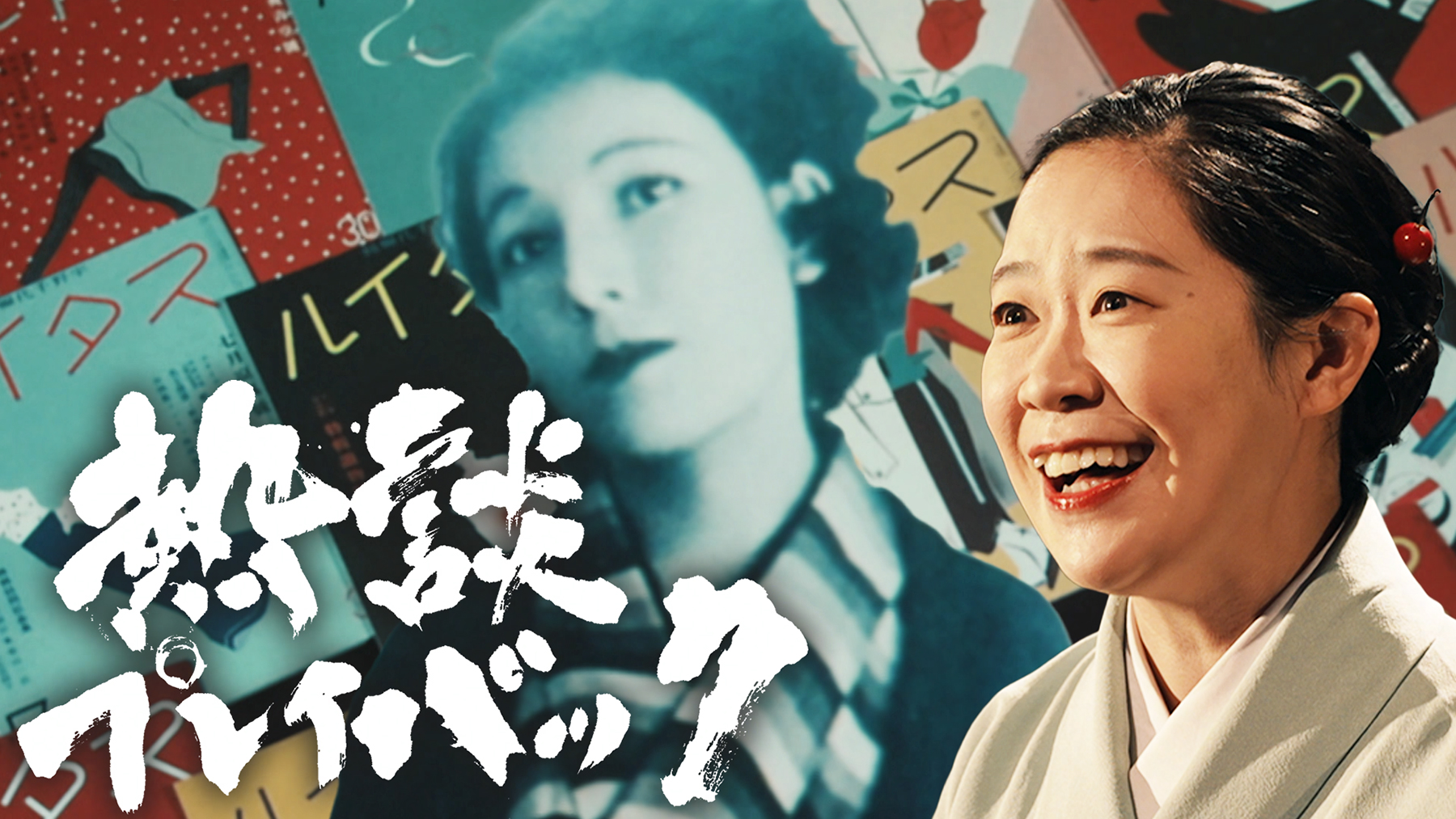
The post-war period marked a renaissance for her career. In 1935, she founded the literary magazine Sutairu (Style), a groundbreaking publication that introduced progressive concepts of fashion, design, and interior aesthetics to a Japanese populace desperate for renewal amidst the rubble of defeat. Sutairu was not merely a magazine; it was a visual blueprint for modern living, establishing Chiyo as a visionary tastemaker long before lifestyle journalism became an established industry.
Supporting Context & Metrics: The Cultural Ecosystem of Blossom
To contextualize the resurgence of interest in Uno Chiyo, one must examine the broader media landscape that has brought her back into the contemporary national conversation.
The Morning Drama Phenomenon
NHK’s morning dramas (asadora) occupy a unique, highly influential space in Japanese media consumption. Garnering millions of daily viewers across generations, these serializations possess the extraordinary power to instantly revitalize historical figures, turning long-forgotten historical icons into household names overnight. Blossom has followed this exact trajectory, capturing the public imagination through lavish set designs, emotionally resonant character arcs, and a nuanced portrayal of the artistic struggles of early 20th-century Japan.
Quantitative Impact and Archival Scale
The upcoming Netsu-Tetsu Playback special is underpinned by an unprecedented accumulation of archival research:
- Span of Coverage: Over 120 years of Japanese literary and social history.
- Archival Assets: Hundreds of hours of restored historical footage, private correspondence, and rare photographic plates detailing Chiyo’s editorial years at Sutairu.
- Audience Reach: Projected live viewership numbers exceeding several million households, supplemented by extensive digital catch-up streaming metrics across NHK’s digital platforms.
The table below illustrates the core developmental milestones of Chiyo’s public and private evolution alongside the media adaptations celebrating her legacy:
| Era / Period | Key Life Event / Professional Milestone | Media / Cultural Legacy |
|---|---|---|
| Late Meiji Era (1897) | Birth in Yamaguchi Prefecture; early exposure to regional modernization. | Formative years establishing an independent worldview. |
| Taisho Democracy Era | Emergence into Tokyo’s bohemian literary circles; initial publications. | Challenging traditional gender expectations through avant-garde writing. |
| Pre-War Shōwa Era (1935) | Founding of the lifestyle and fashion magazine Sutairu. | Revolutionizing post-depression aesthetic standards and women’s media. |
| Post-War Period | Continued literary success; expansion into kimono design and memoir writing. | Cementing her status as a national cultural treasure (Bunka Kōrōsha). |
| 2026 Media Cycle | Broadcast of Blossom and the accompanying Netsu-Tetsu Playback special. | Re-introduction of Chiyo’s philosophy to a modern, digital-first audience. |
Official Statements and Editorial Insights
The production team behind NHK’s Netsu-Tetsu Playback has emphasized that the documentary is designed to strip away the romanticized varnish often applied to historical biographies, offering instead a gritty, psychologically accurate portrait of a survivor.
In promotional statements released ahead of the September 22 broadcast, the editorial board noted:
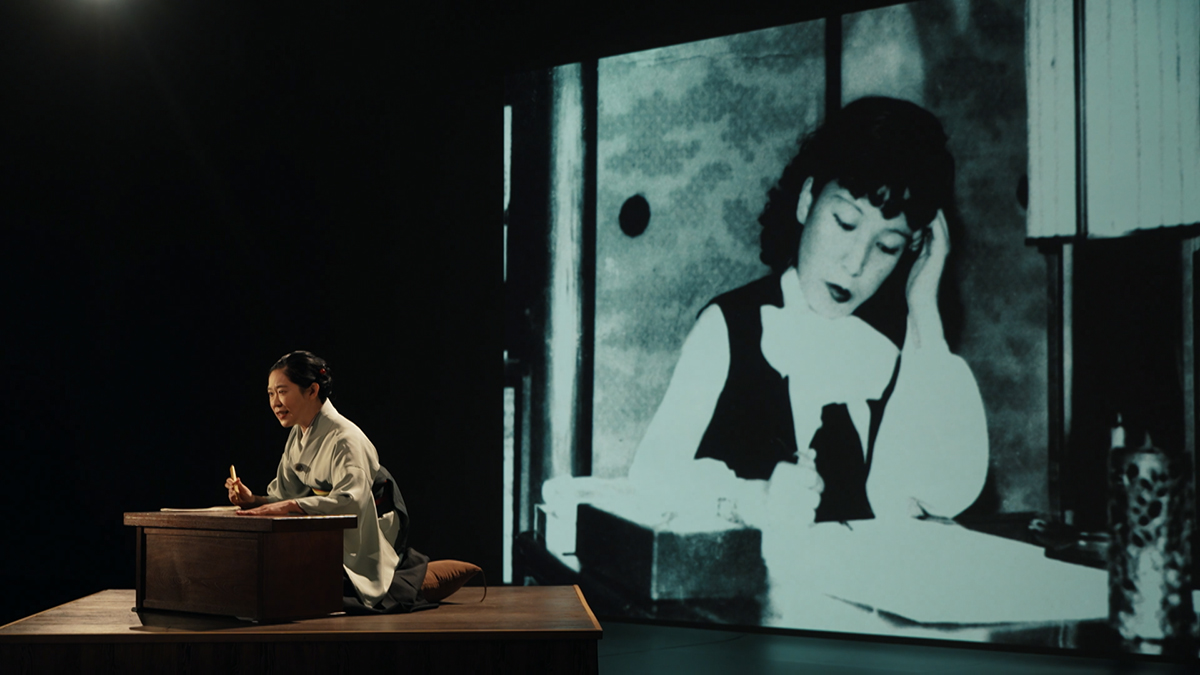
"Uno Chiyo did not simply live through history; she actively negotiated with its restrictions. In examining her life through the lens of modern documentary techniques, we aim to show viewers that her struggles with identity, independence, and artistic expression are just as relevant today as they were a century ago. She redefined what it meant for a woman to author her own destiny in an era that demanded absolute compliance."
Furthermore, literary historians consulted for the program have highlighted Chiyo’s mastery of the "I-novel" (watakushi shōsetsu) tradition, noting how she subverted a genre typically dominated by male self-absorption and repurposed it to dissect female autonomy with clinical precision. Her prose remains celebrated for its deceptive simplicity—hiding profound emotional depth beneath a style that is as crystalline as it is merciless.
Future Outlook: The Enduring Blueprint of Uno Chiyo
As modern society continues to grapple with questions of gender equity, creative independence, and the commodification of personal identity, the resurgence of interest in Uno Chiyo offers a vital historical anchor.
The success of Blossom and the educational depth of NHK’s Netsu-Tetsu Playback signal a broader cultural appetite for complex, morally ambiguous historical figures—women who cannot be neatly categorized as mere victims of patriarchy nor sanitized heroines, but rather as fierce architects of their own survival.
For contemporary audiences, Chiyo’s life serves as both a cautionary tale and an inspirational roadmap. She demonstrated that building a life of absolute freedom requires an unwavering willingness to face social ostracization, financial ruin, and emotional turbulence head-on. As the broadcast date of September 22 approaches, viewers are not merely tuning in to consume a historical retrospective; they are participating in a collective acknowledgment of a woman who refused to let the world write her story for her.
Through the combined efforts of modern television production, meticulous archival preservation, and enduring literary scholarship, Uno Chiyo’s brilliant, turbulent flame continues to burn brightly across the generations.






Belum ada komentar. Jadilah yang pertama berkomentar!