Tucked away in the serene landscapes of Yamagata Prefecture lies a compelling cultural corridor that seamlessly bridges ancient Shinto traditions, architectural masterworks, and whimsical pop-culture history. Centered around the historic Nanyo City, this region is anchored by the venerable Kumano Taisha Shrine—affectionately and reverently styled as the "Ise Shrine of Tohoku"—and the historic hot spring haven of Akayu Onsen.
While major metropolitan hubs like Tokyo and Kyoto often command the lion’s share of international tourism, Yamagata offers a deliberate, unhurried alternative for travelers seeking authenticity. From 1,200-year-old matchmaking deities and secret architectural carvings to thermal baths cherished by legendary anime director Hayao Miyazaki and an adorable rabbit stationmaster, this destination weaves together folklore, relaxation, and nature. This report explores the multifaceted appeal of Yamagata’s Nanyo City corridor, examining its cultural significance, infrastructural accessibility, economic tourism impact, and future outlook for regional revitalization.
Detailed Chronology & Geographical Itinerary
1. Arrival and Transit: The Flower Nagai Line
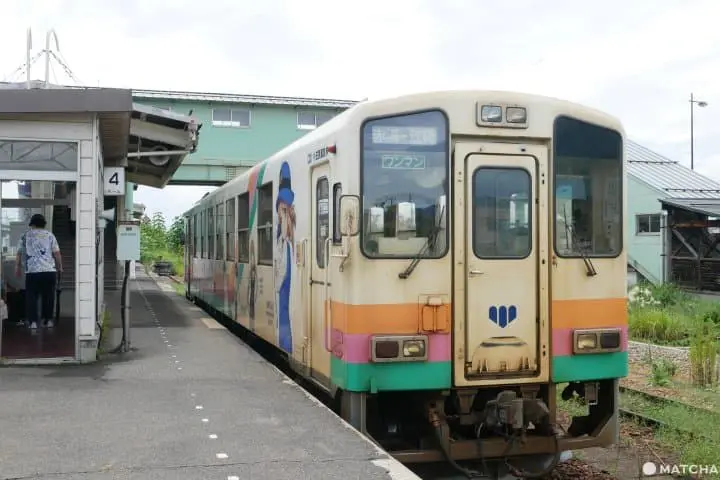
A journey through Yamagata’s spiritual and thermal heartland typically commences at Akayu Station, easily accessible via the Yamagata Shinkansen network from major transit nodes like Tokyo. From this modern transportation gateway, travelers step back in time by transferring to the local Flower Nagai Line, a charming regional railway that serves as a vital economic and cultural artery for the community.
The journey aboard the Flower Nagai Line is more than mere transit; it is an immersive local experience culminating at Miyauchi Station. Here, passengers are greeted by one of regional Japan’s most beloved mascots: Mochii, a fluffy white rabbit who officially holds the title of Stationmaster. Housed in a comfortable, custom-built enclosure within the station, Mochii welcomes commuters and tourists alike. This imaginative public relations initiative has successfully driven domestic and international foot traffic to a once-overlooked rural line, highlighting a creative blueprint for regional rail preservation in depopulating areas.
2. Spiritual Ascent: Kumano Taisha Shrine
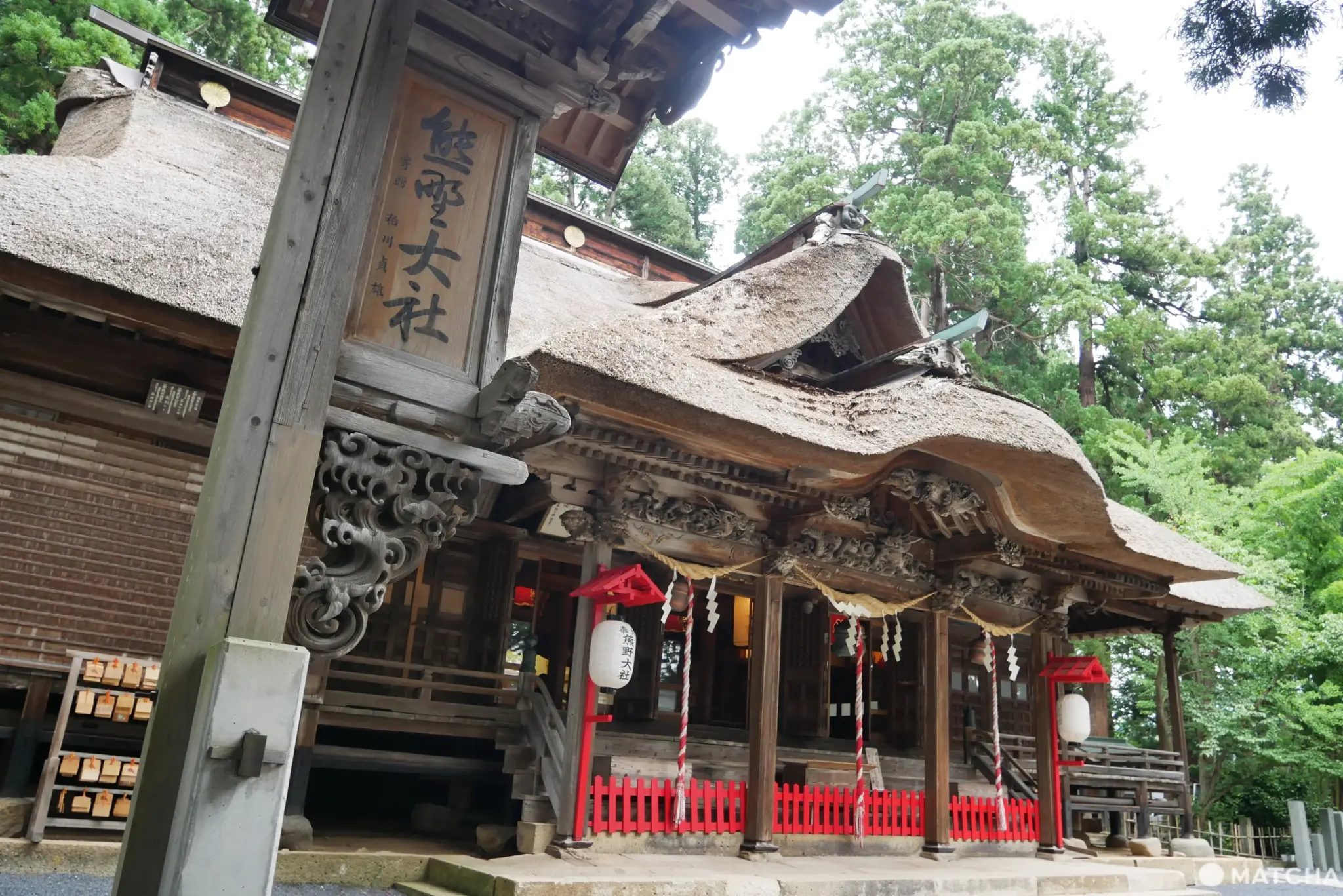
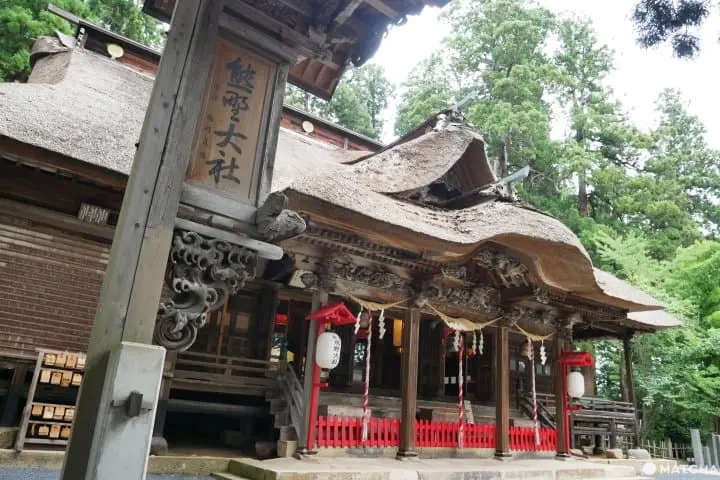
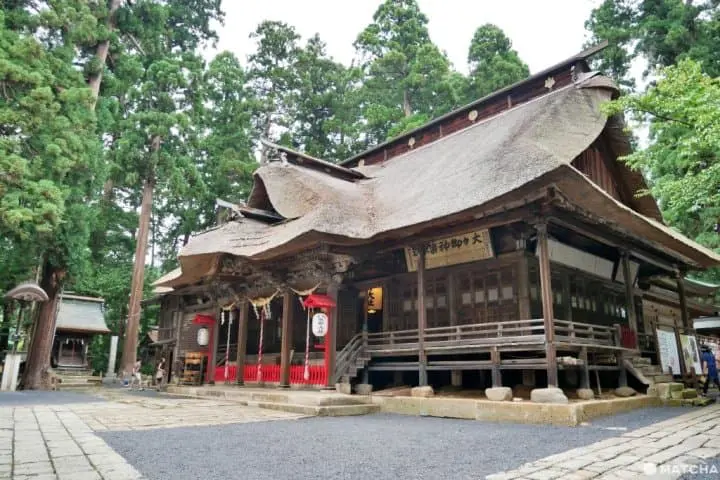
A brief 15-minute walk from Miyauchi Station brings travelers to the grand gateway of Kumano Taisha Shrine. Founded over twelve centuries ago, the shrine commands immense spiritual authority throughout the Tohoku region.
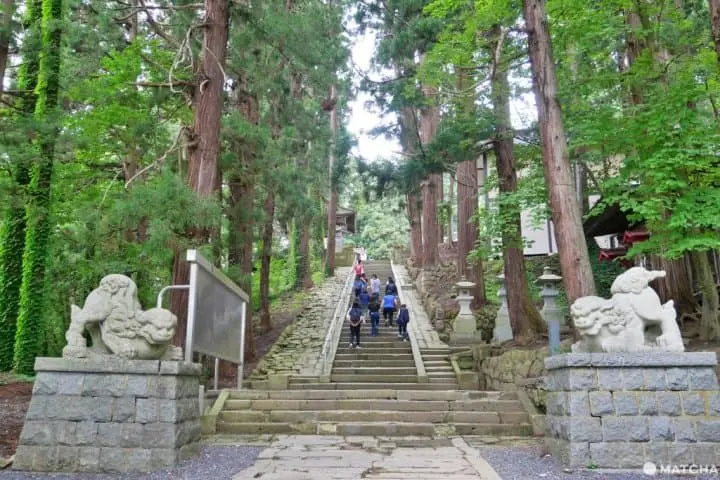
The Sacred Approach and Temizuya: The pilgrimage begins at the base of a long, contemplative flight of stone steps—a physical reminder that achieving deep life goals, such as true love, requires deliberate effort. Before ascending, visitors cleanse themselves at the temizuya (water pavilion), which features stunning floating floral arrangements rather than traditional bare stone basins.
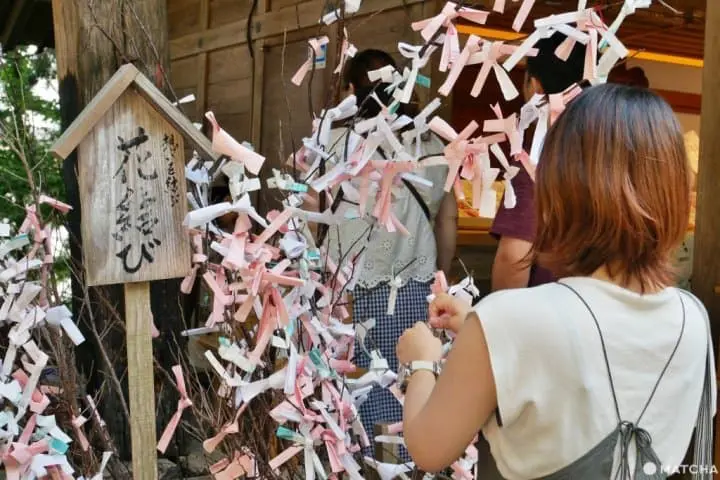
Mythological Roots: Dedicated to Izanami and Izanagi—the primary divine couple of Japanese mythology credited with giving birth to the islands of Japan—Kumano Taisha is internationally renowned for its potent en-musubi (matchmaking) blessings. Worshippers perform the classic Shinto protocol (two bows, two claps, one final prayer) before the main hall, surrounded by branches overflowing with fortunes tied into intricate floral knots known as Hanamusubi.
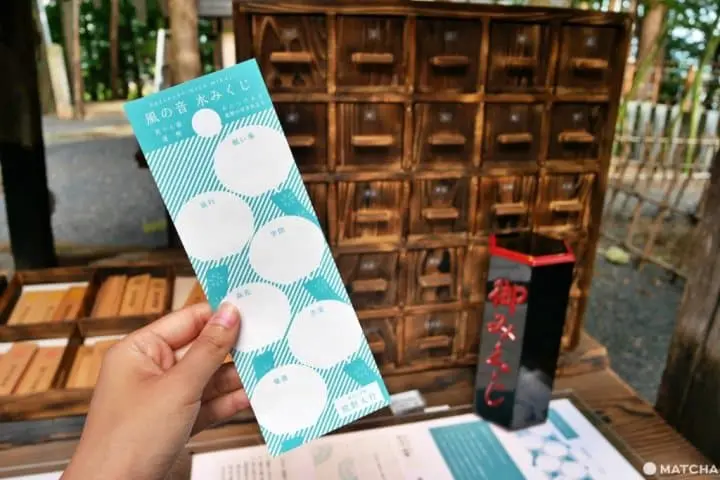
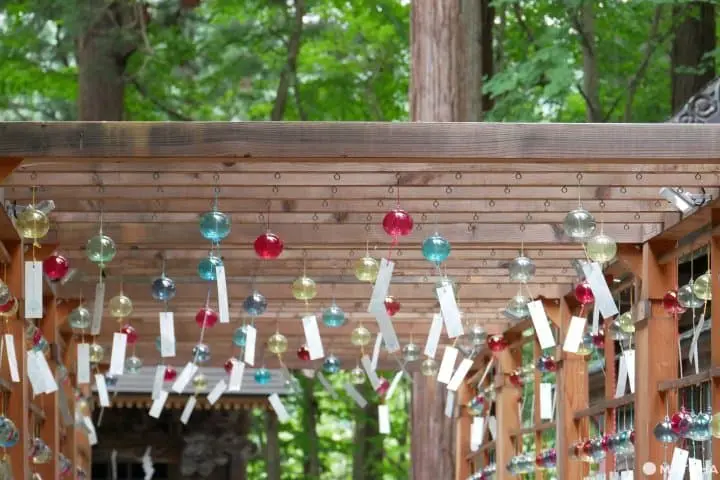
Interactive Divination: Beyond standard omikuji, the shrine offers the refreshing Kaze no Oto Mizu-mikuji (Sound of Wind Water Fortune). Inscribed on special blue paper, the fortunes miraculously appear when submerged in cool water amidst the soothing melodies of traditional wind chimes (furin).
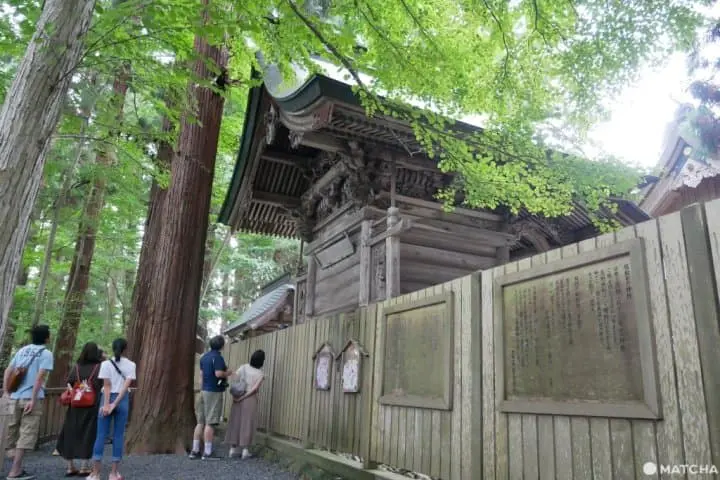
The Legend of the Three Rabbits: Behind the main hall lies a legendary architectural puzzle. Carved subtly into the wooden beams beneath the shrine’s eaves are three hidden rabbits. Local folklore dictates that discovering all three will bring good fortune and make one’s deepest wishes come true. However, tradition demands strict secrecy: the location of the third rabbit must never be spoken aloud, turning a simple architectural inspection into a deeply personal quest.
3. Culinary Repose: The icho cafe
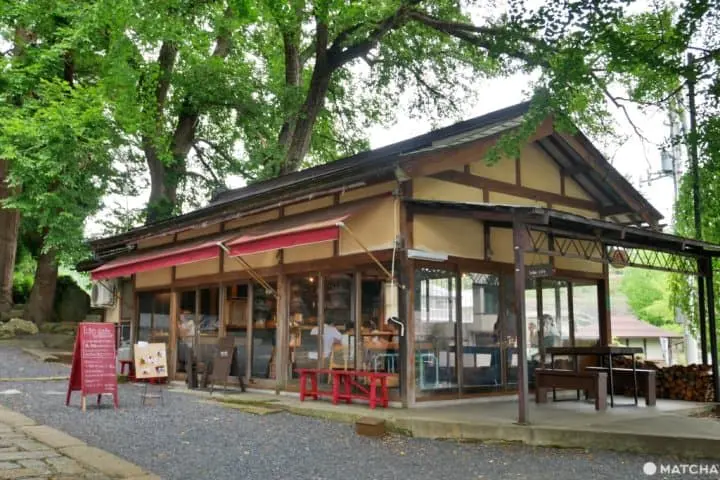
At the base of Kumano Taisha’s entrance stairs sits the icho cafe, a masterclass in adaptive reuse. Housed within a meticulously renovated historic building, the café nestles directly beneath the sweeping canopy of a massive ginkgo tree (icho). When autumn arrives, the tree erupts into a brilliant canopy of golden foliage, establishing one of the most photographed seasonal landscapes in Yamagata. Visitors routinely pause here to sample artisanal coffee paired with freshly prepared, pillowy French toast.
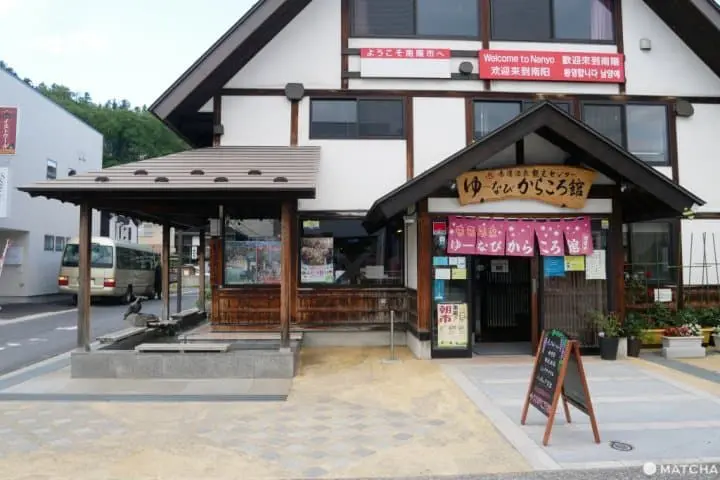
Leaving the sacred grounds of Kumano Taisha, a short local bus or taxi ride brings travelers to Akayu Onsen, a historic hot spring town boasting over 900 years of documented geothermal activity. Discovered in 1095, the town has long served as a healing sanctuary for warriors, poets, and modern creative icons alike.
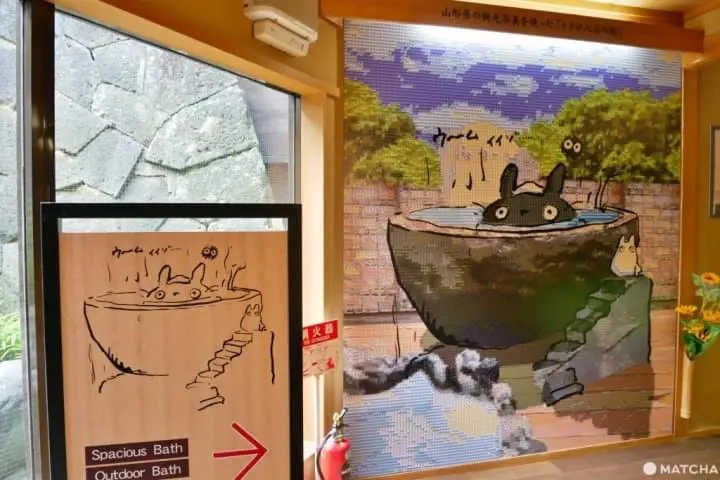
Most notably, Akayu Onsen holds a special place in the heart of legendary Studio Ghibli director Hayao Miyazaki. Captivated by the town’s rustic, unpretentious charm and soothing mineral waters, Miyazaki personally drew a custom illustration of Totoro relaxing in an onsen. This rare piece of animation history is proudly displayed within the local ryokan baths—specifically at Uesugi no Oyado Gotenmori—and serves as a delightful easter egg for pop-culture pilgrims.
5. Floral Splendor: Eboshiyama Park
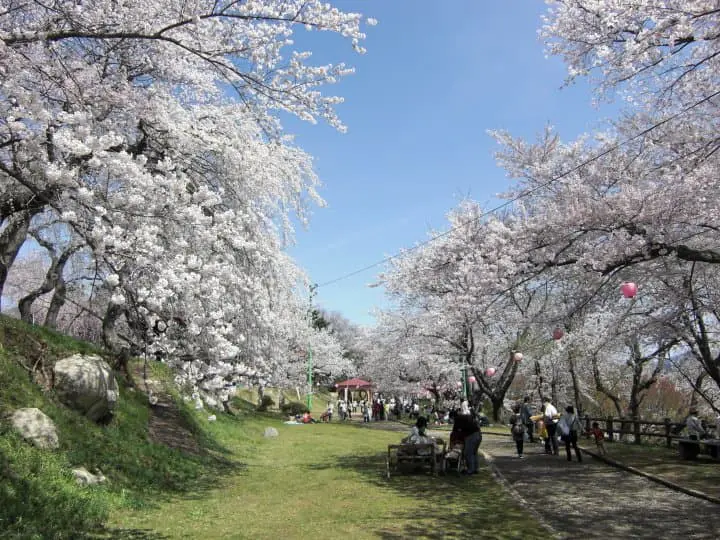
Rising above the rooftops of Akayu Onsen is Eboshiyama Park, a sprawling mountainside sanctuary celebrated as one of Japan’s Top 100 Cherry Blossom Spots. Every spring, approximately 1,000 cherry trees burst into vibrant pink hues, creating the iconic Eboshiyama Senbonzakura. The park’s historic stone pathways and panoramic lookouts offer sweeping vistas over the Yonezawa Basin, making it an essential destination for landscape photographers and nature enthusiasts.
Supporting Context & Metrics
To fully understand the regional impact of Nanyo City’s tourism strategy, it is essential to examine the socio-economic and demographic frameworks supporting these cultural assets.
Category
Metric / Feature
Significance
Shrine Heritage
1,200+ Years
Established antiquity, holding spiritual parity with Ise Grand Shrine.
Mythology
Izanami & Izanagi
Dedicated to the primary deities of Japanese creation and marital union.
Railway Innovation
Flower Nagai Line
Utilizes animal stationmasters (Mochii the rabbit) to boost rural ridership.
Geothermal Economy
4 Public Bathhouses
Extremely affordable public thermal access (100–200 JPY) ensuring local community wellness.
Pop-Culture Integration
Studio Ghibli Connection
Hayao Miyazaki custom art installation at local ryokan (Uesugi no Oyado Gotenmori).
Floral Biodiversity
1,000 Sakura Trees
Eboshiyama Park recognized nationally as a premier cherry blossom destination.
Economic Accessibility and Public Bathhouse Culture
While luxury ryokan accommodations in Akayu Onsen command standard resort pricing (with day-use soaking fees averaging around 1,000 JPY), the town maintains a deeply egalitarian approach to wellness through its municipal public bathhouse network. Operating four distinct facilities utilizing untreated, high-temperature natural spring water, these bathhouses charge nominal entry fees ranging from 100 to 200 JPY.
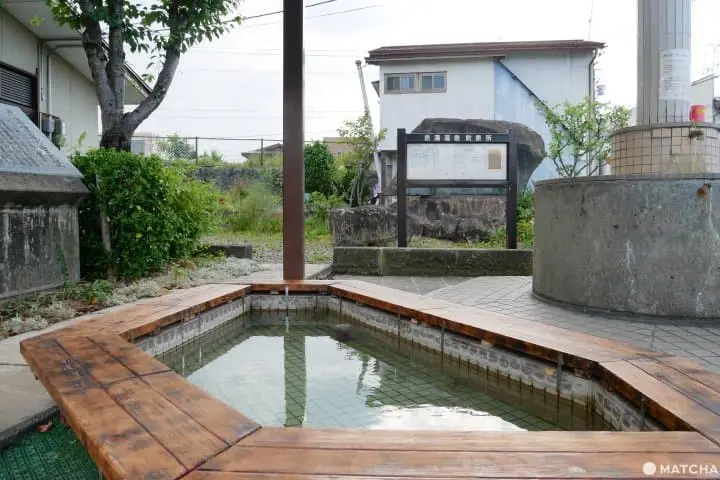
Furthermore, street-level infrastructure such as the Akko Poppo Yu footbath provides free public access to mineral-rich thermal waters straight from the source, complete with a dedicated drinking fountain for visitors wishing to ingest the healthful mineral composition.
Official Statements and Stakeholder Insights
Local tourism authorities have increasingly emphasized sustainable, experiential tourism that highlights regional authenticity over mass-market commercialization.
Representatives from the Yamagata Arcadia Tourism Bureau, who assisted in documenting the cultural intersection of Kumano Taisha and Akayu Onsen, noted in regional development briefs:
"Yamagata’s greatest asset is not merely our historical architecture or our thermal waters, but the unbroken continuity of our community traditions. Whether it is the monthly Tsukimusubi moon-prayer ceremonies at Kumano Taisha, the preservation of our local railway lines through community icons like Stationmaster Mochii, or the quiet artistic affinity shared by creators like Hayao Miyazaki, our region offers a restorative antidote to modern fatigue. We invite travelers to experience these spaces not as passive spectators, but as active participants in our living heritage."
Shrine administrators at Kumano Taisha have similarly highlighted the evolving nature of spiritual tourism, pointing to the surging popularity of interactive offerings like the Kaze no Oto Mizu-mikuji and seasonal wind-chime installations as vital bridges connecting younger generations to ancient Shinto aesthetics.
Future Outlook & Strategic Development
As international tourism to Japan continues to set unprecedented records, regional destinations face the dual challenge of capturing economic benefits while preventing overtourism and preserving local ecosystems.
1. Decentralization of International Foot Traffic
The Japanese national government, through the Japan Tourism Agency (JTA), has aggressively promoted "sustainable tourism" and the decentralization of visitors away from the saturated "Golden Route" (Tokyo-Kyoto-Osaka). Yamagata Prefecture’s Nanyo City corridor is exceptionally well-positioned to capitalize on this policy shift. By leveraging high-speed Shinkansen connectivity paired with niche cultural assets—such as the Studio Ghibli connection in Akayu Onsen and the rabbit stationmaster phenomenon—local stakeholders are successfully drawing repeat travelers seeking deeper, off-the-beaten-path narratives.
2. Infrastructure Modernization and Preservation
Future municipal investments are projected to focus on multilingual digital signage, enhanced barrier-free access along the historic stone staircases of Kumano Taisha, and eco-friendly hospitality upgrades within Akayu Onsen. Ryokan operators are increasingly adopting renewable energy solutions for thermal water management, ensuring that centuries-old onsen traditions remain environmentally sustainable for generations to come.
3. Seasonal Diversification
While spring (cherry blossoms at Eboshiyama Park) and autumn (ginkgo foliage at icho cafe) currently represent peak tourist surges, regional planners are actively developing summer and winter programming. The summer wind-chime festivals (furin) at Kumano Taisha and winter snow-shoeing combined with hot-spring retreats are successfully transforming Nanyo City into a viable year-round destination.
Conclusion
Yamagata Prefecture’s fusion of sacred heritage at Kumano Taisha Shrine, restorative geothermal luxury at Akayu Onsen, and whimsical cultural touchstones like Studio Ghibli’s favored retreat and Miyauchi Station’s rabbit stationmaster creates a uniquely compelling travel narrative. Far from the bustling tourist corridors of Japan’s megalopolises, this tranquil northern enclave offers travelers an opportunity to pause, reflect, make meaningful wishes for the future, and immerse themselves in the timeless rhythm of rural Japanese life.















Belum ada komentar. Jadilah yang pertama berkomentar!