

Executive Overview
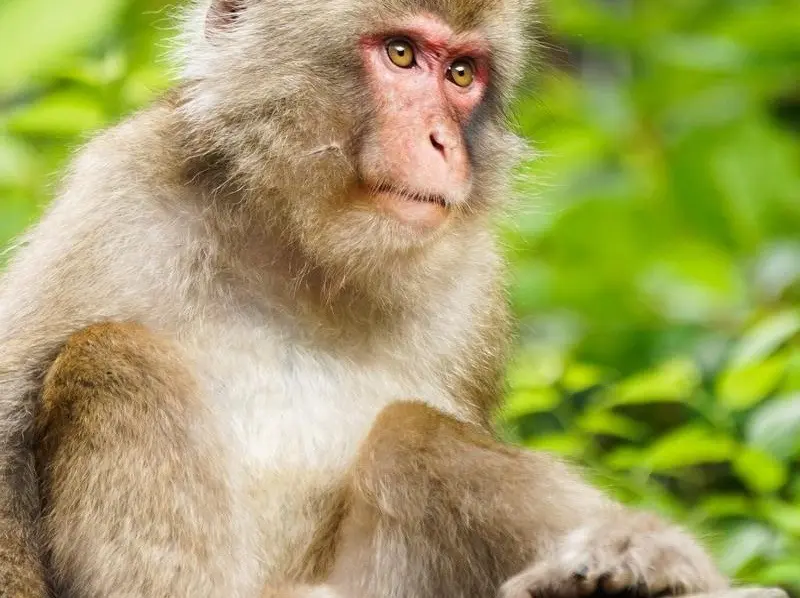
The picturesque, mountainous hot spring resort town of Yugawara in Kanagawa Prefecture, Japan, is globally celebrated for its restorative mineral baths, traditional Japanese ryokan inns, and tranquil ambiance. However, this idyllic reputation is increasingly being undermined by a growing ecological and public safety crisis. For residents, early-morning strolls and routine agricultural work have been overshadowed by a pervasive and escalating threat from an unexpected adversary: Japanese macaques.
The gravity of the situation was underscored last Thursday morning when a local resident in his 40s was ambushed during a routine walk by a rogue faction of wild primates known locally as "Troop T1." Surrounded by a dozen aggressive animals near the entrance of a prominent local inn, the victim suffered multiple bite wounds to his hands before he could escape or deter his attackers. He was subsequently rushed to a local hospital for emergency medical treatment.
This unprovoked ambush is far from an isolated incident. Yugawara has become the epicenter of a localized wildlife conflict, with macaques shedding their natural wariness of humans and encroaching deep into urban and residential districts. In 2025 alone, municipal authorities logged over 900 separate complaints regarding aggressive, intimidating, or destructive behavior by the town’s monkey population. As the local government struggles to secure bureaucratic and legal authorization to capture and remove Troop T1, community leaders, tourism officials, and vulnerable senior citizens face an increasingly precarious balancing act between protecting public safety and preserving the town’s welcoming economic foundation.
Detailed Chronology: The Thursday Morning Ambush and Rising Tensions
The events of last Thursday began like any other morning in the serene foothills of Yugawara. At approximately 6:50 a.m., a male resident in his forties set out on his customary morning walk, taking advantage of the crisp early-air and the quiet streets before the town fully awakened.
As he navigated past the threshold of a well-known local inn—a setting typically synonymous with hospitality and relaxation—the atmosphere shifted dramatically. Within seconds, the man found himself cornered by a hostile cohort numbering roughly a dozen wild Japanese macaques. In any standard urban altercation, being outnumbered twelve-to-one would prompt an individual to attempt verbal de-escalation or tactical retreat. However, standard social contracts do not apply when dealing with members of Troop T1.
Before the victim could mount a defensive posture or successfully scare the animals away, the macaques launched a coordinated advance. Surrounding him on multiple sides, the alpha and subordinate animals lunged, inflicting several severe bite wounds across both of the man’s hands. Recognizing the severity of the trauma and the inherent infection risks associated with wild animal bites, emergency services were dispatched immediately following the incident. The victim was transported to a regional medical facility, where he received intensive wound care, tetanus shots, and preventative antibiotic treatments.
Local law enforcement and municipal authorities immediately flagged the event as a dangerous escalation. While previous encounters typically involved property damage, garden raids, or menacing postures, the Thursday morning attack marked a violent crossing of the threshold into direct, physical assault on an unsuspecting pedestrian.
Supporting Context & Metrics: Anatomy of an Urban Incursion
To understand how a tranquil tourist destination became the stage for a low-intensity human-wildlife conflict, one must examine the staggering statistical trajectory of the past few years.
The Reign of Troop T1
The primates operating with such brazen impunity in Yugawara are not random, scattered wildlife; they belong to an organized collective officially tracked by municipal authorities as "Troop T1." Earning a formal military-style designation requires a level of coordinated notoriety that few animal groups achieve, yet Troop T1 has earned every letter of its reputation through repeated, calculated incursions into human habitats.
Unlike historical interactions where monkeys remained largely sequestered within the mountainous perimeter surrounding Yugawara, Troop T1 routinely patrols urban sectors. Video footage captured across the town reveals macaques casually navigating asphalt roads, lounging on commercial rooftops, and treating residential neighborhoods as an extension of their natural foraging grounds.
A Statistical Surge in Incidents
The figures released by local administrative bodies paint a grim picture of escalating encroachment:
- Over 900 Aggressive Encounters: Throughout 2025, the municipal office registered more than 900 distinct reports of macaques exhibiting intimidating behavior toward human residents, ranging from baring teeth and lunging to blocking thoroughfares.
- Agricultural Devastation: Farmers working in the valley and foothill terraces have reported severe economic losses. In one prominent case, a local farmer harvesting high-value melons and citrus fruits was cornered in his own fields by a faction of the troop, forcing him to abandon his harvest.
- Residential Breaches: The macaques have evolved past simple outdoor intimidation. Documented cases from the previous winter highlight animals breaching private homes by tearing through fragile screen doors or utilizing coordinated physical force to slide open unsecured glass patio doors in search of food.
The Demographic Vulnerability
Compounding the crisis is Yugawara’s unique demographic profile. As a rural-adjacent hot spring town, Yugawara boasts a significant population of elderly residents who may lack the physical agility or reaction time required to evade an aggressive pack of wild primates. Furthermore, the town’s economy relies heavily on tourism; visitors walking between ryokans, bathhouses, and scenic viewpoints are frequently caught off guard, posing a substantial risk to the hospitality industry if tourists begin associating the destination with physical peril.
Official Statements and Administrative Gridlock
As public anxiety mounts, the response from local governance has exposed significant frustrations regarding the speed and flexibility of regional bureaucratic frameworks.
The Push for Capture
In the wake of surging complaints throughout 2024 and 2025, Yugawara’s municipal administration recognized that standard deterrent measures—such as acoustic repellers, scarecrows, and community patrols—were wholly inadequate against the emboldened members of Troop T1. Consequently, city officials formally petitioned the Kanagawa prefectural government for authorization to implement a comprehensive capture and removal operation targeting the entire troop.
However, months have passed without final approval. Wildlife management in Japan is strictly regulated by national and prefectural wildlife protection laws, which require exhaustive environmental assessments, ethical reviews, and bureaucratic clearances before large-scale removal or culling operations can commence. While prefectural authorities weigh ecological balance and conservation mandates, local officials argue that the delay places human lives and livelihoods at unacceptable risk on a daily basis.
Root Causes and Behavioral Shifts
Wildlife researchers and municipal officials have debated the root causes behind the macaques’ behavioral shift. Decades ago, it was a common, albeit ill-advised, practice for tourists visiting the Yugawara foothills to hand-feed wild monkeys. While public awareness campaigns have drastically reduced intentional feeding in recent years, the generational impact has already taken root:
- Loss of Innate Fear: Macaques that grew accustomed to receiving handouts passed down a tolerance—and eventual dominance—toward humans to their offspring.
- High-Calorie Urban Diet: Residential gardens, unattended agricultural yields, and household waste provide an easily accessible, high-calorie alternative to natural foraging in the mountains, driving the animals deeper into populated zones.
Current Public Safety Directives
Pending the prefectural government’s decision on the capture authorization, Yugawara’s municipal office has issued stringent advisories to all residents, business owners, and visitors:
- Zero Feeding Tolerance: Individuals are strictly prohibited from feeding the monkeys under any circumstances.
- Avoid Provocation: Citizens must refrain from approaching, photographing at close range, or attempting to scare away troops of macaques independently.
- Immediate Reporting: Anyone who spots groups of monkeys roaming through developed urban sectors is instructed to contact local law enforcement or the municipal wildlife division immediately rather than attempting to intervene.
Future Outlook: Restoring Equilibrium in Yugawara
The plight of Yugawara serves as a cautionary case study for rural and semi-rural communities across Japan experiencing the complex intersections of wildlife expansion and human habitation. As natural ecosystems shift and wildlife populations adapt to anthropogenic landscapes, traditional boundaries between wilderness and civilization continue to blur.
For Yugawara, the immediate future hinges on bureaucratic agility. If the Kanagawa prefectural government grants the long-awaited authorization to capture Troop T1, municipal teams can begin the delicate process of relocating or thinning the aggressive troop, thereby restoring a measure of safety to the town’s winding streets. However, experts emphasize that removal alone is a temporary fix. Long-term stability will require reinforced infrastructure—such as secure waste management, upgraded residential screening mandates, and continuous public education—to ensure that future generations of wildlife do not step into the power vacuum left by Troop T1.
Until then, the residents and visitors of Yugawara must maintain heightened vigilance during their morning walks, keeping a wary eye on the tree lines and rooftops where the notorious macaques continue to watch and wait.







Belum ada komentar. Jadilah yang pertama berkomentar!