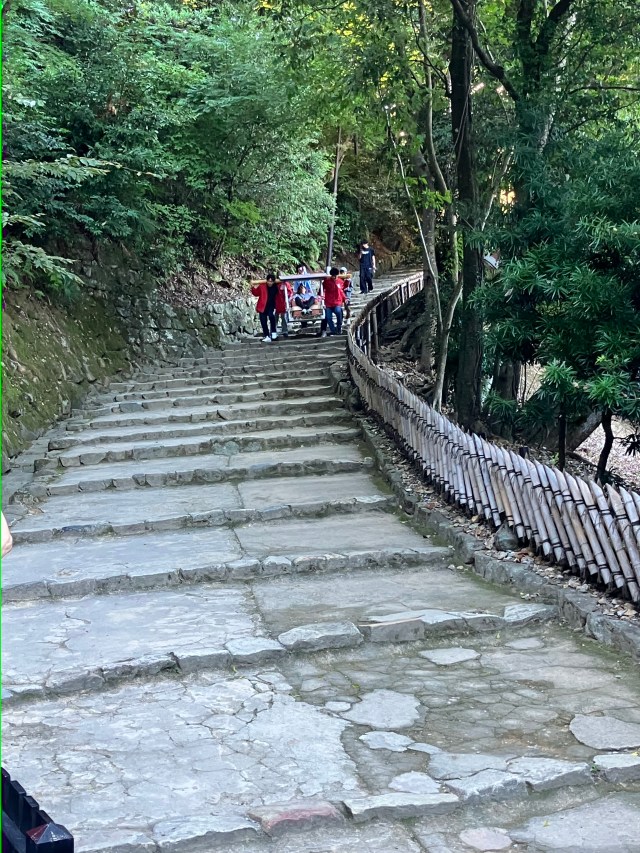
In the heart of Shiga Prefecture, along the picturesque eastern shores of Lake Biwa—Japan’s largest freshwater body—stands Hikone Castle. Boasting one of only twelve original, intact main keeps remaining in the country, this 17th-century architectural marvel serves as an irreplaceable monument to the Edo period. Yet, the very characteristics that preserve its historical authenticity now present a profound modern dilemma: physical inaccessibility. Guarded by 140 steep, irregular stone steps meticulously engineered to exhaust and thwart invading samurai, the castle’s route to the summit (honmaru) creates a formidable barrier for wheelchair users and individuals with mobility impairments.
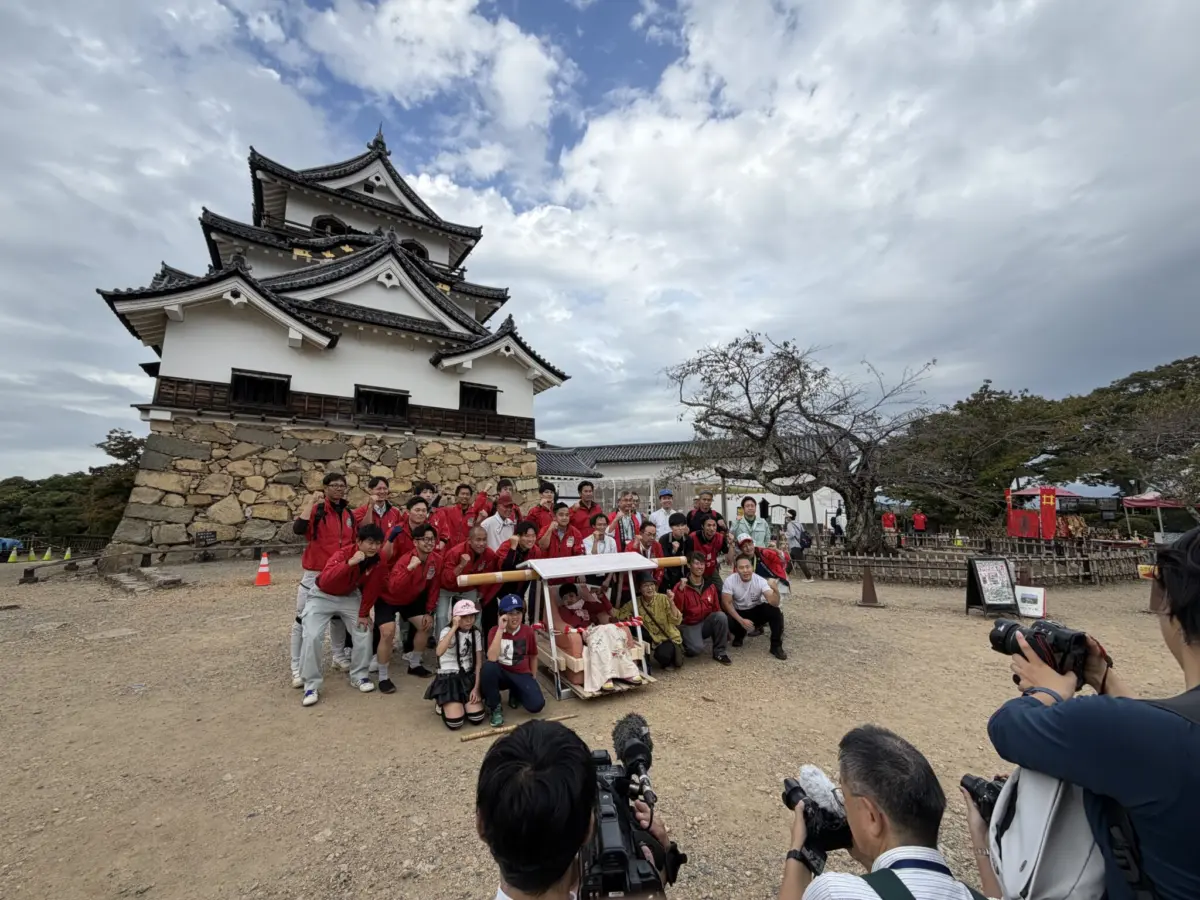
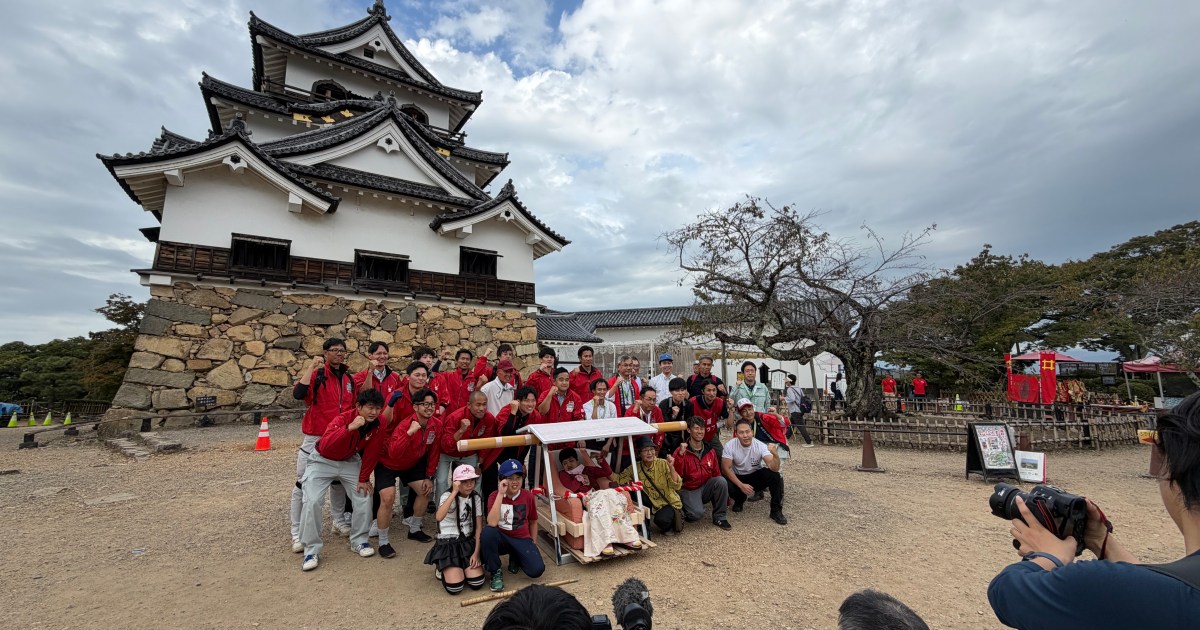
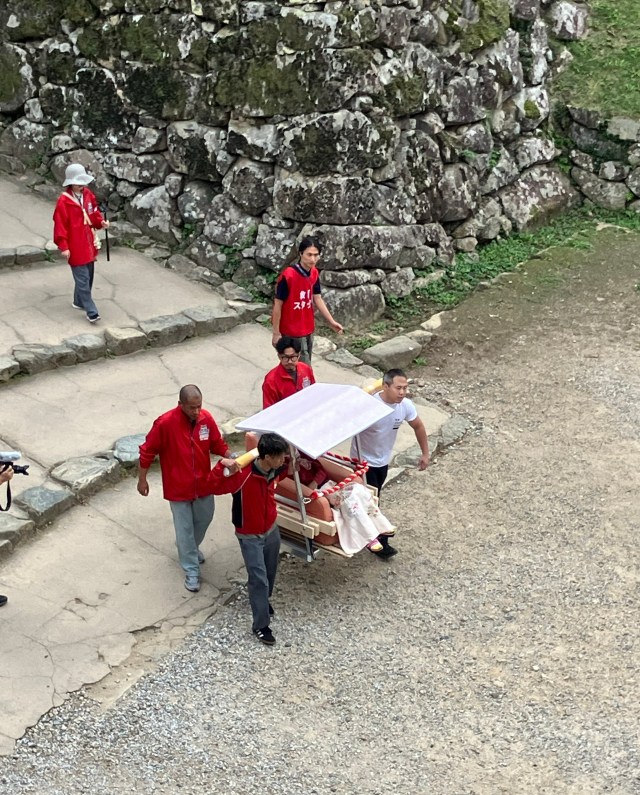
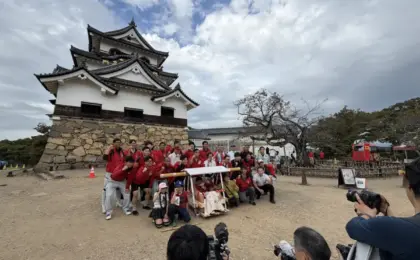
As a designated National Special Historic Site—and a prospective candidate for UNESCO World Cultural Heritage status in 2028—Hikone cannot simply install modern elevators or pour concrete ramps over centuries-old masonry without sacrificing its historical integrity. To resolve this complex challenge, city officials, local volunteers, and technological innovators recently united to test a groundbreaking solution. On October 19, stakeholders conducted a live trial marrying ancient Japanese transportation methods with 21st-century robotics. By pairing traditional wooden mountain palanquins (yamakago) with state-of-the-art, non-motorized wearable assist suits, the project successfully transported visitors up a grueling 285-meter round-trip trail featuring a 50-meter vertical rise and an 18-percent incline. This innovative initiative not only points toward a more inclusive future for Japanese tourism but also demonstrates how modern assistive engineering can harmonize with fragile cultural heritage.
Detailed Chronology
The Modern Accessibility Crisis at a Feudal Stronghold
For decades, the guardians of Hikone Castle have grappled with the inherent contradictions of managing a preserved feudal fortress in an era that demands universal access. Built between 1603 and 1622 by the Ii clan, the castle was designed from the ground up as a military installation. Security, not visitor comfort, dictated its layout. The approach to the inner citadel requires navigating erratic stone steps designed to disrupt the footing of attackers, making independent wheelchair navigation entirely impossible.
For visitors with limited mobility, reaching the heart of the complex has historically meant missing out on the primary attraction of the castle grounds. Pouring concrete or constructing heavy steel scaffolding to accommodate ramps would permanently disfigure the landscape and disqualify the site from international preservation honors, rendering standard architectural interventions dead on arrival. Recognizing that a passive approach was no longer acceptable, Hikone City officials initiated a task force to explore alternative transport mechanisms that could respect the ancient topography while lifting human bodies across its demanding elevations.
The October 19 Trial: Execution and Methodology
On the crisp autumn morning of October 19, the theoretical discussions transitioned into rigorous field testing. The chosen route mirrored the challenging topography of the historical ascent: a demanding 285-meter (935-foot) round-trip path culminating in a 50-meter (165-foot) vertical climb, averaging an intense 18-percent incline.
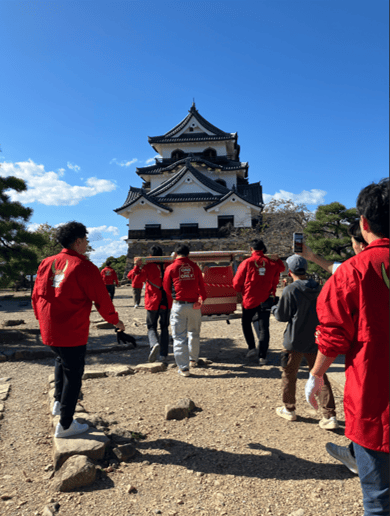
To execute the transport, organizers turned to a cultural artifact of the Edo period: the yamakago, or traditional wooden mountain palanquin. Historically reserved for high-ranking nobility, feudal lords, and the wealthy elite, the palanquin allows a passenger to sit securely while being carried by human strength. However, carrying an adult passenger up an 18-percent mountain grade over irregular stone pathways places immense physical strain on the human carriers.
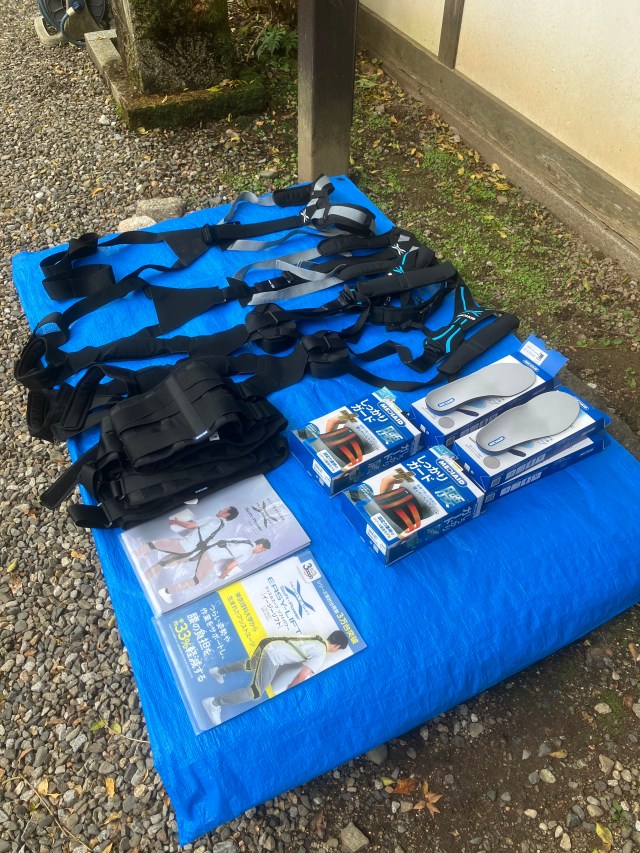
To mitigate the risk of injury and fatigue for the support crew, a team of six human carriers was outfitted with cutting-edge, non-motorized wearable technology. The cohort was split between two advanced assistive models:
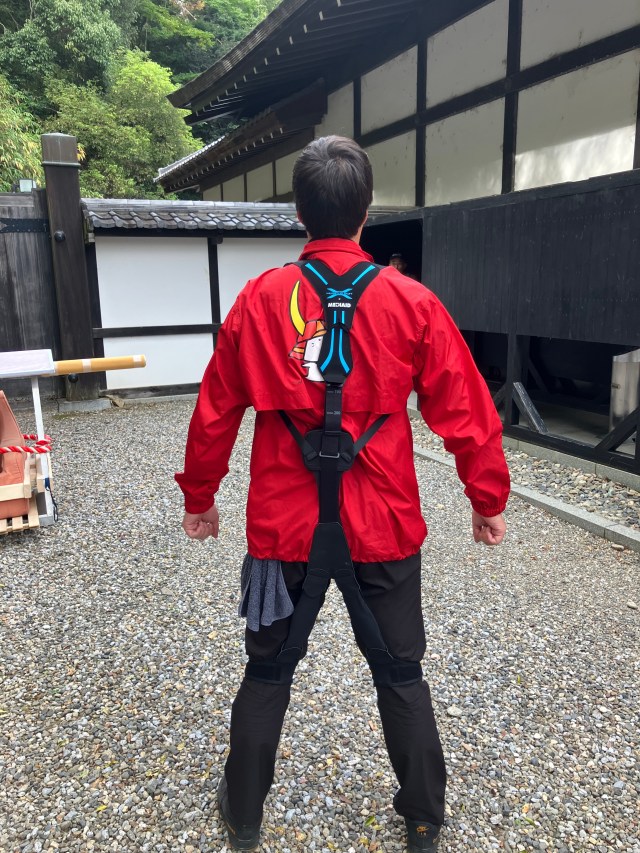
Two carriers wore the Muscle Suit Soft-Power Easy-Lift, a pneumatic, non-electric system designed to absorb strain and amplify lifting power.
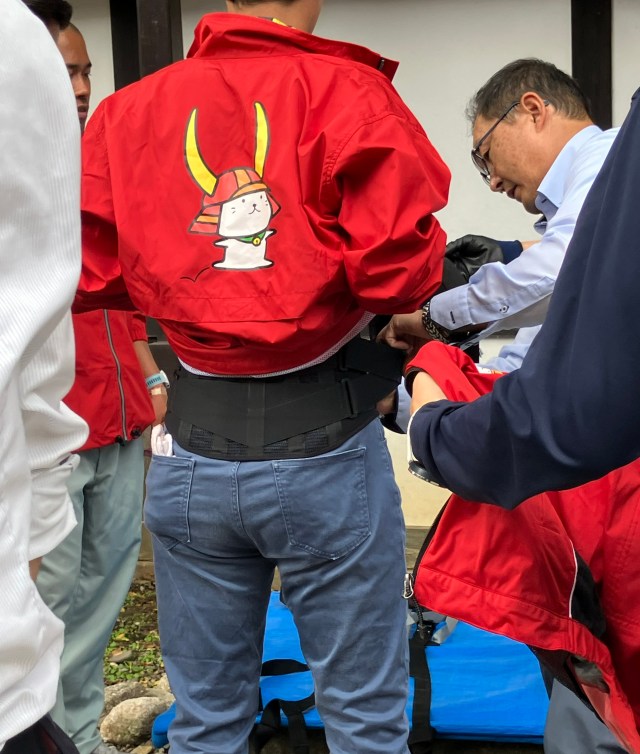
Four carriers wore the Mediaid Firm Guard Waist EX Hard, a specialized lumbar and core support brace engineered to stabilize the spine and reduce lower-back loading during heavy lifting tasks.
With wheelchair users securely seated in the palanquin, the team embarked on the grueling ascent. Curators accompanied the procession, transforming what could have been a purely logistical exercise into an immersive historical narrative. Passengers were treated to guided commentary regarding the surrounding architecture and scenery, effectively experiencing a dual-layer journey: physical transportation to the summit, and temporal transportation back to the golden age of the samurai.
Supporting Context & Metrics
The Engineering Behind the Assistive Gear
The success of the Hikone Castle trial hinged on the performance of the wearable technology chosen for the support crew. Unlike heavy, motorized industrial exoskeletons that require battery packs, charging stations, and complex maintenance routines, the selected units relied on mechanical physics and pneumatic pressure.
Muscle Suit Soft-Power Easy-Lift: This device operates without electricity, utilizing artificial muscle technology powered by compressed air. When a user bends down to lift a heavy load, the compressed air system captures and stores energy, providing a smooth, upward assistive force as the wearer straightens their back and legs. This mechanism directly counteracts the dangerous backward-tipping momentum typically experienced when trying to balance a heavy, elevated load on steep slopes.
Mediaid Firm Guard Waist EX Hard: Focusing primarily on core stability, this heavy-duty medical-grade brace restricts harmful twisting motions and reinforces the lumbar region. For carriers navigating uneven, sloping terrain while bearing asymmetric weight, the brace prevents the micro-tears and acute strains that commonly sideline manual laborers and rescue workers.
Quantitative Breakdown of the Ascent
To fully understand the physical feat accomplished during the trial, one must examine the micro-metrics of the route:
Total Distance (Round-Trip): 285 meters (approx. 935 feet)
Infrastructure Type: 140 irregular, historical stone steps mixed with packed earth and gravel paths
Carrier Ratio: 6 support personnel rotating shifts to transport a single passenger safely
These figures highlight why unassisted manual transport has historically been unsustainable for regular tourism operations. Without wearable augmentation, carriers would experience rapid exhaustion, drastically limiting the number of trips possible in a single day and increasing liability for workplace injuries.
Official Statements and Participant Feedback
The qualitative data gathered from the volunteer carriers and city officials following the trial painted an overwhelmingly positive picture of the technology’s real-world utility. The combination of the pneumatic muscle suits and lumbar braces transformed a grueling physical trial into a manageable, secure operation.
Voices from the Front Lines
Several participants shared candid reflections on how the wearable gear altered their physical experience during the steep climb:
"Because I injured my lower back in the past, wearing it gave me a real sense of security." — Trial Carrier
This testimonial underscores the psychological barrier that chronic pain often creates in manual labor and volunteer settings. Knowing that the equipment was actively absorbing torque allowed carriers to focus on maintaining balance and ensuring passenger safety rather than worrying about personal injury.
"It is attached at the base of the knees, but when standing upright it is loose, so it does not get in the way of going up and down the stairs." — Trial Carrier
Mobility is often the primary casualty of wearable robotics. Bulky frames frequently catch on terrain or restrict natural joint articulation. The seamless transition between tension during lifting and looseness during upright walking proved critical for navigating the narrow, uneven steps of the castle approach.
"The moment I took it off, I realized just how much it had been helping me." — The Post-Doffing Realization
Perhaps the most compelling endorsement of the assistive suits came at the end of the shift. Stripping away the gear immediately exposed the raw physical toll of the 18-percent incline, validating the quantitative efficiency reported by the manufacturers and highlighting the stark contrast between unassisted and augmented labor.
Hikone City representatives noted that the stability provided by the gear effectively neutralized the precarious backward-tipping sensation that typically plagues carriers attempting to shoulder unbalanced loads on steep upward slopes. By stabilizing the core and assisting leg extension, the equipment allowed the team to maintain a steady, dignified rhythm throughout the ascent.
Future Outlook and Industry Implications
Redefining Heritage Tourism in Japan
The successful integration of palanquins and wearable assist suits at Hikone Castle offers a fascinating blueprint for the broader Japanese tourism industry. Japan is home to dozens of mountain castles, cliffside temples, and ancient shrines that struggle to balance the modern demand for universal accessibility with strict heritage preservation mandates.
Traditional interventions—such as elevators, funiculars, or concrete pathways—are frequently blocked by cultural ministries and conservationists dedicated to maintaining authentic Edo- or Sengoku-period aesthetics. By utilizing human-powered transport augmented by discreet, wearable technology, sites can achieve compliance with modern inclusivity standards without altering a single stone of historical architecture.
Furthermore, this initiative taps into a burgeoning market for experiential, high-touch tourism. Much like the enduring popularity of human-powered rickshaws (jinrikisha) in historic districts like Asakusa in Tokyo or the scenic alleyways of Kyoto, being chauffeured in a traditional palanquin by attendants outfitted in period-inspired or modern utility gear offers an exclusive, unforgettable narrative for travelers. It elevates accessibility from a mere compliance checkbox into a premium, immersive cultural experience.
Scaling the Model: Challenges and Next Steps
While the October 19 trial demonstrated immense promise, city officials and stakeholders acknowledge that several hurdles remain before regular commercial implementation can begin:
Operational Cost and Logistics: Equipping and training a dedicated team of certified carriers requires ongoing financial investment and rigorous safety protocols.
Scheduling and Capacity: Because human-powered transport is inherently labor-intensive, scaling the service to handle high volumes of daily visitors will require careful reservation systems to manage wait times.
Regulatory and Insurance Frameworks: Establishing liability guidelines for transporting disabled passengers over steep, irregular historical terrain demands careful coordination with municipal insurance providers and disability advocacy groups.
Despite these challenges, the experiment at Hikone Castle signals a paradigm shift. As wearable robotics become lighter, more intuitive, and more affordable, the cultural heritage sector is discovering that the solutions to 21st-century accessibility do not necessarily require destroying the past. By looking backward to the palanquin and forward to modern muscle-assist technology, Hikone has opened a vital conversation on how the world preserves its most treasured historical spaces while ensuring they remain open to all.







Belum ada komentar. Jadilah yang pertama berkomentar!