

Executive Overview
For billions of people worldwide, rice is not merely a dietary staple; it is the culinary bedrock upon which countless meals are built. Yet, despite its universal appeal, the preparatory ritual preceding the actual cook has long remained an exercise in tedious, friction-heavy kitchen labor. Traditional rice washing requires standing over a bowl, meticulously agitating and kneading grains under running water while constantly warring against the drain, which invariably attempts to claim precious, errant grains as casualties. Beyond the physical annoyance of lost food, perfecting the technique to unlock a grain’s true textural potential is a skill that takes years to cultivate.
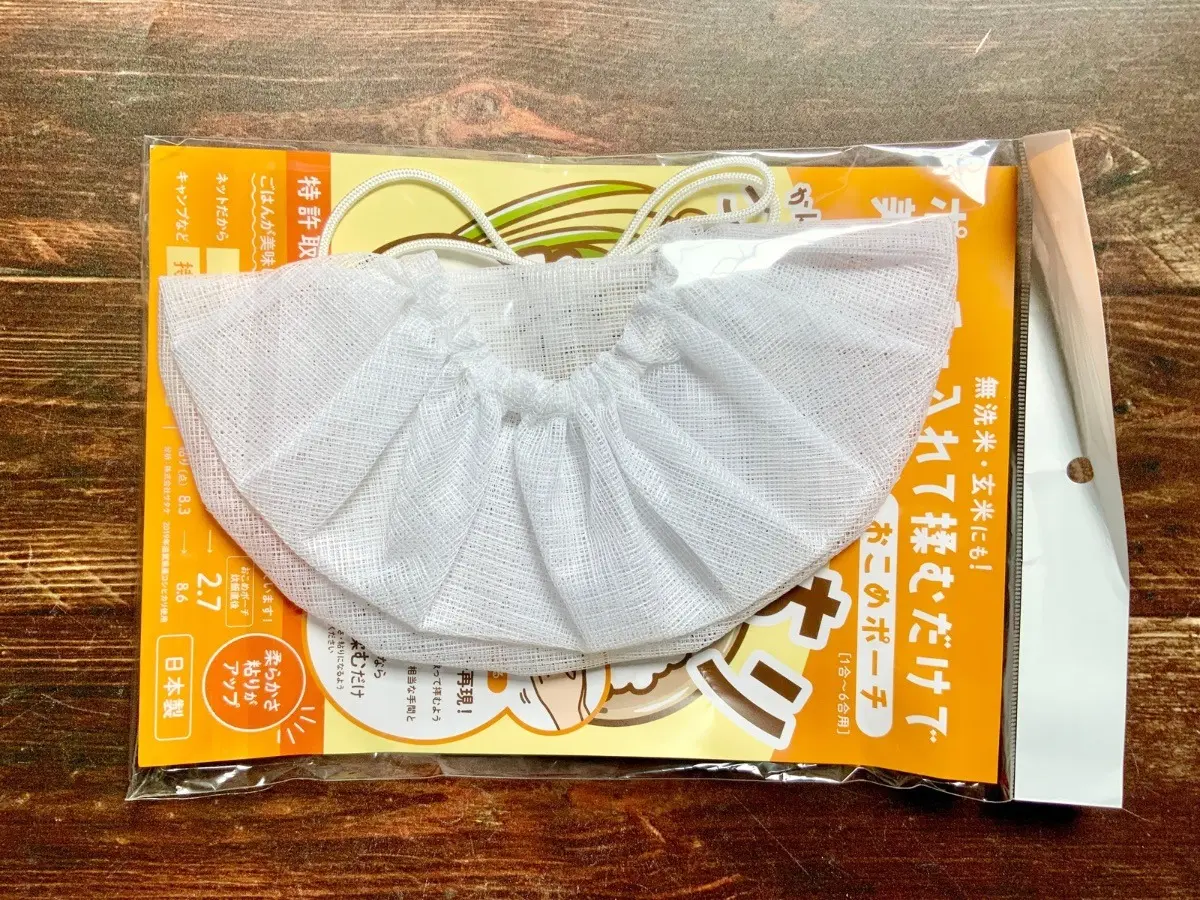
Enter the Okome Pouch, a brilliantly engineered, deceptively simple Japanese kitchen accessory designed to upend traditional grain preparation. Derived from okome—the Japanese word for uncooked rice—this gauze-like, drawstring-equipped pouch utilizes a patented technology explicitly calibrated to mimic, and arguably elevate, the ideal traditional Japanese rice-washing process. By restricting the movement of the grains within a confined space, the pouch forces continuous grain-on-grain friction during the kneading phase. This mechanical interaction introduces microscopic surface abrasions that fundamentally alter how heat penetrates each individual kernel during cooking.
Priced affordably at approximately 1,920 yen (roughly $13 USD) and available through major Japanese e-commerce channels like Amazon and Rakuten, the Okome Pouch has captured the attention of culinary enthusiasts and busy home cooks alike. Recently put through rigorous hands-on testing, this clever gadget proves that it is far more than a mere gimmick. Delivering visibly glossier, exceptionally plump, and noticeably softer rice without a single dropped grain, the Okome Pouch bridges the gap between artisanal cooking techniques and modern domestic convenience.

Detailed Chronology: A Step-by-Step Practical Evaluation
To truly understand the value proposition of the Okome Pouch, one must examine the workflow it introduces to the home kitchen. The testing process revealed a streamlined, remarkably clean methodology that fundamentally contrasts with traditional bowl-washing techniques.
Phase 1: Unboxing, Sizing, and Sterilization
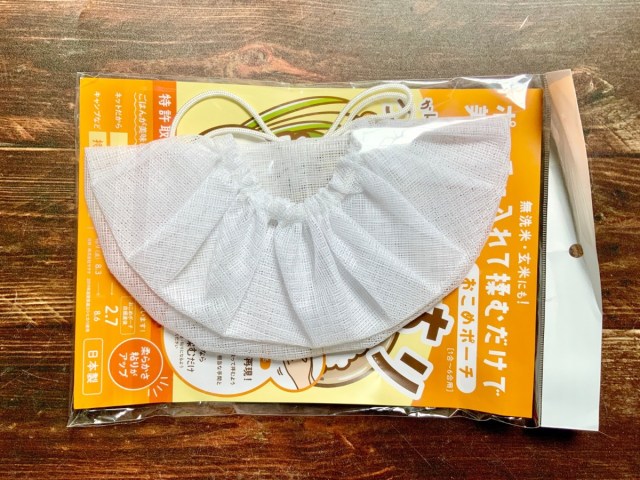
The Okome Pouch is manufactured in Japan from a specialized, highly durable gauze-like textile designed to withstand repetitive mechanical stress and thermal cycling. Recognizing that households consume rice in vastly different quantities, the manufacturer offers the product in three distinct sizes, measured in traditional Japanese go units (where one go equals approximately 180 milliliters, or roughly 0.76 U.S. cups):
- Small (1-3 go): Ideal for single-person households or couples.
- Medium (1-6 go): The versatile standard choice for average families.
- Large (1-9 go): Built for large households or meal-prepping enthusiasts.
For testing purposes, the medium 1-6 go variety was selected. Per the manufacturer’s rigorous hygiene guidelines, the very first step in the chronology required boiling the pristine pouch to completely sterilize the material before its initial culinary deployment. Once sterilized and cooled, the user-friendly nature of the product immediately came to light.
Phase 2: Loading, Rinsing, and the Kneading Method
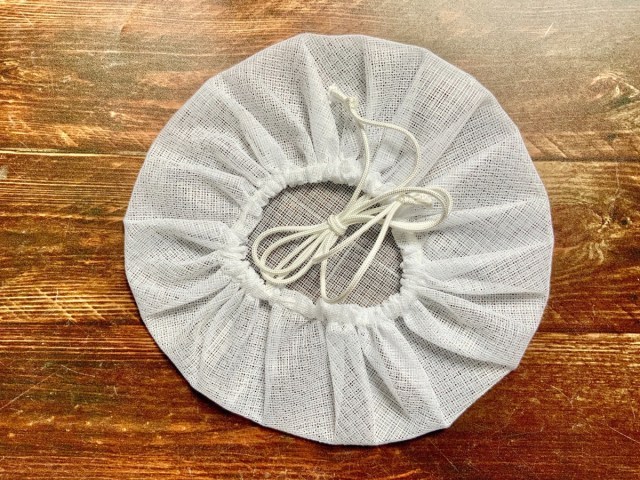
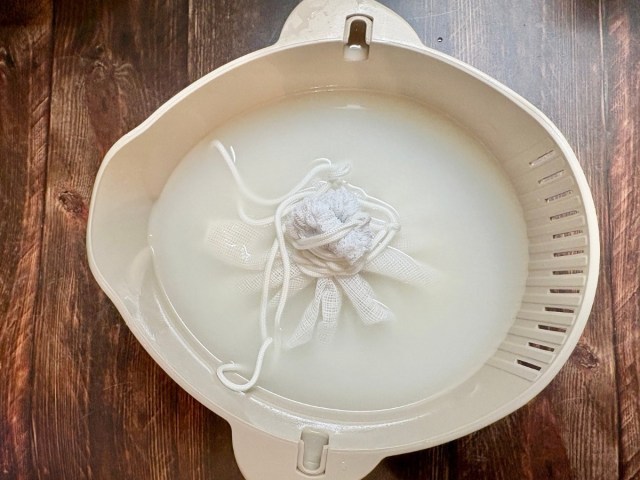
With the pouch placed inside a standard kitchen rice-washing bowl, the desired measurement of dry white rice was poured directly into the fabric cavity, accompanied by fresh water. The drawstring opening was pulled securely shut, containing the entirety of the harvest.
The rinsing protocol commenced with a straightforward mechanical action: dunking the submerged pouch up and down to flush away initial surface starches and dust before pouring away the turbid liquid. Next came the core of the patented methodology. With the rope tightly wrapped around the opening to lock the contents in place, the pouch underwent 15 to 30 seconds of intensive kneading.
The product manual outlines three distinct kinetic approaches depending on user preference and environment:
- Underwater Kneading: Agitating the pouch while it remains submerged in a basin of water.
- Air Kneading: Kneading the pouch dynamically outside of standing water.
- Rolling Kneading: Pushing and rolling the pouch firmly across a flat cutting board surface.
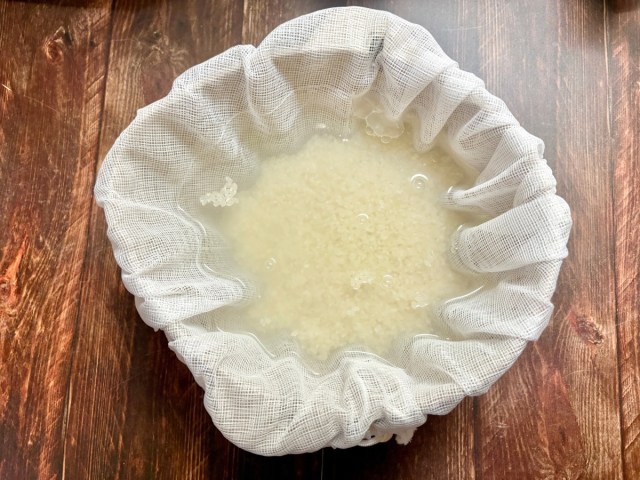
The testing team opted for underwater kneading. Within seconds, the surrounding water transformed into a milky-white suspension as excess bran and surface starches were stripped away. After draining this initial wash and executing two subsequent rinses with clean water, the prep work was entirely complete. Most notably, the physical barrier of the gauze meant that exactly zero grains of rice were lost to the kitchen sink—a minor victory that anyone who has ever cooked rice will deeply appreciate.
Phase 3: Soaking, Cooking, and Comparative Analysis
In conventional Japanese cooking traditions, washed rice is left to rest and absorb moisture in a basin for approximately 30 minutes prior to heating. With the Okome Pouch, this critical hydration step is streamlined: the rice simply remains sequestered inside the fabric pouch while soaking in fresh water for the exact same duration.
Following the soak, the pouch was emptied into a traditional donabe (Japanese clay pot) for cooking. Once the thermal cycle concluded and the rice had naturally steamed, the evaluation team conducted a side-by-side visual and sensory comparison against a control batch prepared using traditional bowl-washing methods.

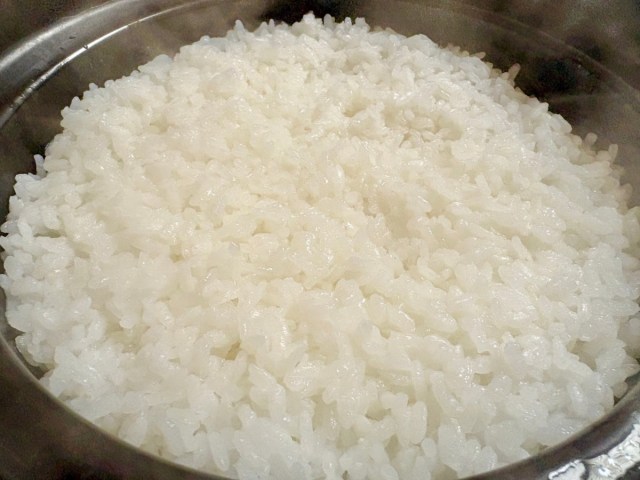
- Visual Assessment: At first glance, the visual disparity was subtle, though a discerning eye noted that the Okome Pouch batch exhibited a noticeably superior, glossy sheen.
- Texture and Mouthfeel: The moment of truth arrived with the first bite. The Okome Pouch-washed rice was immediately distinct. The texture was remarkably softer, and every individual grain stood proud—uniquely plump, perfectly firm at the core, yet entirely free of sogginess or mushiness.
- Blind Consumer Feedback: To eliminate confirmation bias, family members unfamiliar with the testing parameters were served the rice. Unprompted, they immediately inquired if a new brand or different grade of grain had been purchased, confirming that the textural enhancement was universally perceptible.
Supporting Context & Metrics: The Science of Surface Abrasions
Why did a simple gauze pouch yield such a dramatic improvement in mouthfeel and quality? A closer examination of the product’s metallurgical and food-science patents reveals the underlying mechanics at play.
When rice is washed in a conventional ceramic or plastic bowl, the grains float and slide loosely against one another in a disorganized fluid dynamic. While this removes loose surface bran, the friction is often inconsistent, leaving microscopic imperfections unaddressed.
The Okome Pouch solves this by engineering a constrained spatial environment. The dimensions of the pouch force the vast majority of the rice grains into continuous, high-density contact with one another. When combined with the prescribed manual kneading motion, this physical containment generates countless microscopic scratches across the hard outer surface of each grain within a compressed timeframe.
These minuscule surface abrasions serve a vital culinary function: they create microscopic pathways that allow thermal energy and moisture to penetrate deep into the starch core of the grain much more efficiently during the boiling and steaming process. Consequently, the heat reaches the very center of the kernel, ensuring uniform gelatinization of the starches. The result is the hallmark of premium Japanese dining—plump, glossy, cohesive yet distinct grains that retain their structural integrity while offering a tender bite.
Practical Advantages and Versatility
Beyond gourmet improvements to texture and flavor, the Okome Pouch introduces profound ergonomic and lifestyle benefits that redefine its utility in modern domestic environments.
1. Zero Grain Waste
In standard kitchens, sink strainers often capture dozens of stray grains during the rigorous water-changing process. Over months of cooking, this cumulative loss represents a measurable waste of food and money. The enclosed mesh system of the Okome Pouch entirely eliminates this issue.
2. Extreme Portability and Outdoor Utility
Cooking quality rice while camping, over campfires, or in cramped recreational vehicle (RV) kitchens is historically challenging due to the lack of proper, stable washing bowls and strainers. Because the Okome Pouch contains the entire process within its fabric boundaries, it serves as an indispensable tool for outdoor adventurers seeking gourmet comforts in the wild.
3. Protection for Groomed Hands
An unexpected yet highly marketable benefit of the pouch is its appeal to individuals who maintain manicured nails. Hand-washing rice in a deep bowl can easily chip or damage fresh manicures. By keeping the hands separated from the hard edges of loose grains and abrasive bowl surfaces, the Okome Pouch shields fingernails from damage.
4. Maintenance and Durability
Skeptics might worry that a fabric pouch filled with starchy rice would prove difficult to clean. However, the specialized gauze material is designed for effortless rinsing. Furthermore, the entire accessory is fully dishwasher-safe, requiring minimal post-meal effort to maintain pristine sanitary conditions for subsequent uses.
Future Outlook
As consumer interest in home-cooking innovations continues to surge—driven in part by the global renaissance of home gastronomy during recent years—kitchen gadgets that offer maximum return on minimal investment are finding a permanent home in contemporary pantries.
The Okome Pouch represents a fascinating intersection of traditional heritage cooking and clever, patented material science. By taking an ancient, essential culinary ritual and optimizing its physical dynamics, the product elevates everyday dining without demanding expensive electronic appliances or complex kitchen machinery.
For culinary purists and casual home cooks alike, this $13 investment offers an accessible gateway to restaurant-quality results. As word spreads through food-enthusiast networks and digital marketplaces, the Okome Pouch is well-positioned to transition from a clever niche import to an essential, universally adopted staple of the modern global kitchen.








Belum ada komentar. Jadilah yang pertama berkomentar!