

Executive Overview
At the bustling base of Tokyo Skytree, within the vibrant retail and entertainment complex known as Tokyo Solamachi, a unique culinary and cultural intersection has captured the imagination of locals and international travelers alike. The establishment, Negawakuba, seamlessly marries the ancient, reverent practices of Shinto folklore with the hyper-modern, highly visual world of contemporary Japanese café culture. Specializing in good-luck charms rooted in spiritual traditions, the venue has expanded its experiential footprint by introducing an attached café concept that serves seasonal, artfully crafted Japanese-style ice cream parfaits accompanied by interactive, authentic fortune-telling rituals.
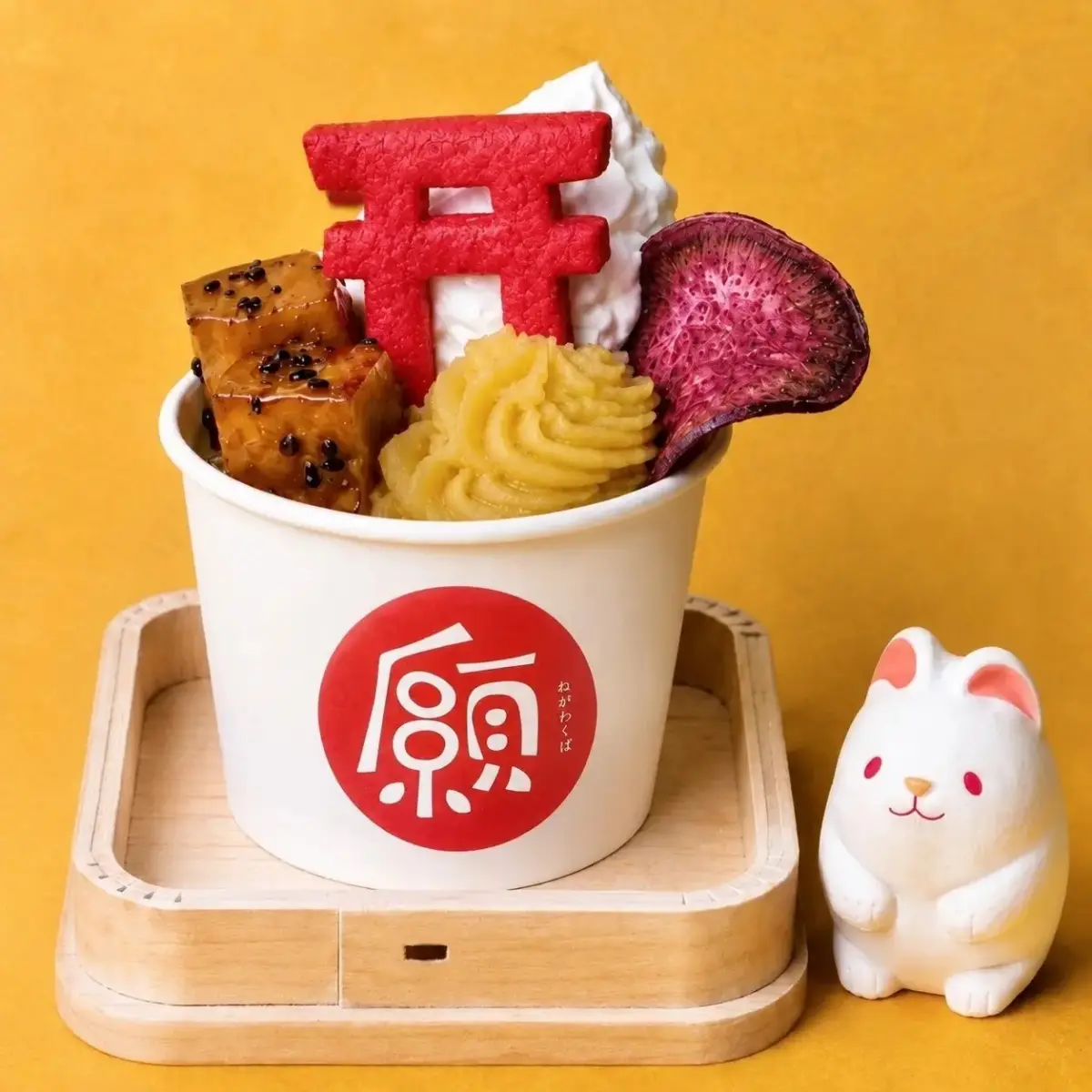
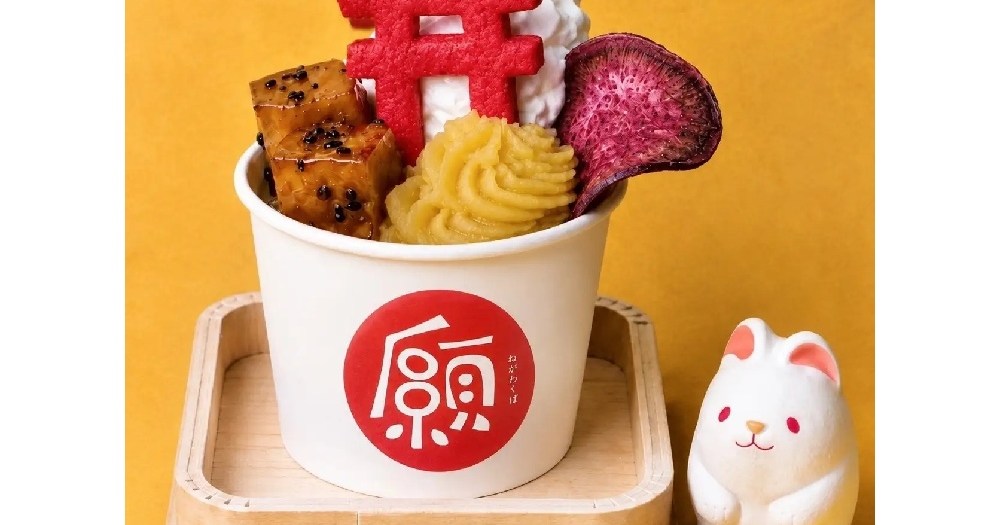
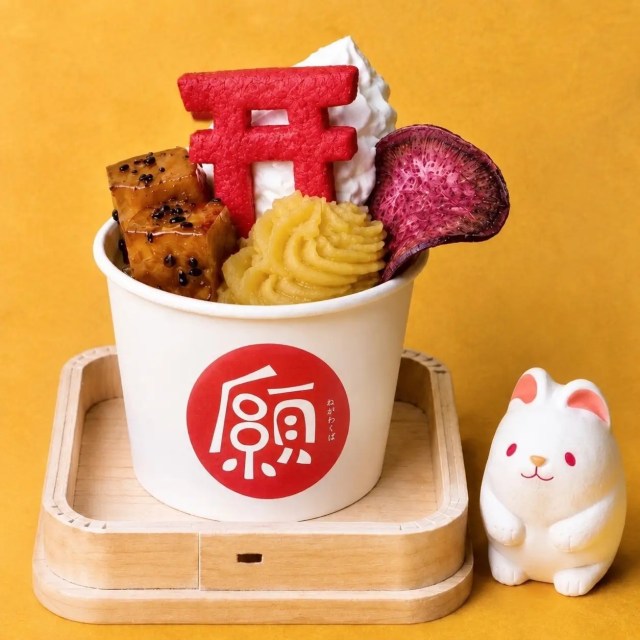
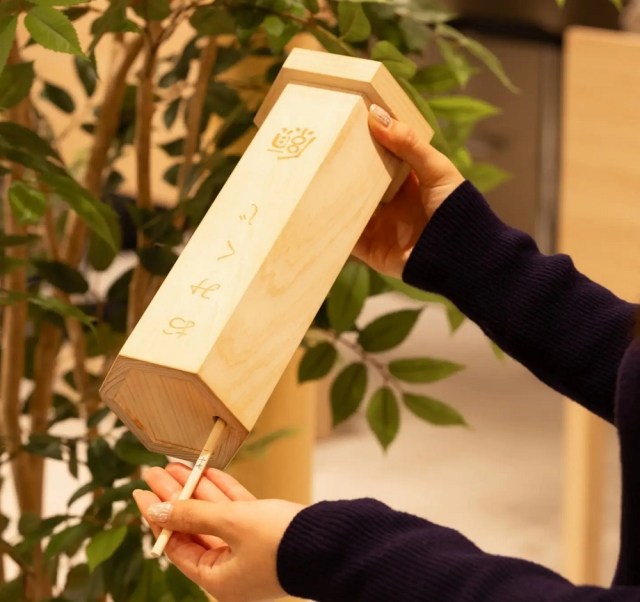
The centerpiece of this seasonal initiative is the Enmusubi no Goen Ice Manpuku no Imo—a meticulously engineered autumn dessert that is as rich in linguistic and cultural puns as it is in flavor. Designed to evoke both the visual majesty of a Shinto shrine and the comforting, earthy notes of an autumn harvest in Japan, the parfait offers a multi-sensory experience. Beyond the culinary presentation of salty vanilla ice cream, cloud-like espuma cream, sweet potato chips, smooth sweet potato paste, and glazed daigaku imo, the dessert serves as a gateway to traditional practices. Diners are invited to participate in centuries-old customs: drawing fortunes from traditional mikuji boxes, ringing sacred kagura suzu bells with heartfelt wishes, and even taking home an usagi mikuji collectible figurine.
This comprehensive report examines the cultural significance, linguistic cleverness, and experiential design behind Negawakuba’s autumn offering. Through an exploration of the Shinto concept of enmusubi, a detailed breakdown of the dessert’s composition, and an analysis of how modern Japanese retail spaces leverage traditional folklore, we uncover how a simple bowl of ice cream becomes a profound meditation on fate, fortune, and human connection.
Detailed Chronology
The Evolution of Solamachi’s Cultural Retail Space
The journey toward the creation of the Enmusubi no Goen Ice Manpuku no Imo began with the broader commercial and cultural evolution of Tokyo Solamachi. Situated in the Oshiage neighborhood of Sumida Ward, Tokyo Skytree towers above the city as an architectural marvel. However, the true heartbeat of the ground-level complex lies in its ability to curate spaces that bridge ultra-modern metropolitan life with traditional Japanese heritage.
Negawakuba established itself within this ecosystem as a purveyor of authentic good-luck charms, drawing heavily from regional folklore, Shinto traditions, and protective talismans. Recognizing that modern consumers—particularly younger generations and domestic tourists—increasingly seek experiential retail rather than passive shopping, the brand conceptualized an adjacent café space. This café was designed to transform abstract spiritual concepts like fate, luck, and interpersonal bonding (enmusubi) into tangible, edible, and interactive moments.
The Conceptualization of the Autumn Menu
As the stifling heat of the Japanese summer gives way to the crisp, reflective atmosphere of autumn, culinary trends across Tokyo shift toward warm, comforting, and earthy ingredients. Sweet potatoes (imo), harvested during the autumn months, occupy a revered place in Japanese comfort food culture.
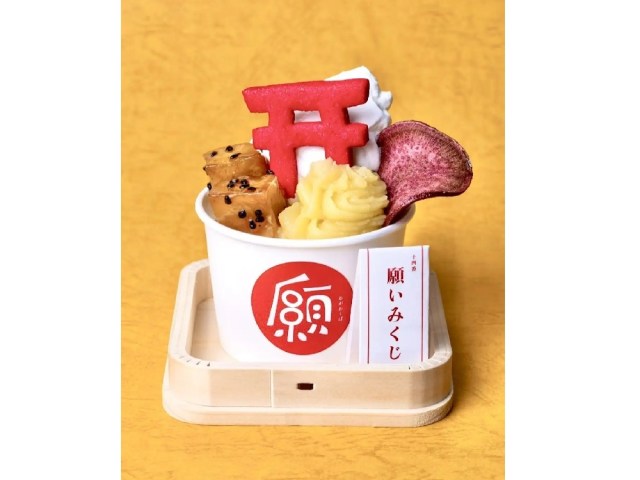
The culinary team at Negawakuba set out to design a seasonal menu item that would honor this autumnal harvest while deeply integrating the store’s core mission of spiritual alignment. The result was a multi-tiered parfait structure anchored by a striking visual focal point: a miniature cookie meticulously shaped and colored to resemble a bright red torii gate—the iconic architectural portal marking the boundary between the profane world and the sacred space of a Shinto shrine.
Launch and Public Reception
The rollout of the Enmusubi no Goen Ice Manpuku no Imo was timed strategically for the autumn season. Upon its debut, the dessert immediately garnered attention across digital platforms and traditional media outlets alike, driven by its photogenic composition and the unique interactive rituals attached to it.
Rather than merely purchasing a dessert across a counter, patrons engage in a multi-step ritual:
- Selection & Ordering: Customers choose between an a la carte order, a set paired with specialty black tea from Izumo, or the comprehensive fortune bundle featuring the usagi mikuji rabbit figurine.
- The Culinary Experience: Diners deconstruct the parfait, experiencing the interplay of salty vanilla ice cream, sweet potato textures, and the thematic torii cookie.
- Spiritual Engagement: Whether they purchase the figurine set or opt for the standard menu item, patrons are invited to draw a traditional paper fortune from a mikuji box and ring the sacred kagura suzu bells to seal their wishes.
Supporting Context & Metrics
Linguistic Nuances and Cultural Puns
To fully appreciate the Enmusubi no Goen Ice Manpuku no Imo, one must examine the dense layers of Japanese wordplay embedded in its title. The Japanese language frequently utilizes homophones and alternative kanji characters to imbue everyday phrases with auspicious double meanings.
- Enmusubi (縁結び): Traditionally translating to "good luck in forming relationships," enmusubi is most commonly associated with finding romance, marriage, and soulmates at Shinto shrines. However, in a broader cultural context, it extends to fostering successful business partnerships, enduring friendships, and meaningful interpersonal connections.
- Goen (御縁 vs. 御塩): The word goen represents a fortunate or auspicious connection. However, when written with alternative kanji or interpreted through culinary puns within the menu, it references "honorable salt." This linguistic bridge directly justifies and explains the inclusion of salty vanilla ice cream as the foundational base of the dessert, grounding a spiritual concept into a flavor profile.
- Manpuku (満腹 vs. 万福): The term manpuku in the dessert’s title uses the kanji for "10,000 blessings" (manpuku / 万福). Yet, in the context of dining, the exact same phonetic sound written with different characters means "a full and satisfied stomach" (manpuku / 満腹). Thus, the name simultaneously promises spiritual abundance and culinary satiation.
- Imo (芋): Simply translating to potato or sweet potato, imo anchors the seasonal identity of the dish, representing both the agricultural bounty of autumn and the comforting, storable nature of the root vegetable in Japanese culinary history.
Comprehensive Ingredient Breakdown
The Enmusubi no Goen Ice Manpuku no Imo is a masterclass in textural and flavor balancing. Every component has been selected to reinforce the visual and thematic narrative of a sacred autumn shrine visit:
- The Torii Cookie: Hand-crafted and dyed a vibrant Shinto shrine red, this cookie sits proudly atop the parfait, serving as the literal gateway into the dessert.
- Espuma Cream: Whipped using advanced culinary gas-siphon techniques, this airy, cloud-like dollop of cream creates a soft visual backdrop for the torii gate, symbolizing the ethereal atmosphere of sacred mountain shrines.
- Sweet Potato Chips: Providing an initial crisp, crackling crunch, these thin-sliced chips offer a savory-sweet introduction to the potato motif.
- Smooth Sweet Potato Paste: Offering a velvety, dense counterpoint to the airy espuma and ice cream, the paste delivers a concentrated burst of natural sweetness.
- Daigaku Imo: Literally translating to "university potato," these deep-fried blocks of sweet potato are glazed in a glossy, sweet syrup and generously sprinkled with nutty black sesame seeds. Their inclusion nods to traditional Japanese home-style autumn treats.
- Salty Vanilla Ice Cream: Serving as the chilled bedrock of the parfait, the saline notes in the vanilla base cut through the rich sweetness of the potato components while cleverly nodding to the concept of goen (honorable salt).
Pricing and Offering Metrics
Negawakuba has structured the menu to accommodate various levels of customer engagement, balancing accessibility with collectible value:
| Offering Tier | Components | Price (Yen / USD Equivalent) |
|---|---|---|
| A La Carte Parfait | Enmusubi no Goen Ice Manpuku no Imo (dine-in or take-out) + Traditional mikuji fortune draw + Bell-ringing ritual | ¥750 JPY (~$5.00 USD) |
| Izumo Tea Set | Parfait + Cup of black tea grown in Izumo, Shimane Prefecture (renowned for enmusubi significance) + Fortune draw + Bell ritual | Competitive regional pricing |
| Usagi Mikuji Bundle Set | Parfait + Collectible rabbit figurine containing a paper fortune (usagi mikuji) + Fortune draw + Bell ritual | ¥1,275 JPY (~$8.00 USD) |
Official Statements and Cultural Significance
Bridging Tourism, Spirituality, and Gastronomy
While Negawakuba operates primarily as a retail merchant of good-luck charms, the integration of its café division represents a sophisticated shift in how cultural spaces engage modern consumers. Industry analysts note that experiential retail—where the consumer does not merely purchase an object, but participates in a curated narrative—yields significantly higher customer engagement and brand loyalty.
Cultural historians point out that visiting shrines (hatsumode, seasonal festival visits, or personal spiritual journeys) has long been intertwined with culinary indulgence in Japan. Temple and shrine precincts are universally flanked by food stalls (yatai) selling treats like dango, cotton candy, and roasted sweet potatoes. Negawakuba has effectively inverted this spatial dynamic: rather than placing food stalls outside a spiritual site, they have built a spiritual and ritualistic framework inside a modern retail café at the base of Tokyo Skytree.
The Significance of Izumo and Usagi Lore
The inclusion of black tea from Izumo in the upgraded menu tier is a deliberate nod to one of Japan’s most spiritually significant regions. Izumo, located in Shimane Prefecture, is home to Izumo Taisha—widely regarded as one of the oldest and most powerful Shinto shrines in the nation. According to Shinto mythology, the gods of all of Japan gather at Izumo every autumn (known nationally as Kamiarizuki, or "the month when the gods are present") to deliberate on human affairs, most notably matchmaking and interpersonal bonds (enmusubi). By sourcing tea from this sacred region, the café establishes an authentic geographic and spiritual lineage for its patrons.
Similarly, the usagi mikuji (rabbit fortune figurine) draws upon ancient folklore where rabbits are viewed as divine messengers or auspicious symbols. In Japanese mythology, the rabbit of Inaba is a central figure in tales of healing, kindness, and relationship-building. Offering these ceramic keepsakes allows visitors to carry a piece of Japanese folklore away with them long after the ice cream has melted.
Future Outlook
The Trajectory of Experiential Food Culture in Tokyo
The success of Negawakuba’s autumn parfait initiative highlights a growing appetite for narrative-driven, interactive gastronomy in metropolitan Tokyo. As international tourism rebounds to record highs and domestic consumers increasingly value mindfulness, storytelling, and cultural connection, food businesses that rely solely on taste profiles are finding themselves challenged to offer deeper engagement.
Industry observers predict that concepts like Negawakuba’s "fortune-telling parfait" will influence future culinary developments across Tokyo Solamachi and other major entertainment hubs. By transforming a simple dessert into an active ritual—complete with fortune drawing, bell-ringing, and linguistic wordplay—the establishment has created a blueprint for how traditional heritage can be successfully revitalized for contemporary audiences.
Availability and Operational Details
For those planning to visit this unique culinary shrine at the base of Tokyo Skytree, operations are managed as follows:
- Location: Tokyo Solamachi, East Yard, 4th Floor (1-1-2 Oshiage, Sumida-ku, Tokyo)
- Operating Hours: 10:00 AM – 9:00 PM daily
- Availability: The Enmusubi no Goen Ice Manpuku no Imo is currently on sale as both an eat-in and take-out item. Management has confirmed that the seasonal offering will remain available while supplies last, making early arrival advisable for enthusiasts eager to secure both the culinary treat and the limited-edition usagi mikuji bundles.
As Tokyo continues to look toward both its ultra-modern future and its deep historical roots, spaces like Negawakuba prove that the path to a satisfied heart—and a full stomach—can be paved with sweet potatoes, sacred bells, and a little bit of divine fortune.






Belum ada komentar. Jadilah yang pertama berkomentar!