

Executive Overview
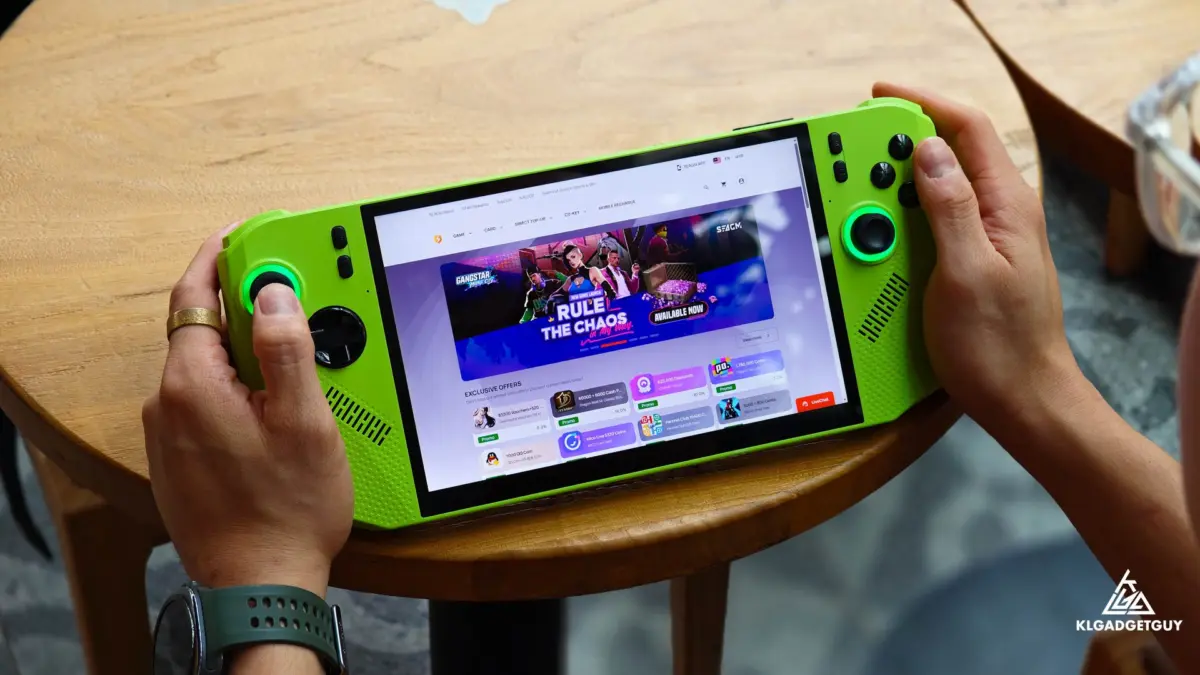
The unboxing of a new gaming device—whether it is a high-performance gaming laptop, a portable handheld console, a flagship smartphone, or a next-generation living room home console—remains one of the most universally exciting experiences in modern technology. For most enthusiasts, the immediate impulse upon powering up a newly configured machine is to dive straight into digital storefronts, download libraries of favorite titles, and jump into online matches.
However, acquiring the hardware is merely the foundational first step of the modern interactive entertainment experience. True immersion requires an ongoing supply of software licenses, seasonal downloadable content (DLC), platform subscriptions, expansions, and, increasingly, live-service in-game currencies. In an era defined by multi-platform ecosystems—where a single gamer might seamlessly transition from a Steam library on a PC during the day to Mobile Legends on a smartphone during a commute, and finish the evening with a PlayStation or Nintendo title in the living room—managing digital finances has become remarkably complex.
Navigating this fragmented digital marketplace often means jumping endlessly between disparate storefronts, wrestling with region-locked payment gateways, and exposing credit card information across a dozen different web portals. Enter SEAGM (Sea Gamer Mall), a centralized digital marketplace that has fundamentally transformed how gamers manage their virtual wallets. By consolidating thousands of digital game cards, subscription vouchers, and direct top-ups for platforms like Steam, PlayStation Network, Nintendo eShop, and top mobile titles into a single, unified interface, SEAGM offers an invaluable alternative to direct platform purchasing. This article examines the structural evolution of the digital top-up market, the friction points of direct-from-publisher transactions, and why platforms like SEAGM have evolved from niche storefronts into essential utility bookmarks for modern gamers.
Detailed Chronology: The Evolution of Digital Gaming Commerce
To truly understand the value proposition of centralized digital marketplaces like SEAGM, one must examine the broader historical trajectory of how video game distribution shifted from physical goods to digital ecosystems.
The Era of Physical Media and Retail Monopoly (Pre-2010s)
For decades, purchasing video games and supplementary content was an entirely physical affair. Gamers visited brick-and-mortar retail outlets to purchase cartridges, optical discs, expansion discs, and physical subscription cards. If a player wanted to add credit to an account or purchase a digital add-on, they typically had to buy a scratch-off physical gift card from a local electronics store. While straightforward, this system was constrained by geographical proximity, store operating hours, and physical inventory limits.
The Digital Revolution and Platform Fragmentation (2010–2020)
As broadband internet speeds accelerated and digital storefronts like Valve’s Steam, Microsoft’s Xbox Live, the PlayStation Network, and the Apple App Store matured, the industry rapidly pivoted away from physical media. Digital distribution eliminated the need for plastic discs, offering instant gratification through direct downloads.
However, this transition introduced a new administrative headache for consumers. Every major publisher and console manufacturer established a closed ecosystem. A PC gamer might use Steam, Epic Games Store, and GOG; a console gamer might split time between PlayStation and Nintendo; and mobile gamers were tethered to Google Play or the iOS App Store. Each walled garden required its own stored payment method, its own currency conversion rates, and its own checkout process. Consequently, players found their credit card data scattered across numerous platforms, raising legitimate security concerns regarding data privacy and recurring subscription management.
The Rise of Centralized Digital Intermediaries (2020–Present)
Recognizing the administrative friction inherent in managing multiple closed-loop ecosystems, third-party digital distribution platforms emerged to bridge the gap. SEAGM positioned itself at the forefront of this movement. Rather than forcing users to maintain active credit card linkages across dozens of separate gaming accounts, SEAGM pioneered a centralized hub model. By partnering directly with regional publishers and leveraging localized payment infrastructure, the platform allowed users to purchase universal digital codes, regional wallet credits, and direct in-game currency top-ups using localized payment methods that major Western publishers often failed to support.
Supporting Context & Metrics: Navigating the Friction of Direct Purchases
While purchasing content directly from primary storefronts like Steam, PlayStation, or mobile app stores is often the default choice, it is rarely frictionless for a vast segment of the global gaming population. A close examination of modern consumer pain points reveals several structural hurdles that justify the existence of third-party digital marketplaces.
1. Payment Method Availability and Localization
Not all gamers possess internationally recognized credit cards or standard payment vectors accepted by global digital storefronts. In many emerging markets, consumers rely heavily on regional e-wallets, online banking transfers, over-the-counter convenience store payments, or carrier billing. Primary storefronts frequently lack integration with these localized payment options. Platforms like SEAGM bridge this gap by supporting a vast array of regional payment gateways, ensuring that gamers regardless of geographic location can seamlessly fund their accounts.
2. Currency Limitations and Region Locking
Cross-border digital purchases are frequently plagued by unfavorable currency conversion rates, unexpected foreign transaction fees, and strict regional lockout policies. Direct storefronts often tie account regions rigidly to physical credit card billing addresses, making it difficult for expatriates, travelers, or multi-region enthusiasts to purchase content across different regional stores. SEAGM offers a granular selection of region-specific game cards and digital codes, giving users greater flexibility in managing multi-regional gaming profiles.
3. Financial Security and Budgetary Control
Exposing primary credit or debit card details to multiple online merchants increases the statistical surface area for potential security breaches or unauthorized transactions. Furthermore, modern digital ecosystems are designed to encourage impulse spending, often leading to unintended microtransaction fatigue.
Utilizing prepaid digital credits—such as buying a fixed-denomination Steam Wallet card or PlayStation Network card via SEAGM—establishes a strict psychological and financial boundary. Gamers can purchase a set amount of credit, load it into their accounts, and effectively operate on a prepaid budget. This approach is particularly advantageous for parents seeking to gift gaming allowances to children without exposing family credit cards to unrestricted, unmonitored digital storefront purchases.
4. Promotional Value and Coupon Ecosystems
Independent digital retailers frequently compete for market share by introducing aggressive discount structures, seasonal promotions, and dynamic coupon systems. Platforms like SEAGM routinely offer promotional discount codes and loyalty reward programs that allow frugal gamers to acquire digital credit, subscription cards, and game keys at a lower effective cost than purchasing directly from primary storefronts.
Special Focus: The Unique Demands of Mobile and Live-Service Gamers
While PC and console gamers certainly benefit from centralized wallet top-ups, the value proposition of platforms like SEAGM is magnified exponentially within the mobile gaming sector.
The Proliferation of Live-Service Economies
Modern mobile gaming is dominated by free-to-play, live-service titles characterized by continuous content updates, battle passes, and cosmetic microtransactions. Games like Mobile Legends: Bang Bang, PUBG Mobile, Genshin Impact, and Honor of Kings rely on proprietary in-game currencies (such as Diamonds, UC, or Primogems) to drive engagement and monetization.
For hardcore enthusiasts who actively participate in multiple live-service games simultaneously, topping up accounts directly through native mobile app stores can be cumbersome. It often requires navigating multiple nested menus, authenticating through mobile wallet pop-ups, and managing receipts across separate Apple ID or Google Play profiles.
The Power of Direct Top-Ups
SEAGM addresses this specific logistical challenge by offering direct game top-ups. Instead of purchasing a generic app store gift card, redeeming it, and subsequently navigating the game’s internal shop interface, users can execute a direct top-up via SEAGM by simply entering their official user ID and server zone.
Within moments, currencies like Mobile Legends Diamonds or PUBG Mobile UC are credited directly to the player’s account. This streamlined procedure eliminates intermediate steps, reduces the risk of transaction errors, and allows multi-game players to manage all their virtual assets from a single browser tab.
Crucial Consumer Advisory: When utilizing direct top-up services or purchasing digital codes, users must exercise due diligence. Digital assets are frequently region-specific and platform-locked. Gamers must verify that the selected product denomination, regional server compatibility, and redemption requirements perfectly align with their active gaming profile before finalizing any transaction.
Future Outlook: The Trajectory of Digital Gaming Retail
As the video game industry continues its relentless march toward an all-digital future, the infrastructure supporting digital commerce will inevitably evolve. Several key trends are poised to shape the landscape of digital retail over the coming years:
1. Deepening Integration of Cloud Gaming and Cross-Progression
With the expansion of cloud gaming services (such as Xbox Cloud Gaming, NVIDIA GeForce NOW, and Amazon Luna), physical hardware constraints are dissolving. Gamers can stream high-end titles to low-power laptops, tablets, and smart TVs. As hardware becomes increasingly decoupled from software execution, the need for agile, platform-agnostic digital account funding will only intensify. Centralized marketplaces positioned to serve multiple cloud ecosystems simultaneously will find themselves at the center of consumer attention.
2. Enhanced Fraud Prevention and Instant Delivery Protocols
The digital top-up market relies heavily on instantaneous digital code generation and secure API-driven direct top-ups. Future advancements in automated verification, fraud detection algorithms, and blockchain-backed digital asset tracking will likely make transactions even faster and more secure, virtually eliminating delivery lag and mitigating code fraud.
3. The Coexistence of Primary and Secondary Gateways
Rather than replacing primary publishers like Valve, Sony, Nintendo, or Tencent, third-party platforms like SEAGM are carving out a permanent niche as complementary digital concierges. By solving localized payment friction, offering curated promotional discounts, and streamlining cross-platform budgeting, these aggregators ensure that gamers spend less time wrestling with administrative hurdles and more time actually playing.
Conclusion
Hardware innovation continues to push the boundaries of what is possible in interactive entertainment. Modern gaming laptops boast unprecedented frame rates, handheld consoles deliver desktop-class experiences on the go, and mobile devices handle graphically intensive open-world epics. Yet, the finest hardware remains inert without a steady stream of engaging content, software licenses, and digital currency.
While platforms like Steam, PlayStation Network, and mobile app stores will always serve as the primary foundational pillars of digital distribution, they do not always cater smoothly to the diverse, globalized needs of the modern gamer. By functioning as a comprehensive, secure, and flexible gateway across multiple gaming ecosystems, SEAGM has established itself as an indispensable utility for enthusiasts navigating the complexities of modern digital commerce.
Once your shiny new gaming device is unboxed, configured, and updated, adding a reliable cross-platform digital hub like SEAGM to your browser bookmarks is a practical step toward a frictionless gaming lifestyle.
To explore current promotions, check regional product availability, or browse thousands of digital gaming solutions, visit the official SEAGM website today.






Belum ada komentar. Jadilah yang pertama berkomentar!