

Executive Overview
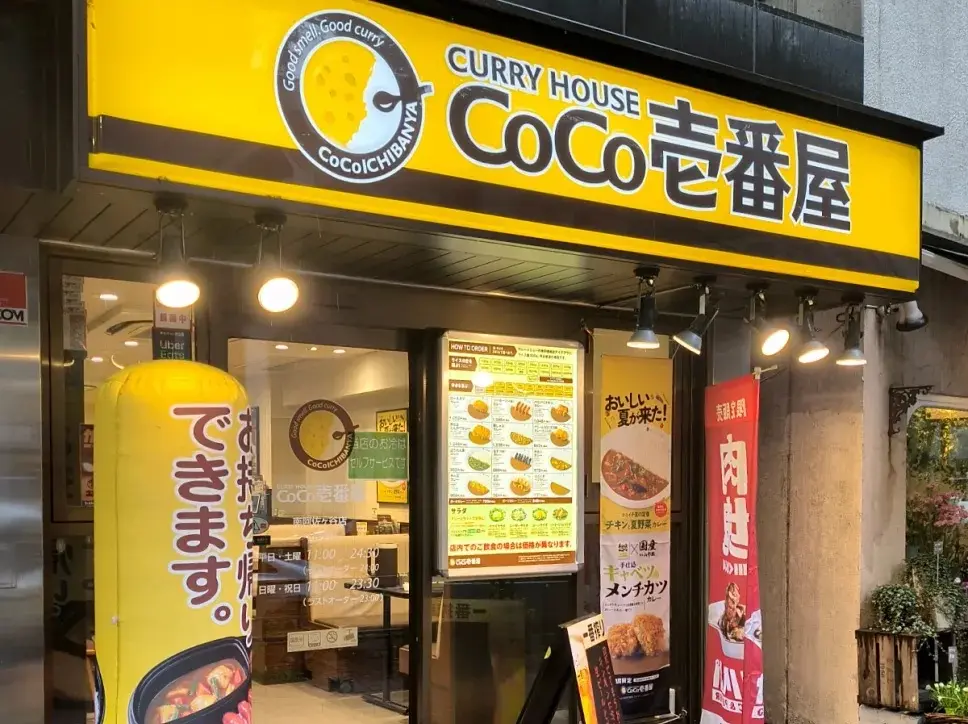
For millions of people across the globe, Japanese curry rice is the ultimate comfort food—a deeply savory, aromatic dish that occupies a sacred space in the nation’s culinary landscape. At the very heart of this cultural obsession stands Curry House Coco Ichibanya, universally known as "Cocoichi." Founded in Nagoya nearly half a century ago, the restaurant chain grew from a humble local eatery into an international juggernaut, boasting thousands of franchises and establishing itself as the undisputed king of Japanese curry.
Yet, even culinary royalty is not immune to the cold, hard realities of shifting global economics, rising inflation, and cultural dining habits. Recently, rumblings within Japan’s financial sectors have indicated that House Foods Group—the parent company holding a controlling stake in Ichibanya Co., Ltd.—is actively evaluating a potential divestment of its ownership. As part of a broader corporate portfolio re-evaluation aimed at sharpening its focus on higher-margin, high-growth ventures, House Foods is weighing its options, which reportedly range from a full sale to taking the curry giant private.
This potential pivot comes at a paradoxical time for the chain. Despite posting robust overall sales revenues, the bottom line tells a starkly different story. Surging ingredients costs, coupled with strict cultural ceilings on what Japanese consumers are willing to pay for what they perceive as humble comfort food, have squeezed profit margins to a precarious degree. As the corporate architects behind Cocoichi ponder its next chapter, foodies, investors, and loyal patrons alike are left wondering what the future holds for Japan’s favorite plate of curry.
Detailed Chronology: From Nagoya Roots to Corporate Control
To understand the weight of House Foods’ current deliberations, one must look back at the humble origins and the strategic corporate maneuvers that forged the modern Cocoichi empire.
1978–2015: The Rise of an Empire
The story of Cocoichi began in 1978 in the bustling city of Nagoya, Aichi Prefecture. Founded by Kazuo Tomeyama and his wife Yasue, the initial establishment was built on a simple yet revolutionary premise: customizable curry dishes where customers could choose their preferred portion size, spice level, and array of toppings. From its earliest days, the fledgling restaurant relied on curry roux supplied by House Foods Group, a titan in the Japanese packaged food industry.
As the years progressed, the partnership deepened. House Foods watched closely as Cocoichi’s footprint expanded across the Japanese archipelago and eventually crossed international borders. Recognizing the immense, untapped potential of the restaurant sector, House Foods steadily increased its equity stake in Ichibanya Co., Ltd.
The turning point arrived in 2015. In a massive display of corporate confidence, House Foods poured an additional 30 billion yen (approximately $189 million USD at the time) into purchasing more Ichibanya stock. This aggressive acquisition elevated House Foods’ ownership from a modest 19.5 percent to a commanding 51 percent majority stake. With this transaction, Ichibanya officially became a consolidated subsidiary of House Foods Group, fusing packaged goods manufacturing with massive restaurant-level distribution.
2024–2026: The Economic Squeeze
For nearly a decade following the 2015 acquisition, the partnership appeared mutually beneficial. However, the post-pandemic economic climate introduced unprecedented headwinds. By 2024, inflationary pressures began rippling through global supply chains, driving up the costs of essential ingredients—from imported spices and cooking oils to meat and agricultural produce.
Faced with mounting operational expenditures, Cocoichi management felt compelled to introduce incremental price hikes. These adjustments, however, immediately triggered a psychological barrier among Japanese diners. By 2025, reports began circulating that the chain was experiencing noticeable customer attrition. While initial revenue figures were temporarily propped up by higher per-person spending, the fundamental math of the restaurant business soon turned hostile. By the close of the 2025 fiscal year, the warning signs could no longer be ignored, prompting House Foods Group executives to seriously re-examine their long-term strategic positioning and consider severing or restructuring their ties with Japan’s premier curry chain.
Supporting Context & Metrics: The Economics of Comfort Food
The predicament facing Coco Ichibanya offers a fascinating case study in the intersection of macroeconomics, corporate finance, and deeply ingrained cultural food traditions. Why is a restaurant chain pulling in tens of billions of yen suddenly struggling to generate healthy profits? The answer lies in a delicate matrix of financial data and consumer psychology.
Financial Performance: Revenue Up, Net Income Down
A cursory glance at Ichibanya’s fiscal year 2025 financial reports might suggest a healthy enterprise. The company posted total sales revenue of 65.5 billion yen, representing a solid 7.4 percent increase compared to the previous year. More people, on paper, were still walking through the doors or ordering delivery.
However, a dive into the net income tells a sobering story. During that same fiscal period, Ichibanya’s net income plummeted to 2.5 billion yen—a steep 19.2 percent year-on-year drop. Financial analysts point directly to skyrocketing ingredient and operational costs as the primary culprits.
+-------------------------------------------------------------+
|               ICHIBANYA FY2025 FINANCIAL SNAPSHOT           |
+-----------------------------+-------------------------------+
| Sales Revenue               | 65.5 Billion Yen (+7.4%)      |
| Net Income                  | 2.5 Billion Yen (-19.2%)      |
| Primary Pressure Point      | Escalating Ingredient Costs   |
+-----------------------------+-------------------------------+
The Cultural Ceiling: Curry as Affordable Comfort
In Western culinary markets, ethnic or specialty comfort foods can often be repositioned as "gourmet" or "artisan" experiences, allowing restaurants to charge premium prices. In Japan, however, curry rice occupies a unique psychological tier. It is viewed universally as a comforting, unpretentious staple—simple home cooking elevated for casual dining out.
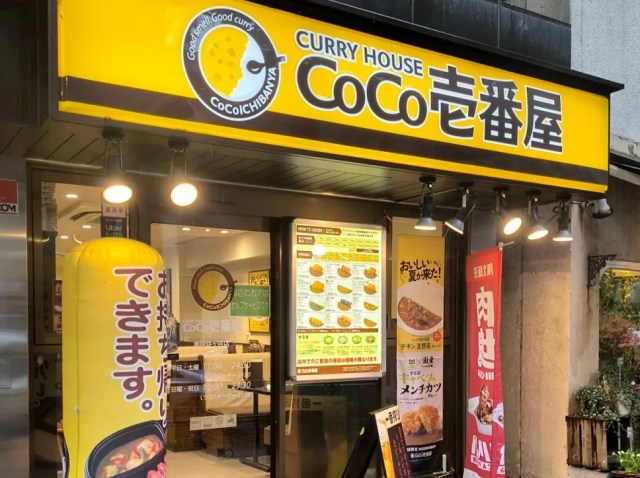
This perception creates a rigid price ceiling. No matter how exquisite the spice blend, how tender the katsu, or how welcoming the service, Japanese restaurant diners maintain a strict psychological threshold regarding how much they are willing to pay for a plate of curry. When Cocoichi attempted to offset rising overhead by raising prices, it ran headfirst into this cultural resistance, resulting in lost foot traffic.
The Home-Cooking Multiplier Effect
Compounding the pricing dilemma is the ubiquity of curry in the Japanese household. Curry is one of the most common meals prepared at home, largely due to the convenience of boxed curry roux cubes. Furthermore, curry possesses a unique domestic "multiplier effect":
- It is easily cooked in massive quantities.
- It tastes notoriously better on the second and third days as the flavors meld.
- It provides families with several consecutive days of low-cost meals.
This deeply entrenched home-cooking habit creates a fierce baseline competitor. When consumers can effortlessly whip up a massive pot of curry at home for a fraction of the cost, positioning restaurant curry as a premium, high-ticket product becomes an uphill battle. The cost-saving appeal of home-cooked meals makes it nearly impossible for curry chains to pass rising wholesale costs directly onto the consumer without risking mass alienation.
Official Statements and Industry Reactions
As news of House Foods Group’s internal deliberations leaked via prominent Japanese financial publications such as the Yomiuri Shimbun and reports syndicated through Kyodo News via Yahoo! Japan, industry watchers went on high alert.
Corporate Prudence and Non-Committal Stance
Neither House Foods Group nor Ichibanya Co., Ltd. has formally announced that the restaurant chain is definitively up for auction. Corporate spokespeople have maintained a measured, highly guarded stance, emphasizing that leadership is continuously reviewing business portfolios to maximize shareholder value.
In official statements released to address the media speculation, representatives from both entities noted:
"All options are being considered, including taking Ichibanya private."
This phrasing leaves the door open to a wide array of corporate restructuring maneuvers. Taking the company private through a Management Buyout (MBO) or private equity partnership would shield Ichibanya from the quarterly scrutiny of public stock markets, allowing leadership to implement long-term structural reforms away from the glaring eye of public shareholders. Conversely, an outright sale to an external corporate buyer or investment fund remains a very real possibility.
Parallels to Recent Retail Shocks
The anxieties rippling through Japan’s culinary community are not happening in a vacuum. Foodies and market observers are quick to draw parallels to other recent high-stakes corporate drama in Japan—most notably, the intense scrutiny surrounding the potential acquisition bids for 7-Eleven Japan’s parent company, Seven & i Holdings, by foreign investment groups.
Whenever a beloved, culturally ubiquitous Japanese brand faces structural acquisition or a change in controlling ownership, public apprehension spikes. Patrons fear that new corporate ownership might meddle with core recipes, cut corners on ingredient quality, or alter the distinct dining atmosphere that built the brand’s loyal following over decades. Fortunately, industry insiders note that Ichibanya’s declining profitability is purely a function of macroeconomic cost-pressures, not a dip in culinary quality; Cocoichi’s curry remains as flavorful and beloved as it has ever been.
Future Outlook: What Lies Ahead for Cocoichi and Japan’s Curry Scene?
As the corporate boardrooms at House Foods Group weigh their next moves, the immediate future of Curry House Coco Ichibanya hangs in a delicate balance. Several distinct pathways lie ahead for the beloved chain:
- Going Private: By transitioning Ichibanya into a privately held entity, management could streamline operations, restructure franchise agreements, and weather short-term financial storms without the immediate pressure of satisfying public equity markets.
- Strategic Divestment: A sale to an alternative corporate parent or an investment fund could inject fresh capital and strategic vision into the chain, though it would likely trigger anxiety among purists regarding potential recipe or operational overhauls.
- Operational Optimization: Regardless of ownership changes, the chain must find innovative ways to combat rising ingredient costs—perhaps by expanding higher-margin menu items, refining supply chain logistics, or leaning more aggressively into its burgeoning international franchises where cultural price ceilings may be less rigid.
A Message to Loyal Patrons
For the average consumer who simply wants a plate of pork cutlet curry adjusted to Level 3 spice, the corporate machinations happening at the executive level may seem distant. However, market shifts of this magnitude inevitably trickle down to the local storefronts.
While the ultimate fate of House Foods’ stake in Ichibanya remains to be written, one piece of advice resonates strongly among industry commentators: if you hold a deep affection for Cocoichi’s signature flavor profile, there is no time like the present to treat yourself to a plate. Whether the restaurant chain emerges from this transitional period under new private ownership, a different corporate umbrella, or streamlined internal management, the enduring love for Japan’s favorite comfort food ensures that curry will always have a home—even if the corporate roof above it is about to change.








Belum ada komentar. Jadilah yang pertama berkomentar!