In the fast-paced ecosystem of digital content creation, few currencies are as valuable as trust. For years, the verification badge on YouTube—a simple checkmark or visual marker—served as the gold standard of digital authenticity. It signaled to millions of viewers that a channel truly belonged to the public figure, brand, or creator it purported to represent. However, digital platform governance is a delicate balancing act, and even minor modifications to user interface elements or eligibility criteria can trigger profound shockwaves across global creator communities.
In September 2019, YouTube learned this lesson the hard way. Following a massive public outcry and widespread creator rebellion against a newly announced overhaul of its verification program, YouTube leadership executed a rapid and rare strategic retreat. Just 24 hours after introducing sweeping changes intended to redefine who qualified for the coveted badge—changes that would have stripped hundreds of thousands of established creators of their verified status—the platform issued a public apology.
This retrospective analysis examines the anatomy of YouTube’s 2019 verification crisis. It explores the original rationale behind the policy shift, the immense friction it caused within the creator economy, the structural flaws in how the platform communicated its intent, and the eventual compromise that reshaped YouTube’s approach to digital identity verification for years to come.
Detailed Chronology of a Policy Crisis
To fully understand how a routine administrative update transformed into a full-scale public relations crisis, one must trace the precise sequence of events that unfolded over two turbulent days in September 2019.
Day One: The Announcement and the Backlash
On September 19, 2019, YouTube published a sweeping policy update detailing comprehensive changes to its channel verification program. The platform’s stated goals were twofold: to protect creators from rampant impersonation and to resolve widespread user confusion regarding what the verification badge actually meant.
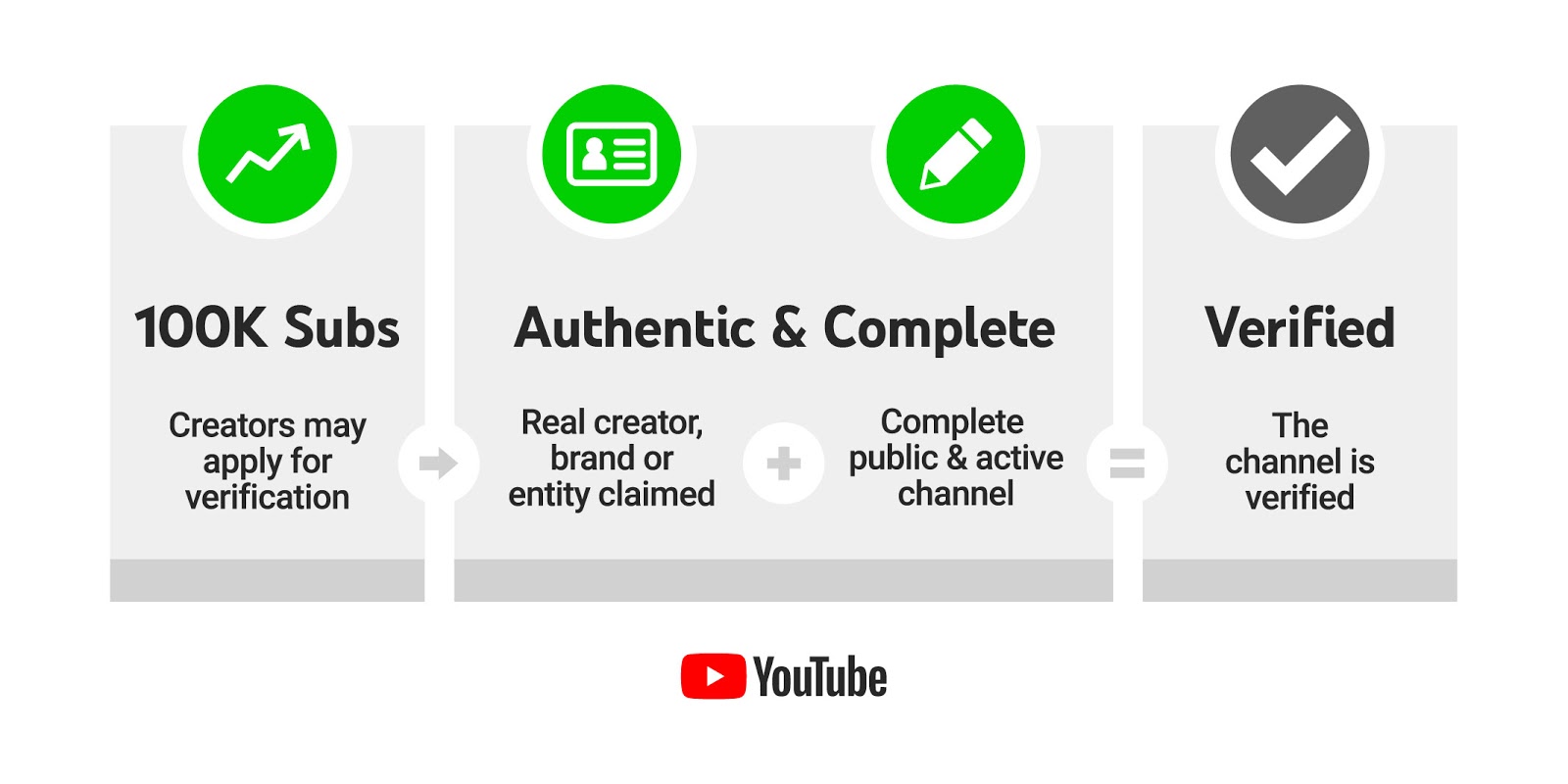
Under the old rules, any channel that crossed the 100,000-subscriber threshold could apply for and receive verification. As YouTube grew from a niche video-sharing site into a sprawling, complex digital media empire, this metric-based system became increasingly untenable. The platform argued that a subscriber milestone did not necessarily equate to a genuine need for authenticity protection. Consequently, YouTube announced a radical new direction:
The Purge of Existing Badges: Channels that relied solely on the 100,000-subscriber rule would lose their verification status.
Redefined Criteria: Eligibility would shift away from raw subscriber counts toward metrics such as platform prominence, digital footprint, and a demonstrable "need for proof of authenticity."
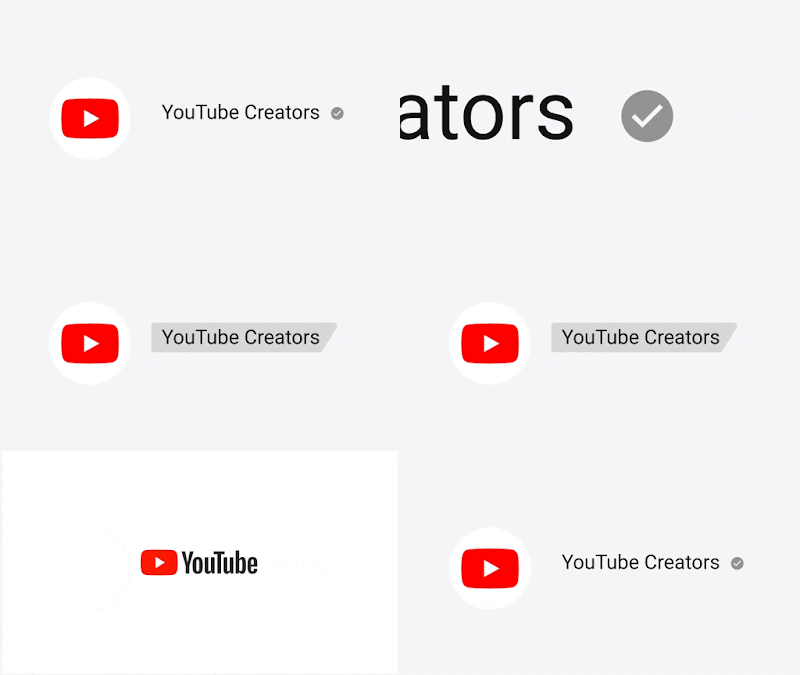
Visual Redesign: The classic checkmark would be replaced by a new design intended to blend more cleanly across desktop, mobile, and living room apps, while the music note used for Official Artist Channels would be phased out in favor of the unified identifier.
The reaction from the creator community was swift, visceral, and overwhelmingly negative. Creators with hundreds of thousands—and in some cases millions—of subscribers realized they were suddenly at risk of losing a badge they had spent years earning. For independent creators, the verification badge was not merely an aesthetic perk; it was a professional credential, a shield against malicious copycat channels, and a vital trust signal for potential brand partners and advertisers.
Day Two: The Apology and Immediate Course Correction
Realizing the depth of the anger and frustration expressed across social media platforms, YouTube leadership acted with uncommon speed. By 3:00 p.m. on September 20, 2019—barely 24 hours after the initial rollout—YouTube published an official update offering a complete mea culpa.
"While rolling out improvements to this program, we completely missed the mark," YouTube management conceded in a public statement. "We’re sorry for the frustration that this caused and we have a few updates to share."
The emergency policy adjustments delivered immediate relief to the creator community:
Grandfathering Existing Channels: Channels that already possessed a verification badge would keep it permanently. They would not be forced to reapply or appeal their status.
Restoring the Application Path: YouTube confirmed that the application process for channels surpassing 100,000 subscribers would reopen by the end of October 2019, albeit with refined backend review processes focused specifically on identity verification and impersonation prevention rather than arbitrary content endorsement.
Delaying the Visual Overhaul: Due to the breadth of the pushback and the compounding administrative adjustments, the rollout of the new badge design was postponed to the following year.
Supporting Context & Metrics: Why YouTube Tried to Change
While YouTube’s execution of the policy change was heavily flawed, the underlying issues the platform was attempting to address were genuine and persistent headaches for platform administrators. Understanding the quantitative and qualitative data behind the decision illuminates why leadership felt compelled to act in the first place.
The Scale of Impersonation
In its official communications, YouTube revealed a staggering metric: every single year, the platform received tens of thousands of complaints from creators regarding impersonation. As the site evolved into a multi-billion-dollar media ecosystem, bad actors frequently created fraudulent channels mimicking prominent creators, public figures, and major brands. These copycat accounts often engaged in scams, distributed malware, or siphoned off ad revenue and subscriber goodwill by deceiving casual viewers.
Under the legacy system, a malicious actor could theoretically build a channel, buy or farm 100,000 subscribers through artificial means, and apply for verification before human moderators could intervene. YouTube needed a verification pipeline that could discern true identity rather than simply rewarding raw audience accumulation.
Viewer Misunderstanding and Content Endorsement
Perhaps the most surprising data point driving YouTube’s initiative stemmed from user research conducted by the platform. YouTube discovered that nearly a third of all users misunderstood the meaning of the verification badge.
Rather than interpreting the checkmark as a neutral indicator of identity (confirming that "this channel is officially run by Creator X"), a significant portion of the audience viewed it as an endorsement of content (implying that "YouTube vouches for the quality, safety, or moral standing of the videos produced by this creator").
This misinterpretation created severe liability and public relations challenges for YouTube. When a verified creator engaged in controversial behavior, hate speech, or policy violations, aggrieved viewers frequently accused the platform of hypocrisy, arguing that YouTube was officially endorsing bad actors. By redesigning the badge and altering the eligibility criteria, YouTube hoped to visually and structurally decouple identity verification from platform endorsement.
Official Statements and Institutional Reflection
The 2019 verification debacle serves as a classic textbook case of corporate communication missteps in the modern tech era. By examining the evolution of YouTube’s public statements, industry analysts can observe how platform policies are increasingly shaped through a conversational, iterative feedback loop between Silicon Valley executives and grassroots content creators.
In its initial announcement, YouTube adopted a top-down, bureaucratic tone. The messaging emphasized technical necessity and administrative optimization:
"That worked well when YouTube was smaller, but as YouTube has grown and the ecosystem has become more complex, we needed a new way to verify the identity of channels and help users find the official channel they’re looking for."
However, the tone shifted dramatically in the emergency retraction published just one day later. Stripping away corporate jargon, the follow-up statement acknowledged emotional realities and community value:
"First, we heard loud and clear how much the badge means to you… We’re sorry for the frustration that this caused and we have a few updates to share."
This pivot underscored a fundamental truth of the creator economy: platforms do not merely host content; they foster communities with deep emotional and financial investments in their digital infrastructure. When a platform unilaterally alters the rules of engagement without adequate consultation or advanced warning, it risks fracturing the fragile trust upon which its entire business model rests.
Future Outlook: The Evolution of Digital Identity
The turbulent events of September 2019 fundamentally transformed how YouTube—and by extension, other major social media networks—approached the delicate task of user verification. The crisis forced platform architects to realize that digital identity cannot be managed via rigid algorithms or blanket numerical thresholds alone.
Moving Toward Contextual Verification
In the months and years following the policy reversal, YouTube successfully restructured its verification framework to balance platform security with creator appeasement. Today, the platform evaluates channels based on a holistic set of indicators:
Authenticity: Does the channel represent a real creator, brand, or entity?
Prominence: Is the channel well-known, highly searched, or frequently referenced outside of YouTube?
Completeness: Is the channel active, fully optimized, and compliant with YouTube’s comprehensive Terms of Service?
Furthermore, YouTube addressed the issue of inconsistent visual placement. By standardizing how verification markers appear across desktop web browsers, mobile applications, living room interfaces, community posts, and live chat streams, the platform mitigated the UI confusion that initially sparked the 2019 review.
Lessons for the Broader Tech Industry
As digital platforms increasingly grapple with deepfakes, automated bot farms, and sophisticated online impersonation campaigns, the challenges faced by YouTube in 2019 remain universally relevant. Striking the right balance between security (preventing fraud) and usability (honoring creator status) requires transparent communication, phased rollouts, and a willingness to listen to community feedback before policy changes cause irreversible damage.
Ultimately, YouTube’s 2019 verification crisis stands as a watershed moment in platform governance. It demonstrated that while tech giants hold immense unilateral power over their digital domains, the modern creator economy possesses a collective voice powerful enough to compel even the largest corporations in Silicon Technology to pause, listen, and change course.







Belum ada komentar. Jadilah yang pertama berkomentar!