

Executive Overview
The intersection of architecture, urban infrastructure, and contemporary art has long provided a fertile ground for critical inquiry. As cities expand, densify, and grapple with the ecological realities of the twenty-first century, the ways in which we conceive, construct, and inhabit our built environments have undergone radical shifts. Bringing together three towering figures of modern and contemporary spatial practice—Dan Graham, Naoya Hatakeyama, and Ryuji Miyamoto—the Taka Ishii Gallery presents a landmark special exhibition tied to the forthcoming Maebashi Triennale 2026.
Running from September 19 at the gallery’s Complex 665 1F location in Roppongi, Tokyo, this exhibition acts as both a profound standalone artistic statement and an intellectual precursor to the broader regional dialogues slated for the Maebashi Triennale. By examining the structural evolution of architectural spaces, the photographic documentation of industrial landscapes, and the philosophical implications of urban ruins, the exhibition captures the shifting paradigms of human habitation.
Through carefully curated architectural models, lambda prints, and large-format pinhole photography, the exhibition forces viewers to confront the invisible infrastructure underpinning modern life. It bridges the gap between utilitarian structural design and conceptual art, asking fundamental questions about how physical structures dictate social behavior, psychological well-being, and historical memory.
Detailed Chronology and Curatorial Framework
The curatorial premise of the exhibition hinges on a dialogue between three distinct yet complementary artistic practices, each engaging with the built environment from a unique methodological standpoint.

Dan Graham: Pavilions, Glass, and Social Space
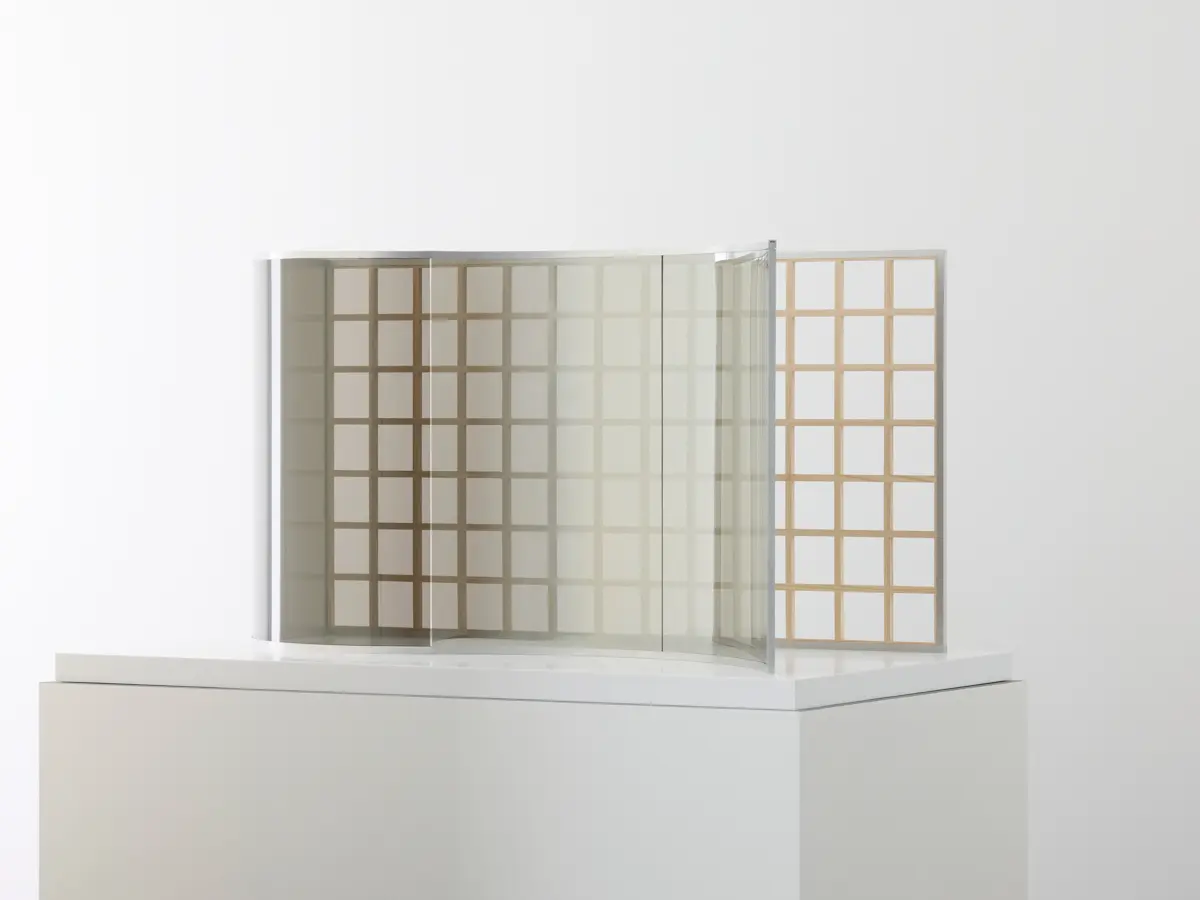
Dan Graham (1942–2022), a towering figure in conceptual and minimalist art, is represented through his architectural models and theoretical proposals, most notably Model C (2022). Graham’s work has consistently blurred the boundaries between sculpture, architecture, and public space. His signature pavilions—constructed primarily of two-way mirrors, steel frames, and glass—redefine the viewer’s relationship with their surroundings.
In Model C, Graham explores the legacy of suburban housing typologies that began over fifty years ago. By utilizing reflective and transparent surfaces, Graham’s pavilions do not merely sit within a landscape; they actively engage the spectator in an ongoing psychological dialogue. The viewer becomes simultaneously the observer and the observed, subverting the traditional, passive experience of viewing art in a gallery setting. This reflexive spatial awareness directly echoes the conceptual frameworks explored in urban planning initiatives like the Maebashi Triennale, where community interaction with public architecture is paramount.
Naoya Hatakeyama: The Industrial Metamorphosis of Cities
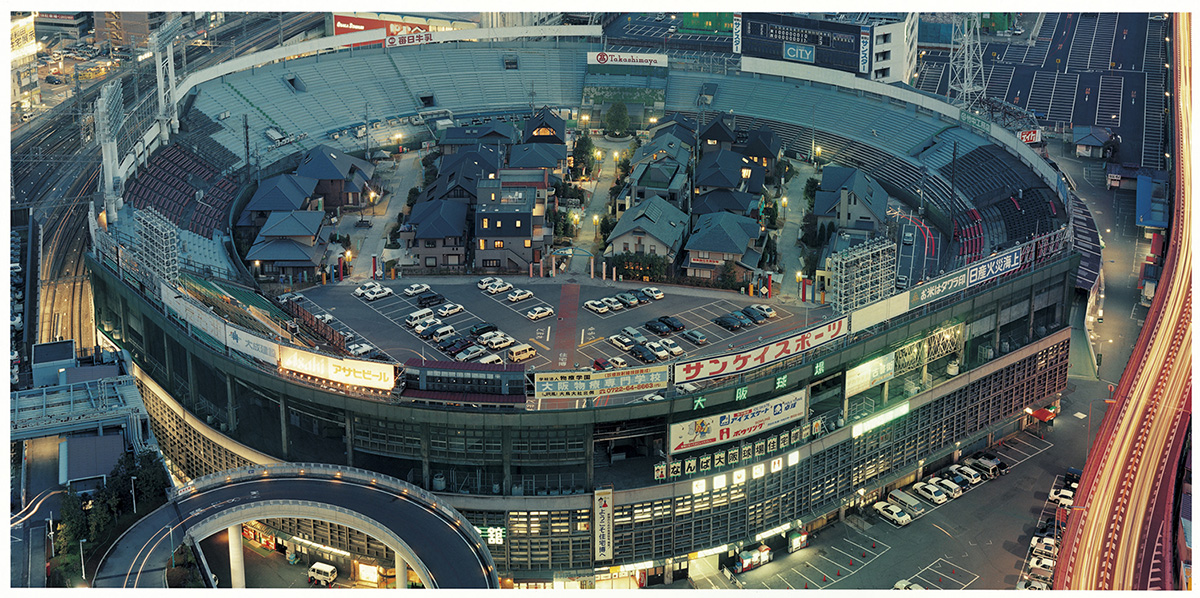
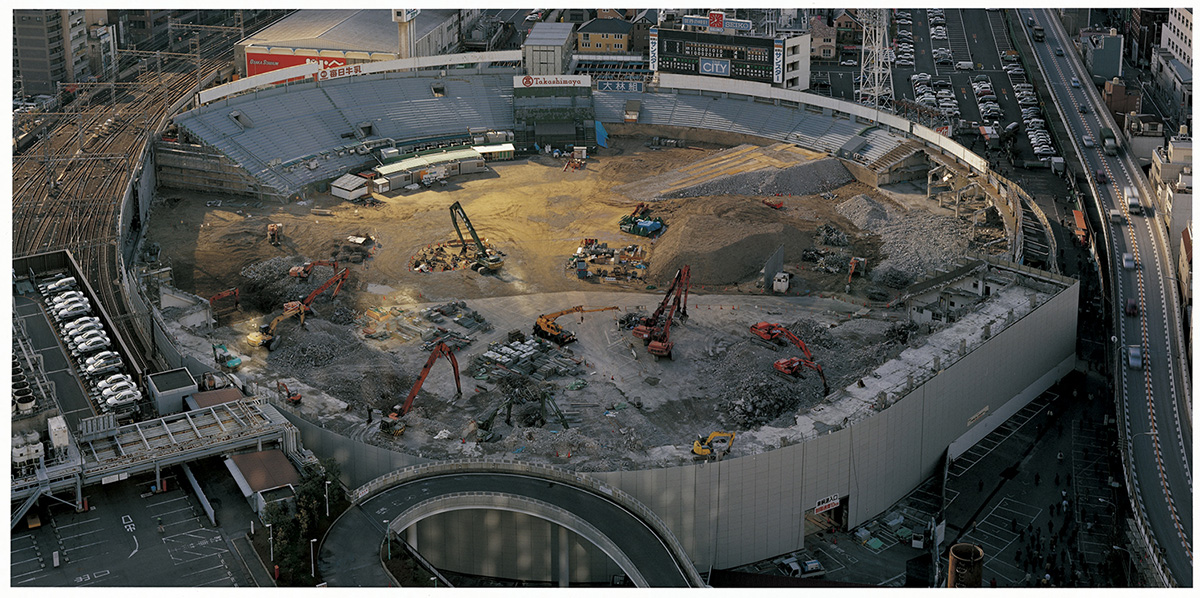
Naoya Hatakeyama contributes a visceral, deeply haunting photographic exploration of urban and industrial landscapes. His works, including the iconic Untitled / Osaka series from 1998 and 1999, document the relentless transformation of the Japanese metropolis. Hatakeyama’s lens captures the raw materiality of concrete, steel, and stone, tracing the physical manifestations of industrial expansion and urban decay.
Hatakeyama’s photographs are not mere documentations of topography; they are elegies to the modern industrial complex. By framing limestone quarries, concrete structures, and cityscapes with surgical precision, he highlights the symbiotic—and often violent—relationship between human civilization and the earth. His work serves as a visual bridge between the constructed environment and the natural world, aligning seamlessly with the ecological themes underscoring the Maebashi Triennale 2026.
Ryuji Miyamoto: Pinhole Photography and the Architecture of Ruins
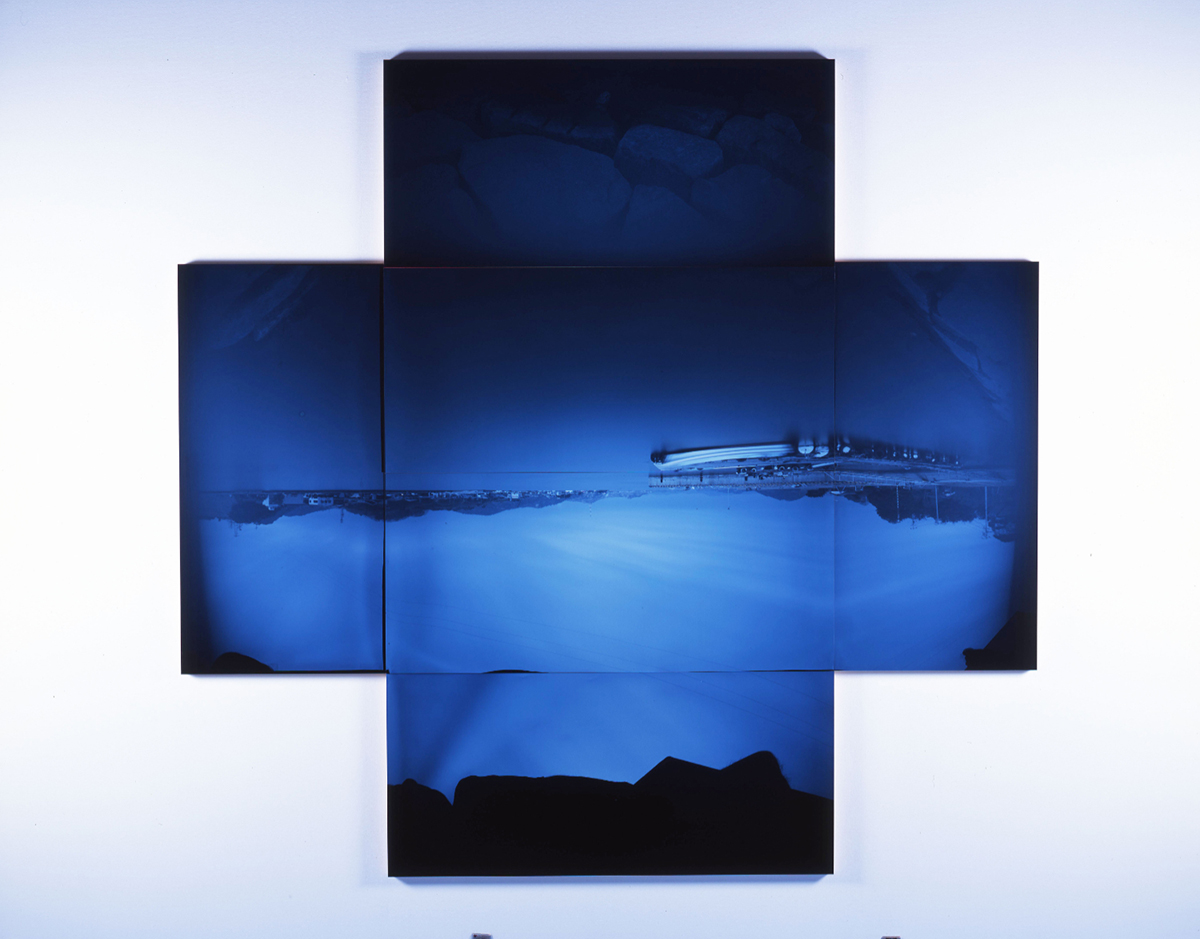
Rounding out the trio is Ryuji Miyamoto, whose large-format pinhole photography captures the monumental scale of architectural transition. His 2006 work, Pinhole NAOSHIMA, exemplifies his mastery over alternative photographic processes. Utilizing a pinhole camera—one of the oldest optical imaging devices in history—Miyamoto strips away the high-tech veneer of modern architectural photography, returning to the elemental physics of light and time.
Miyamoto’s documentation of architectural ruins and construction sites emphasizes the temporary nature of human endeavors. By capturing spaces undergoing profound metamorphosis, he reveals the fragility inherent in even the most monumental structures. His work invites viewers to consider what remains after a building’s functional life has ended, echoing the broader curatorial investigation of urban regeneration and historical continuity.
Supporting Context and Metrics
To fully appreciate the significance of the Taka Ishii Gallery presentation, one must examine the broader socio-cultural and geographical context of the Maebashi Triennale 2026. Maebashi, the capital city of Gunma Prefecture, has increasingly positioned itself as a vanguard for contemporary art and regional revitalization through creative architecture.
The Architectural Evolution of Regional Japan
In recent years, regional Japanese cities have looked to contemporary art and architecture not merely as aesthetic embellishments, but as vital economic and social drivers. The integration of cutting-edge design into public spaces—exemplified by projects such as Sou Fujimoto’s Tree-ness House in Tokyo or various civic regeneration projects across Gunma—demonstrates a growing national commitment to sustainable, human-centric urban development.
The exhibition at Taka Ishii Gallery contextualizes these modern developments by tracing their lineage back to the late 20th-century conceptual shifts in architecture. The works of Graham, Hatakeyama, and Miyamoto provide the historical and theoretical bedrock upon which contemporary urban planners and architects build today.
Key Works and Exhibition Metrics
- Exhibition Dan Graham, Naoya Hatakeyama, Ryuji Miyamoto: Architecture, Infrastructure, Human Scale
- Venue: Taka Ishii Gallery (Complex 665 1F, Roppongi, Tokyo)
- Dates: September 19, 2026, onwards
- Featured Artists & Works:
- Dan Graham: Model C (2022), architectural model (two-way mirror, frame, glass, wood, 100 x 175 x 91 cm, edition of 3).
- Naoya Hatakeyama: Untitled / Osaka (1998 & 1999), Lambda prints (89 x 180 cm).
- Ryuji Miyamoto: Pinhole NAOSHIMA (2006), C-print (304 x 319 cm).
Official Statements and Curatorial Vision
Galleries and cultural institutions have increasingly recognized the necessity of interdisciplinary dialogues that transcend traditional medium-specific boundaries. In statements released in conjunction with the exhibition, representatives from Taka Ishii Gallery emphasized the urgency of re-evaluating the built environment during a time of global climate crisis and rapid technological advancement.
"The architectural models and photographic documentations presented in this exhibition do not merely record physical spaces; they interrogate the underlying power structures, social contracts, and psychological impacts embedded within our cities," notes the gallery’s curatorial statement. "By juxtaposing Dan Graham’s interactive pavilions with Naoya Hatakeyama’s industrial studies and Ryuji Miyamoto’s meditation on architectural ephemera, we aim to provoke a rigorous discourse on what it means to inhabit the modern world."
Furthermore, the exhibition serves as a vital touchpoint for the Maebashi Triennale 2026, acting as an intellectual outpost in Tokyo that prepares audiences for the expansive regional presentations scheduled to take place in Gunma Prefecture.
Future Outlook: Toward the Maebashi Triennale 2026
As urban centers globally face unprecedented challenges related to climate change, demographic shifts, and infrastructural aging, exhibitions like the one presented at Taka Ishii Gallery offer essential spaces for critical reflection. The dialogue established between Graham’s sociological pavilions, Hatakeyama’s industrial excavations, and Miyamoto’s temporal ruins provides a robust theoretical framework for the upcoming Maebashi Triennale 2026.
The triennale itself promises to expand upon these themes, moving beyond gallery walls and into the physical fabric of regional cities. By engaging local communities, international artists, and visionary architects, the event will test the limits of what contemporary art and architecture can achieve in revitalizing neglected or rapidly changing environments.
Ultimately, this special exhibition is not a nostalgic look backward, but an urgent call to action. It challenges architects, artists, and citizens alike to rethink the permanence of our structures, the ethics of our infrastructural footprint, and the profound ways in which our built environment shapes the human condition. As preparations for the Maebashi Triennale 2026 gather momentum, the insights generated at Taka Ishii Gallery will undoubtedly serve as a guiding compass for the future of spatial practice.







Belum ada komentar. Jadilah yang pertama berkomentar!